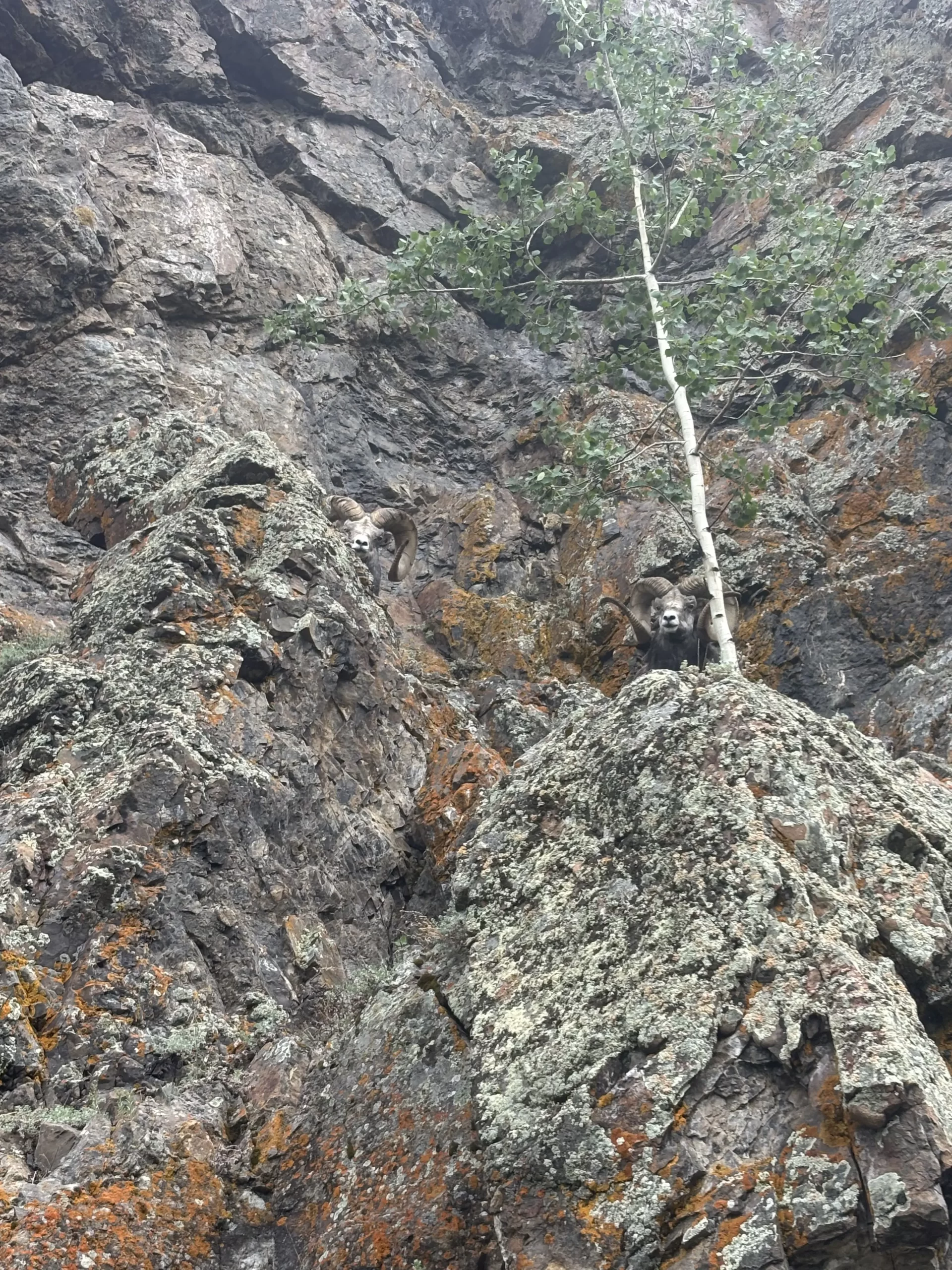
Wet Feet and Thinhorn Sheep
6 minute read -
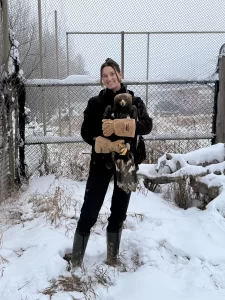 Alexis is the Preserves RVT. Alexis holding an eagle at the Yukon Wildlife Preserve in preperation to weigh the bird.The team's veterinary technician, Alexis, and I immediately jumped into action to keep the yearling in a safe, flat area, preventing her from running up the steep, rocky hill of the enclosure. Once she laid down and Alexis confirmed she was safely sedated, the preserve’s veterinarian, Dr. Huisman, and I waded through a large puddle that had formed from all the June rain to pack in our equipment.
With wet feet and adrenaline pumping, we quickly hooked her up to oxygen and monitoring equipment. In a field immobilization, every second counts. The team operated like a well-oiled machine; my job was to trim her hooves and place an ear tag. After what felt like only a few minutes, the sedation was reversed, and she was up finding her way back to the herd.
Getting to participate in a field immobilization stood out to me because of how different it is from how we are trained in veterinary school. At a traditional clinic, you have all your equipment perfectly laid out, and your patients typically walk through the front door. In wildlife medicine, the open field is your clinic. You have to pack in absolutely everything you might need, and your patients don't want anything to do with you.
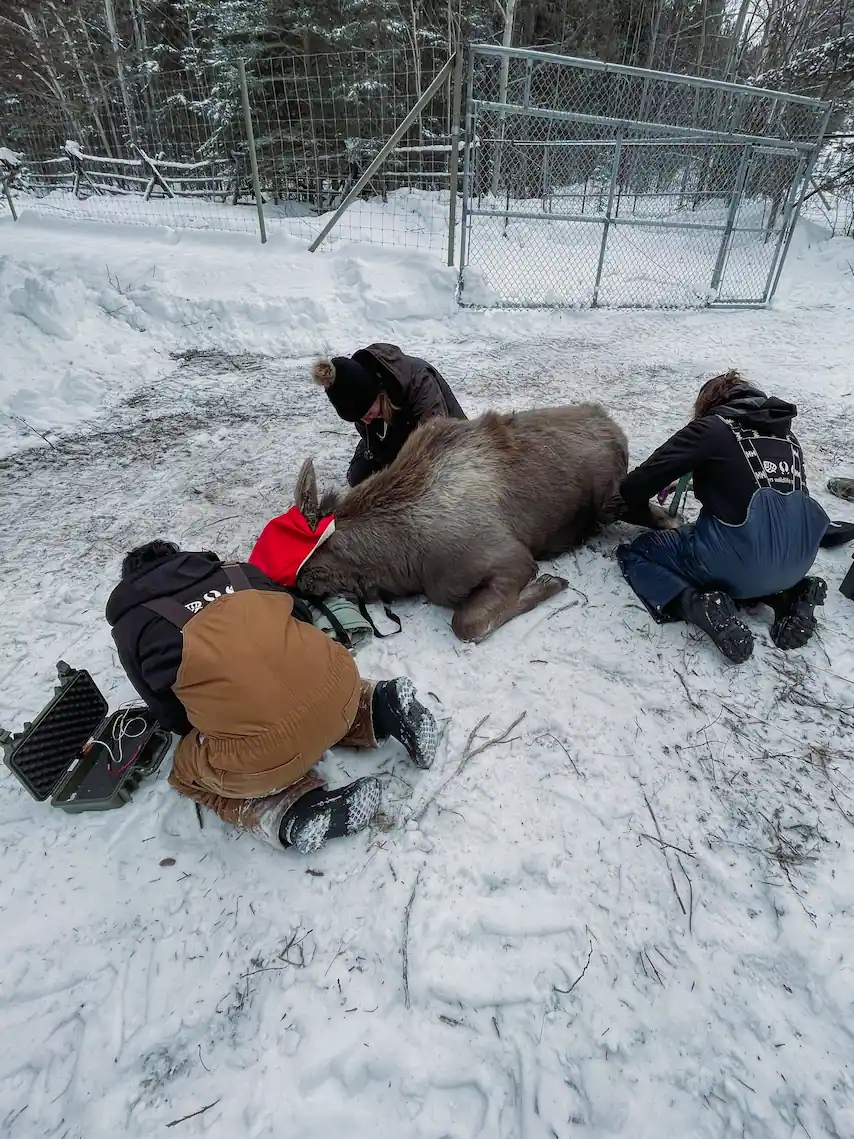
Field anesthesia requires an immense amount of strategy. You have to ensure the animal is in a safe area to lie down and to wake back up. Even the act of darting requires precision; the veterinarian can only dart in specific areas of the enclosures to guarantee no darts end up where people or other animals could be.
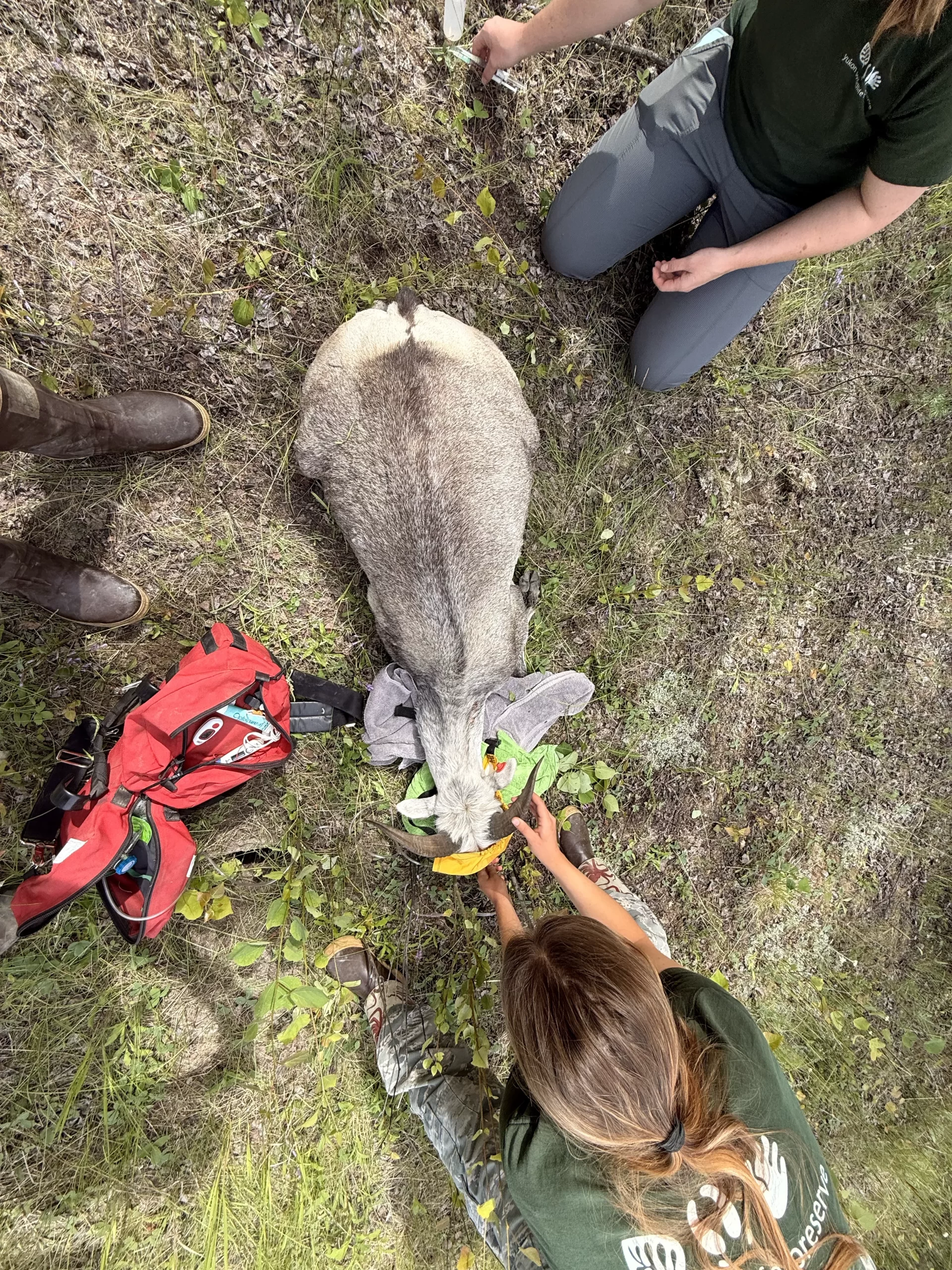
This experience taught me that wildlife immobilization relies on careful preparation, solid team communication, and strategic pre-planning. We started our day by locating the yearling to ensure she was in an appropriate area to be darted. Next, we packed and went through everything we needed for the procedure along with any extra supplies that could come in handy. Finally, we briefed as a team, mapping out everyone's specific role to ensure the highest standard of animal and human safety.
In our yearling’s case, this was her very first physical exam and hoof trim since she was lambed last year. During her sedation, we seized the low-stress opportunity to vaccinate and deworm her, which helps minimize the transmission of infectious diseases and parasites within the herd.
Immobilizations are a vital tool on the preserve and are done for various reasons. They allow the animal health team to provide essential care in a way that minimizes stress for the animal and ensures safety for the handlers. For animals requiring intensive medical care, the preserve does have a fully equipped indoor clinic.
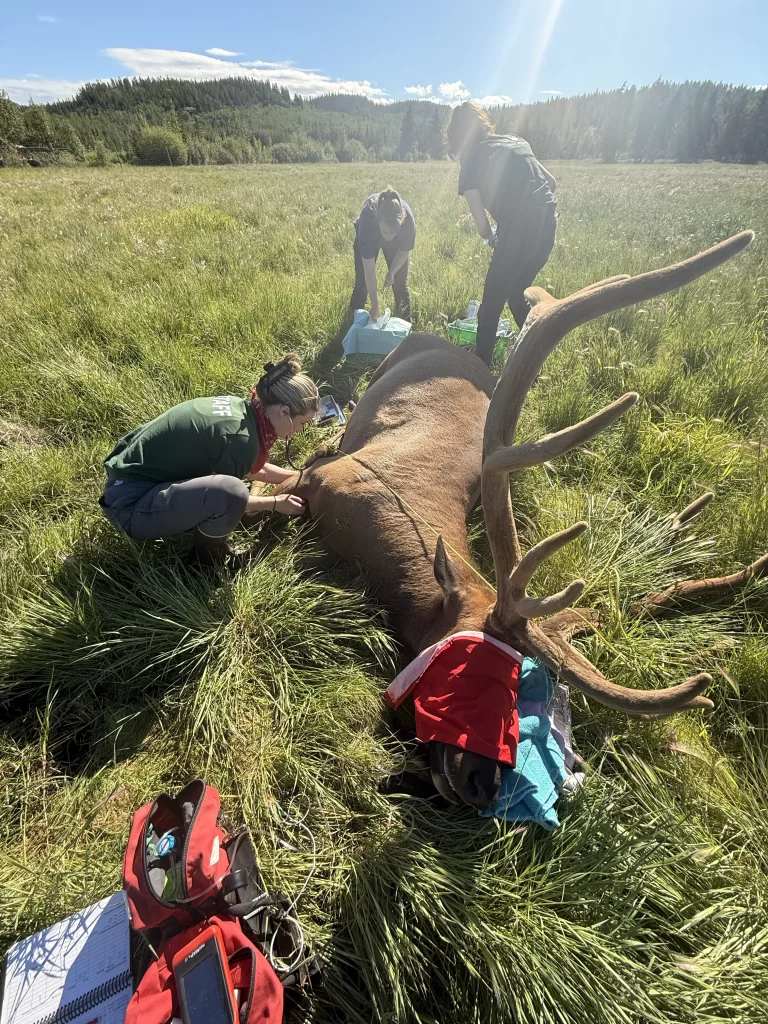
Every immobilization also allows an opportunity for data-gathering. Not only did we take many photos of her but also placed an ear tag allowing the animal care team to build her individual medical record. We also drew blood, which serves a dual purpose by screening the individual's health and providing a snapshot of the herd's overall wellness. Part of that sample is used to review mineral profiles, helping the animal care team make any changes necessary to the species-specific diets.
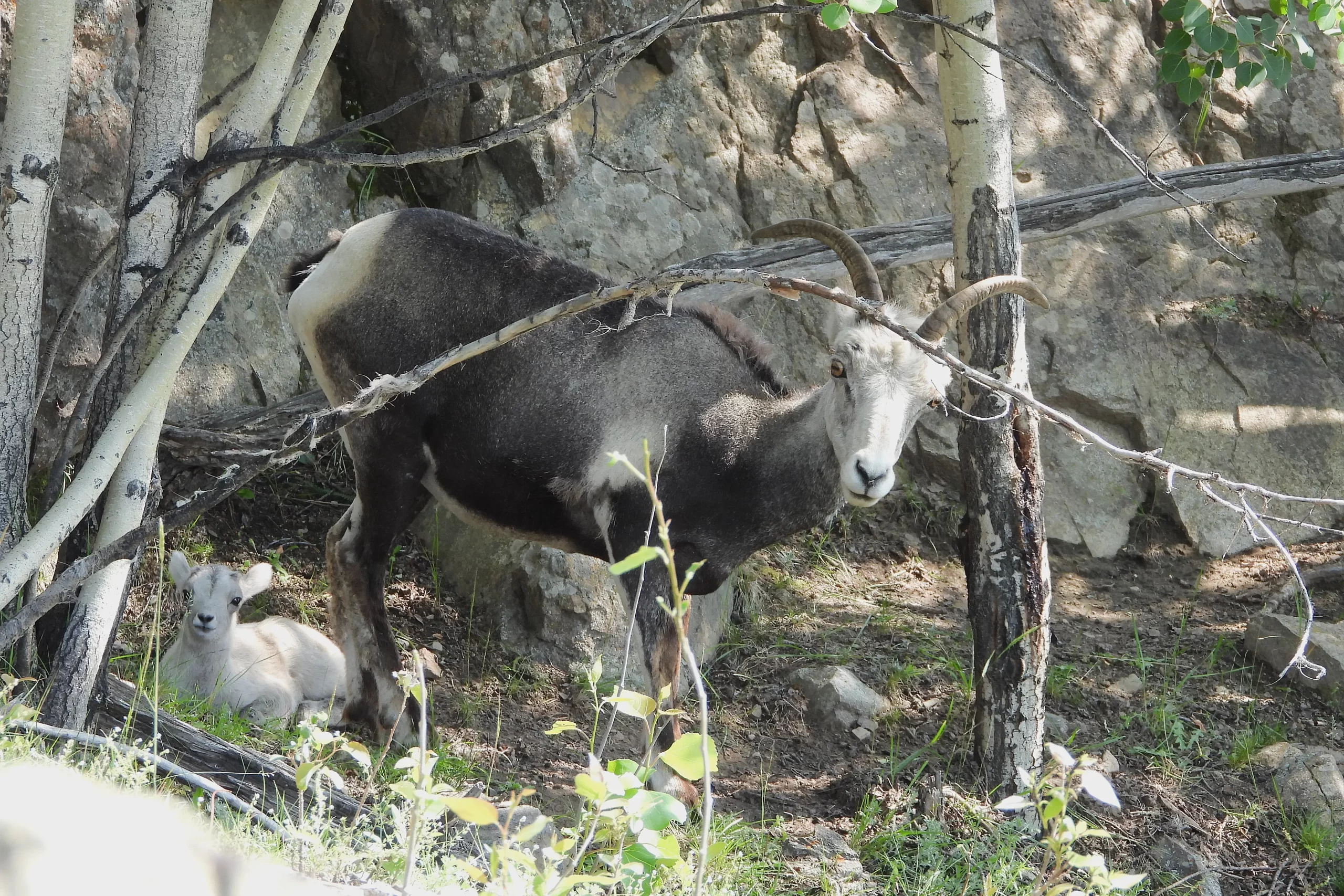
Most excitingly, the animal care team uses these blood samples to build their own datasheet. Given that these are wild animals, there is limited information on what a normal blood panel reference range looks like. Every sample allows for an opportunity to learn more about these species and in the long run contribute to wildlife science.
My time wasn't just spent on exciting sedations. Daily, I helped the animal care team feed the various resident species, which gave me an appreciation for their unique nutritional and husbandry needs.
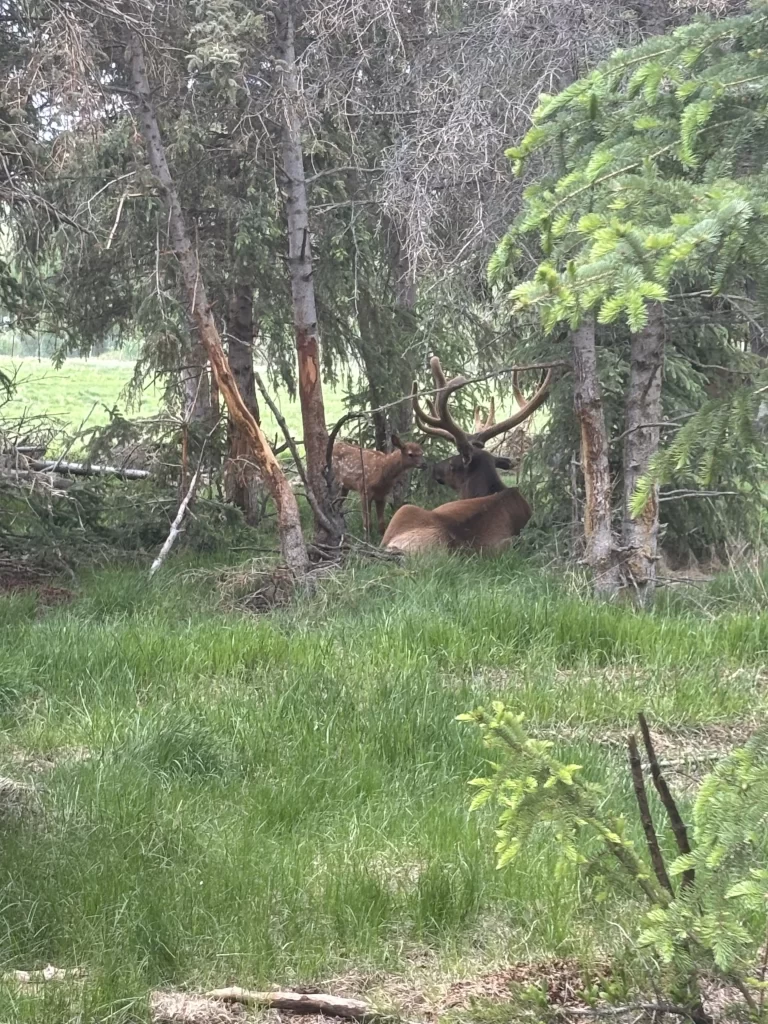
An elk fawn and stag are seen on the daily observation rounds done by the animal care team at the Yukon Wildlife Preserve. Observation of the animals is very important to ensure health and well-being of all individuals. Photo credit Jessie Jacobs.
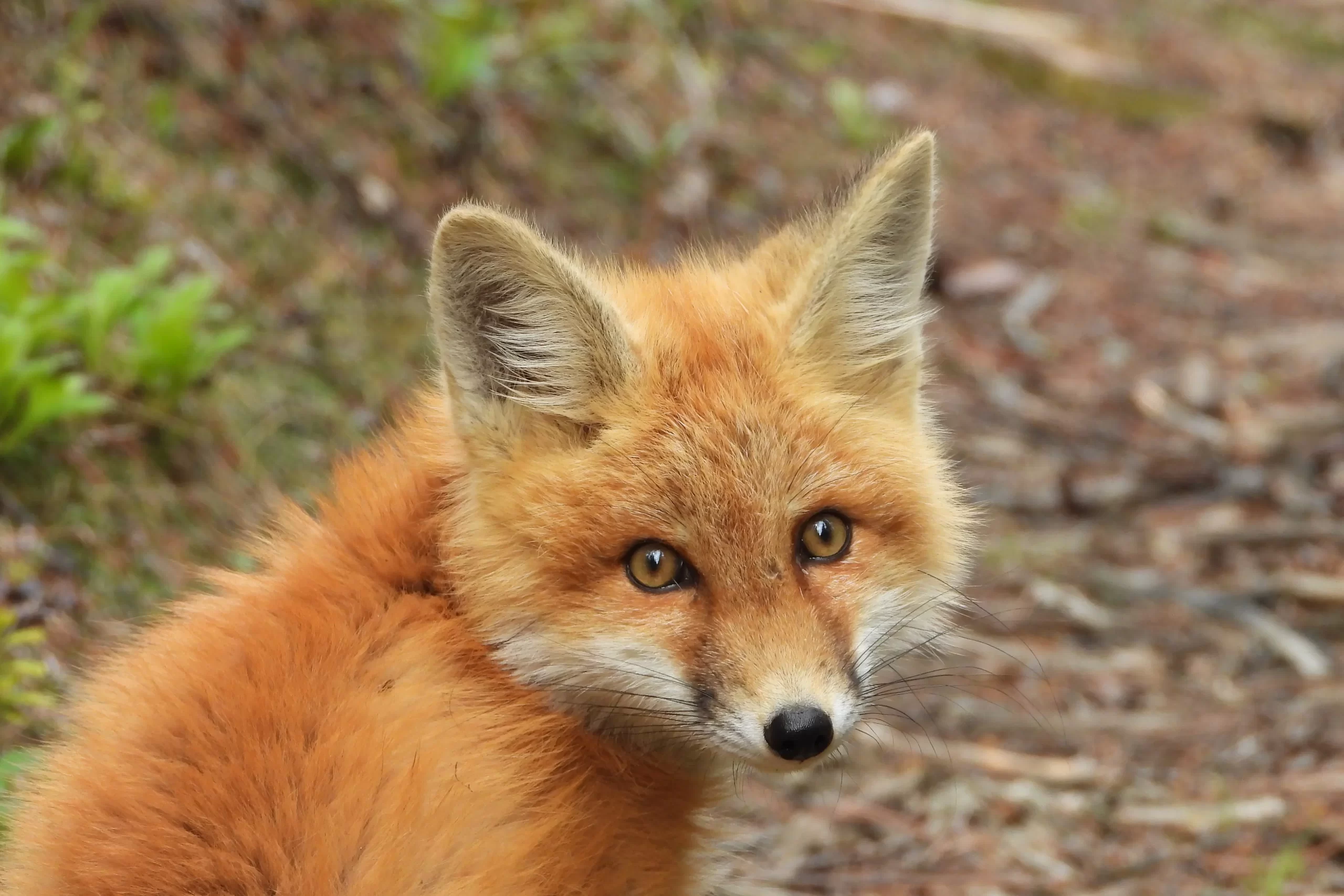
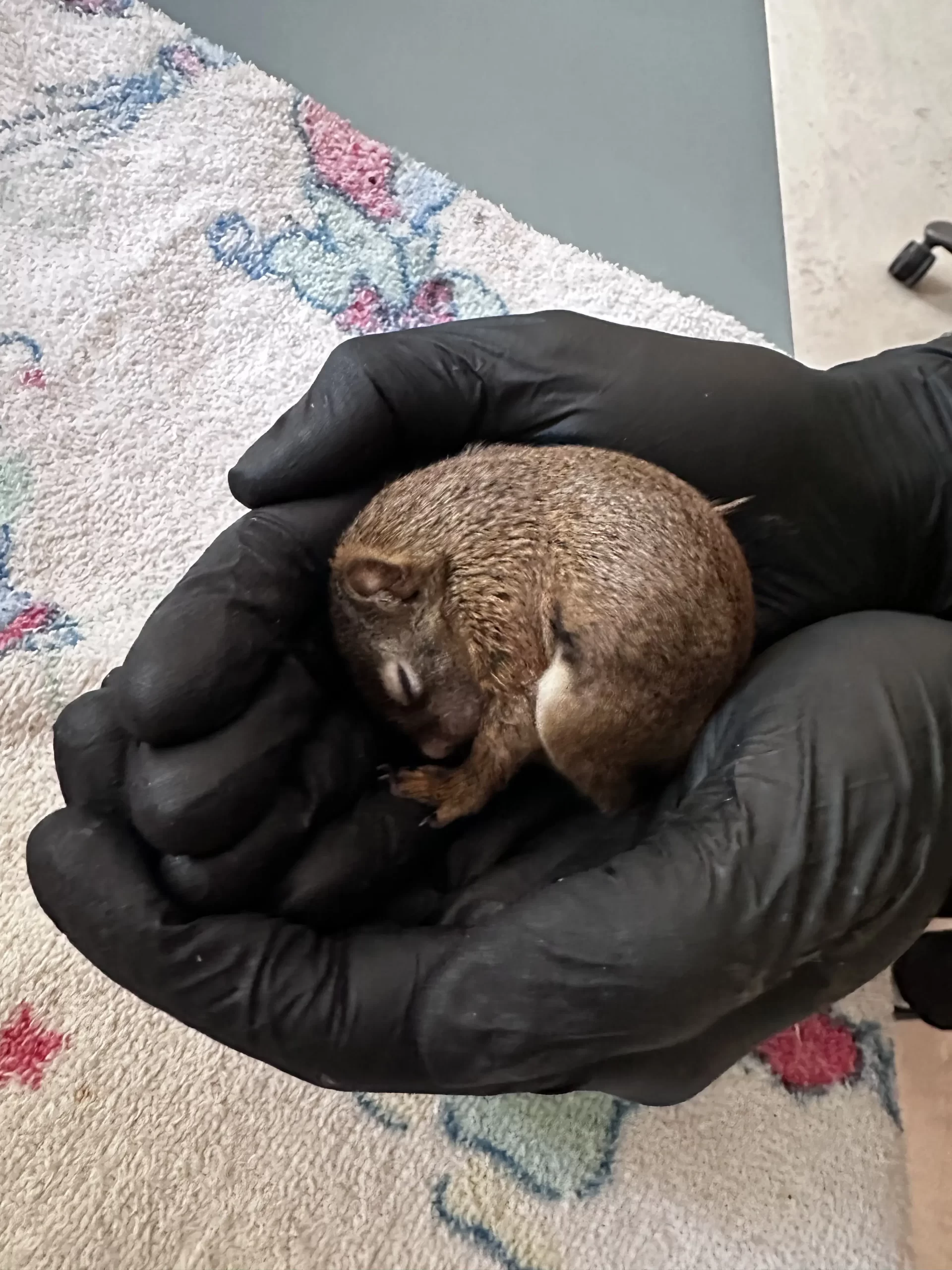
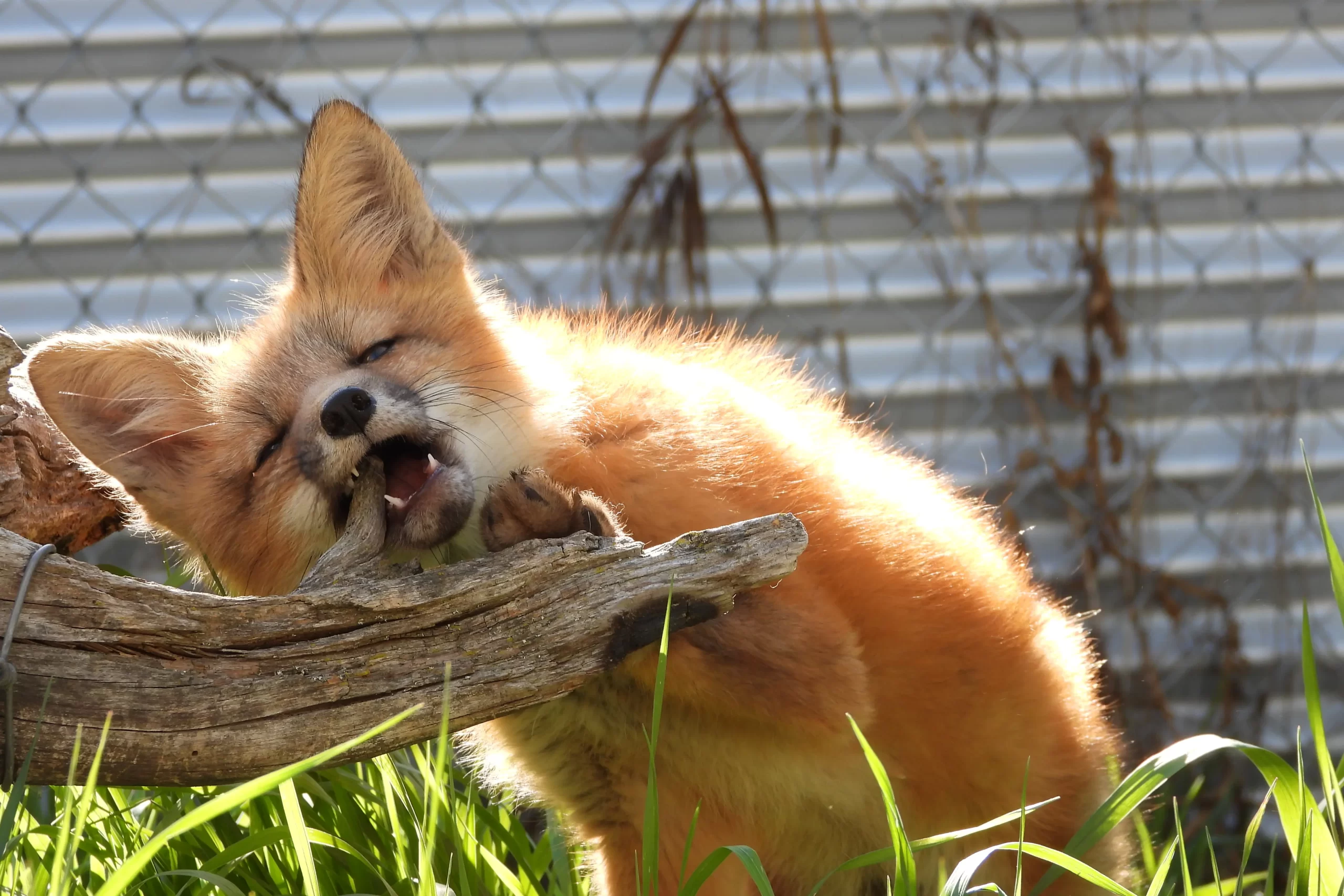
I also spent time at the rehabilitation center, which offers a totally different learning curve. The center cares for injured or orphaned animals turned in by the public. This means that certain handling and feeding protocols are in place to offer these animals the best chance for a successful return to the wild. A core highlight of my rotation was helping release two rehabilitated foxes back into the wild, a heartwarming experience that showcased how vital the preserve’s conservation work is for Yukon wildlife.
As a fourth-year veterinary student attending the Western College of Veterinary Medicine in Saskatoon, this rotation was incredibly valuable. Having been born and raised in Whitehorse, I was absolutely thrilled that my university allowed us the flexibility to seek out our own external rotation. It allowed me to return home to the Yukon, work alongside an inspiring mentor, and explore my passion for wildlife.
This rotation highlighted the unique problem solving skills required of a wildlife veterinarian, where delivering medical care looks much different than it does in domestic species. It also challenged me to develop my clinical observation skills to assess patients' health from a distance. Beyond the clinical work, It opened my eyes to the diverse career paths veterinary medicine offers.
If you are a student in veterinary medicine looking for a rotation that will challenge your critical thinking and give you hands-on experience, I highly recommend the preserve. You may just end up with the most exciting two weeks of your clinical year and a passion for wildlife medicine.

Jessie Jacobs
Veterinary Student
As a fourth-year veterinary student attending the Western College of Veterinary Medicine in Saskatoon, this rotation was incredibly valuable. Having been born and raised in Whitehorse, Jessie was absolutely thrilled that their university allowed them the flexibility to seek out their own external rotation. It allowed them to return home to the Yukon, work alongside an inspiring mentor, and explore their passion for wildlife.
0 Comments