

The World Under the Snow
2 minute read -
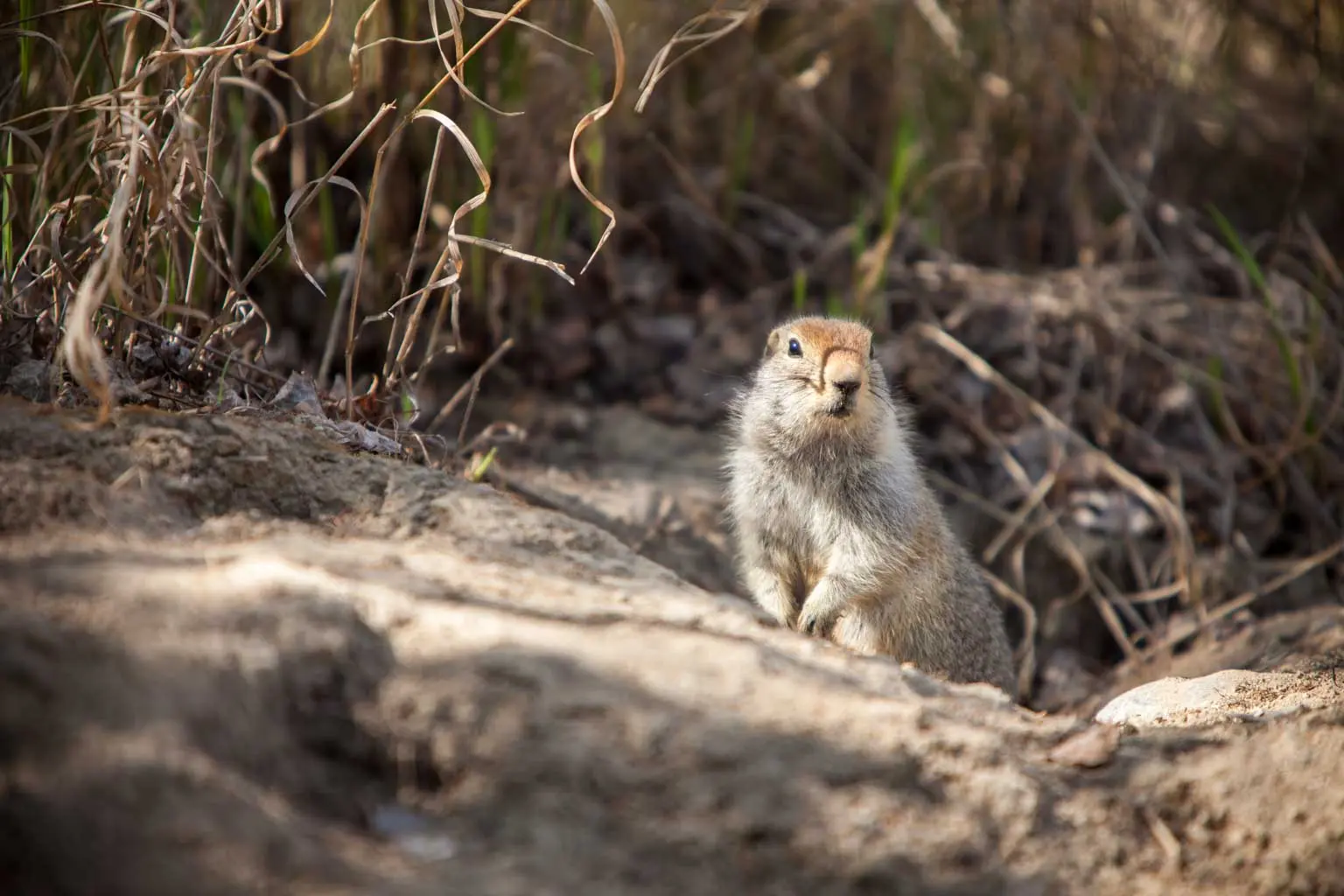
Many bird species migrate, bears and ground squirrels hibernate, those that winter on top of the snow grow thick winter coats for extra insulation but what about the tiny animals like mice, voles and shrews?
Mice, voles and shrews cannot hibernate as their bodies are too small to retain heat without eating constantly. Shrews, small insect eating mammals, are especially vulnerable; their metabolism is so high they potentially need to consume as much as 3 times their body weight\day to survive. However, they have also evolved a very unique strategy; they actually shrink their body size, including brain and internal organs, in order to require less energy.
We often hear the phrase ‘a blanket of snow’. Well does it really act as a blanket? Yes. Snow is a good insulator. Once snow depth reaches 6 inches or more it creates a warmer, more humid and wind free environment right at ground level. The temperature remains close to 0C, (32F) all winter. Fluffy, fresh snow (containing lots of trapped air) insulates better then icy or compacted snow. An old timer winter travel tip is to warm your feet by sitting with them under the snow at rest stops or while you eat.
Squirrel prints lead to and from a hole in the snow. Beneath lies a fallen tree, creating a haven for small mammals.
Technically this zone under the snow is called the subnivean zone (sub=under, nivean=snow). This world under the snow provides a more stable environment than up at the surface, warmth from the ground helps crystallize the snow creating a small space right at ground level where the smaller critters can live during winter. Mice and voles store food (seeds, berries etc.), often making nests near their food caches living eating and sleeping under the snow. They also create a network of tunnels to move about and search for yet more food.
Chipmunks are a special case. They spend the winter in underground burrows, where they store large amounts of food to last them through the winter but they do not actually hibernate. They enter what is known as torpor, a state much like hibernation, but where they wake up every few days or weeks to eat and relive themselves before returning to torpor. On a very warm sunny winter day you may even see them briefly out on top of the snow.
Red squirrels store food under the snow and dig down to get at it, but they don’t live under it. They create large middens of seed cones from pine and spruce during fall at the base of trees for their winter food. They also hide mushrooms in the branches of trees. They sleep in nests of dried grasses woven into large balls up in the trees.
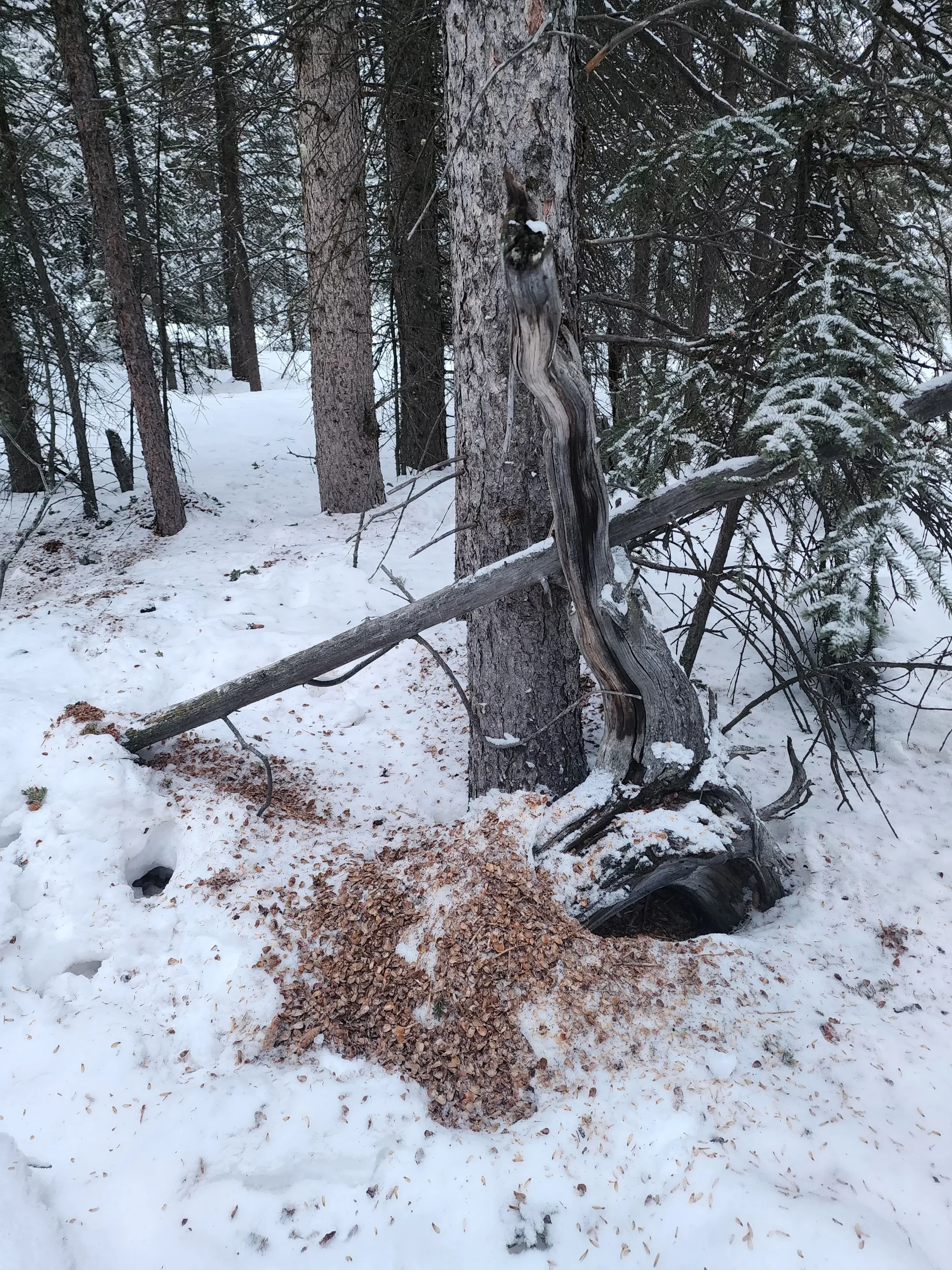
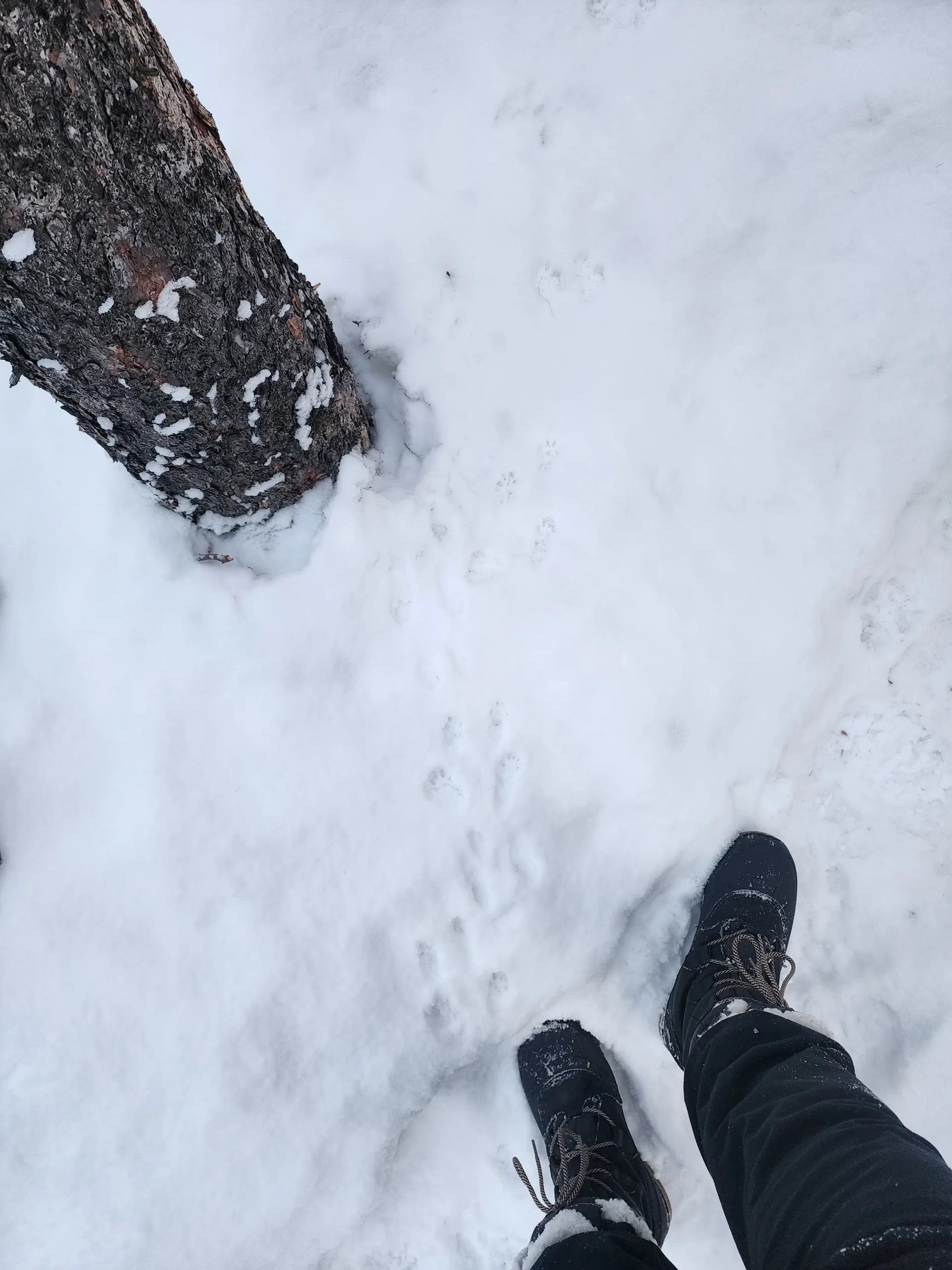
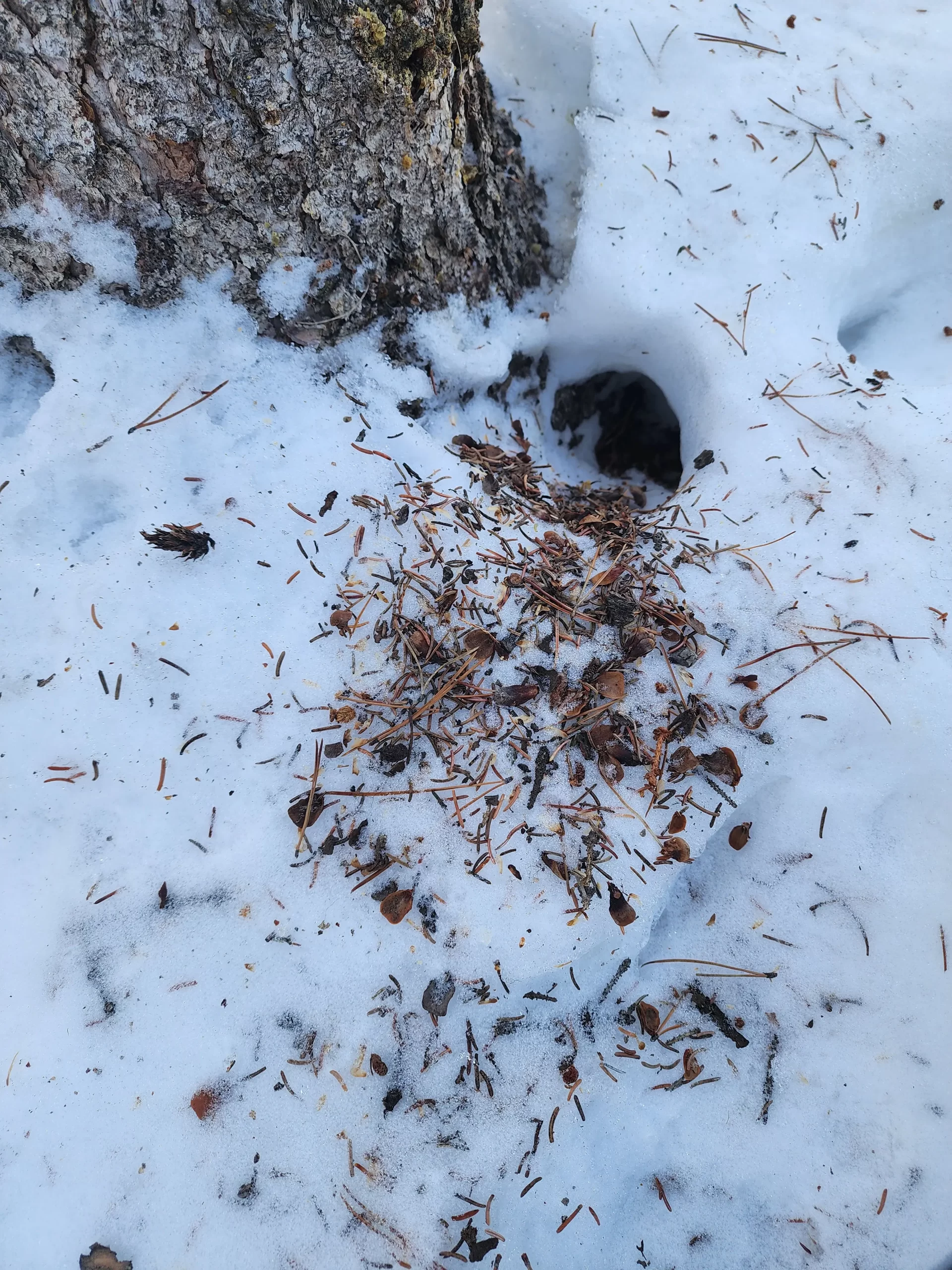
The photos on the left and right demonstrate squirrel middens. The photo in the middle shows squirrel prints in the snow.
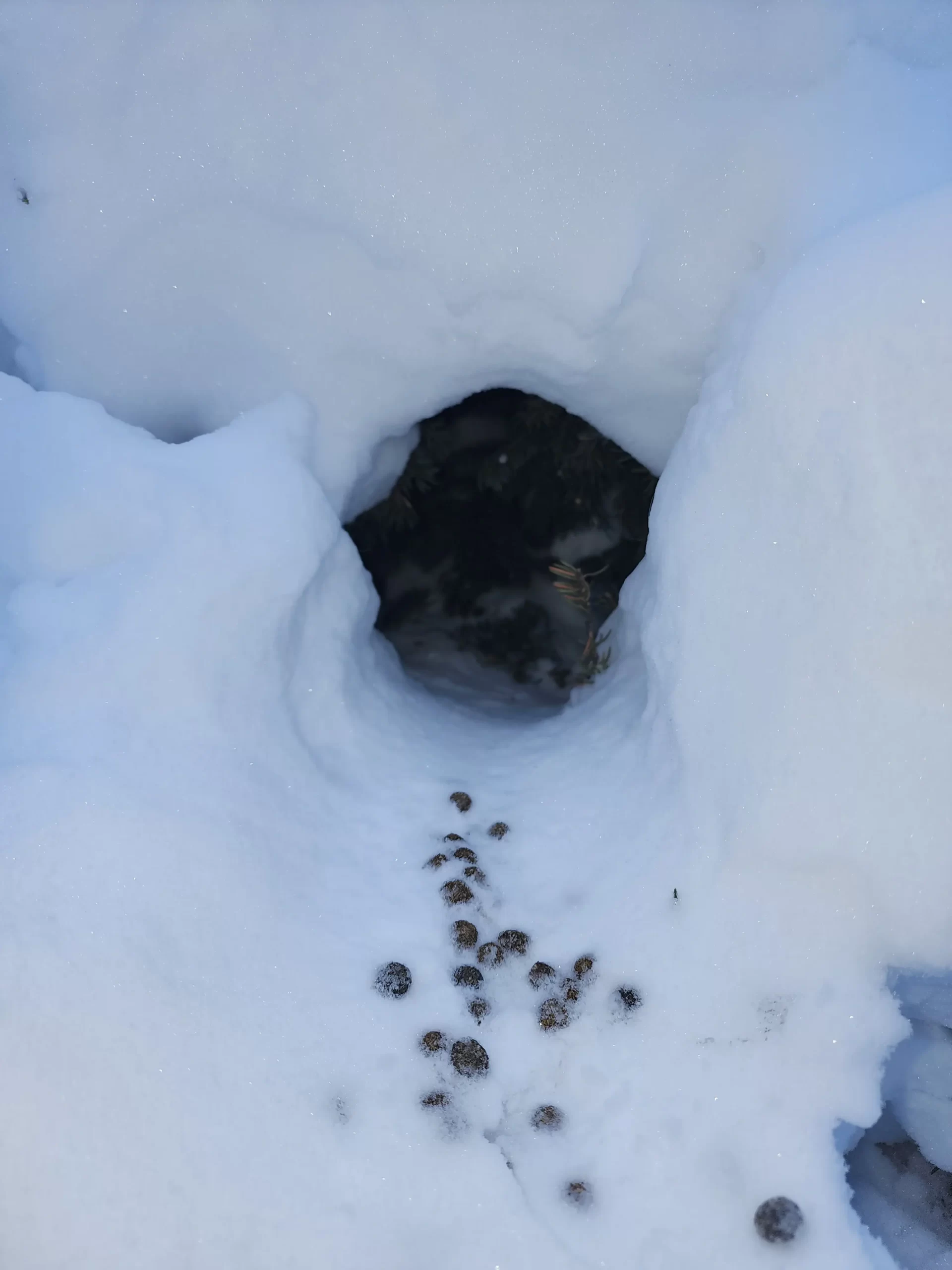
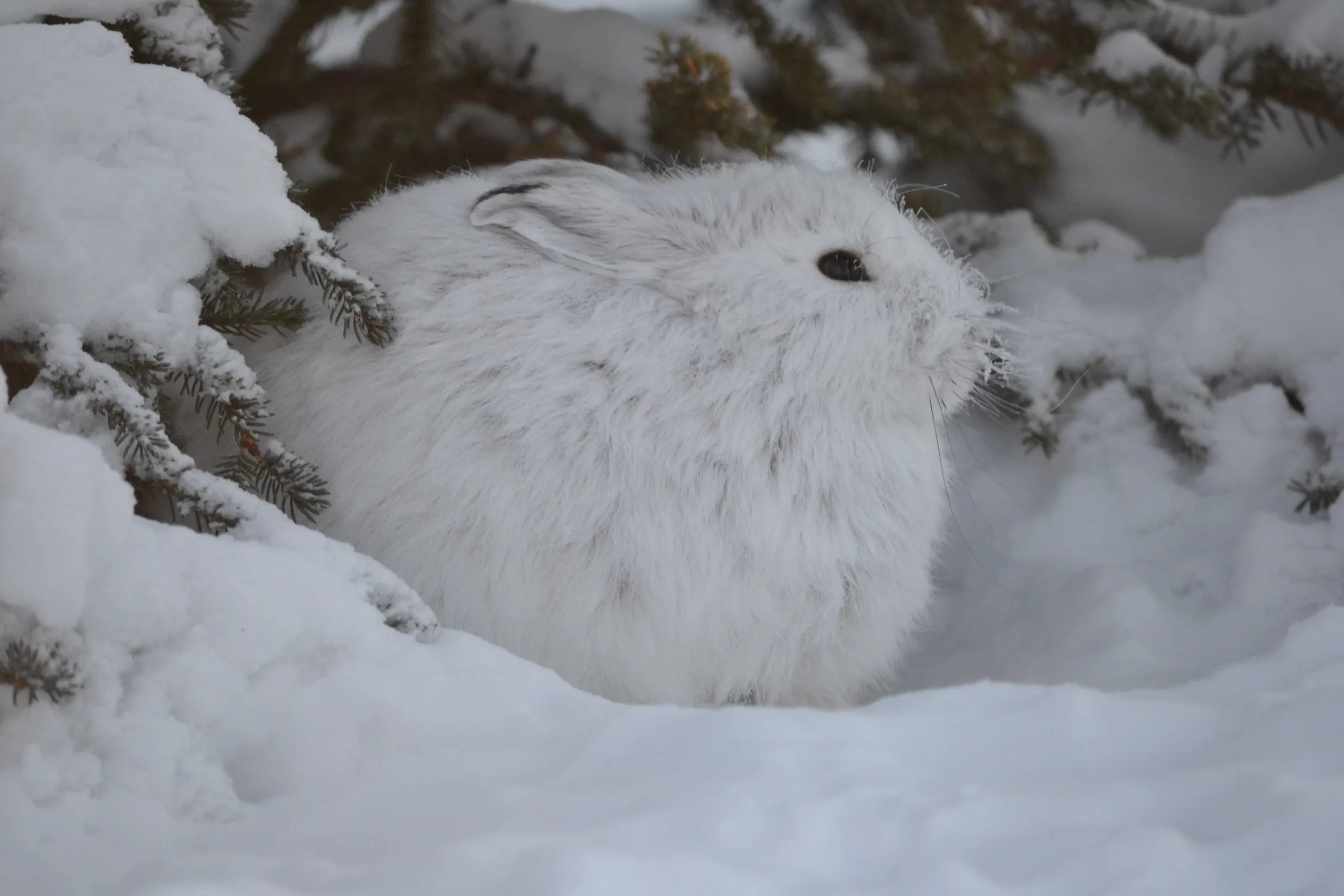
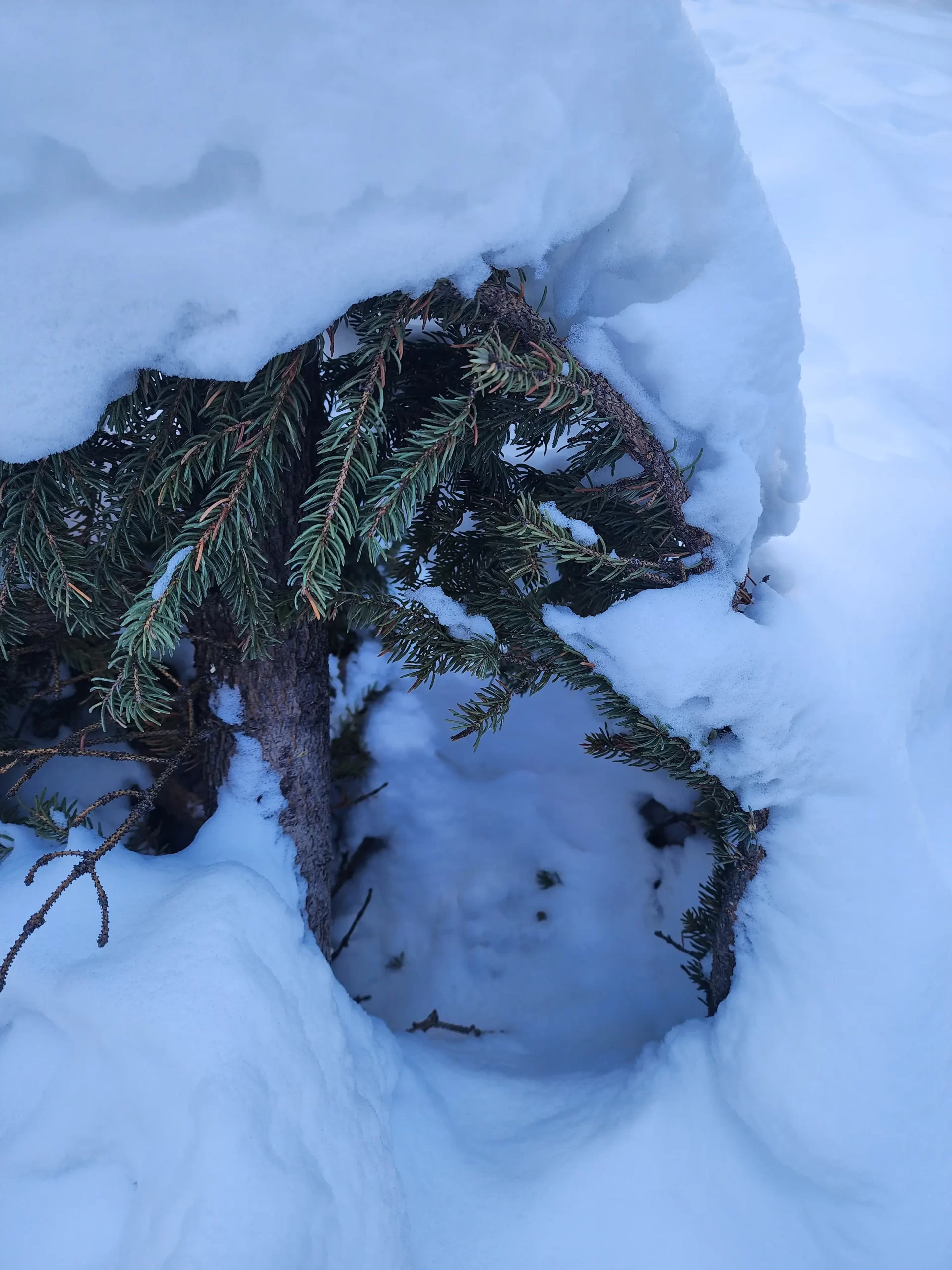
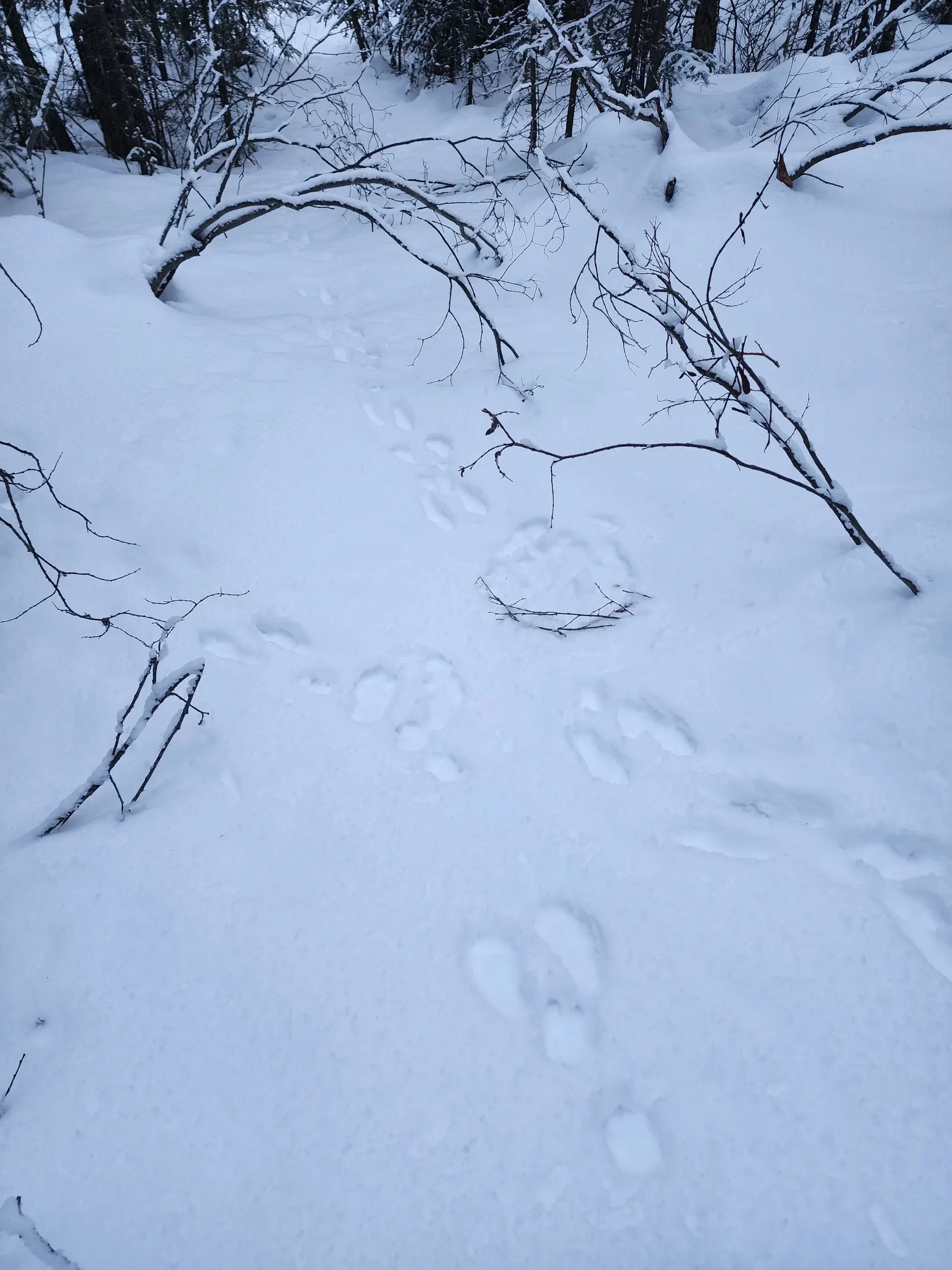
Both photos on the left show places where Snowshoe Hare have bed down. Photos on the right show a Snowshoe Hare and their prints.
Snowshoe hares spend their entire lives above the ground. Their large furry feet let them move easily across the snow and their white fur helps hide them from predators. They will burrow down under the snow a short way to feed on dry grasses from fall and snuggle down into the snow against a tree trunk to keep warm during colder weather.
In very cold weather grouse and ptarmigan access the world under the snow to stay warm. Grouse by flying straight into the snow cover, ptarmigan burrowing or flying into snowbanks up to a foot, sometimes in groups, creating sheltered roosts to last out the storm or the severe cold.
Predators such as foxes, coyotes, weasels and owls hunt the little ones under the snow. Weasels enter the tunnels directly to hunt, the others use their sharp hearing, listening for rustling noises as the ones under the snow scurry about, before pouncing on them.
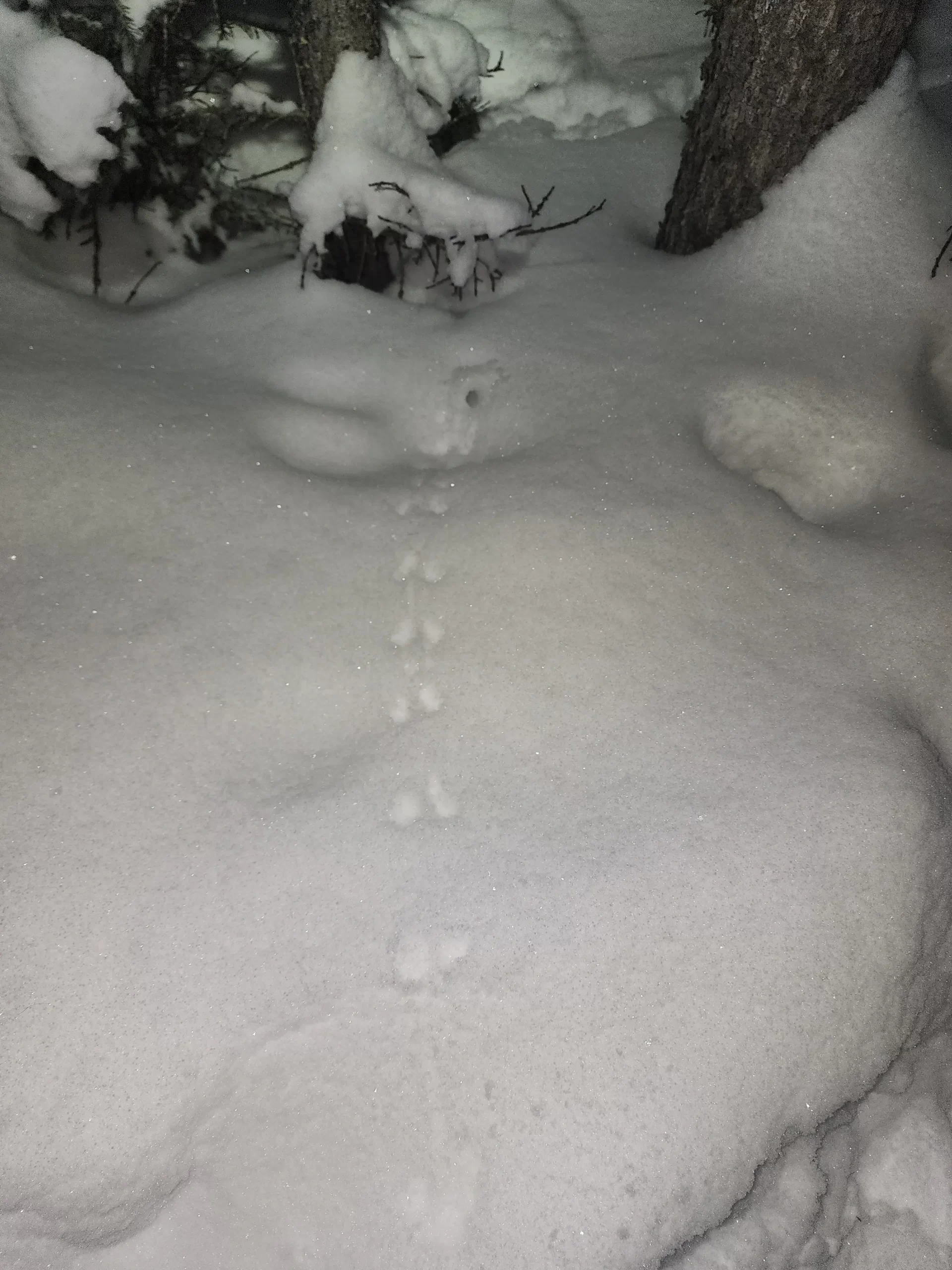
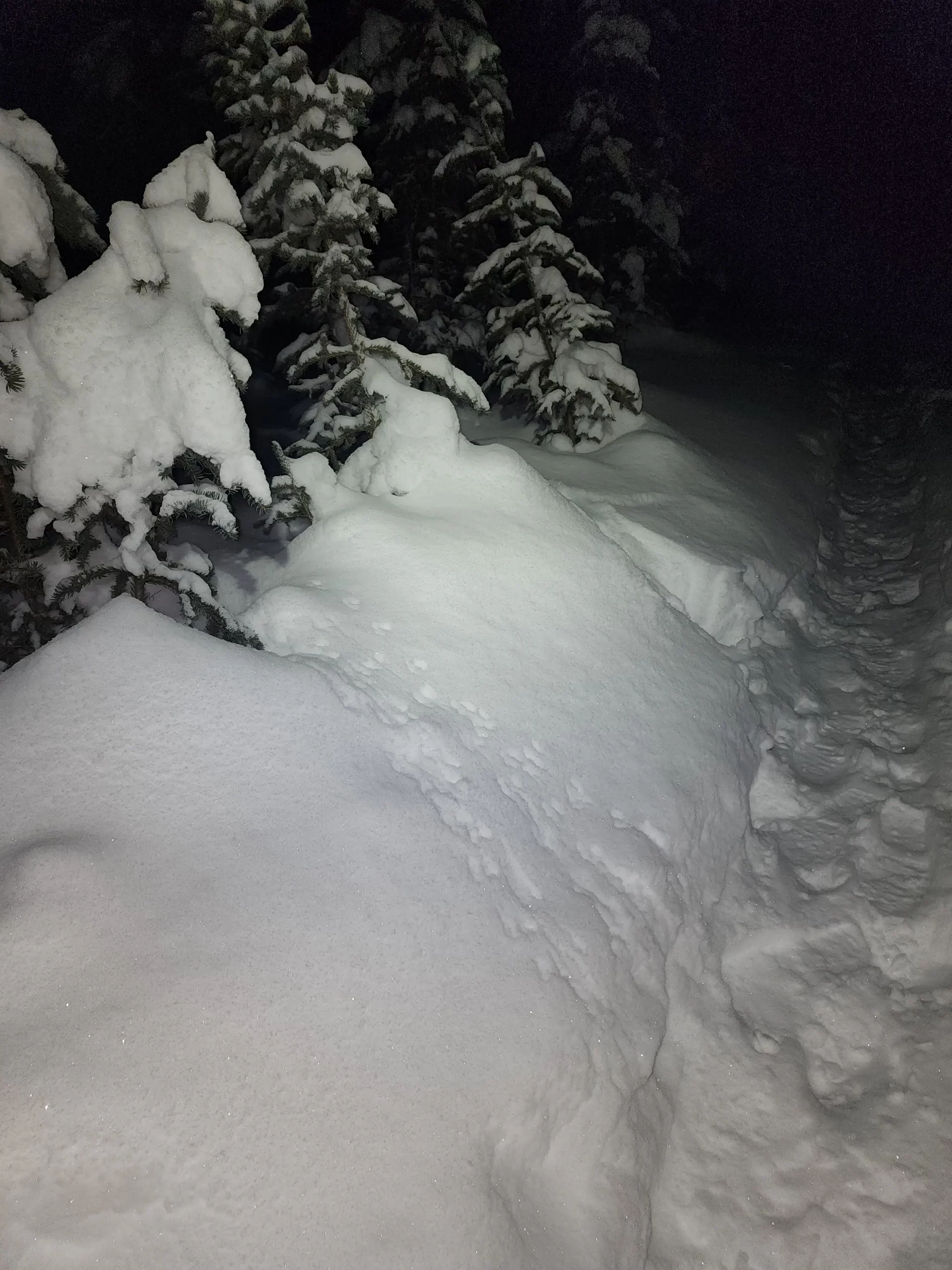
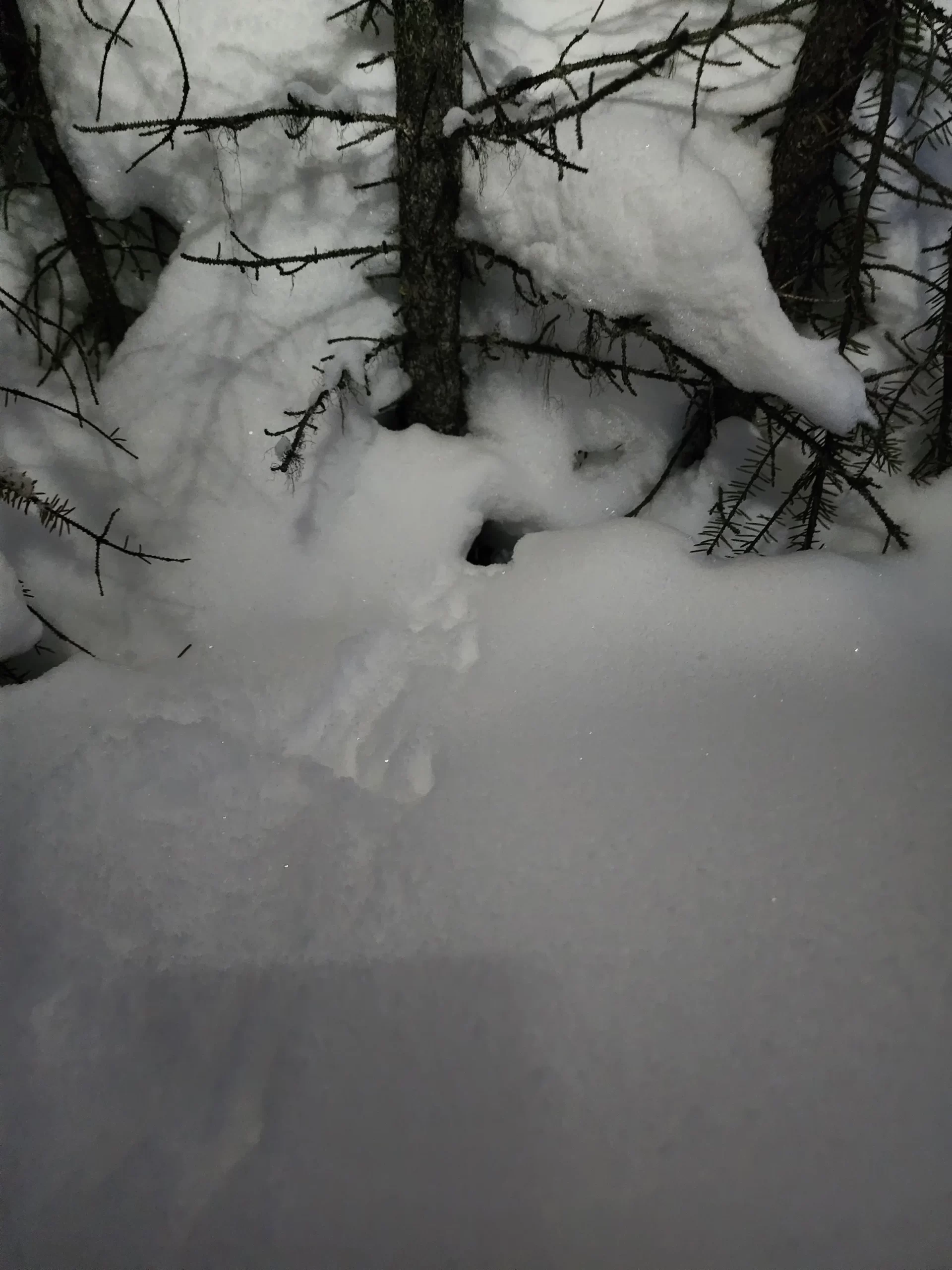
Photos above (taken at night) show tiny mouse prints leading from one snowy hideaway to another.
So next time the snow is sifting softly down as you gaze out the window, recall there are actually two worlds out there, one on top and one under the snow.
References:
Shrews shrink in winter and regrow in spring October 23, 2017
How do chipmunks prepare for and live through winter? February, 5, 2026

Pete Neilson
Wildlife Interpreter
'Sir' Pete grew up in suburban Southern Ontario north of Toronto. In the late 80's, he followed the lure of London and Service to the Yukon. 'Sir' Pete has lived off grid in the Yukon all along from a wall tent and later a tepee in his earlier years and now a small cabin near Twin lakes. He guided wilderness canoe trips many years in the 90's and early 2000's and got his first sled dog in ’91; currently he has 15 dogs for recreational mushing. 'Sir' Pete enjoys being at home or out with his dogs as much as he can.
0 Comments