The World Under the Snow

The World Under the Snow

Month: March 2026

by Pete Neilson | Mar 25, 2026 | 0 comments

2 minute read -

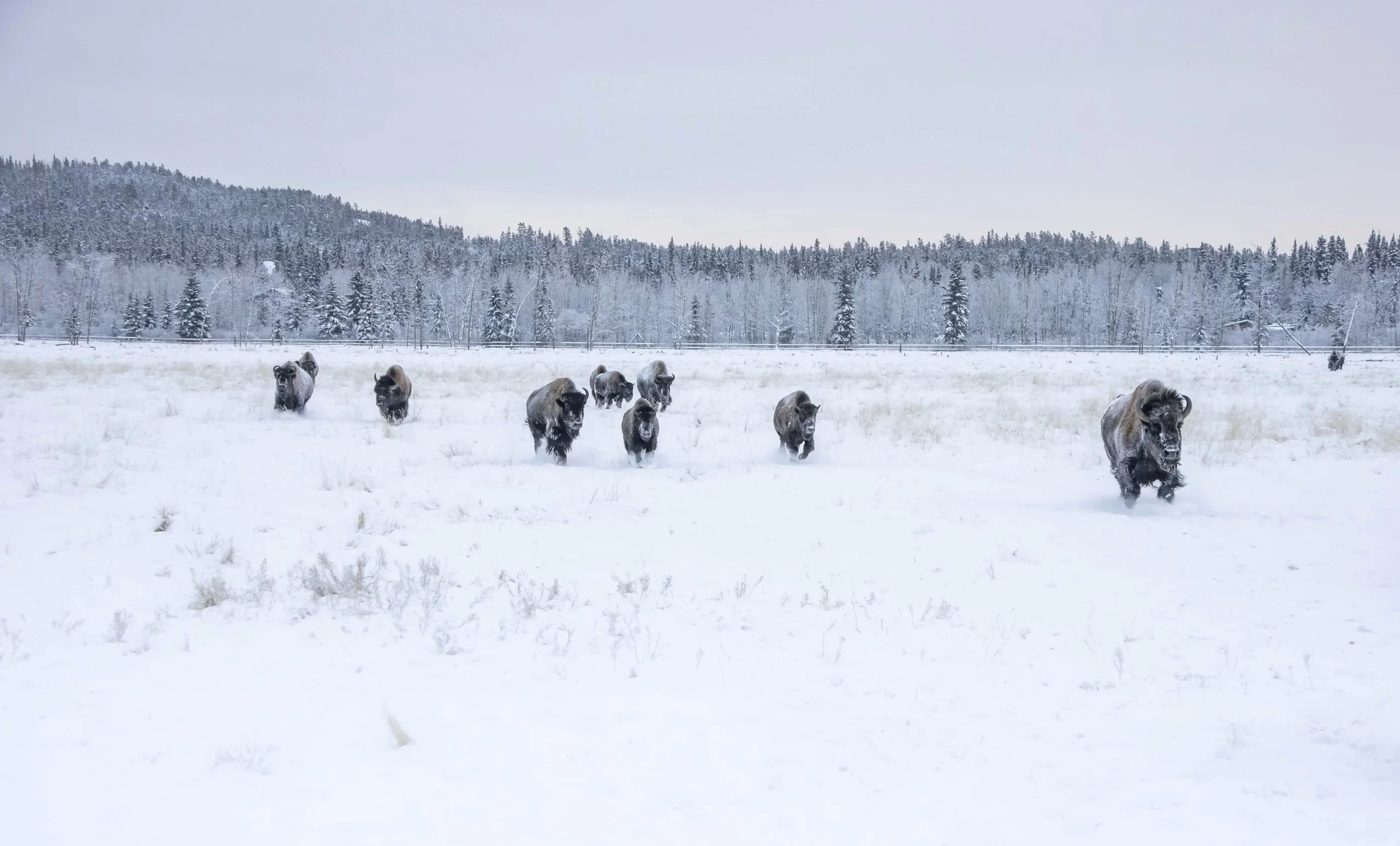
After Whitehorse’s snowiest December on record along with a stretch of record-breaking cold (with temperatures dipping as low as -50°C across much of the Yukon) a person might wonder how animals get through it all. Even now, as of the end of March, all of the Yukon still sits under feet of snow.

Many bird species migrate, bears and ground squirrels hibernate, those that winter on top of the snow grow thick winter coats for extra insulation but what about the tiny animals like mice, voles and shrews?
Mice, voles and shrews cannot hibernate as their bodies are too small to retain heat without eating constantly. Shrews, small insect eating mammals, are especially vulnerable; their metabolism is so high they potentially need to consume as much as 3 times their body weight\day to survive. However, they have also evolved a very unique strategy; they actually shrink their body size, including brain and internal organs, in order to require less energy. 

We often hear the phrase ‘a blanket of snow’. Well does it really act as a blanket? Yes. Snow is a good insulator. Once snow depth reaches 6 inches or more it creates a warmer, more humid and wind free environment right at ground level. The temperature remains close to 0C, (32F) all winter. Fluffy, fresh snow (containing lots of trapped air) insulates better then icy or compacted snow. An old timer winter travel tip is to warm your feet by sitting with them under the snow at rest stops or while you eat.

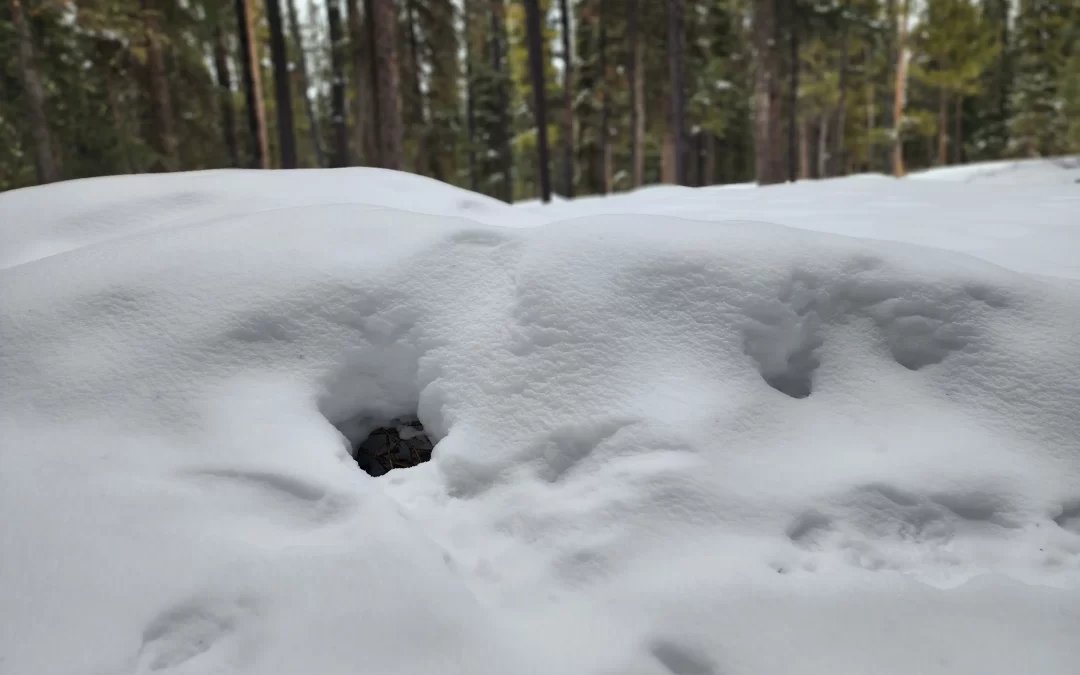
Squirrel prints lead to and from a hole in the snow. Beneath lies a fallen tree, creating a haven for small mammals.

Technically this zone under the snow is called the subnivean zone (sub=under, nivean=snow). This world under the snow provides a more stable environment than up at the surface, warmth from the ground helps crystallize the snow creating a small space right at ground level where the smaller critters can live during winter. Mice and voles store food (seeds, berries etc.), often making nests near their food caches living eating and sleeping under the snow. They also create a network of tunnels to move about and search for yet more food.

Chipmunks are a special case. They spend the winter in underground burrows, where they store large amounts of food to last them through the winter but they do not actually hibernate. They enter what is known as torpor, a state much like hibernation, but where they wake up every few days or weeks to eat and relive themselves before returning to torpor. On a very warm sunny winter day you may even see them briefly out on top of the snow. 

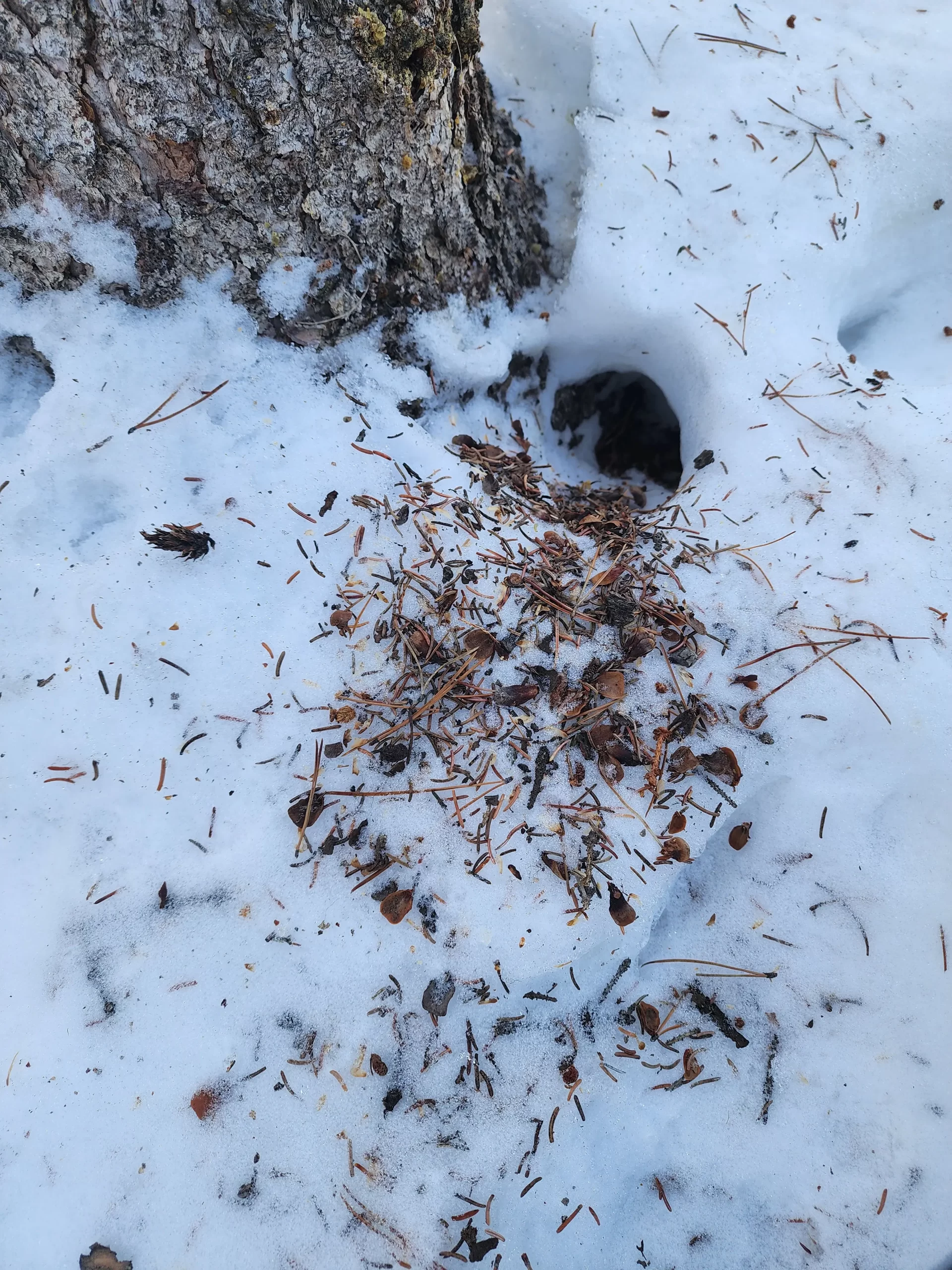
Red squirrels store food under the snow and dig down to get at it, but they don’t live under it. They create large middens of seed cones from pine and spruce during fall at the base of trees for their winter food. They also hide mushrooms in the branches of trees. They sleep in nests of dried grasses woven into large balls up in the trees.
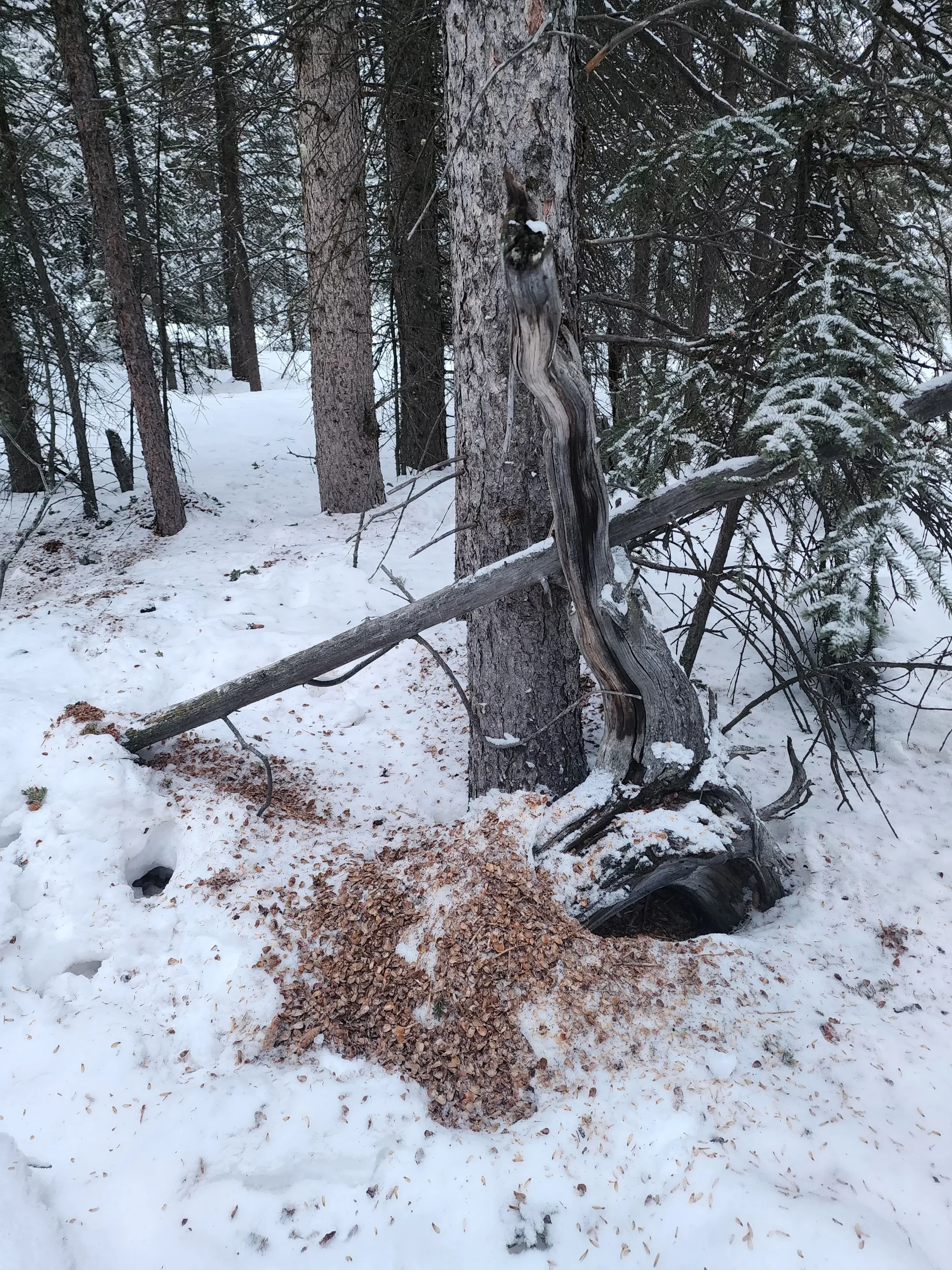
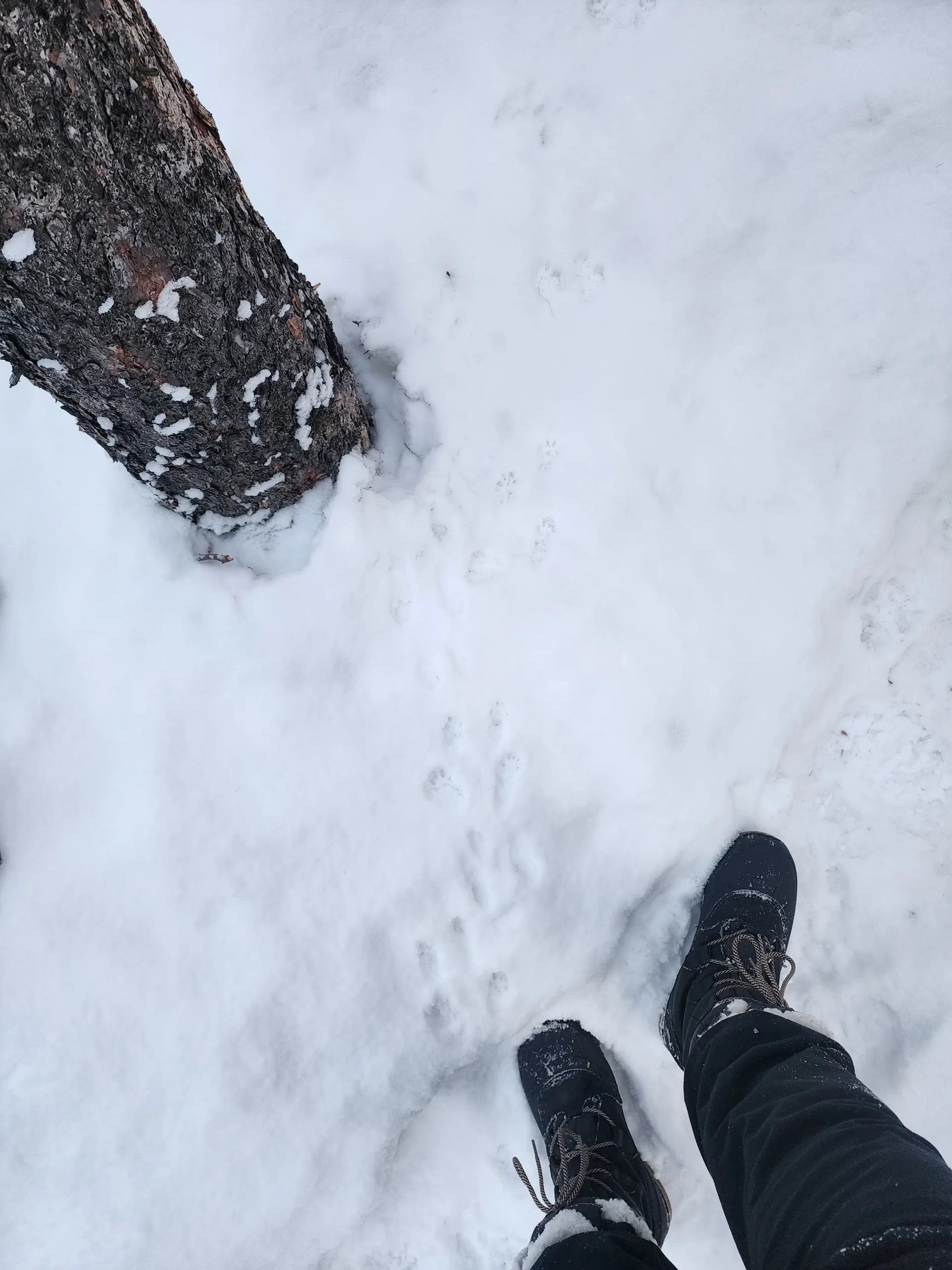
The photos on the left and right demonstrate squirrel middens. The photo in the middle shows squirrel prints in the snow.
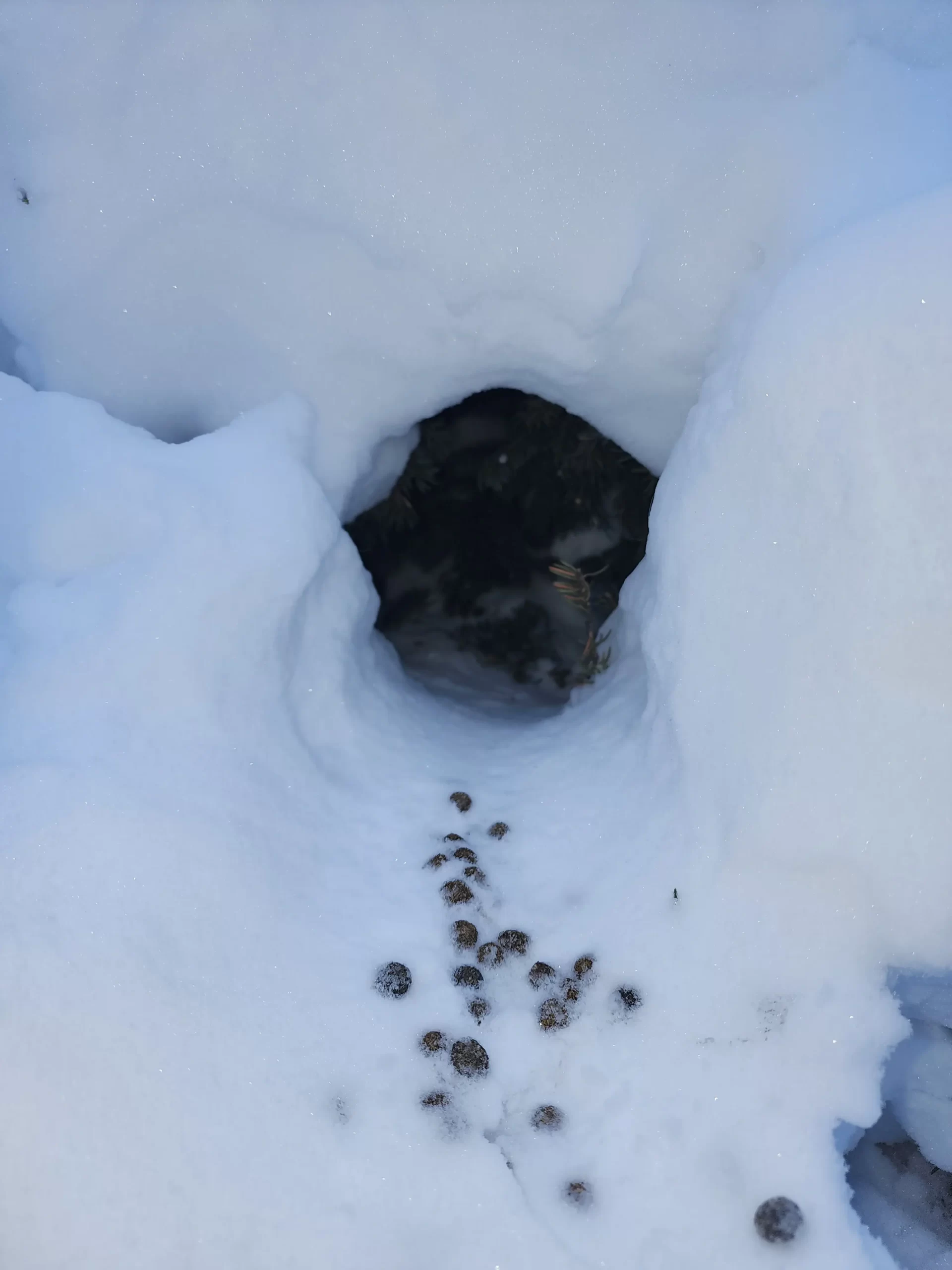
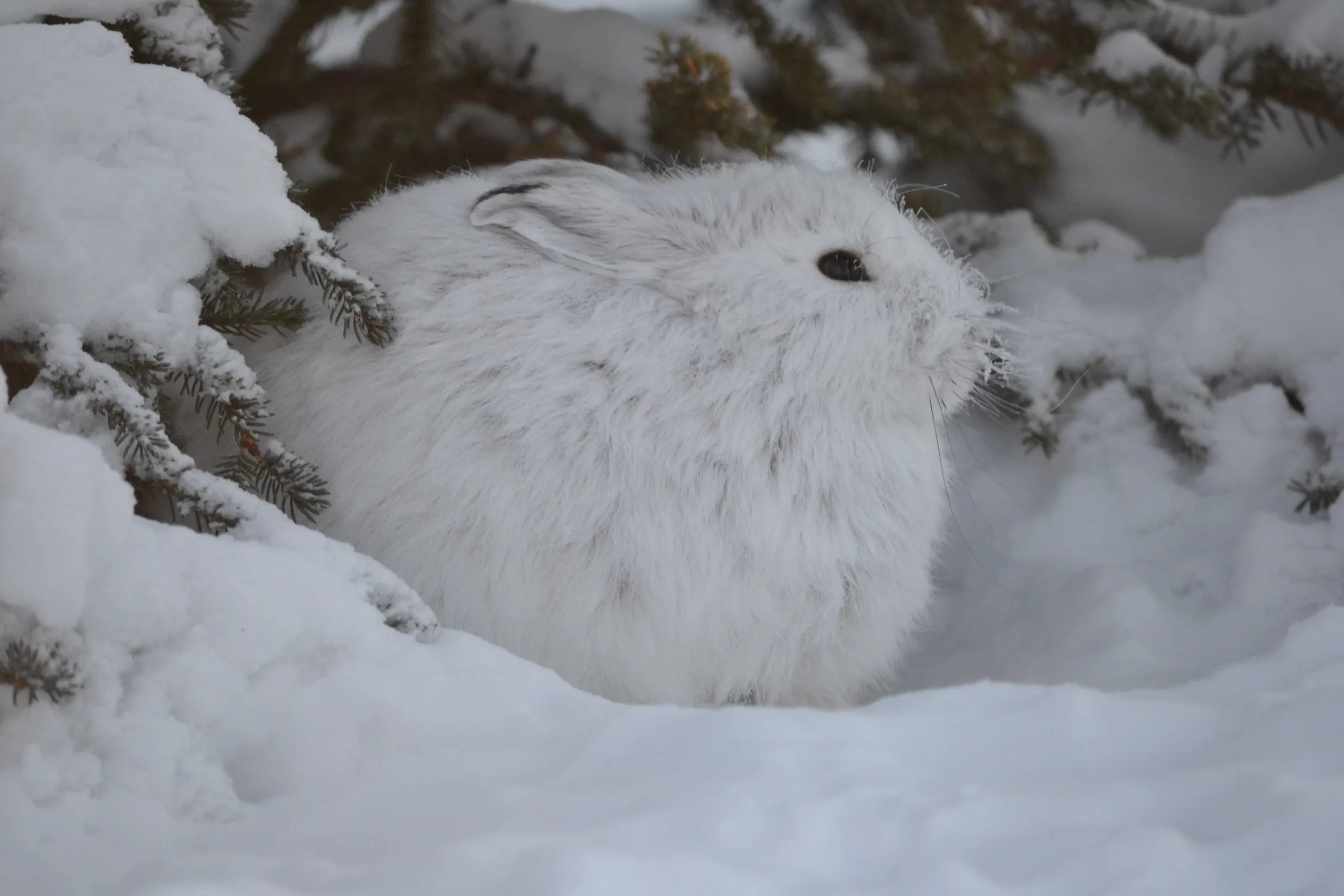
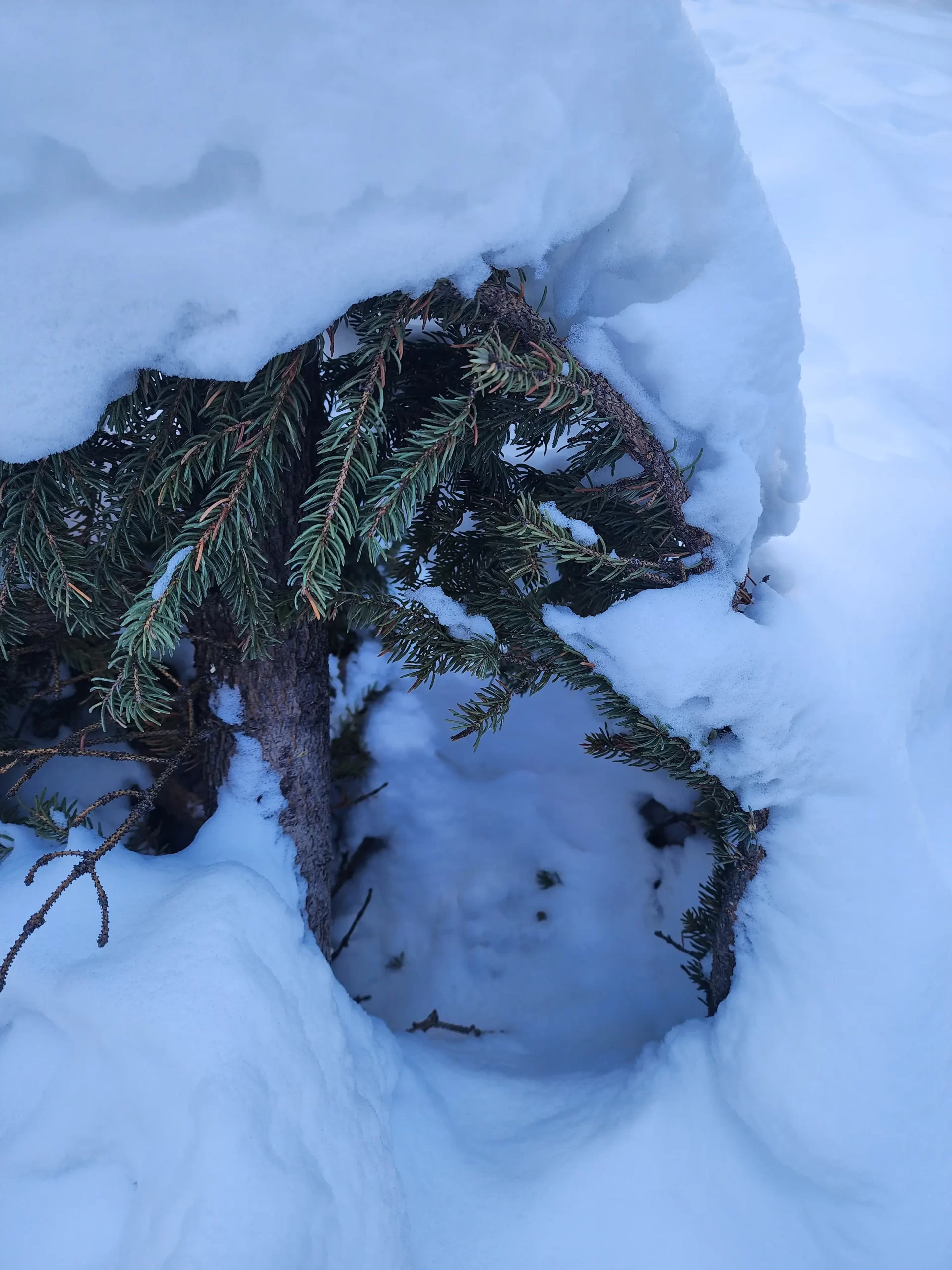
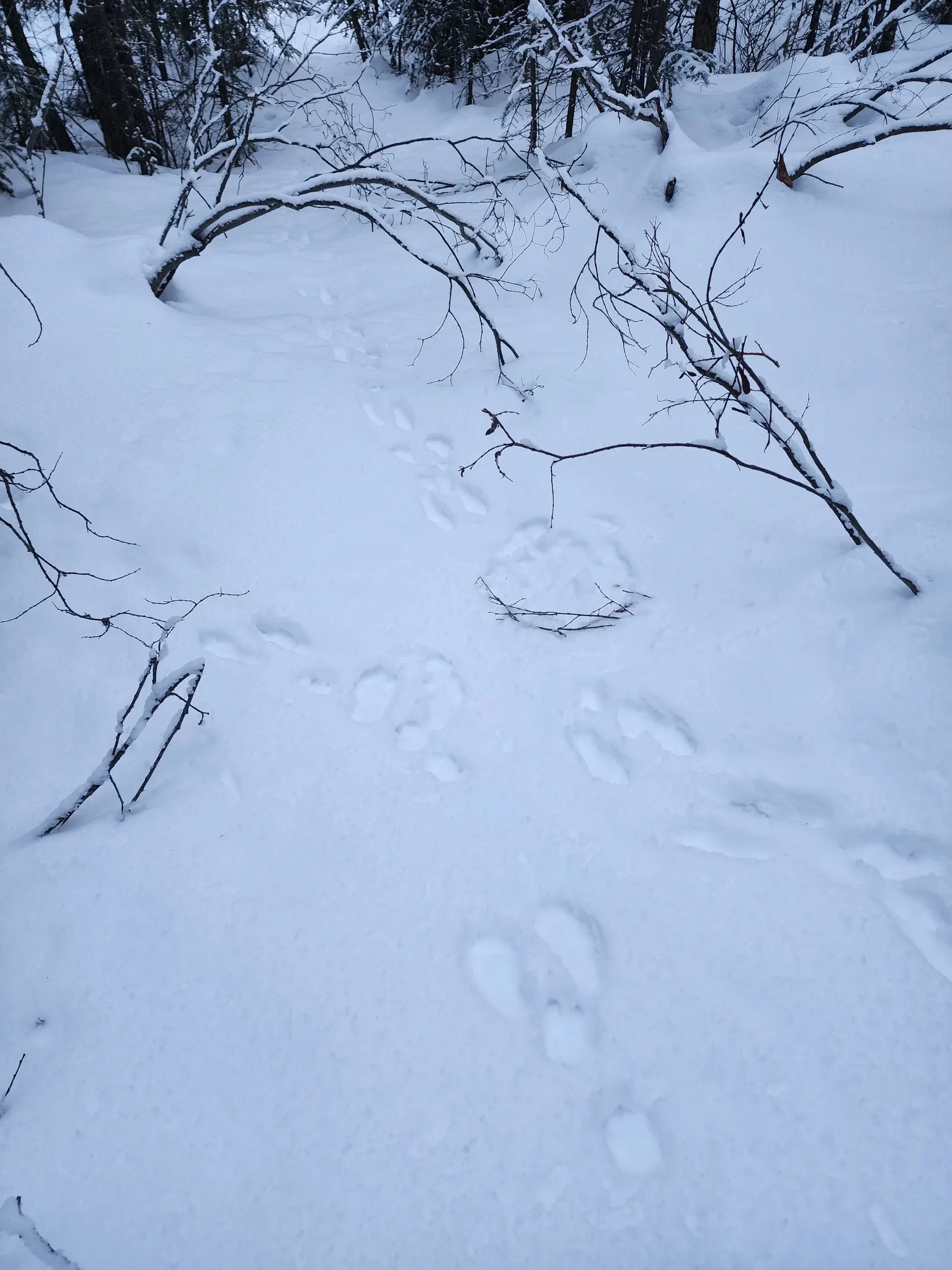
Both photos on the left show places where Snowshoe Hare have bed down. Photos on the right show a Snowshoe Hare and their prints.

Snowshoe hares spend their entire lives above the ground. Their large furry feet let them move easily across the snow and their white fur helps hide them from predators. They will burrow down under the snow a short way to feed on dry grasses from fall and snuggle down into the snow against a tree trunk to keep warm during colder weather.

In very cold weather grouse and ptarmigan access the world under the snow to stay warm. Grouse by flying straight into the snow cover, ptarmigan burrowing or flying into snowbanks up to a foot, sometimes in groups, creating sheltered roosts to last out the storm or the severe cold.

Predators such as foxes, coyotes, weasels and owls hunt the little ones under the snow. Weasels enter the tunnels directly to hunt, the others use their sharp hearing, listening for rustling noises as the ones under the snow scurry about, before pouncing on them.
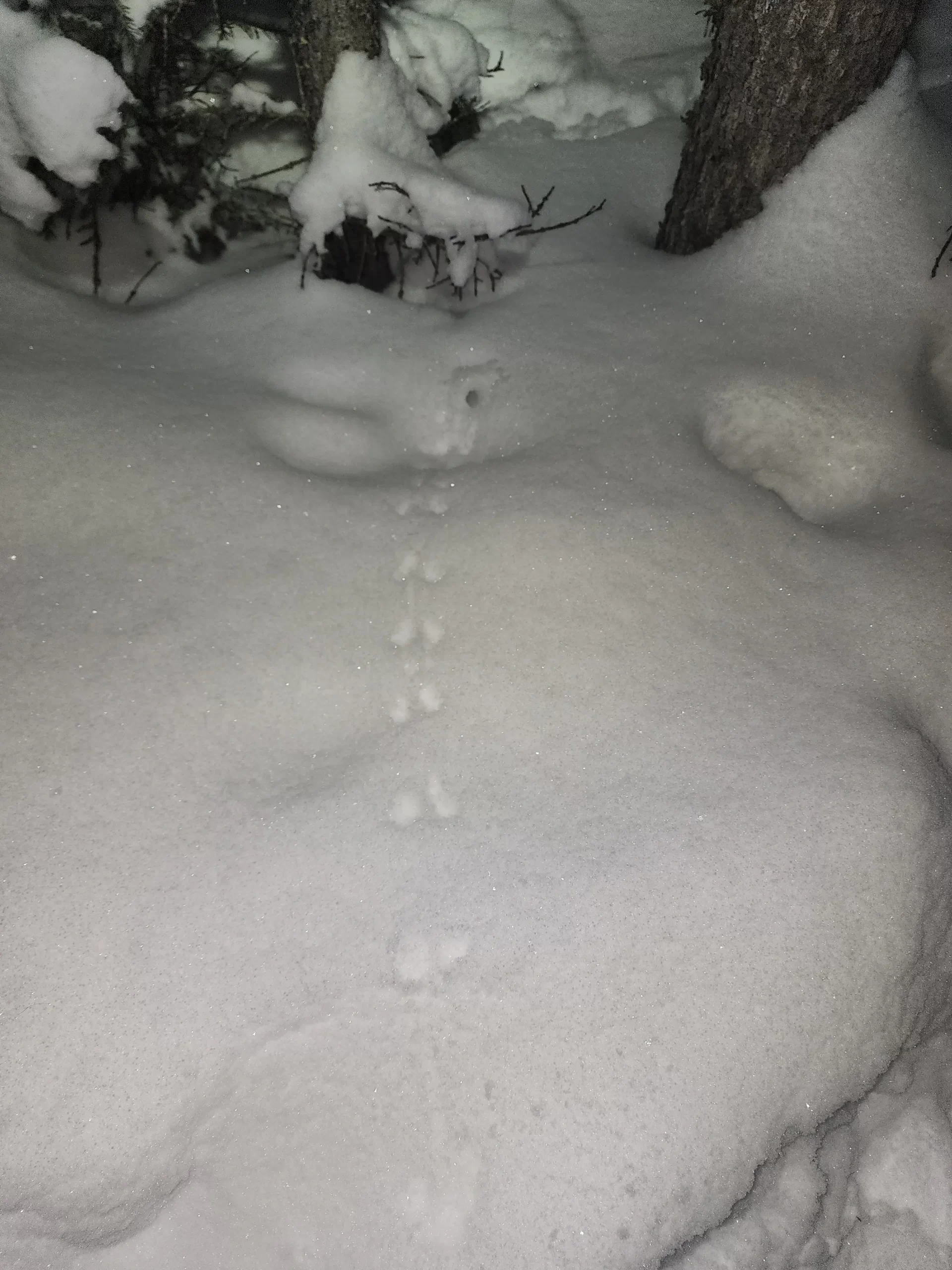
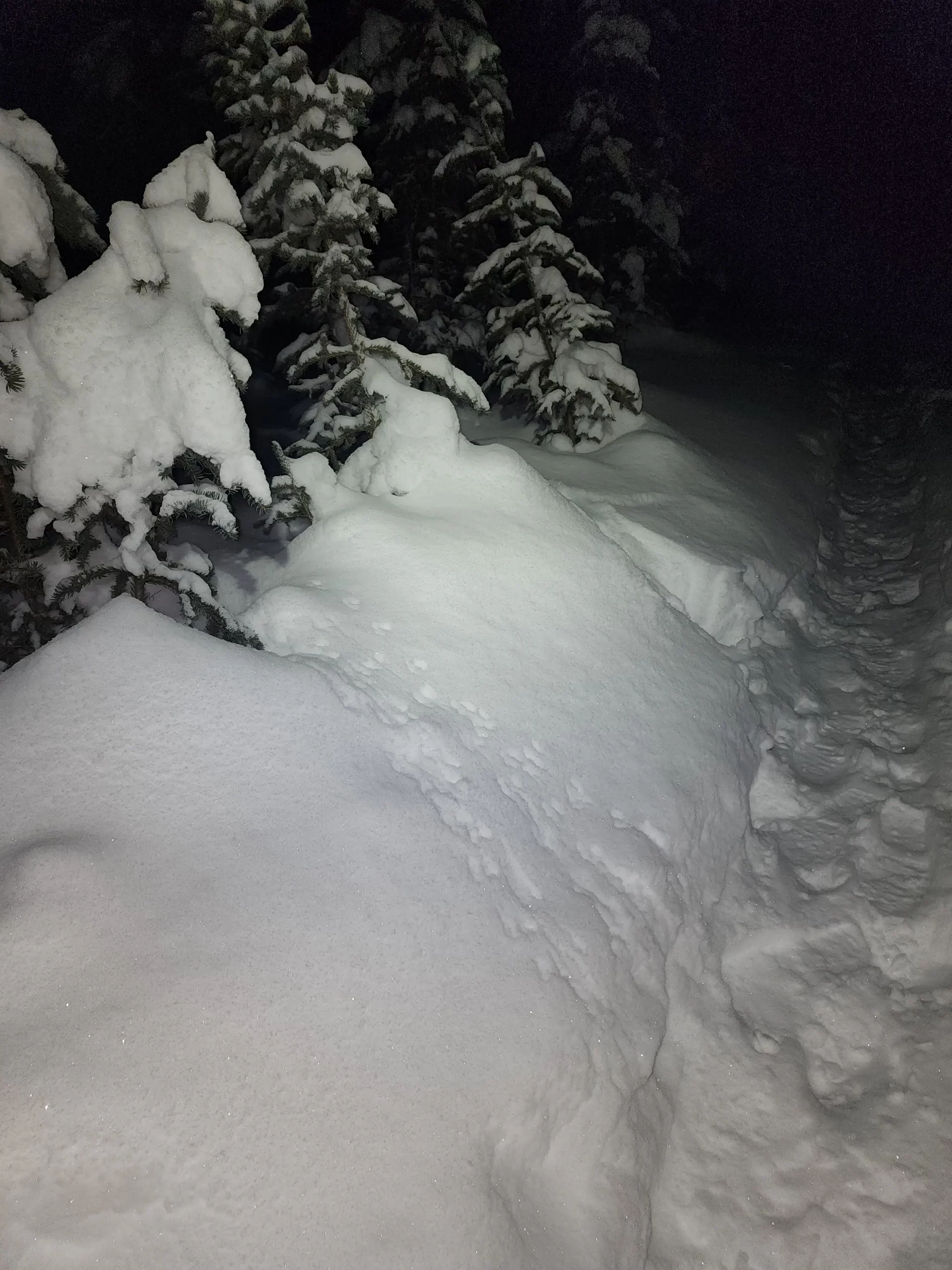
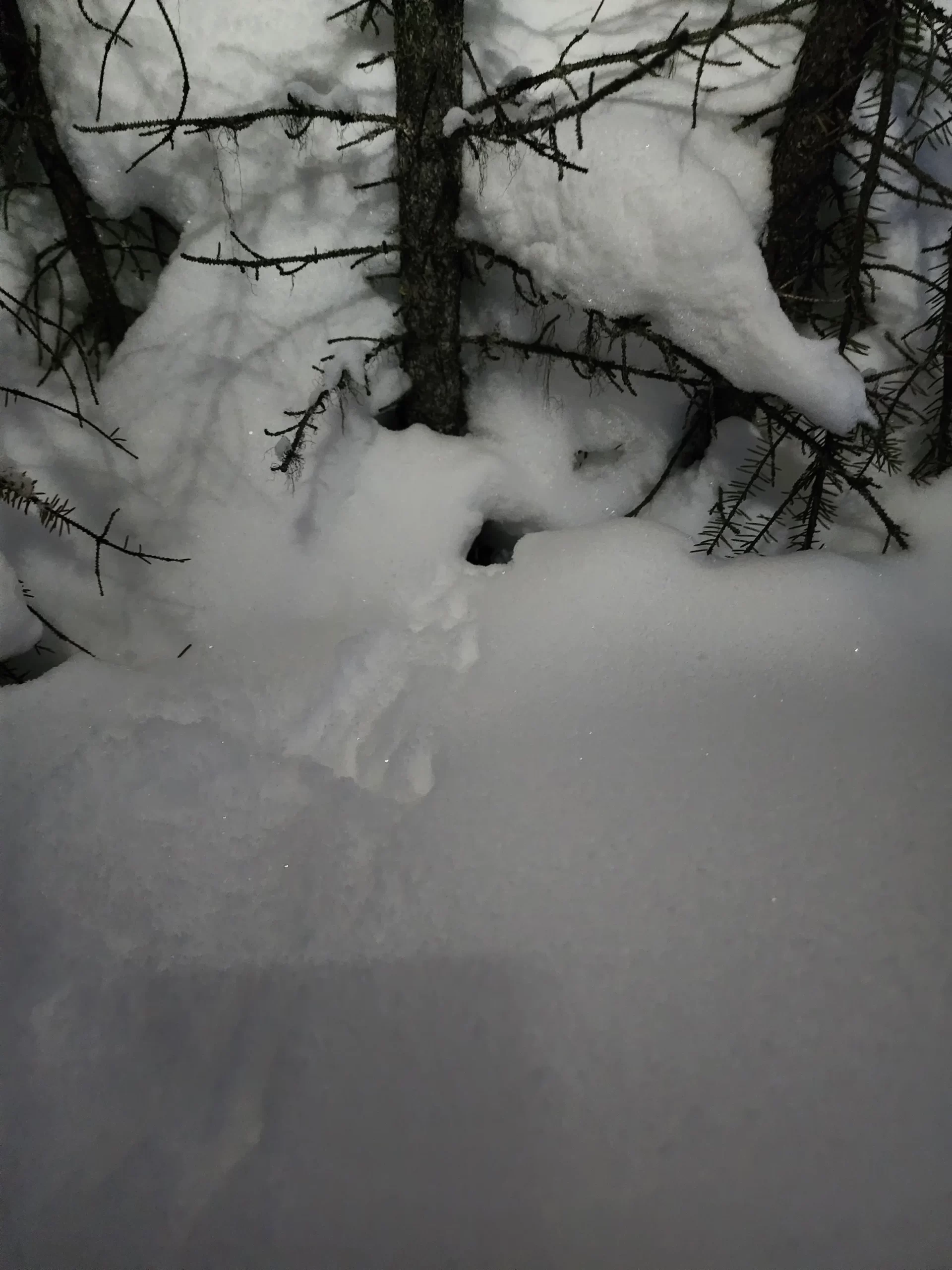
Photos above (taken at night) show tiny mouse prints leading from one snowy hideaway to another.

So next time the snow is sifting softly down as you gaze out the window, recall there are actually two worlds out there, one on top and one under the snow.

Pete Neilson

Pete Neilson

Wildlife Interpreter

'Sir' Pete grew up in suburban Southern Ontario north of Toronto. In the late 80's, he followed the lure of London and Service to the Yukon. 'Sir' Pete has lived off grid in the Yukon all along from a wall tent and later a tepee in his earlier years and now a small cabin near Twin lakes. He guided wilderness canoe trips many years in the 90's and early 2000's and got his first sled dog in ’91; currently he has 15 dogs for recreational mushing. 'Sir' Pete enjoys being at home or out with his dogs as much as he can.


Explore by Category

Explore by Author

5 Wild Things to Do During the Arctic Winter Games

5 Wild Things to Do During the Arctic Winter Games

Month: March 2026

Mar 6, 2026

5 min read -

Make the Most of Your Arctic Winter Games Visit

Yukon is hosting the 2026 Arctic Winter Games this March.  The games celebrate northern strength, culture, and community. A visit to the Yukon Wildlife Preserve connects you directly to the land and animals that make this region so special.

If you’re heading north for the Arctic Winter Games, welcome to winter at its absolute best. While you’re supporting, cheering on athletes, spectating or you're an athlete yourself and celebrating northern sport, make time to experience the wild heart of the North at the Yukon Wildlife Preserve.

Between events, and after the games are over, carve out time for:

  1. Wildlife encounters

  2. Outdoor winter fun

  3. Local food

  4. Cultural experiences

  5. Rest and relaxation

We can’t wait to welcome you to the wild side of the Yukon.

An Uncanny Resemblance

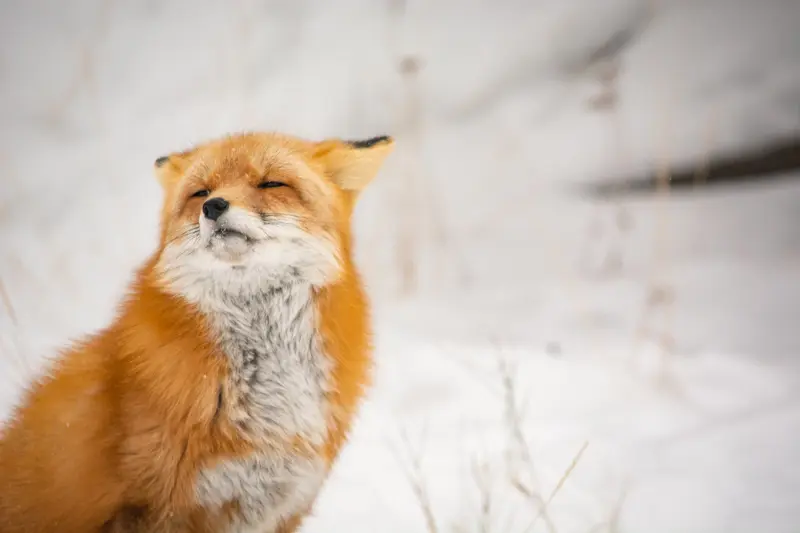
Meet the Arctic Winter Games mascot Michael Jay's cousin, in real life, in the flesh ... hmm, fur! Learn all about red foxes and the other wildlife that call the Yukon home.  

🦬 Explore at Your Own Pace: General Admission

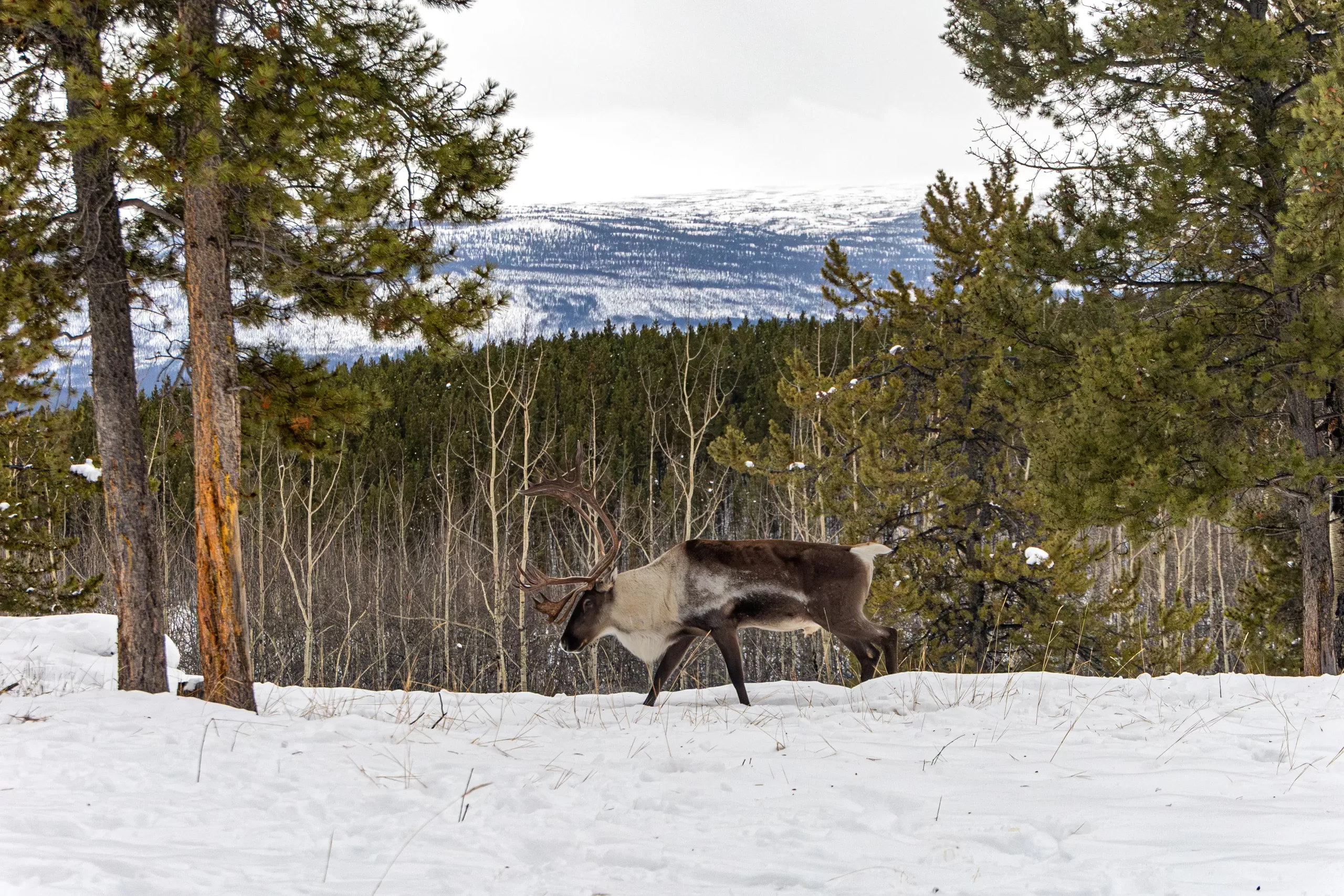
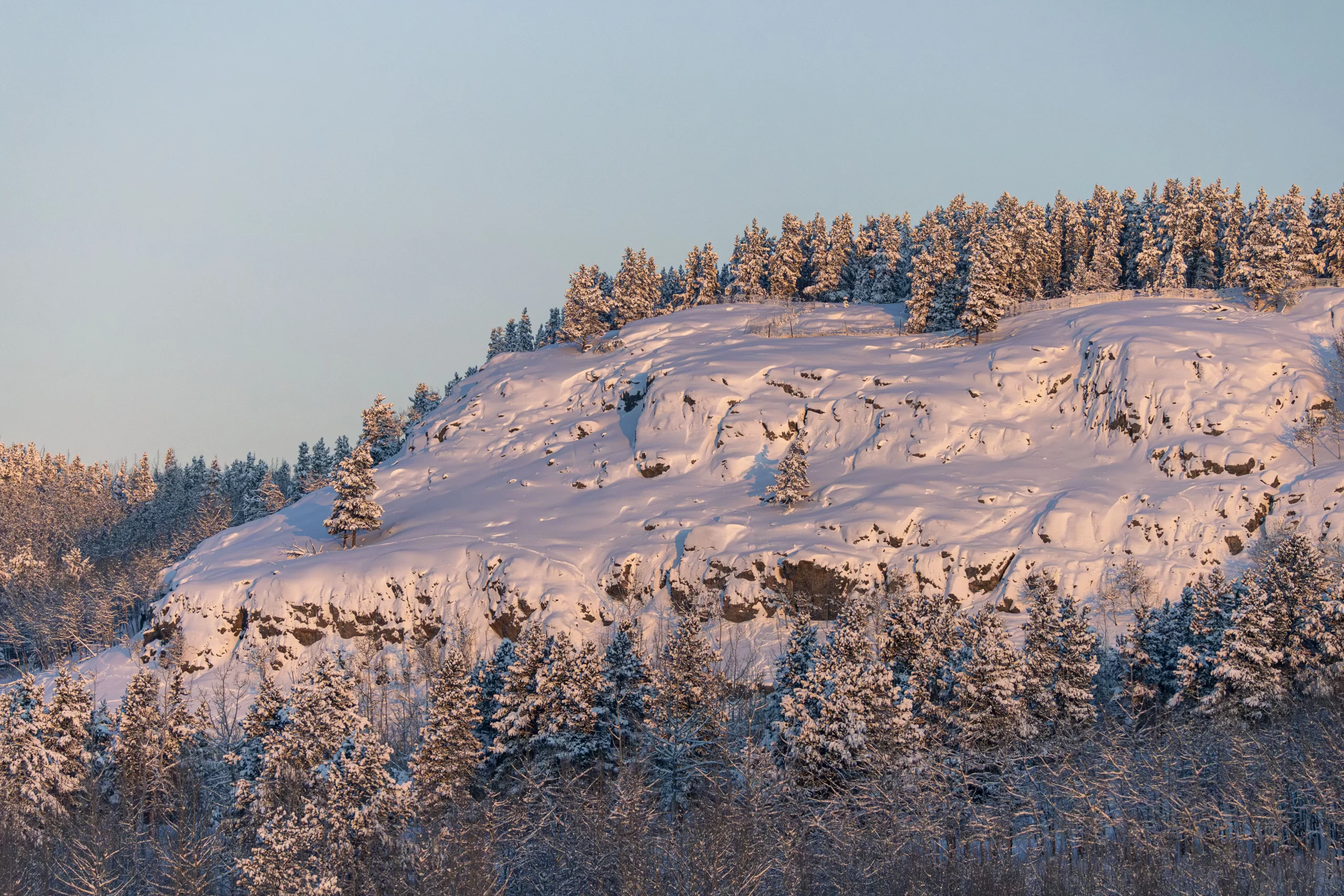
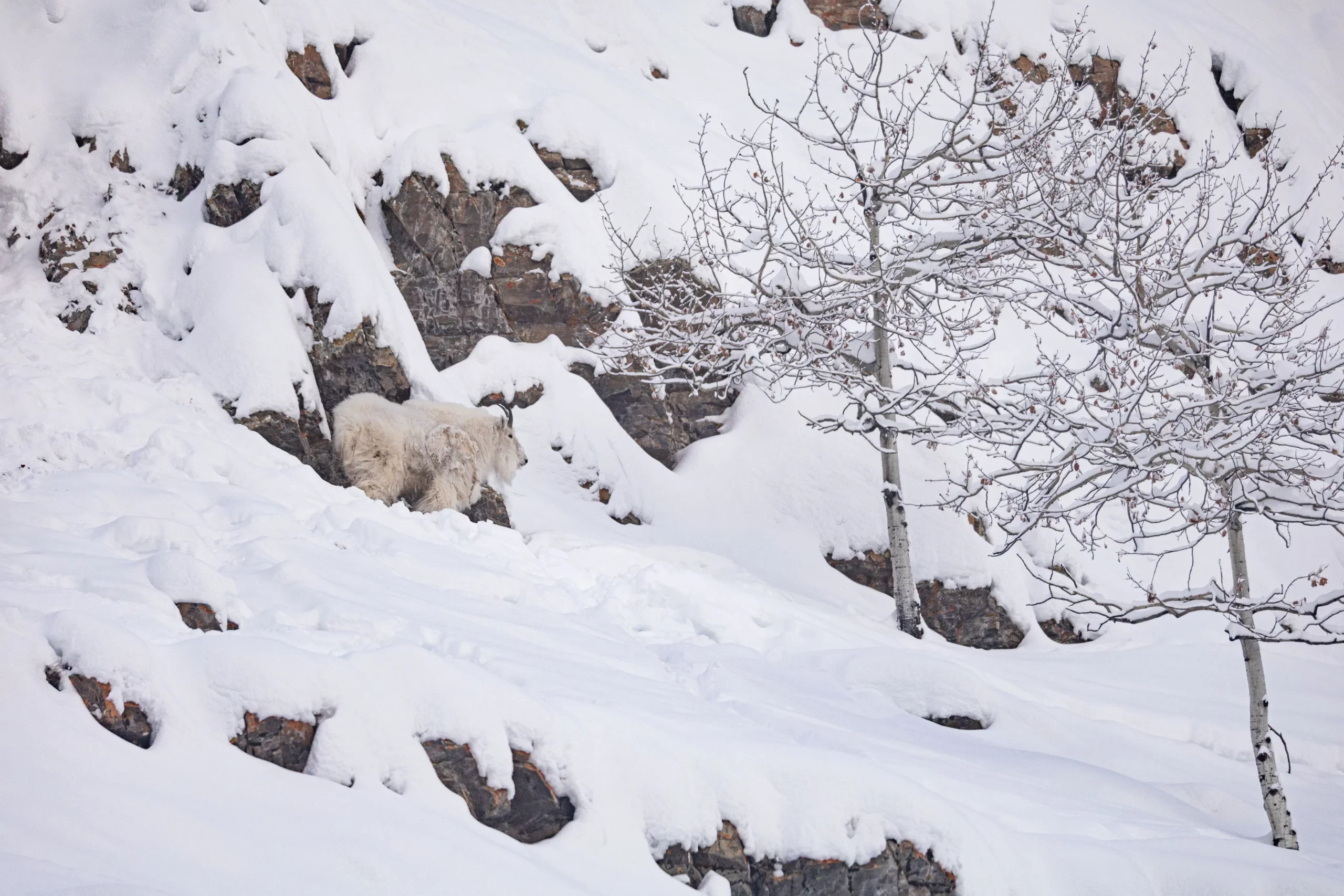
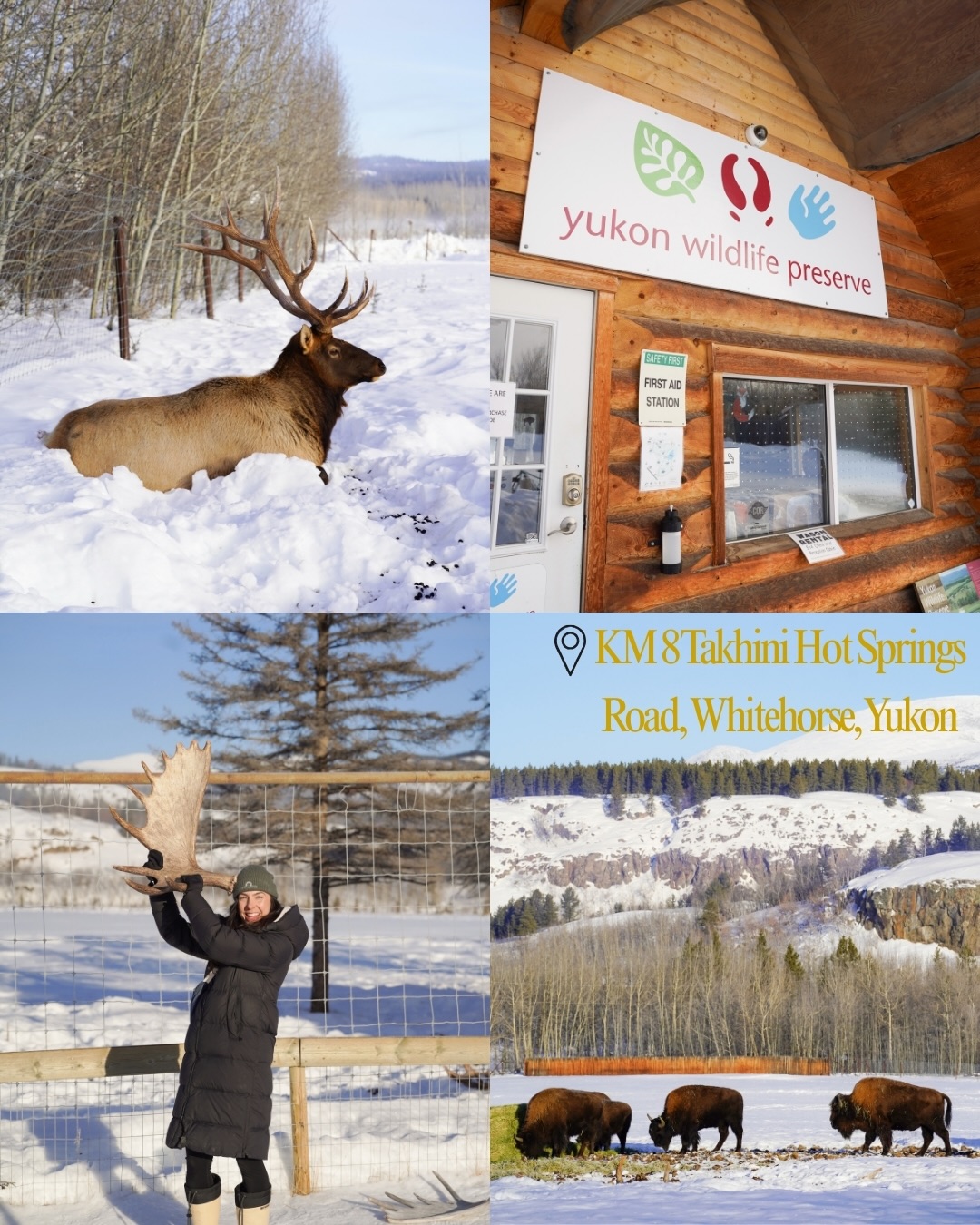
The classic experience lets you discover the Preserve’s 5km loop on foot, at your own pace, helping you get those 10,000 steps in. Wander through boreal forest, past towering cliffs and open snowy landscapes all while spotting Canadian iconic wildlife showing off their winter resilience:

 It’s self-guided, flexible, no need to book in advance (just show up between 11am - 5pm any day). And it's ideal for everyone - families, teams, and solo explorers.

❄️ Add-On Winter Fun: Rentals for the Whole Crew

Want to elevate your experience? Add a winter equipment rental to your visit.

  • Fat Bikes – cruise in style over snow-packed trails.

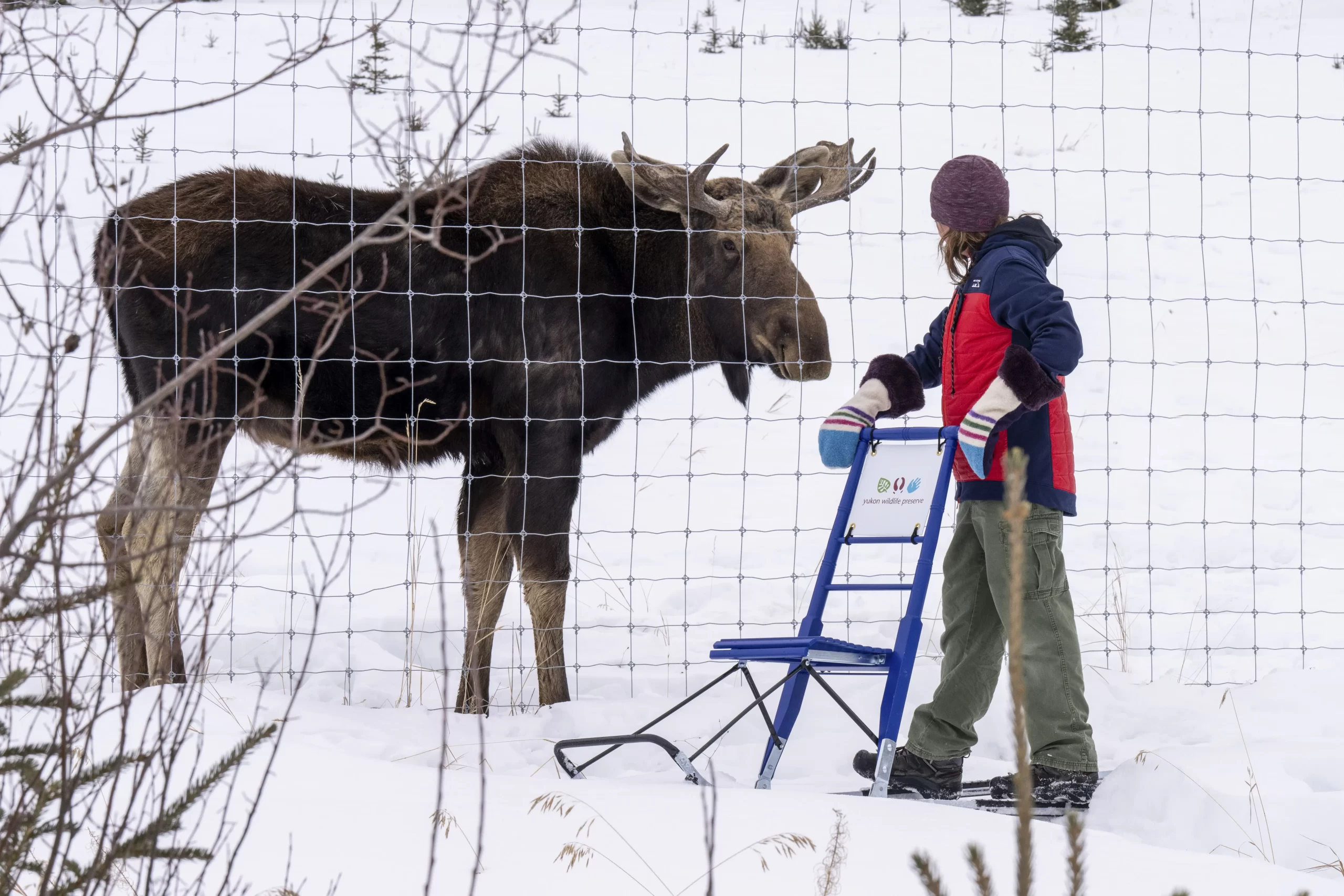
  • Kicksleds – A northern favourite that’s fun for all ages.

It’s an unforgettable way to explore the loop — and a great way to shake out your legs between Arctic Winter Games events.

🚌 Stay Warm with a Guided Bus Tour

Prefer a cozy, informative experience? Our Guided Bus Tour offers:

  • A heated, accessible ride around the full 5km loop

  • Expert interpretive commentary

  • Insider wildlife knowledge and stories

  • Incredible photo stops

  • 1.5 hour tour offered everyday at 12noon and 3pm

It’s ideal for visiting teams, families, and anyone wanting a deeper dive into Yukon wildlife ecology and encounters.

We recommend booking in advance as seats are limited. You can book online for your preferred date and time! 

🌟 Go Behind the Scenes: VIP Experiences

Looking for something extraordinary?

Our VIP experiences offer exclusive, private opportunities to connect with wildlife in a meaningful way. Depending on you selected tour, you may:

  • Meet animal care staff

  • Learn about wildlife rescue and rehabilitation stories

  • Experience up close, personalized behind-the-scenes access

  • View an animal feeding

Winter brings crisp air, frosted trees, and that magical northern light photographers dream about. If that's you, we suggest booking the Photo Adventure Tour.


• • •

📍 How to Get to the Yukon Wildlife Preserve

We’re located on the Traditional Territories of the Ta’an Kwäch’än Council and the Kwanlin Dün First Nation. We are out of city limits and surrounded by wide-open wilderness — but still easily accessible.

🚗 By Car 

  • 25 minutes from downtown Whitehorse

  • Free on-site parking

  • Clear highway signage

🚌 Transportation Options

If you’re visiting for the Arctic Winter Games without a vehicle, check our website’s transportation partners page for:

  • Local tour shuttle providers

  • Taxi services

  • Tour operators offering Preserve guided experiences

  • Rental cars

Many Arctic Winter Games visitors coordinate group transport — it’s worth asking your host committee or accommodations provider for options.

🔗 Visit our Getting Here page online for current transportation partners and directions.

• • •

🍴 Staff Favourites: Where to Eat & Explore in Whitehorse

After your wildlife adventure, fuel up like a local. Here are a few staff-approved recommendations:

🥩 Meat Lovers:

Smoke and Sow - If you’re craving bold flavours and serious barbecue, this is your stop. Perfect stop right in between the Preserve and downtown Whitehorse after all your exploring at the Preserve. 

🕯️ A Unique Yukon Experience:

Lumel Studios & Gather Cafe & Taphouse
Pair the immersive art-meets-dining experience at Lumel Studios with incredible local food and drink at Gather. It’s a creative Yukon combo.

🏛️ Dive into Yukon History

While you're exploring:

  • Beringia Interpretive Centre – Step back into the Ice Age and discover the story of the land bridge that shaped the land and the animals of the North.

  • MacBride Museum – Yukon history comes alive here. And when you visit, be sure to say hi to Doug for us!

☕ The Takhini Hot Springs Road Trifecta

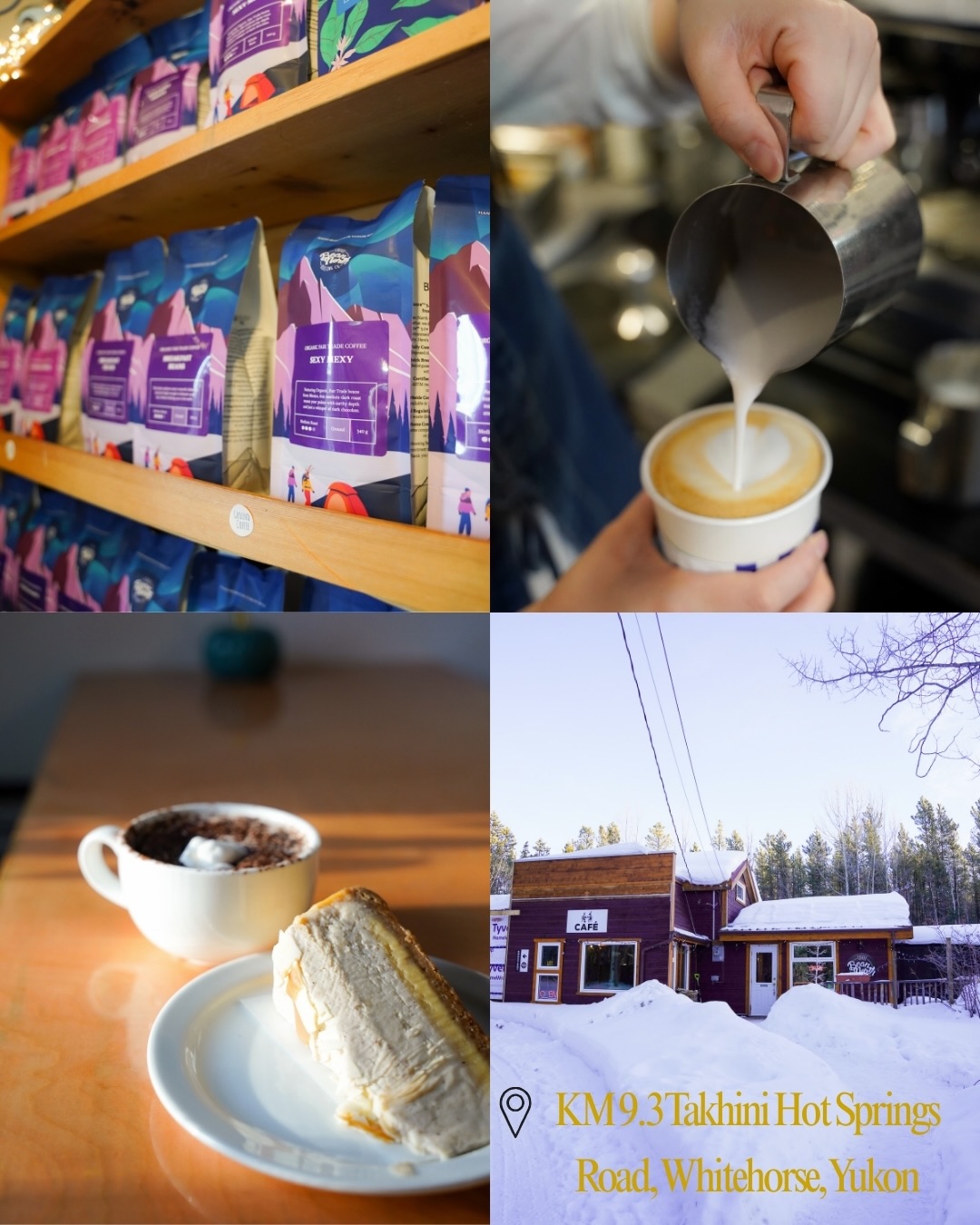
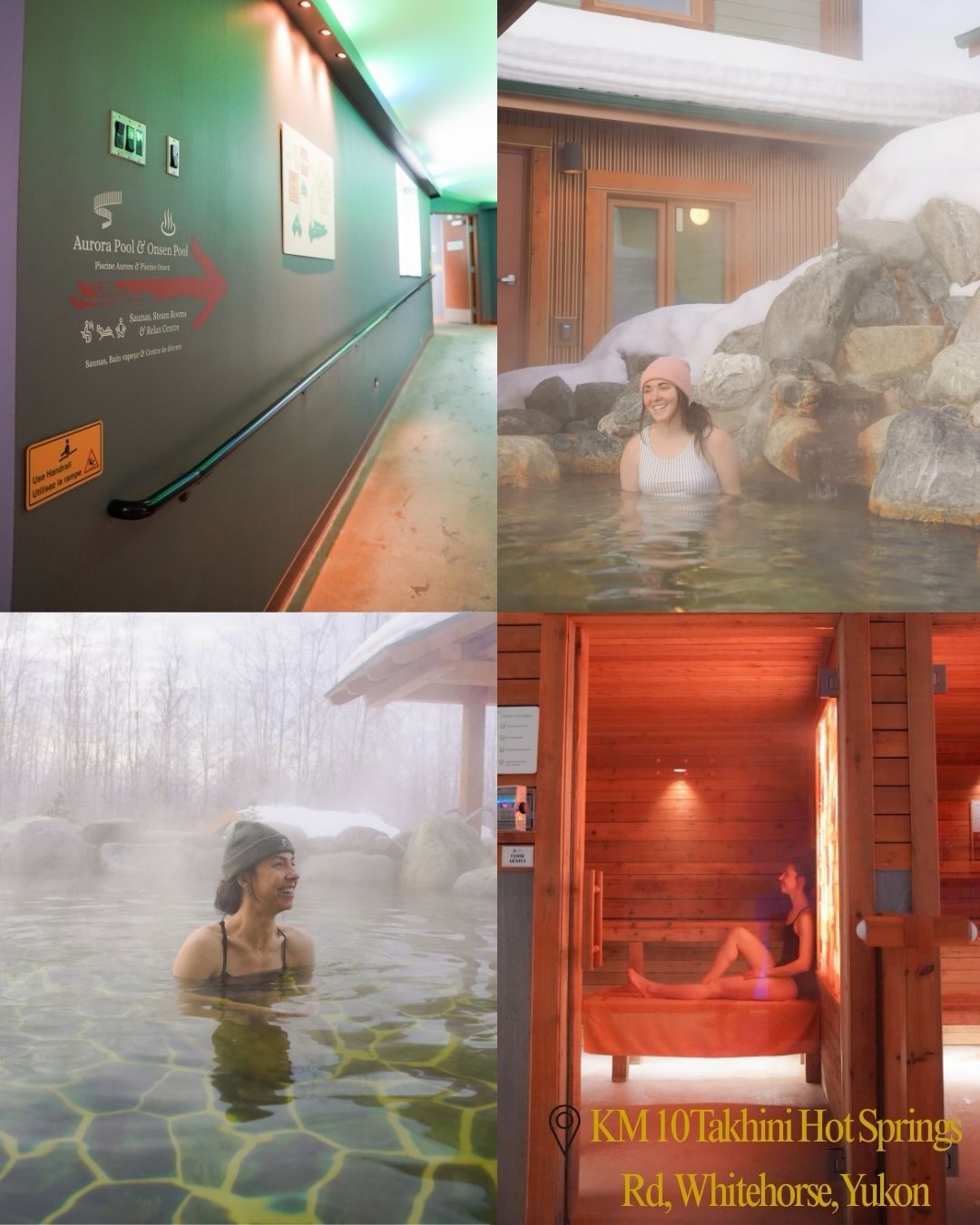
Make it a day and combine a visit to the Yukon Wildlife Preserve with Bean North and Eclipse Nordic Hot Springs.

Bean North Coffee Roasting Co.

A peaceful, locally loved café perfect for a quiet moment.  Roasted right there at the cafe, fair-trade coffee, cozy vibes, and a chance to warm up after the trail. Open daily 10am to 5pm. 

We often talk about the Preserve as a place to disconnect to connect — with nature, with each other, and with yourself. Extend that experience with a visit to:

Eclipse Nordic Hot Springs

Soak under the winter sky, breathe in crisp northern air, and let the hot mineral waters melt away the chill. It’s the perfect complement to a wildlife-filled day. Think of it as precious, well-deserved, grown-up time - open daily 9am to 10:30pm.

• • •

If you’re visiting the Yukon for the Arctic Winter Games, take some time between events to experience the wild side of the North at the Yukon Wildlife Preserve. Just outside Whitehorse, it’s an easy adventure where you can see iconic northern wildlife, explore snowy landscapes, and discover a few local favourites along the way. Whether you stay for a quick visit or make a full day of it, it’s a Yukon experience you won’t want to miss.

Lindsay Caskenette

Lindsay Caskenette

Manager Visitor Services

Lindsay joined the Wildlife Preserve team March 2014. Originally from Ontario, she came to the Yukon in search of new adventures and new career challenges. Lindsay holds a degree in Environmental Studies with honours from Wilfrid Laurier University and brings with her a strong passion for sharing what nature, animals, and the environment can teach us.

867-456-7400
Lindsay@yukonwildlife.ca

Explore by Category

Explore by Author