Look Twice: How to Tell Juvenile Bald and Golden Eagles Apart

Look Twice: How to Tell Juvenile Bald and Golden Eagles Apart

golden eagle

by Brittney Forsythe | Nov 30, 2025

5 minute read -

These young raptors may look alike at first glance, but their feathers, legs, and eyes tell a story.

At First Glance, They Can Totally Trick You

If you’ve ever looked up and spotted a massive dark eagle soaring overhead and thought, “Is that a Golden? No, wait. Juvenile Baldie?”  you are absolutely not alone.

These birds can look incredibly similar when you’re only seeing silhouettes or quick flyovers. Even at the Yukon Wildlife Preserve, where we see eagles regularly, we still have moments where a distant speck in the sky sparks that tiny flicker of curiosity.

If you slow down and look closely, the differences are actually quite striking.

Left: A juvenile Bald Eagle with its yellow feet and part of its legs exposed.      Right: A Juvenile Golden Eagle with fully feathered legs, all the way to it's feet.

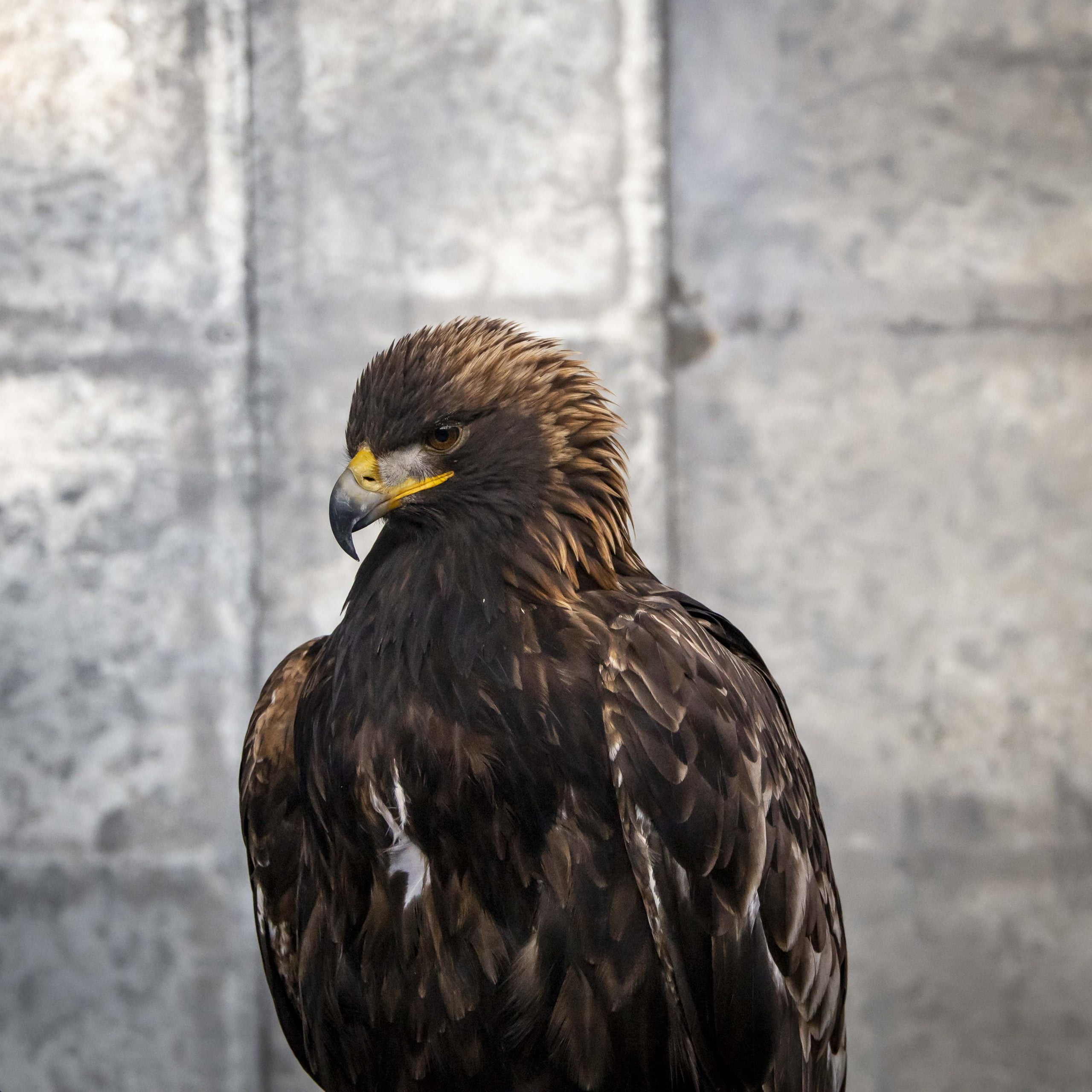
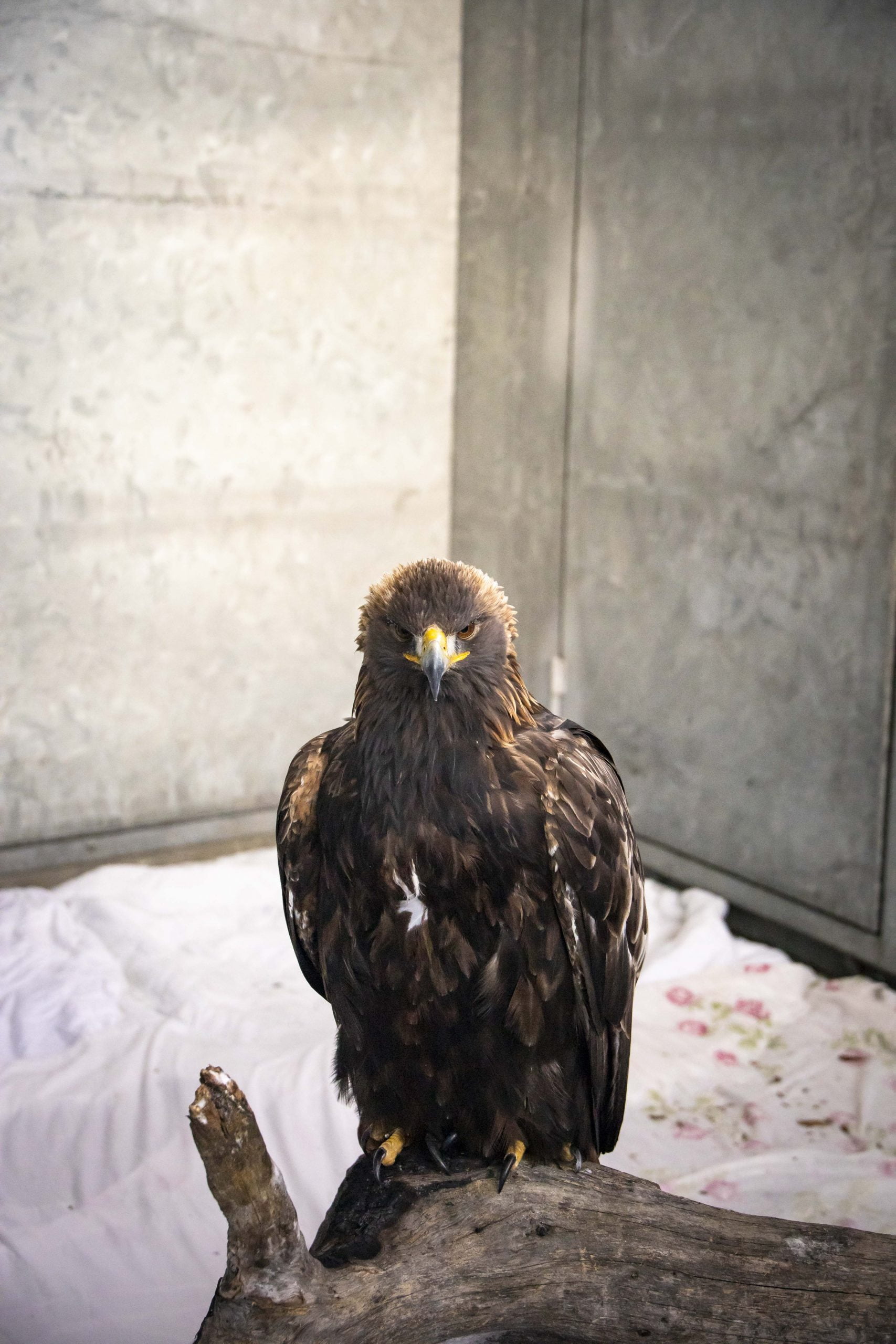
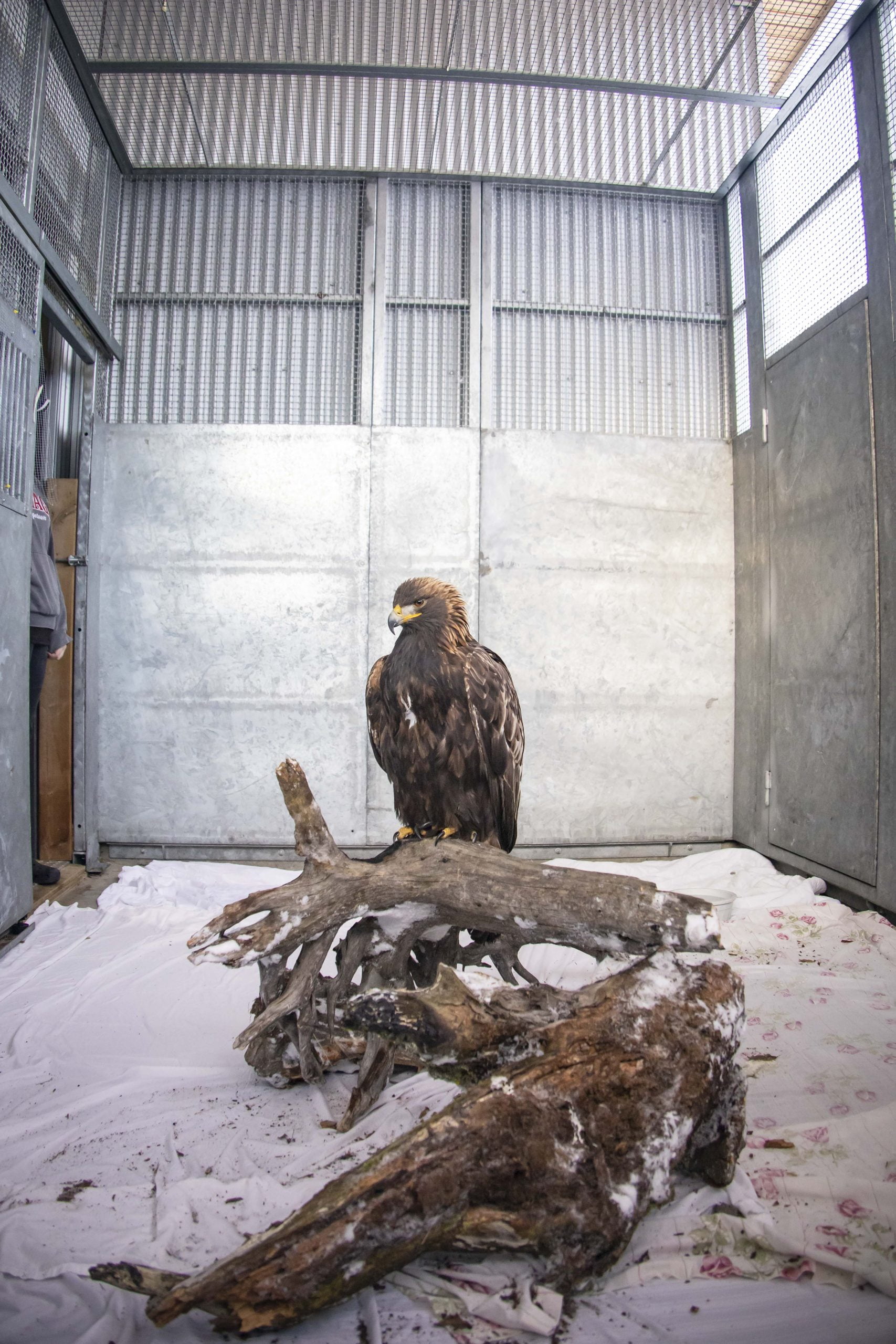
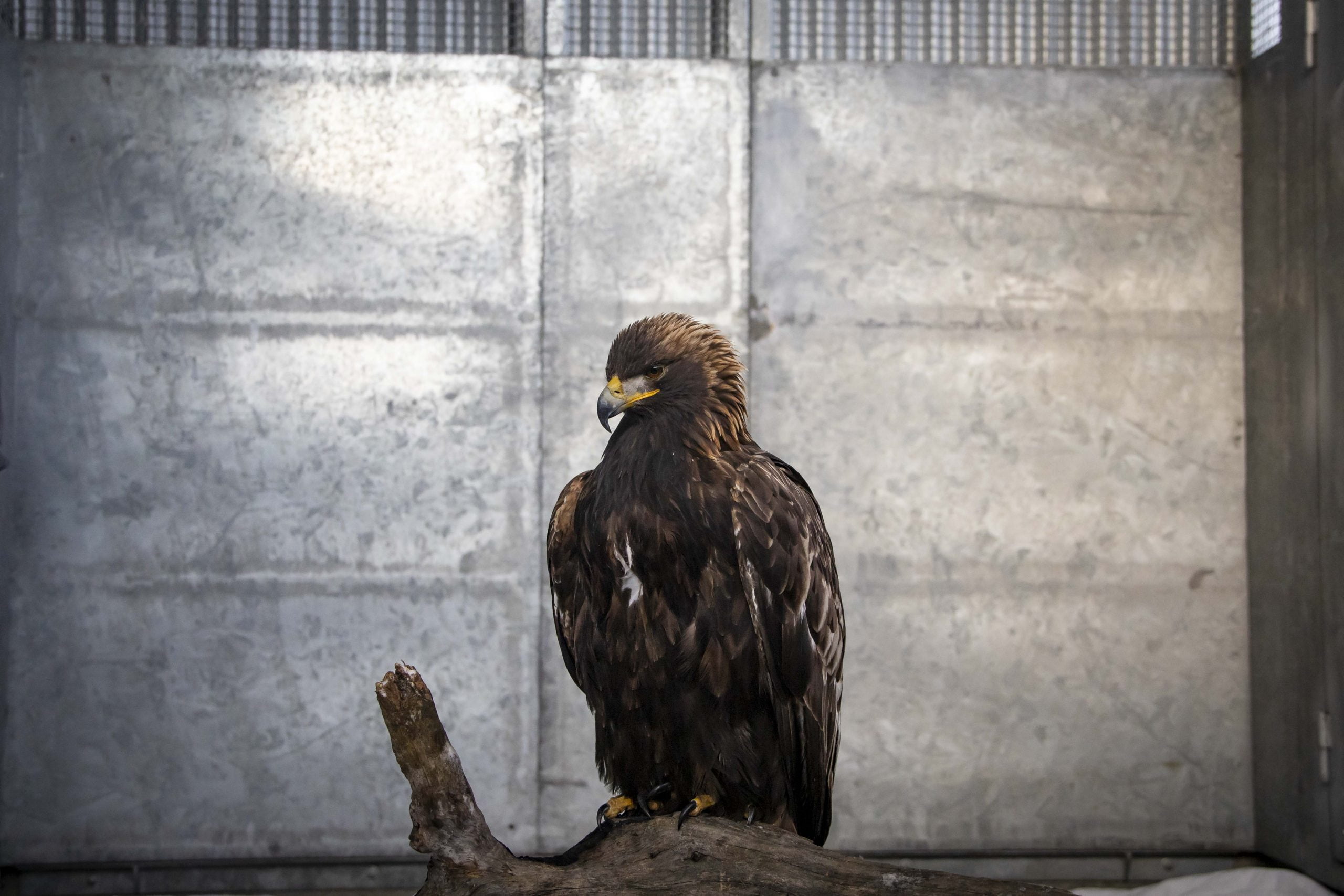
Right now, our Animal Care Team is caring for a juvenile golden eagle, but in the past,  we’ve admitted several juvenile bald eagles for care. Seeing these two species up close, sometimes side by side, makes it incredibly fun to compare them. You start noticing details you might not notice from a quick glance.

If you are able to clearly see their legs you'll note that Juvenile Bald Eagles have more of their yellow feet and legs exposed - compared to the Golden Eagle that appears to be wearing some fancy feathered pants.

In the slides above, you can clearly see Bald eagles have a chunkier head and heavy, hooked bill even as juveniles.

The Golden eagles have a slimmer, more streamlined head. They also rock the tell tale golden tips on their head feathers.

While both young Bald and Golden eagles have dark brown eyes, as they age they do change. Bald eagle eyes, lighten to a yellow whereas the Golden eagles eyes turn a more amber hue.

Now here’s where people most often get tripped up - plumage patterns!

Juvenile Golden eagles:

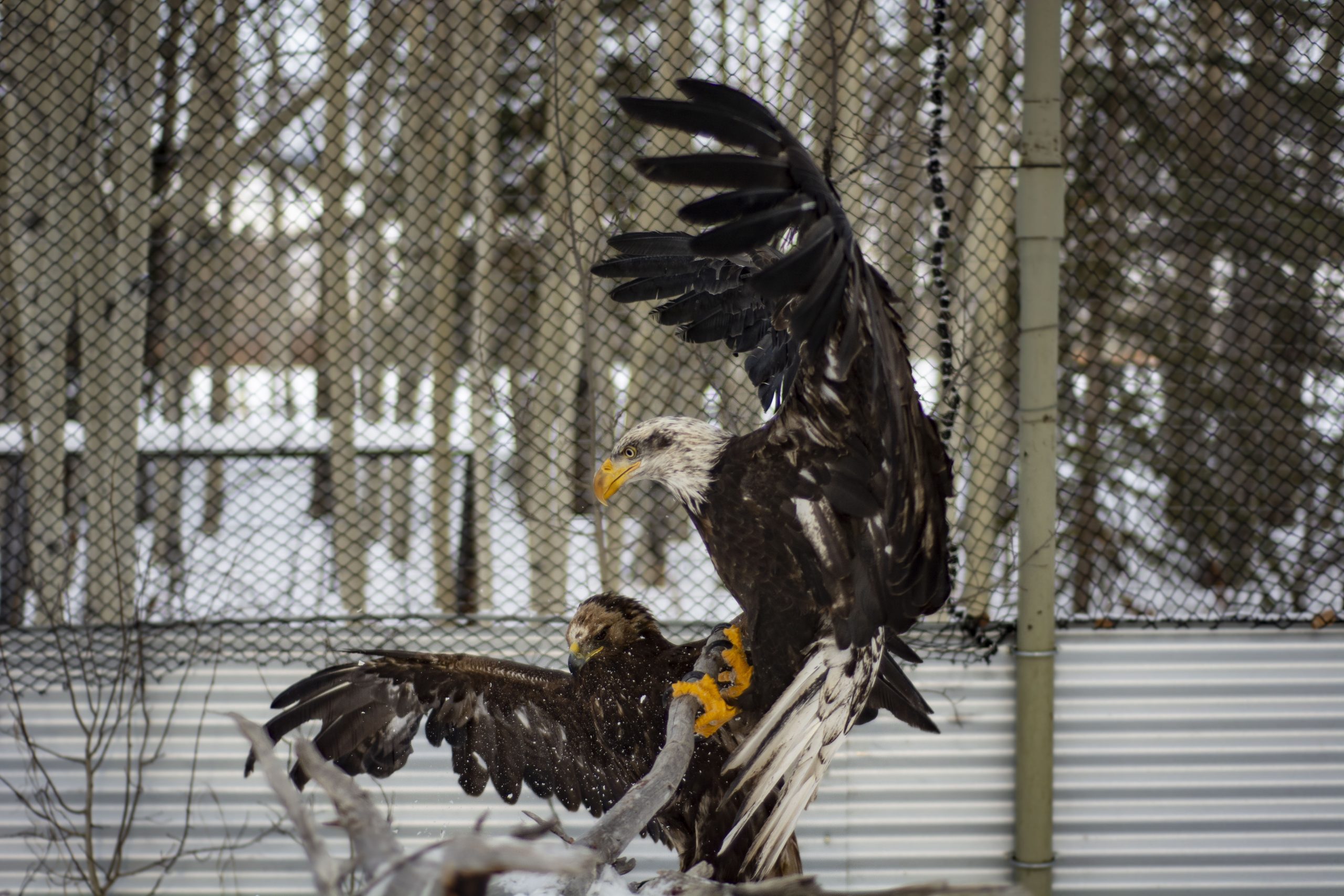
Juvenile golden eagles are mostly a rich, dark brown overall, giving them a uniform appearance compared to young bald eagles. They also have warm golden feathers on the back of the head and neck, which is where their name comes from, even in youth. One of the most reliable features of a juvenile golden eagle is the bold white band across the tail feathers and the clean white patches at the base of the wings. These white areas are crisp and well-defined, and they gradually disappear as the bird matures, fading into the darker brown of adulthood.

Juvenile Bald eagles:

Juvenile bald eagles look much more irregular. Instead of clean patterns, they show patchy white and brown mottling across the body, wings and tail. No two young bald eagles look exactly alike, and they won’t develop the iconic white head and tail until they are four or five years old. As they age, the white feathers on the head and tail slowly increase, becoming more noticeable each year. This gradual shift in plumage is one of the major differences between the two species when they’re young, helping distinguish juvenile bald eagles from juvenile golden eagles.
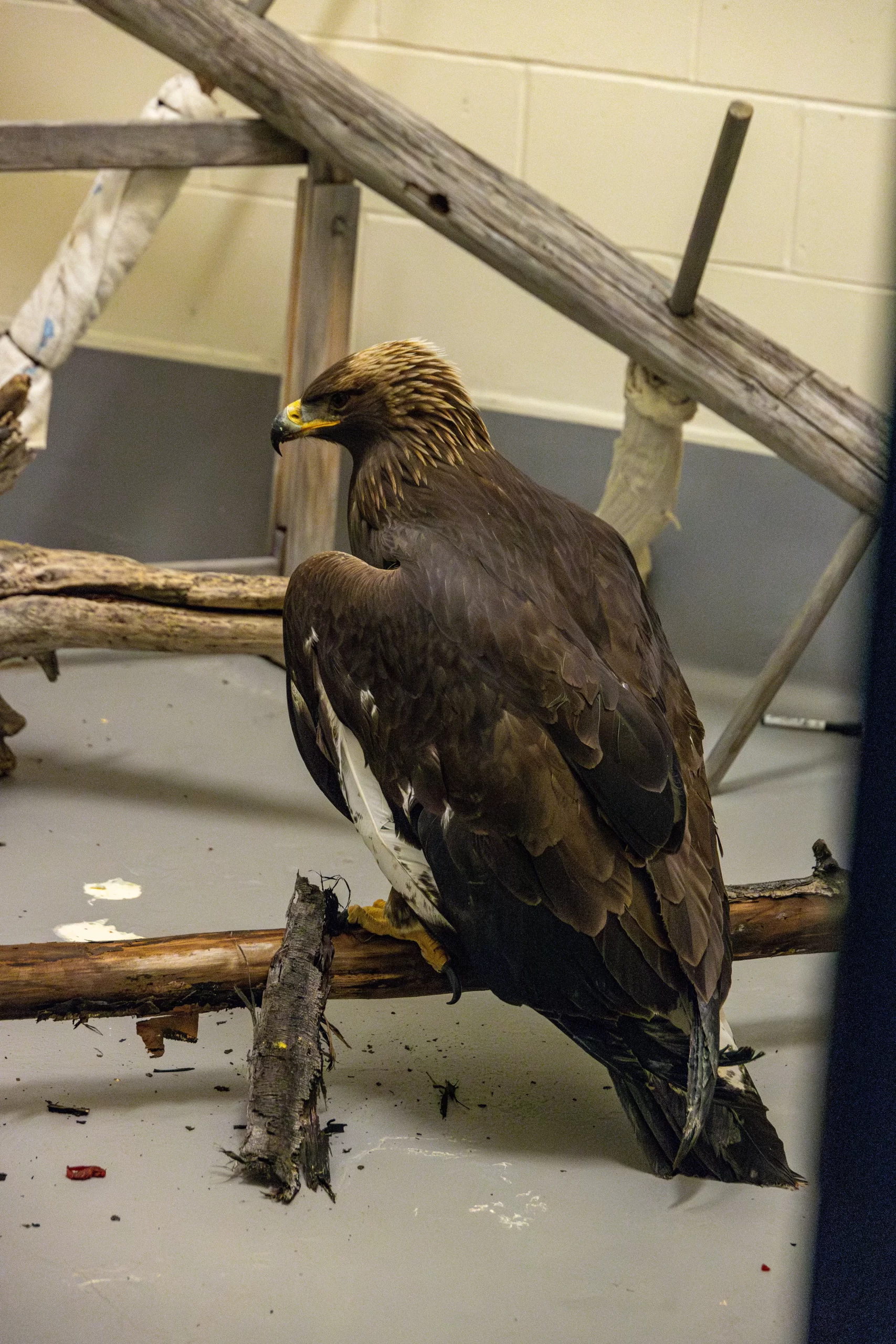
Up close its both easy to see how you could get them mixed up and easy to see their differences. This sequence of photos offers side by side comparisons. Can you tell which is which?

Juvenile eagles can look deceptively similar at first glance, but a closer look at legs, wing and tail pattern and head shape — plus tracking how their eyes and plumage change over time — reveals the differences. These traits make each species unique and fascinating to observe.

Every eagle that comes through our rehab program relies on specialized care, safe housing and dedicated staff — all powered by the generosity of people who care about Yukon wildlife.

If you enjoyed learning about these incredible birds and want to help us continue rescuing, rehabilitating and releasing wildlife, please consider making a donation today.

Your gift directly supports animals in our care — including the eagles featured in this story.
❤️ Thank you for helping Yukon’s wild lives take flight again.
Brittney Forsythe

Brittney Forsythe

She/Her - Visitor Services Coordinator

Brittney joined the Wildlife preserve in the summer of 2023. Growing up on Northern Vancouver Island, surrounded by the temperate rainforest, nature and animals have always been a part of her life. It exploded into a passion, when she started her dog walking business in 2017 and she began spending 6-7 days a week in the forest, rain or shine! This sparked an even deeper appreciation for the cyclical nature of the land and how all of the plants & animals work together symbiotically. She is forever ‘that girl’ on the hike, pointing out different rocks and plants, explaining their origin or what they could be used for medicinally. Brittney and her dog Cedar relocated to the Yukon to help care for 31 sled dogs. She is so excited to expand her local knowledge as a part of the Preserve team.

867-456-7400
 Brittney@yukonwildlife.ca

Explore by Category

Explore by Author

Golden Eagle Gets Second Chance

Golden Eagle Gets Second Chance

golden eagle

by Lindsay Caskenette | Nov 26, 2021

Photo credit:  L. Caskenette

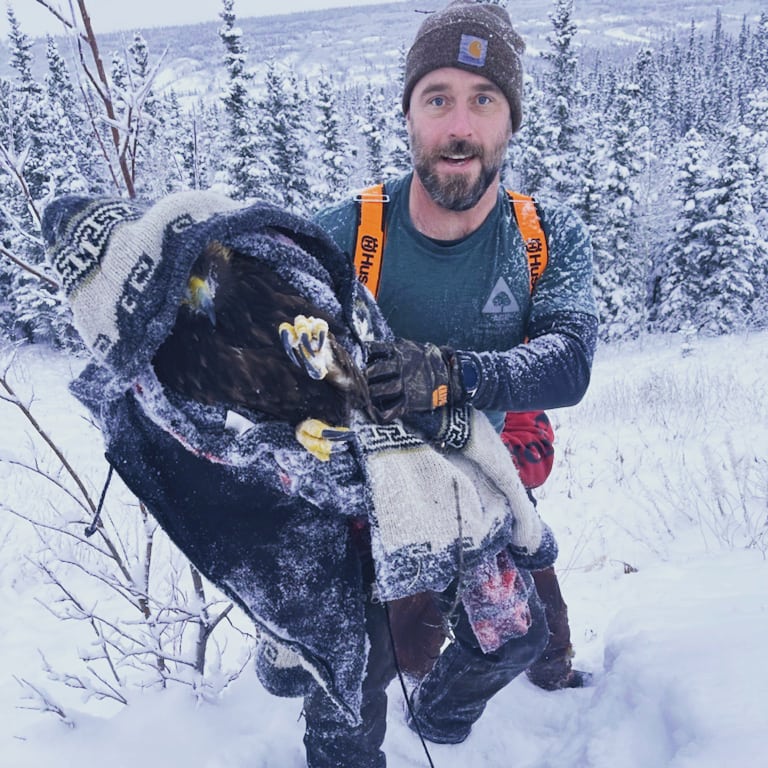
A golden eagle was admitted Wednesday evening, November 24th 2021, to the Wildlife Rehabilitation Centre. This individual, who is quite a bit bigger than the last golden eagle in our care, was found by a member of the public in the middle of the road, in between Haines Junction and Mendenhall area.

Upon initial assessment of the animal there appeared to be no broken bones but was severely hypothermic. Given it was found in the middle of the HWY, Dr. Maria Hallock guesses it was perhaps struck by a vehicle, concussed and resting in place but ultimately becoming weaker due to extended immobility in the extreme cold. While its not certain how long the animal was there for it was enough for the animal to be near frozen state upon its discovery. 

On Thursday morning the eagle was given additional fluids, on top of the fluids it received upon its arrival the evening prior. Some chicken was fed to the eagle in the later part of the Thursday along with a quail. 

On Friday the eagle appeared more responsive and alert and eager to eat by itself. This care and close observation occurred inside the Rehabilitation building where Dr. Maria Hallock waited for the animal to defecate - poop, for assessing continued signs of improvement and health in the GI tract - all good there by the way! 

The eagle will spend the next several days in the Centre being closed monitored. While during the day it will spend time in an outside care room, in the evenings it will come inside. 

If all continues well in its progress and recovery a release back to the wild could possibly happen sometime next week. 

Had this person and those that opted to stop and assist not taken the steps they did, including assessing the animals from a safe distance and calling Conservation Officers and subsequently the Preserve, this eagle would very likely have succumbed to the elements or get fatally struck by a vehicle.

Shaun, pictured here with the eagle, stopped on the hwy when he noticed the original rescuer swerv on the road. He and his crew, Dustin and Clayton helped secure the eagle using their jackets. While we recommend leaving it to the professionals to rescue capture animals, this crew of folks took a lot of precautions when they assessed the situation and decided to intervene and help the animal. Photo courtesy of Shaun Randall.

We are so grateful to live among a community that values wildlife, that cares about our natural world - it's our mission, to connect people to the natural world and everyday we're inspired by the landscape, animals and people that make this incredible territory, the Yukon, a place that is wild at heart <3

Lindsay Caskenette

Lindsay Caskenette

Manager Visitor Services

Lindsay joined the Wildlife Preserve team March 2014. Originally from Ontario, she came to the Yukon in search of new adventures and new career challenges. Lindsay holds a degree in Environmental Studies with honours from Wilfrid Laurier University and brings with her a strong passion for sharing what nature, animals, and the environment can teach us.

867-456-7400
Lindsay@yukonwildlife.ca

Explore by Category

Explore by Author

A Convocation of Eagles

A Convocation of Eagles

golden eagle

by Lindsay Caskenette | Jan 22, 2021

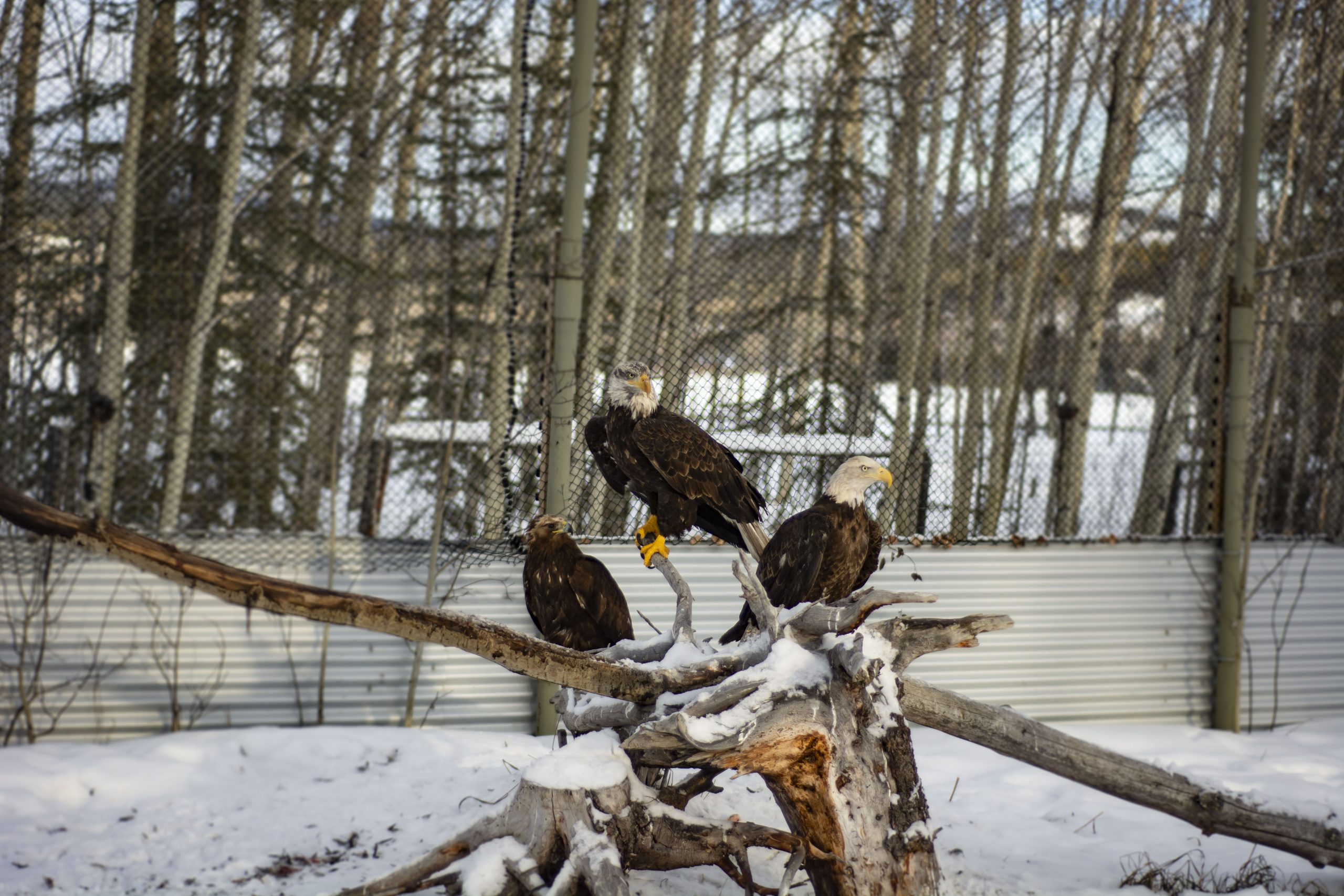
What do the dates; August 7th, September 21st, and October 20th have in common?  Well, each of these days the Yukon Wildlife Preserve's Wildlife Rehabilitation Centre received a new patient, with each those being an eagle. It started with the Golden Eagles arrival from Watson Lake, followed by a Bald Eagle from Jake's Corner, and another Bald Eagle from Mayo.  While an arrival of an animal, into the centre for care by the team at the Preserve, isn't distinctive; it is unusual to receive an influx of eagles in the fall.

Seen from left to right is the Golden Eagle, the younger Bald Eagle with scapular injury from Jake's Corner, and the older Bald Eagle with carpal infection from Mayo.

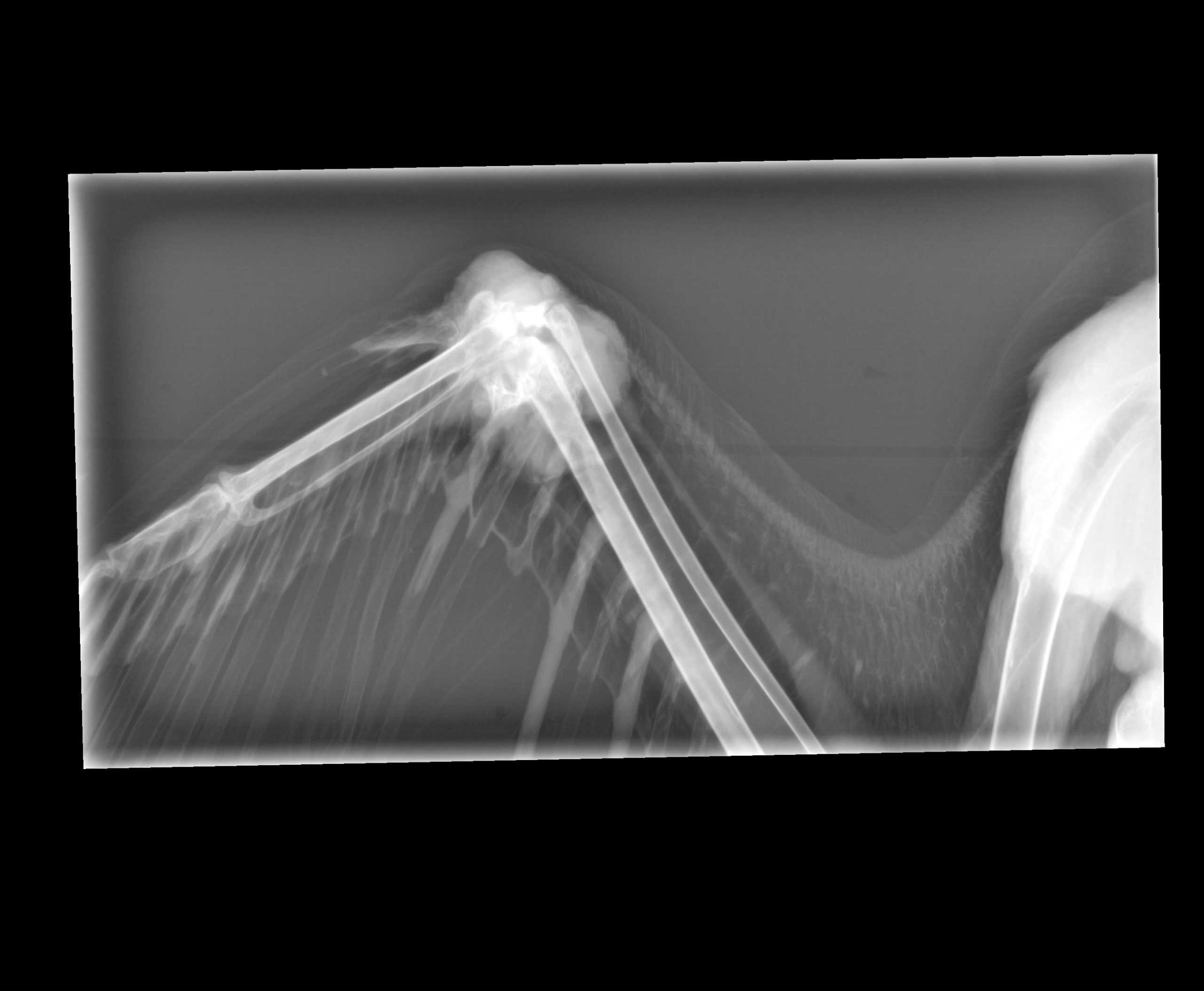
Over the years, the Rehabilitation Centre has admitted many eagles - both golden and bald. Some of these occasions have occurred to eaglets, some adults. Some of these have been due to injury to the individual - like from a nest blowing over in strong winds (they're nests are built over years and with time can weigh hundreds of pounds, which for our small northern trees can sometimes be just too much to support).1https://www.nationaleaglecenter.org/eagle-nesting-young/ Often times, we do not know the circumstances around an animals ailment but can gain insight from x-rays as to why an animal might be behaving differently than we might expect - like the successful juvenile bald eagle rehabilitation from summer 2020. A common thread for many of these eagles is admittance timing - usually in the Spring and Summer. 

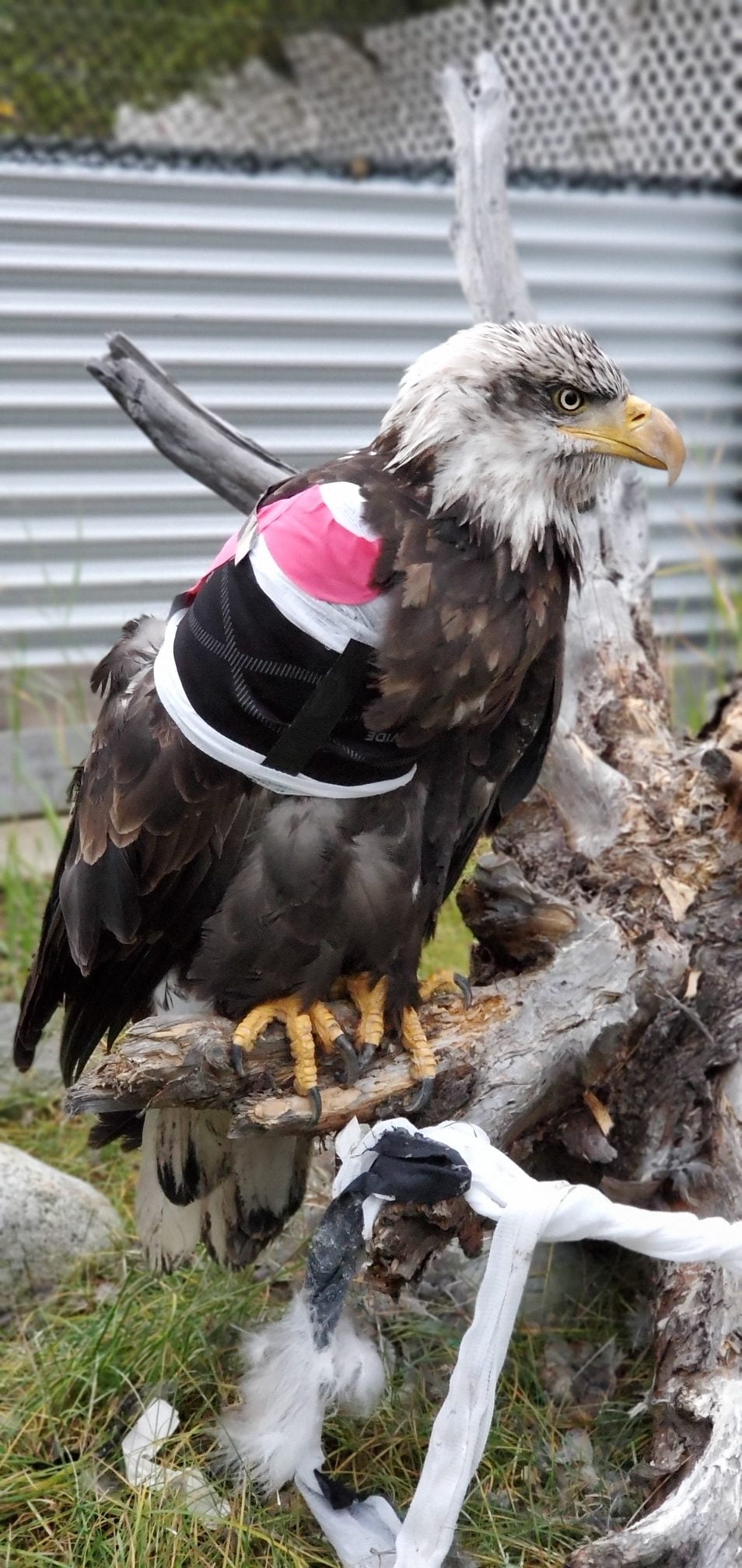
Several months have passed since the three birds Fall time admittance. This time has allowed each eagle recovery, to some degree but there's much road ahead still for them each. We'll start first with the younger, (white with brown head) Bald Eagle from Jake's Corner.  A fracture to the scapular caused the animal to be flightless in the wild. The injury has healed. The wing was wrapped for 2 months to immobilize the wing but this does cause muscle atrophy - just like in humans who are casted following a bone break. The eagle was contained in a small aviary to help reduce its movements to maintain fracture alignment and eventual bone fusion.

Once this stage of recovery was met, the eagle was moved into the large aviary. This is an important phase of the recovery process for the bird -  movement and flight tests. This individual can fly, and will spend the rest of the winter building up flight muscles in the aviary to support its probable return to the wild in the spring!

The older (full white head) Bald Eagle who suffered from severe chronic infection of the right carpal joint was initially treated with a small hope that even though the integrity of the joint was compromised the eagle might still be able to fly well enough and survive in the wild after the infection was controlled and the wing healed. However, based on most current radiographic imaging and physical exam, done by Dr. Maria Hallock and the Animal Care team, the prognosis is poor. While the infection is cleared and the joint has healed, its integrity is compromised - this will prevent the eagle from being able to fly uninhibited. Observations of the animal in the large aviary has seen it able to gain lift up to 6 feet and fly off the perch within the aviary but unable to maintain latitude for more than 20 feet. 

The Preserve will continue to care for this individaul through the remainder of the winter. We will continue to monitor and observe its behaviour.

Finally, the Golden Eagle has had the longest and most challenging recovery of the three. While we are happy to report that the left foot has recovered from the infection due to porcupine quills; the right foot is severely compromised due to the infection. This has resulted in multiple bone dissolution and loss of the skeletal and ligamentous integrity of the foot and consequently loss of its function. The bird can perch but cannot grasp effectively with the right foot. The bird still has a long way to its full recovery. At this time it does not look probable for the bird to be released back into the wild sucessfully due to this loss of functionality in the foot - an important tool for a bird of bird such as this to capture its food to survive.

The x-ray image of the Golden Eagle's feet shows significantly compromised structure between the right and the left. The left foot was imaged with the banadaging on his feet still. The Golden Eagle is observed to be perching, and with the other birds, more and more. This is a postive progression from when he was often observed resting on stomache and on the ground, rathern than higher perch.

Each of these birds are on their own path to recovery. The Preserve continues to provide care through, mostly now, feeding and observation. These birds eat a lot! If you are able to support the ongoing care of these animals please consider donating to the Wildlife Rehabiliation and Resaearch Centre Fund.

While we progress through winter and meet spring the Preserve's Animal Care team will reevaluate each individual and their release back to the wild or the alternative. The alternatives could include remaining at the Yukon Wildlife Preserve to live out their life and offer education and an opportunity to personally connect with such a magnificent creature. This will be a significant investment, up to a 25 year commitment, given the birds average lifespan and food requirements, however that the Preserve may not be able to provide this given the expenses. Another alternative may be to place them in another animal care facility or CAZA accredited institution.  Time will tell, to be continued . . .

Photo credits:  L. Caskenette

Lindsay Caskenette

Lindsay Caskenette

Manager Visitor Services

Lindsay joined the Wildlife Preserve team March 2014. Originally from Ontario, she came to the Yukon in search of new adventures and new career challenges. Lindsay holds a degree in Environmental Studies with honours from Wilfrid Laurier University and brings with her a strong passion for sharing what nature, animals, and the environment can teach us.

867-456-7400
Lindsay@yukonwildlife.ca

Explore by Category

Explore by Author