Dawson City Bald Eagle

Dawson City Bald Eagle

nature blog

by Lindsay Caskenette | Nov 1, 2024

1 minute read - 

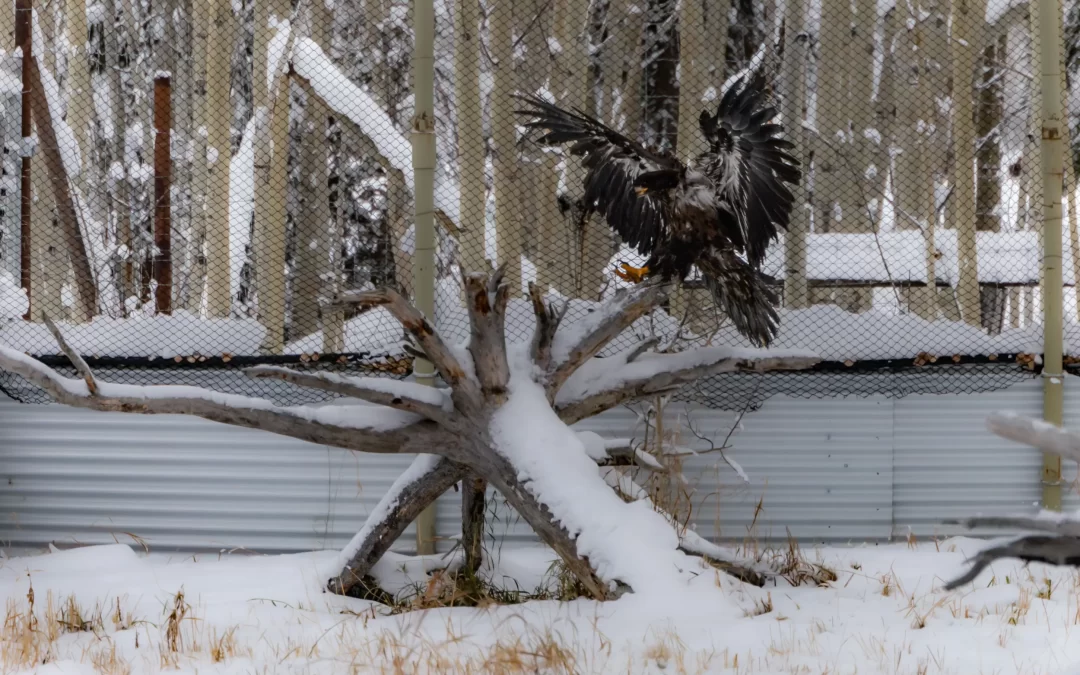
Imagine a bald eagle walking around, it’s like the fierce sky warrior forgot its wings. When it’s on the ground, its swagger is... questionable. Instead of the majestic glide we all picture, it’s more like a grumpy grandpa strutting through the yard, a bit hunched, stepping carefully as if it's got somewhere important to be. It’s as if it’s trying hard to act casual, but can’t quite hide the fact that it’s totally out of its element. You just know it’s thinking, “I’m supposed to be flying right now...”

mature bald eagle in rehabilitation

On October 18th, we admitted a juvenile bald eagle into the Wildlife Rehabilitation Centre. The young eagle came all the way from Dawson City. Apparently, this bird was found struttin' its stuff on the main street sidewalk of DC. This bird certainly was supposed to be flying but due to being slightly underweight, 4.4kg, not fueled well and muscles not strong enough, it was flightless. Damage to the tail feathers suggest it spent a fair amount of time, flightless. 

Old crow bald eagle upon arrival and admittance into the Wildlife Rehabilitation Centre at the Preserve. May 10th. Photo credit L.Caskenette

The eagle spent one week inside, eating well and gaining weight. The second week in care and until her release she is working on her flight hours, gaining strength before going back to the wild. 

On November 7th, 2024, at 6kg in weight and less than a month in our care, the juvenile bald eagle was returned to the wild, at Chasàn Chùa (McIntyre Creek). she was not transported back to Dawson City for the release.  This added travel can be stressful and Dawson City in the winter can be a challenging place for a young eagle to succed. 

Help us get them back on their wings. We could use your help. If you are able to support the care of these two animals, please consider donating. Every contribution makes a difference and as a non-profit charitable organization, you can receive a charitable tax receipt for your support. 

Photo credit: L. Caskenette

Lindsay Caskenette

Lindsay Caskenette

Manager Visitor Services

Lindsay joined the Wildlife Preserve team March 2014. Originally from Ontario, she came to the Yukon in search of new adventures and new career challenges. Lindsay holds a degree in Environmental Studies with honours from Wilfrid Laurier University and brings with her a strong passion for sharing what nature, animals, and the environment can teach us.
867-456-7400
Lindsay@yukonwildlife.ca

Explore by Category

Explore by Author

Bonaparte’s Gull Release

Bonaparte’s Gull Release

nature blog

by Lindsay Caskenette | Jun 25, 2024

4 minute read - 

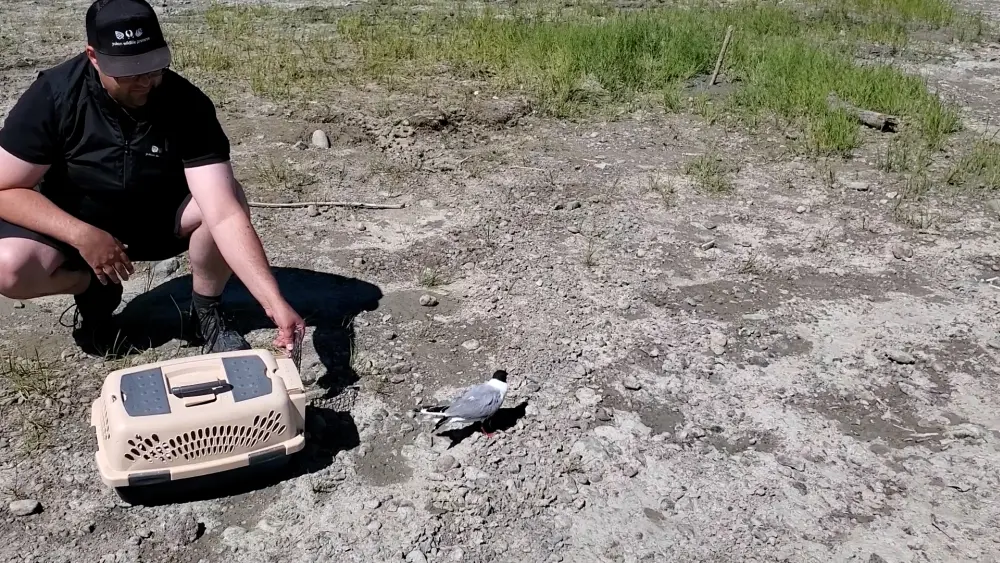
A Bonaparte's gull was brought into the Wildlife Rehabilitation Centre at the Yukon Wildlife Preserve after it was found flightless on the side of the road. The bird has no significant injuries, some feather damage and was likely concussed. A short time in the centre to recover, eat fish and get strong meant a successful release of the animal to Tàa'an Män — Lake Laberge on the traditional territory of the Ta'an Kwach'an Council.

Lindsay Caskenette

Lindsay Caskenette

Manager Visitor Services

Lindsay joined the Wildlife Preserve team March 2014. Originally from Ontario, she came to the Yukon in search of new adventures and new career challenges. Lindsay holds a degree in Environmental Studies with honours from Wilfrid Laurier University and brings with her a strong passion for sharing what nature, animals, and the environment can teach us.
867-456-7400
Lindsay@yukonwildlife.ca

Explore by Category

Explore by Author

Busy Times & Hungry Critters in Care

Busy Times & Hungry Critters in Care

nature blog

by Lindsay Caskenette | Aug 3, 2021

This story was originally published July 10 2021 in the e-blast newsletter to Yukon Wildlife Preserve's membership.

Are you a member but don't receive these email Newsletters?  Contact us at info@yukonwildlife.ca to update your email preferences.

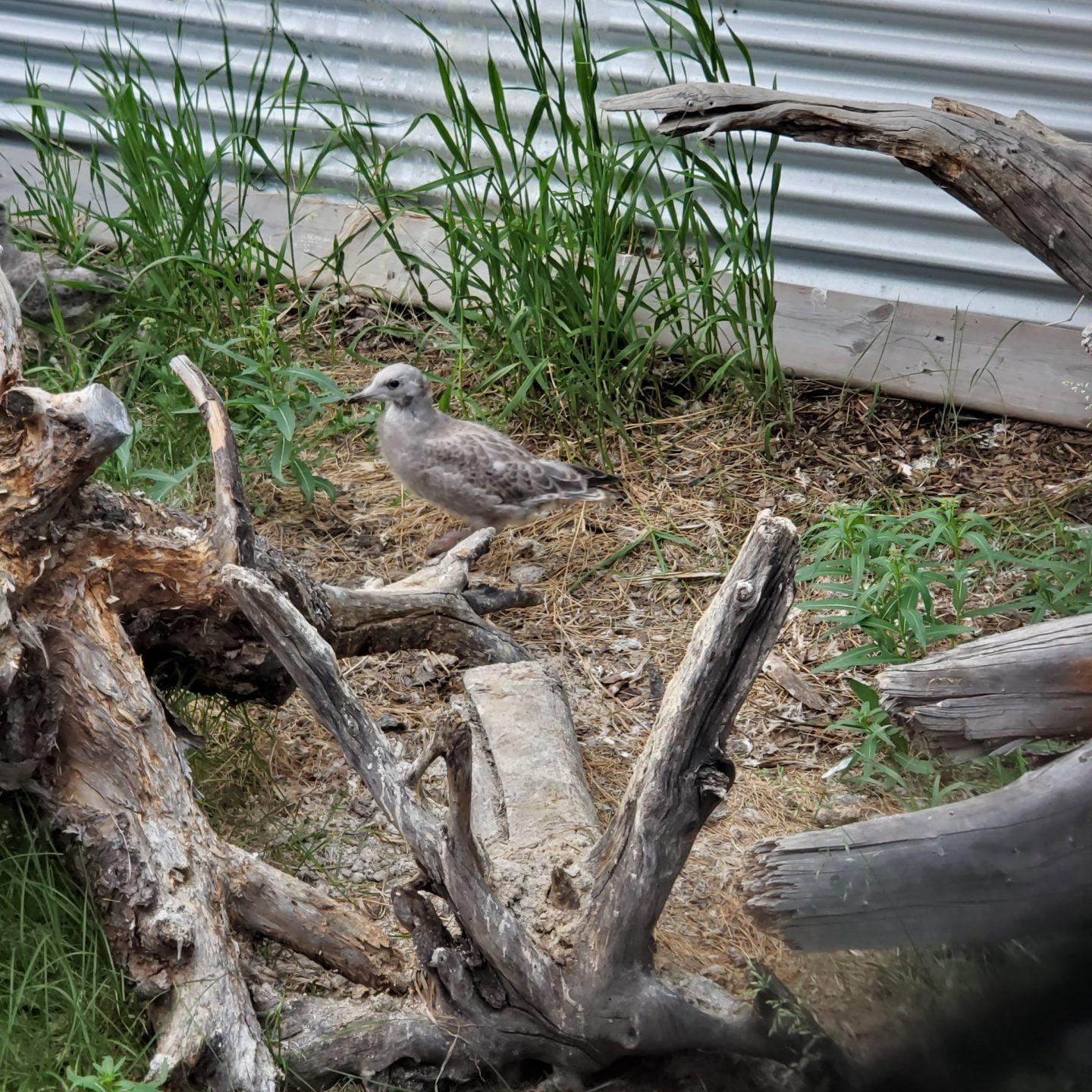
Mew Gull x2

Location found - Downtown.

Admitted on June 15th after the nest was lost. Conservation Officers brought the animals to the Preserve.

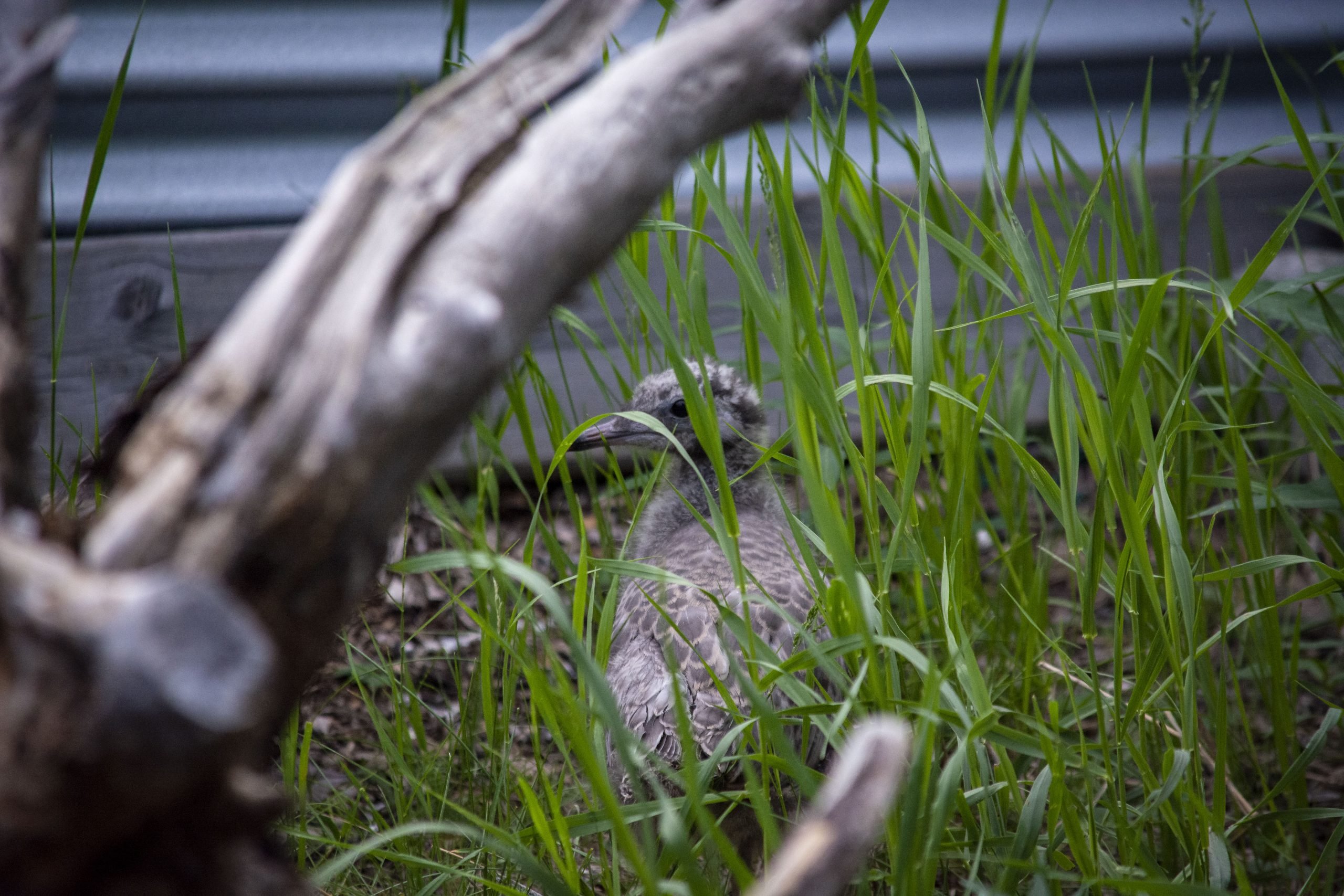
This pair are in an outdoor aviary where they are growing fast and eat mice 3 times a day.

• • •

Juvenile Mew Gull with Wing Injury

Also found downtown but admitted more recently on July 7th. This individual has fractures to its right wing and a large hematoma but depsite its injuries is in good body and remains active and alert. 

The animal is on low dose medication for pain and inflammation and the wing is immobilized. It remains under observation before it will move in with the other gulls outside. 

• • •

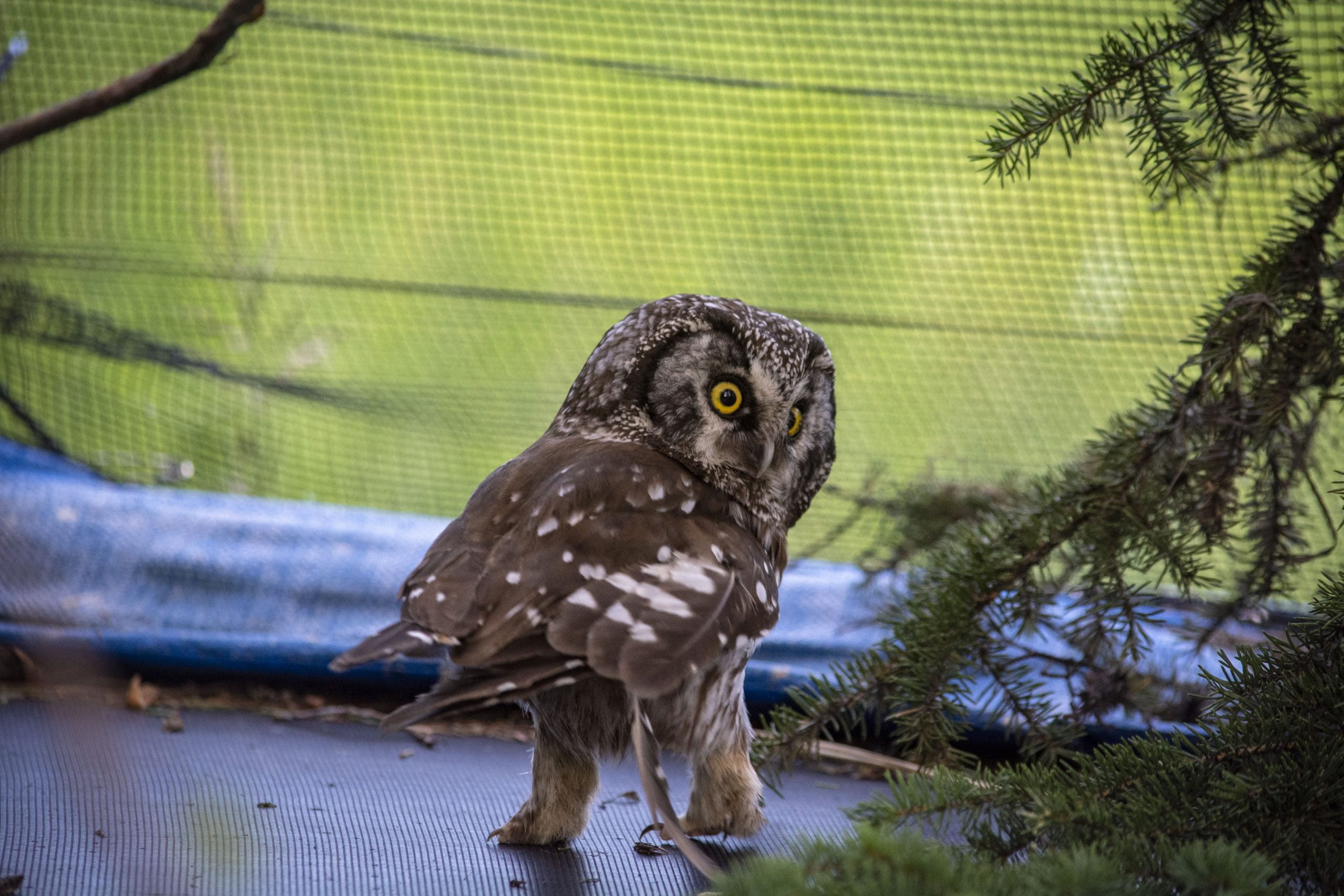
Boreal Owl

Admitted June 28th, this tiniest of Yukon owls was rescued from an attack by a domestic dog. While the animal came in with mild ataxia (lack of coordination) it's doing relatively well. It's missing primary and secondary feathers on both wings but with time and regular mice feedings twice a day the owl should be a good candidate for release when ready.

• • •

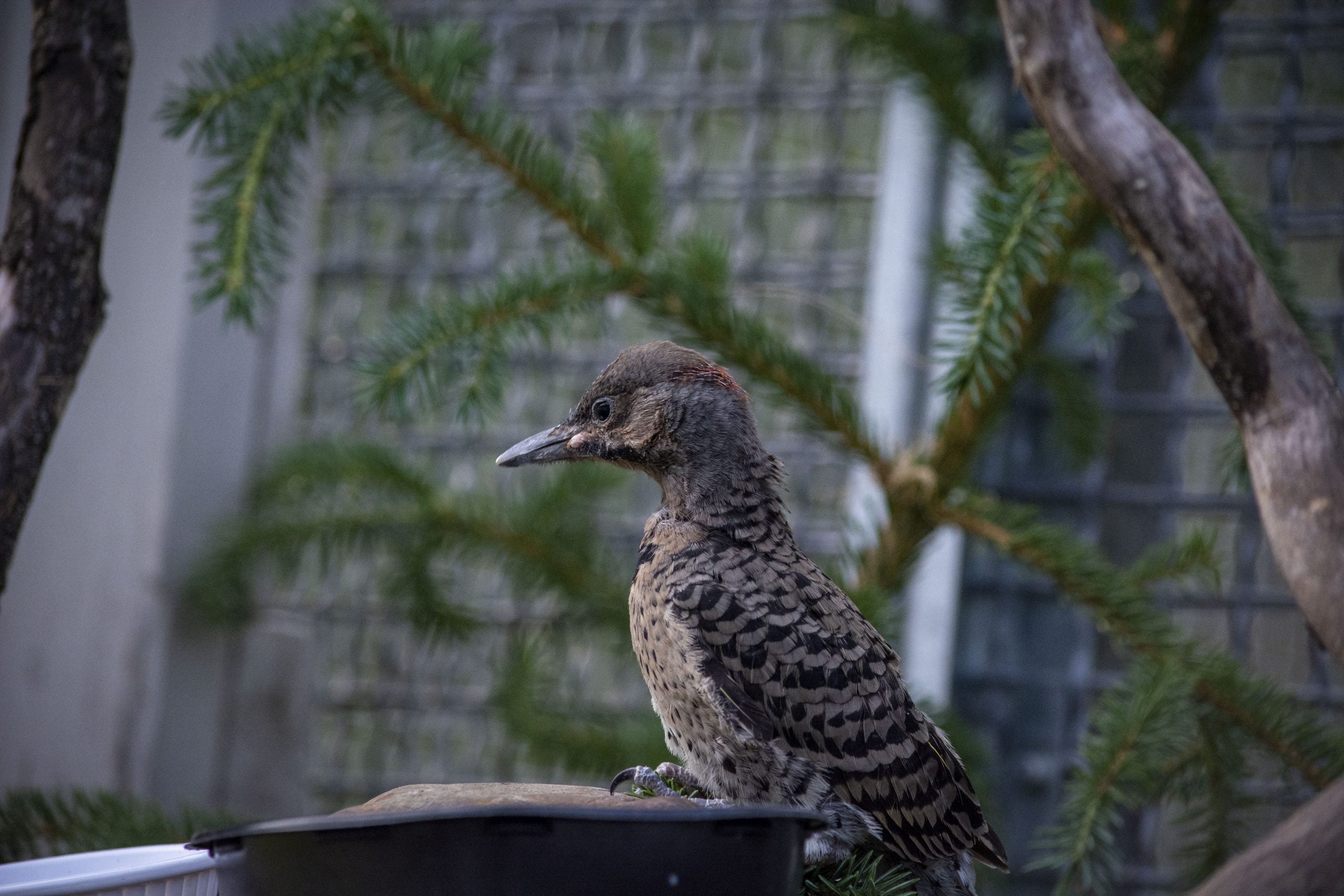
Juvenile Northern Flicker

Location found - Takhini Hot Springs Rd area. 

Admitted on June 27th after the young animal fell out of its nest and was at risk of predation. 

Plan for recovery and release with time and lots of mealworm feedings throughout the day and small mice.

• • •

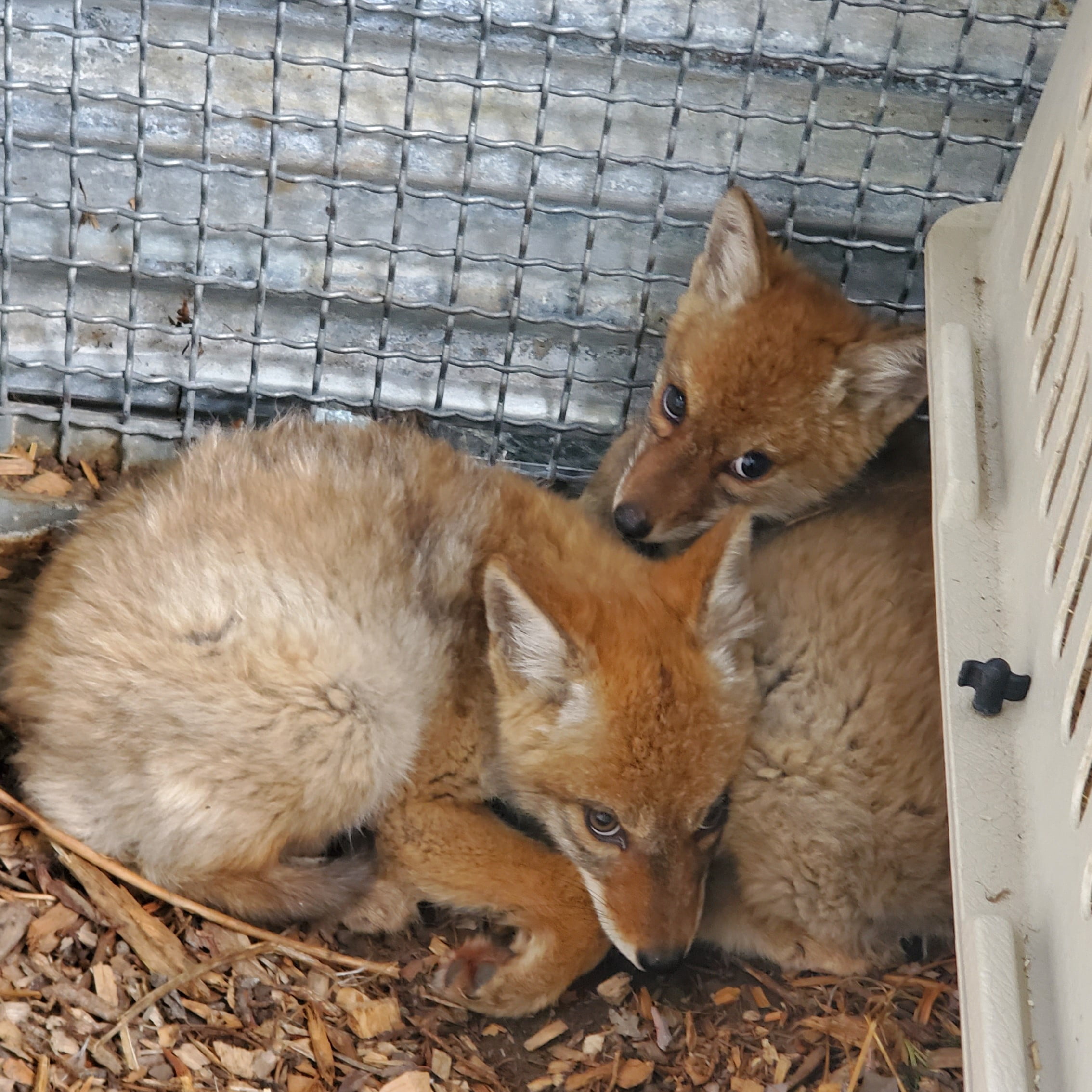
Coyote Pups

2 male coyote pups, about 6 - 8 weeks old, were admitted to the Rehabilitation Centre on July 5th after they were found, suspected to be orphaned, in the Marsh Lake area by members of the public. 

The pups eat 3 times a day and their appetites are growing. Along with a puppy formula, every feeding they consume 4 mice and 2 whole quail each. 

• • •

Each of these animals face challenging times ahead but the Wildlife Preserve Animal Care Team, including Veterinarian, Dr. Maria Hallock, are working 7 days a week, near 20 hours a day to ensure each of these animals are given the best possible chance for recovery and release back into the wild. 

We could use your support to aid in these animal's recovery - please consider donating. Help us keep Yukon wild at heart ♥

• • •

Lindsay Caskenette

Lindsay Caskenette

Manager Visitor Services

Lindsay joined the Wildlife Preserve team March 2014. Originally from Ontario, she came to the Yukon in search of new adventures and new career challenges. Lindsay holds a degree in Environmental Studies with honours from Wilfrid Laurier University and brings with her a strong passion for sharing what nature, animals, and the environment can teach us.
867-456-7400
Lindsay@yukonwildlife.ca

Explore by Category

Explore by Author

Uneasy neighbours: red foxes and arctic foxes in the north

Uneasy neighbours: red foxes and arctic foxes in the north

nature blog

by Joelle Ingram | Mar 30, 2021

This article was made possible thanks to support from the Environmental Awareness Fund. Engage and educate yourself in this blog series, about Yukon Biodiversity.

15 minute read -

Once upon a time in the distant year of 2015, a Canadian wildlife photographer, Don Gutoski won Wildlife Photograph of the Year with a haunting snapshot of a red fox scarfing down the body of an arctic fox it had just killed. This grisly image titled “The Tale of Two Foxes” was heralded as a stark depiction of climate change in the north where warmer climates lead to red foxes encroaching on the territory of arctic foxes. While climate change is both a real and palpable threat to arctic ecosystems, the reasons behind the expansion of red fox ranges into the arctic and their subsequent relationship with their tiny northern counterparts isn’t that straightforward. When is it ever, am I right? Life is complicated!

Credit: Don Gutoski's photo titled "A Tale of Two Foxes" won Britain's Natural History Museum Wildlife Photographer of the Year 2015. It also sparked some assumptions and conversations about climate change and species competition in the changing Arctic. 

First off, it’s unfair to treat red foxes as an invasive pest freshly arrived on the arctic tundra. Historical fur harvest records from trading outposts in northern Canada show the presence of red foxes in the arctic starting in the early 20th century. In other words, they aren’t new to the neighbourhood. One of the popular hypotheses out there attributes the red fox’s northward expansion to the warmer temperatures caused by climate change. Milder winters definitely help red fox survival in their arctic home as they are nowhere near as well insulated as arctic foxes. But this balmy weather (balmy being a relative term, the arctic is still chilly as heck) is not the only factor behind their northern migration and it’s probably not even the main driving force; people are.

A study that compared the movement of red foxes with historical climate data and the development of sedentary settlements in the Canadian arctic found that it was the settlements, not the temperature, that was most closely linked to fox migration. Why? Well, it’s probably because we’re a great food source. If you live in Whitehorse, you do not need me to tell you that red foxes thrive around human settlements. It’s a fox paradise with all the garbage and unattended dog food that they can eat and a wondrous array of leather goods to steal. The fox that sleeps under my dryer vent probably feels like it has a very plush life. Quick question: It once left a decapitated grouse on my back porch; does that count as paying rent??

In a place like the arctic where resources are scarce, human settlements and by extension, human garbage (or “anthropogenic waste subsidies” if you want to impress your friends) can provide a relatively bountiful food source for red foxes. This isn’t really a good thing though. While both red and arctic foxes like to yummy down on some trash, human-created food sources favour the survival of red foxes over arctic foxes. This in turn could lead to diminished arctic fox populations in the future.

Red foxes are bigger and heavier than arctic foxes so when it comes to direct competition between the two, red foxes are more likely to be the victor. We already have grim photographic evidence of that exact scenario. Both types of foxes also have very similar diets, similar subsistence strategies (scavenging and food caching), and both of their reproductive success depends on having a den to shelter their pups. Leading very similar lifestyles put these two fox species in direct competition for resources. If this is the case, why haven’t red foxes wiped arctic foxes off the map? It’s probably because the relative survival of these two species isn’t contingent on a fox vs. fox death match. Sorry to disappoint. 

If I’m being completely candid with you, dear reader, when I was initially handed this topic, I was kind of hoping to write a shocking and grisly article about fox-on-fox violence. The carnage! The tragedy! Oh the terrible realities of nature! Not because I want bad things to happen to tiny foxes (I don’t), but because I am an absolute ghoul of a human being and that kind of content makes for a gripping article. Either way, this is not the case and I am legitimately relieved to know the arctic tundra isn’t strewn with fuzzy white bodies. Yes, red foxes do prey on arctic foxes but they are by no means out there slaughtering their smaller arctic counterparts into extinction. I mean red foxes also eat other red foxes, it’s the nature of well… Nature.

A group of researchers conducted a forty-year study of fox dens on Herschel Island and the Yukon’s coastal mainland to investigate the relative abundance of red and arctic foxes in the area. In those four decades, both of these fox populations remained relatively unchanged. We (and by “we” I really mean the researchers and biologists who specialize in this kind thing and not myself, a humble turnip and writer) don’t entirely understand all the factors that keep the balance between these two residents of the Yukon arctic. It’s a very complicated relationship and there’s a lot to unravel; here is what we know/can infer from previous studies.

Two major characteristics of the Yukon arctic that limit red fox expansion and increase the arctic fox’s competitive edge are a) limited food resources and b) the cold. As I mentioned before, red foxes are bigger and heavier which helps them bully arctic foxes away from food sources and denning sites but it also means they need to eat more. Both red and arctic foxes are opportunistic carnivores that feed on small to medium sized animals and the carcasses left behind by larger predators. While the arctic fox’s diet is largely reliant on lemmings, the red fox’s diet is more generalized which can help offset their greater need for food. But does it offset it enough? Nope.

During the winter, when food availability is at its lowest, red foxes are burning through a lot more energy than arctic foxes to keep warm. Obviously, they can survive the bitter chill of arctic winters as they’ve been up there for about a century. Red foxes can survive the winter, sure, but arctic foxes were designed for it. Not only do they need less food than red foxes, but they can drop their basal metabolic rate during the winter to conserve more energy and thus need even less food! Arctic foxes also have an incredibly dense winter coat so they need less energy to stay warm and they have a lighter foot-load (meaning they sink down less when they’re scooting around in the snow) so they burn less energy in transit. Arctic foxes are just super energy efficient, folks, I don’t know what to tell ya! While the red fox’s food and energy needs decrease their survival rates in the winter, arctic foxes can coast through it with a lemming and a box of tic tacs. Okay, that’s an exaggeration but you get the picture.

Their dietary requirements can also restrict red foxes spatially. We can see a good example of this if we look at the denning strategies of red and arctic foxes. Denning isn’t easy in the arctic: digging a burrow has a high energy cost and suitable denning sites are limited by the climate, soil type, and that ever-present permafrost. Here’s the real kicker, ideal denning areas and food rich areas don’t occur in the same place! Prime denning real estate is a high, dry area like a ridge, mound, or bank with coarse sediment, lots of sun exposure (i.e.: less frozen dirt to dig through) and low snow accumulation. This setup provides foxes and their pups with protection from the elements, predators and they’re less likely to get snowed in.

Food rich areas, on the other hand, are low, wet places like stream valleys where a higher yield of plant life results in a higher number of delicious rodents. Essentially the complete opposite of the ideal denning area. Great. Foxes then have to make a choice: choose a den with more protection from predators and the weather or choose a den closer to your food? Clearly, the red foxes with their greater need to feed are going to pick the den that’s closer to the buffet. Red foxes often move into dens dug by arctic foxes so they’ll effectively push arctic foxes out of these areas. However, arctic foxes have more flexibility when it comes to denning since they have lower food requirements. When red foxes and arctic foxes are occupying the same area, arctic foxes will prioritise dens with great predator protection and lower food density. When red foxes aren’t around, arctic foxes will favour dens closer to food rich zones instead.

With all this considered, the effects of climate change should have increased the red foxes dominance of the tundra. Warmer winters decrease the arctic fox’s advantage over red foxes and warmer weather increases the amount of plant growth and, in turn, the amount of rodent-based food sources. However, this hasn’t happened. Why? Researchers believe that the answer to that also lies in climate change and the food-related limitations of the red fox. Seal carcasses left behind by polar bears are a really important food source for foxes in the arctic. The warmer temperatures caused by climate change are reducing the ice sheets, increasing the ice-free season, and changing the patterns of seasonal ice flow. All of this is putting stress on polar bear populations and stressed polar bears likely lead to fewer seal kills and thus fewer seal carcasses. Climate change giveth, climate change taketh away, I guess.

It’s also been noted in Sweden and Norway that global warming is actually dampening rodent reproduction rather than increasing it. The resulting drop in the rodent population is having a negative impact on the arctic fox populations in these regions. If the same is true in the Yukon, it would have an even larger negative effect on red foxes due to their greater resource needs. Unfortunately, we’re lacking long term data on rodent populations in the Yukon so we don’t know if this is the case or not.

This complicated web of physical needs, adaptations, and environmental factors have led to this not entirely understood balance between two fox species and who knows which ways the scale will tip in the future. There is one thing I can tell you for sure though: previous studies have shown that an effective way to increase or reduce red fox populations is the addition or removal of human-related waste. This isn’t so much an issue in the mostly-vacant Yukon arctic but in other arctic regions with mining or oil drilling operations, it poses a potential problem. Red foxes aren’t a horrible invasive species laying waste to adorable arctic foxes but a garbage-induced boom in red fox population could negatively impact their little arctic counterparts. So clean up your garbage, don’t feed foxes, and rest a bit easier knowing that while climate change is messing up the arctic, at least it’s not inducing a fox war up on the tundra. It’s really more of a muted territorial scuffle.

Joelle Ingram

Joelle Ingram

Human of Many Talents

Joelle is a former archaeologist, former wildlife interpreter, and a full-time random fact enthusiast. She received her master’s degree in anthropology from McMaster University. One of the four people who read her thesis gave it the glowing review “It’s a paper that would appeal to very specific group of people,” which is probably why only four people have read it. Her favourite land mammal is a muskox, her favourite aquatic mammal is a narwhal. She thinks it’s important that you know that.

867-456-7400
 info@yukonwildlife.ca

Explore by Category

Explore by Author

Bear Poo and You: learning about Yukon Bears with the OURS research project

Bear Poo and You: learning about Yukon Bears with the OURS research project

nature blog

by Joelle Ingram | Mar 19, 2021

This article was made possible thanks to support from the Environmental Awareness Fund. Engage and educate yourself in this 10-part blog series, about Yukon Biodiversity.

Banner Photo:  Grizzly bear scat.  iNaturalist OURS page Photo Credit Lucile Fressigné

15 minute read -

If you, like me, grew up in the Yukon, bear awareness training has been part of your life since you were a wee child. Some combination of videos and booklets have let you know that yes, bears sure are out there and this is what you should do in response to a variety of bear encounters. But here’s the thing, just how aware of bears are you really? The Yukon is renowned for its bears but there are actually some gaps in our bear knowledge, particularly when it comes to just how many bears are actually out there! Population size is important for studying everything from the spatial distribution to the health of a species, but there hasn’t been a bear survey in the Yukon since the 1980s. Unless the Yukon bears are both immortal and not having babies, that information is a touch outdated.

Lucile Fressigné is leading an on-going study that seeks to fill in this gap in bear population knowledge. Starting in 2020, she started a community-based project to survey the Yukon’s bear populations in a creative way that also doesn’t bother the local bears: by collecting their scat! That’s right, Operation Ursus Research using Scat (OURS) is aimed at updating and providing a scientifically reliable estimate of the population size of Yukon bear species using a non-invasive DNA-based method that relies on scat samples. Last year, the study focused on collecting samples in the Mount Lorne, Marsh Lake, Tagish, and Fish Lake areas of the territory. Fressigné offers Yukon residents the opportunity to be part of this project and help build this sample collection by offering free collection kits that can be dropped off at community centres in the study areas. Yes, you too can take part in bear science!

OURS aims to get an estimate on both grizzly (Ursus arctos) and black bear (Ursus americanus) populations. These bears tend to be especially difficult to inventory and monitor as a low number of bears will occur over a large home range and they tend to be avoidant by nature. Grizzlies are the largest of the two and are very distinctive with their dished face profile and defined shoulder hump. They are often referred to as “brown bears” but their colours can range from white to almost black. They most commonly have “grizzled fur”: a deep brown with lighter ends. Apparently, no one told them that frosted tips went out of style in the early 2000s.

Grizzly Bear iNaturalist Photo Credit L to R:  Cameron Eckert, Bdobrowo, and OURS Facebook page.

In 2018, grizzlies in western Canada were designated as a species of special concern. This means that they are a species that does not meet the criteria of an endangered or threatened species but is particularly vulnerable, and could easily become endangered, threatened, or extirpated. This rapid loss of population could happen from a variety of factors such as restricted distribution, low or declining numbers, and/or specialized habitat needs or limits. One of the many benefits of having a population estimation for grizzly bears is that it can help provide a basis for a proactive conservation strategy.

Black bears, as the name would suggest, are most often black but can also be blonde, grey, cinnamon, and brown (in which case, the name is very misleading). They have a straight face profile and lack the shoulder hump present in grizzlies. They also lack the species of special concern status but this doesn’t necessarily mean there are more black bears in the Yukon because, like grizzlies, the last time there was a black bear population estimate was in the 90s. Without an updated population estimate, we really don’t know if we should be concerned about them as well.

Black Bear iNaturalist Photo Credit L to R: Cameron EckertYukonAnnie, John Meikle

At first blush, scat analysis might not seem like the most appealing method for studying bear populations but there are a lot of advantages to this method. First of all, it’s incredibly non-invasive when compared with methods like radio collaring. In order to get a collar on a bear, they have to be tranquilized which can result in the injury or even death of the bear (bummer!). The injection site can get infected, the radio collar can get snagged, and there’s a lag between when the dart hits the bear and when the tranquiliser takes effect. During this lag time, bears can run out into a body of water where they can’t be recovered because ursine lifeguards are not a thing.

Hair snags are another non-invasive method for population estimations. This is the most common method of population analysis and it’s done by placing a tantalizing lure near a string of barbed wire. When an animal comes for the lure, they leave a cheeky tuft of hair behind. However, scat analysis doesn’t need a lure/barbed wire setup, you can find it everywhere bears dwell, and it is very easy to identify whereas hair tufts can be tricky to spot. Odds are, if you spend some time in the woods, you’ve come across them before. And believe it or not, there is a ton of information to be gained from analysing bear body waste!

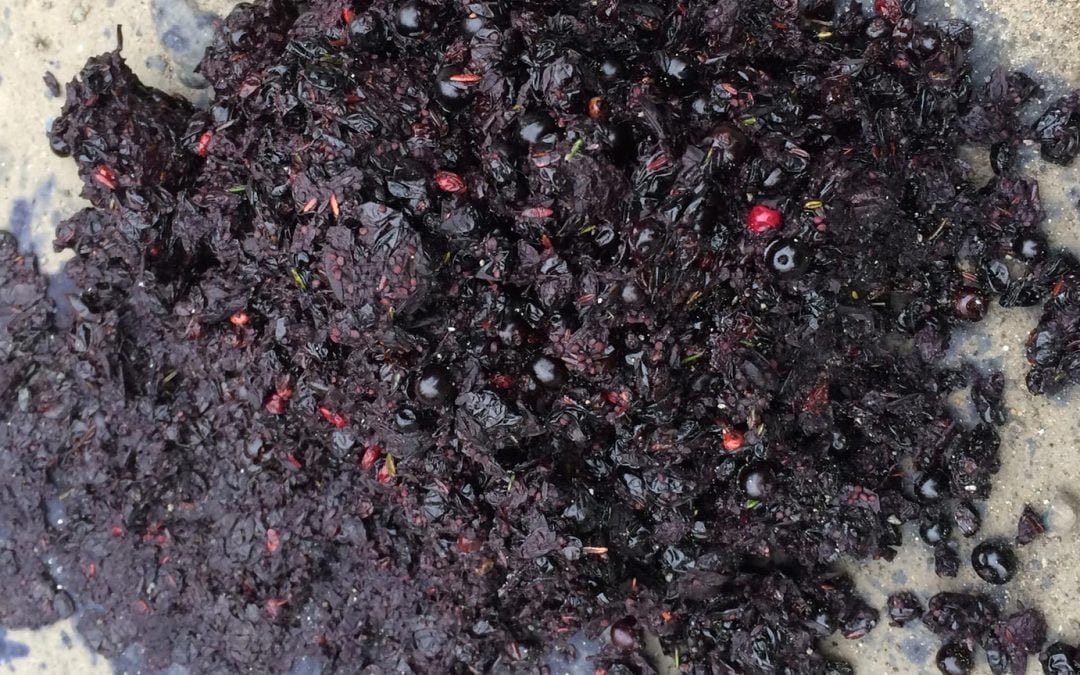
Bear Scat.  iNaturalist Photo Credit L to R:  Grizzlyann, Gerald Haase, Lucile-OURS.

Because scat is found wherever the bear decided to leave it behind, it tells you where and generally when the bear has been so it’s very useful for identifying bear habitats. The DNA analysis technique used on these scat samples is called Genotyping in Thousands by Sequencing (GT-seq). This method can extract information regarding the species, sex, and individual identity of the bear. Knowing this poop-extracted bear information can help scientists track the movement and migration of individual bears as well as trends in bear parentage! Scat also contains cortisol (the stress hormone) which can be used to monitor the relative stress levels of the local bear populations. This can be really important for bear conservation because it can tell us whether bears in certain areas are experiencing more stress than others (are bears living by highways more stressed than those that don’t, for example).

We are generally aware of what bears are eating but scat analysis can give us specific statistics regarding how often and how much bears are consuming of different foods. It also helps chart changes in diet. If one food is present one year and absent the next, this might indicate environmental changes that made this food source inaccessible. OURS can also see how bears are affecting their food sources in turn. As part of this project, Fressigné is partnered with the Kwanlin Dün First Nation who are interested in how or if bear predation is affecting the declining moose population in the Fish Lake area.

The goal of the first season of research was to test the community-based sampling method and generally gauge the public’s interest in the project. It was an opportunity to implement new genetic technology on the collected samples and to test whether the scat collection methodology would yield enough useable DNA. It also aimed to identify the presence and distribution of bears in the sampling areas. Moving into the second season of sampling, OURS is going to adopt a more rigorous sampling method by hiring students to run survey transects in the study area and by partnering with more First Nations and groups that are involved in traveling and exploring through the Yukon wilderness. This includes hunters and trappers, tourism companies, mining companies, summer camps, schools, and very lost tourists. Just kidding on the last one, being a tourist is both dangerous and illegal at the moment.

The OURS project is primarily about providing a population estimate but it’s more than just a bear abacus. Studying the genetic markers in bear scat reveals information about the genetic diversity in bear populations. This work also helps emphasise how important it is to maintain this diversity in order to keep these vulnerable apex species healthy and stable. The groovy analysis from these scat samples will also provide tons of info about bear stress levels, parentage, and the trends and impacts of bear predation. Who knew poo could be so educational?

Bear Scat.  iNaturalist Photo Credit: 1st Alisonp, 2nd and 3rd Grizzlyann

The project is important for future bear conservation efforts and not just because it gives us an approximate bear count. This study can be used to monitor the impact of climate change on bear behavior and population trends. Continued bear scat surveys can also reveal critical/preferential habitats for bears, and lead to the restoration of these habitats or the creation of protected areas that would minimize human/bear conflicts. Which is great because I don’t know about you, but I don’t want to fight a bear. But in all seriousness, these types of conflicts tend to end badly for the bears so it’s best if they can be mitigated or avoided entirely.

As you can see, there are a lot of benefits to the non-invasive, cost effective, kind of smelly, and highly informative research method of scat sampling. This method will hopefully allow the OURS project to collate an estimate of our Yukon bear populations and improve the scope of our bear-related knowledge. If you want to learn more about the project, check out the OURS Facebook and iNaturalist page and consider, come this spring, being part of the bear bowel movement collection crew!

OURS Facebook: https://www.facebook.com/OURS.lf
OURS iNaturalist: https://www.inaturalist.org/projects/operation-ursus-research-using-scat

Joelle Ingram

Joelle Ingram

Human of Many Talents

Joelle is a former archaeologist, former wildlife interpreter, and a full-time random fact enthusiast. She received her master’s degree in anthropology from McMaster University. One of the four people who read her thesis gave it the glowing review “It’s a paper that would appeal to very specific group of people,” which is probably why only four people have read it. Her favourite land mammal is a muskox, her favourite aquatic mammal is a narwhal. She thinks it’s important that you know that.

867-456-7400
 info@yukonwildlife.ca

Explore by Category

Explore by Author