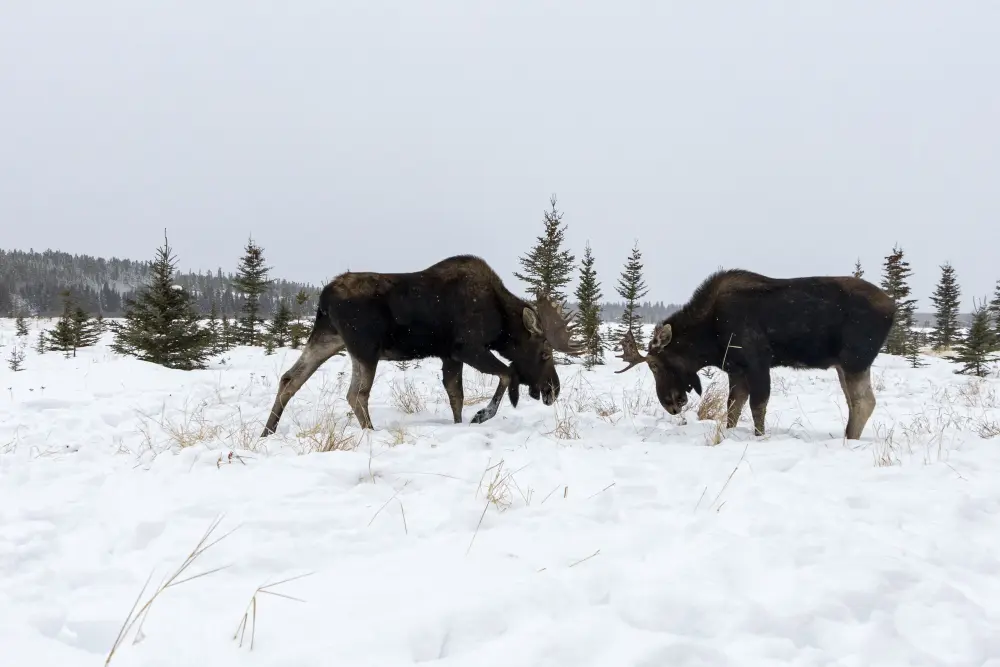
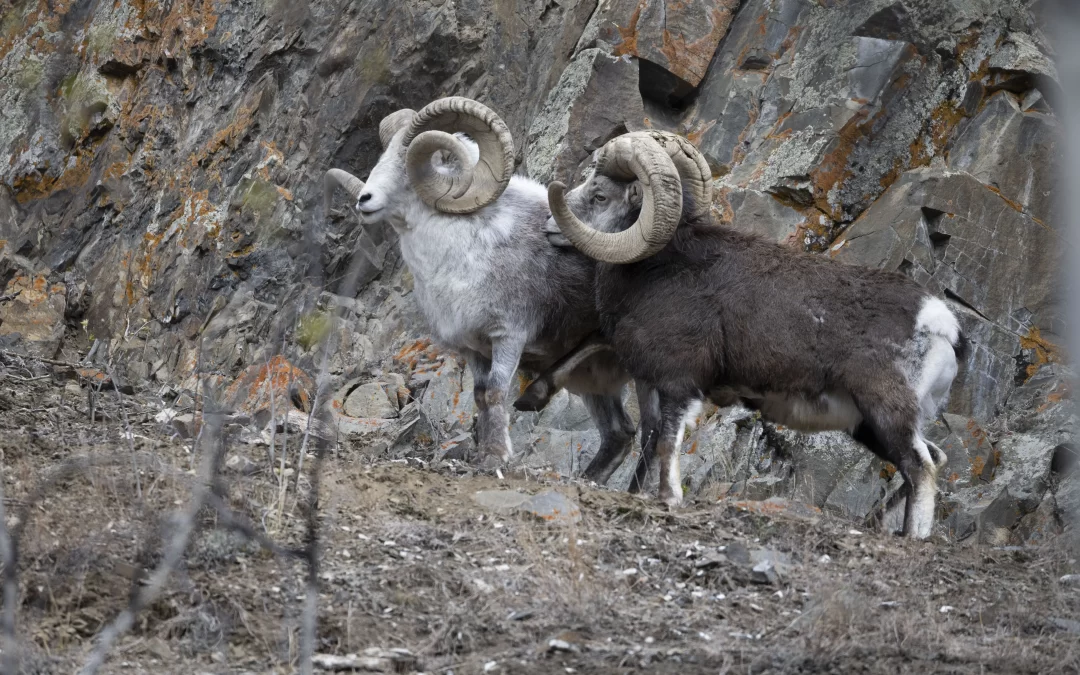
How Do Animal Communicate?

How Do Animal Communicate?

animal questions

by Doug Caldwell | Jul 15, 2025

20 minute read -

How Animals Talk: An Introduction

All creatures communicate with one another and others by using the primary methods of sound, sight, touch, body language (visual cues) and scent. 

The Limits of Human Senses

Some of these communications methods are not as pronounced for we humans as we did not evolve the superior abilities with our senses to make a living on the landscape and protect ourselves, we evolved the big brain instead. Humans are not physically equipped to detect the many subtle elements within a particular scent or distinguish all individual scents that may be present at a common location. Our olfactory systems are not that well developed. Our hearing range is also limited in comparison to various species that can hear much higher and lower frequencies than average humans. So too our vision abilities where animals have some very envious advantages with their eyesight. Some animals can easily see in the dark, some can see greater distances than us, while others can see colours beyond our range of vision - some into the infrared portion of the natural light spectrum. One can only imagine what insects perceive with their Arthropod or compound eyes.

Sound: Nature's Symphony

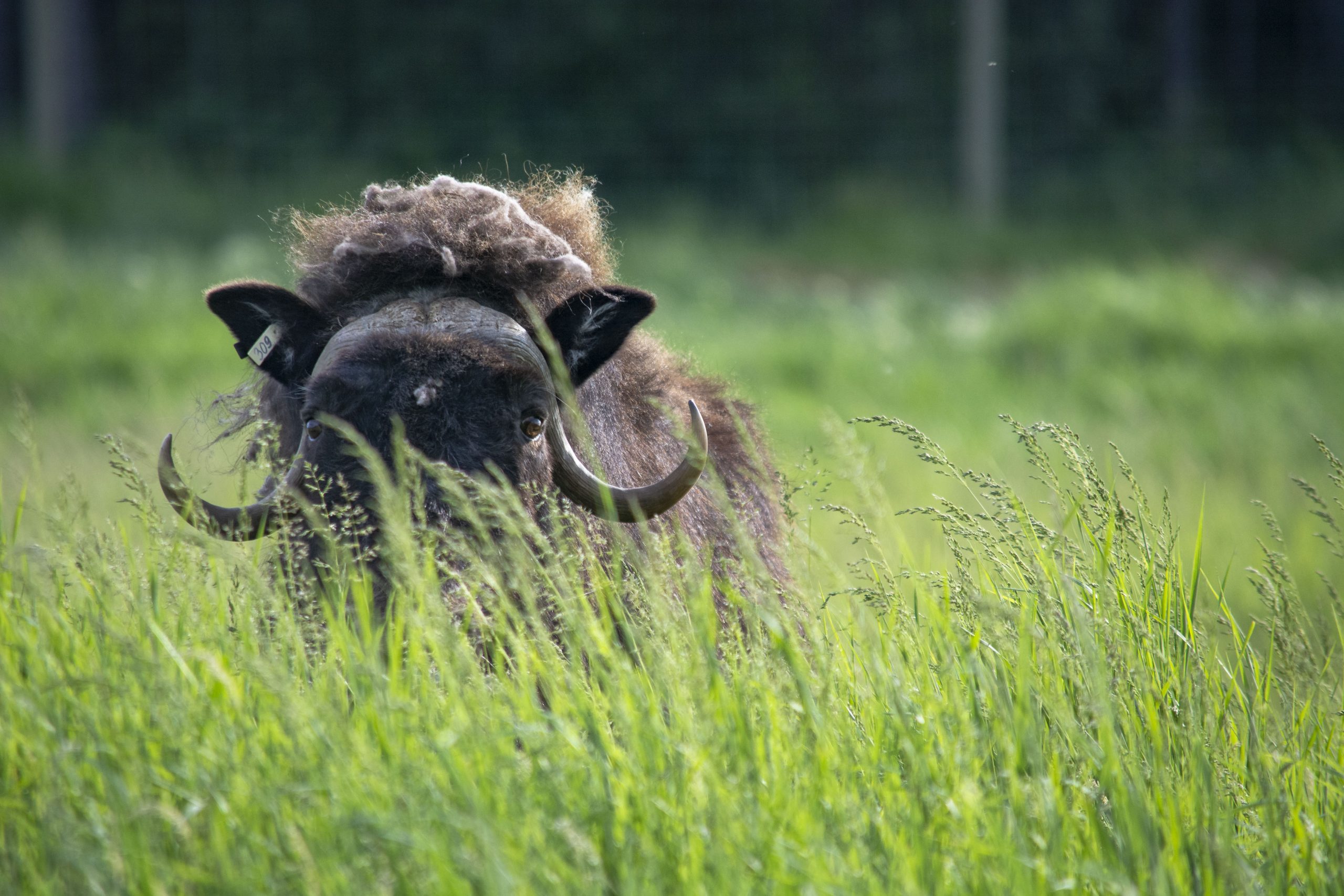
Other creatures like the Musk Ox have evolved communications techniques as adaptations to where they live. In the high arctic where Musk Ox are naturally found, winds blow hard over the tundra and most high frequency sounds are distorted or obliterated by a strong wind. Over many thousands of years Musk Ox evolved to produce a low frequency vocal sound that travels much further and is undistorted by moderate winds. Calves, when communicating with cows or each other, bleat. The pitch of the bleat lowers with maturity. Adults have deeper voices that sound closer to roars and rumbles. Adults also grunt and snort at each other in close proximity. When they are grunting these low frequency sounds it is sometimes possible to feel the vibrations in your chest rather than hear the sounds they are making if you are standing close enough to them.

Human hearing is typically within the audible frequency range of 20 Hz to 20,000 Hz. Other species, such as bats and songbirds, produce sounds that are well beyond this limited hearing range of humans. Humans are missing much of the natural symphony in our wilderness because our hearing is not sufficient to hear higher frequencies. Many birds produce sounds that we cannot hear, but our cats and dogs and other wild creatures can.

Birds will often have more than one song which they may use to attract a mate or announce dangers, and while these songs may sound similar, they may have subtle differences that can mean a lot to other birds.

Most bird communications have subtle variations that may seem minor to humans. For example, the common Black-capped Chick-a-dee call is the familiar ‘chick a dee-dee-dee,’ but when alerting danger there is a noticeable increase in the number of dees announced and the increased repetition of the alert call.  

Mating songs and danger alerts are different by species and their songs will also change over the seasons, and some birds of the same species may have different songs that have evolved within a geographic community of that particular species.  Some other animals will come to know these alert sounds where the birds on guard will make all aware of potential dangers within a specific area. Ground squirrels perform similar audible warning alerts when dangers may be lurking nearby.

Woodpeckers make a wide range of vocal sounds but also rely on the sounds from their hammering on trees and other items to communicate to others. These hammerings also have subtle differences that mean different things that we can only speculate as to their meanings. Did woodpeckers invent their own form of Morse code, and is it different by woodpecker species?

Insects like the ant communicate by leaving scent trails (pheromones) if they are indicating a path to food or some other required resource. They also touch antennae in what is presumed to be a detailed method of communication. Moths and butterflies also depend on pheromone scents primarily for finding mates during their breeding cycle. 

Many animals have scent glands of various kinds which they use to mark their territorial boundaries or attract mates. These scent glands may be located on the legs, faces or near their genitals. Some animals must rub objects to deposit their scent while others like the skunk, felines and foxes can also eject their fluid scent some distance. Urine is often used as a scent marker for a variety of species.

Each communication option is limited by physical distance and environmental conditions, as such, the animal tends to communicate with the best option available to them at that time and within the environmental conditions of wind, smoke or precipitation or to avoid announcing their location to predators.

Sight is perhaps the most limited communications sense as it is dependent on available light, although some species have evolved superior eyesight for night viewing, all species are limited to how far they can see clearly, and again there is a spectrum of ability within the animal kingdom which is the result of many millions of generations that adapted to the environment in which they live. The environments the animals live in determines how their eyesight evolved over time. Those that dwell in caves and similar dark places are often close to blindness as they no longer depend on their eyes to navigate in their environment, their other senses have adapted to provide the information about their local environment.

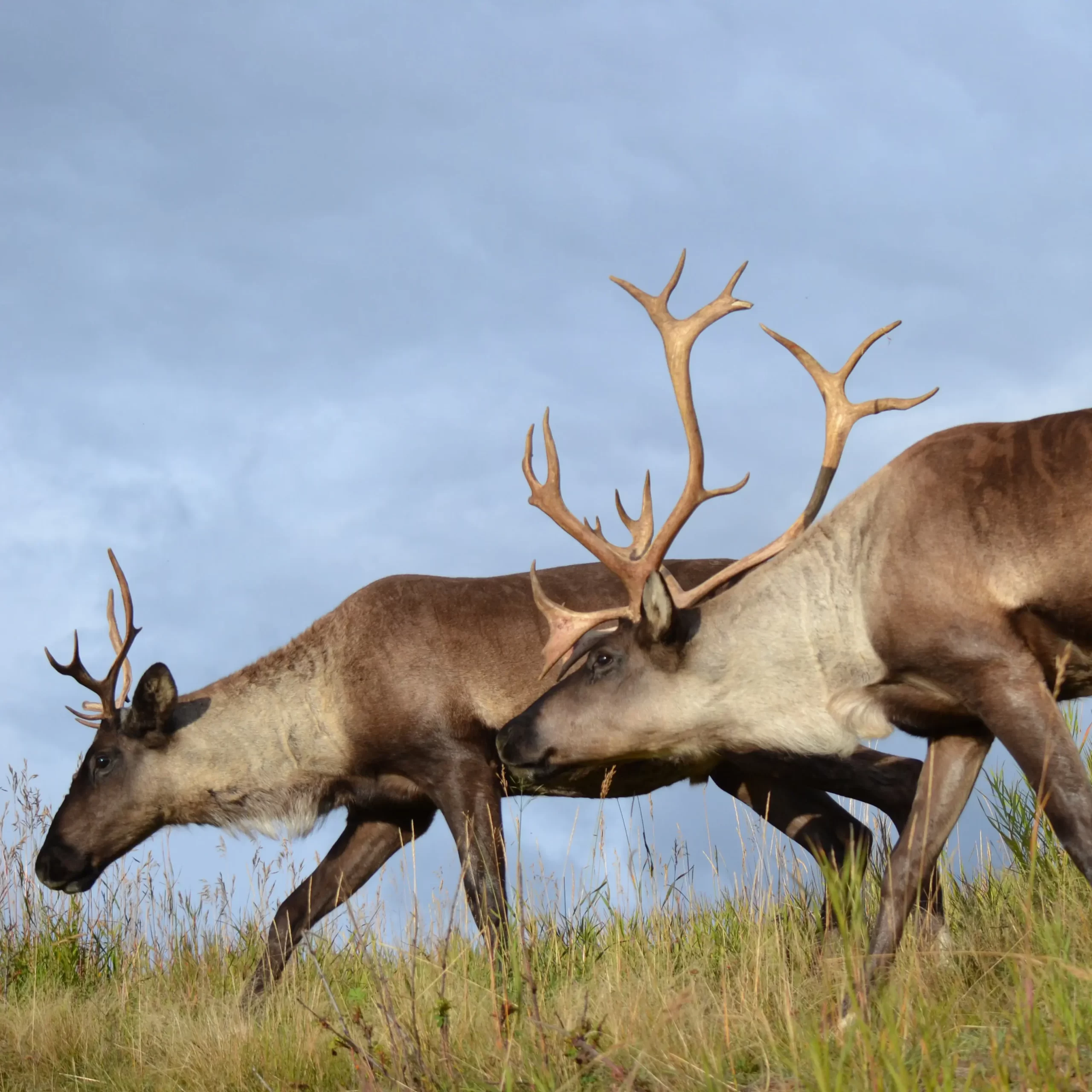
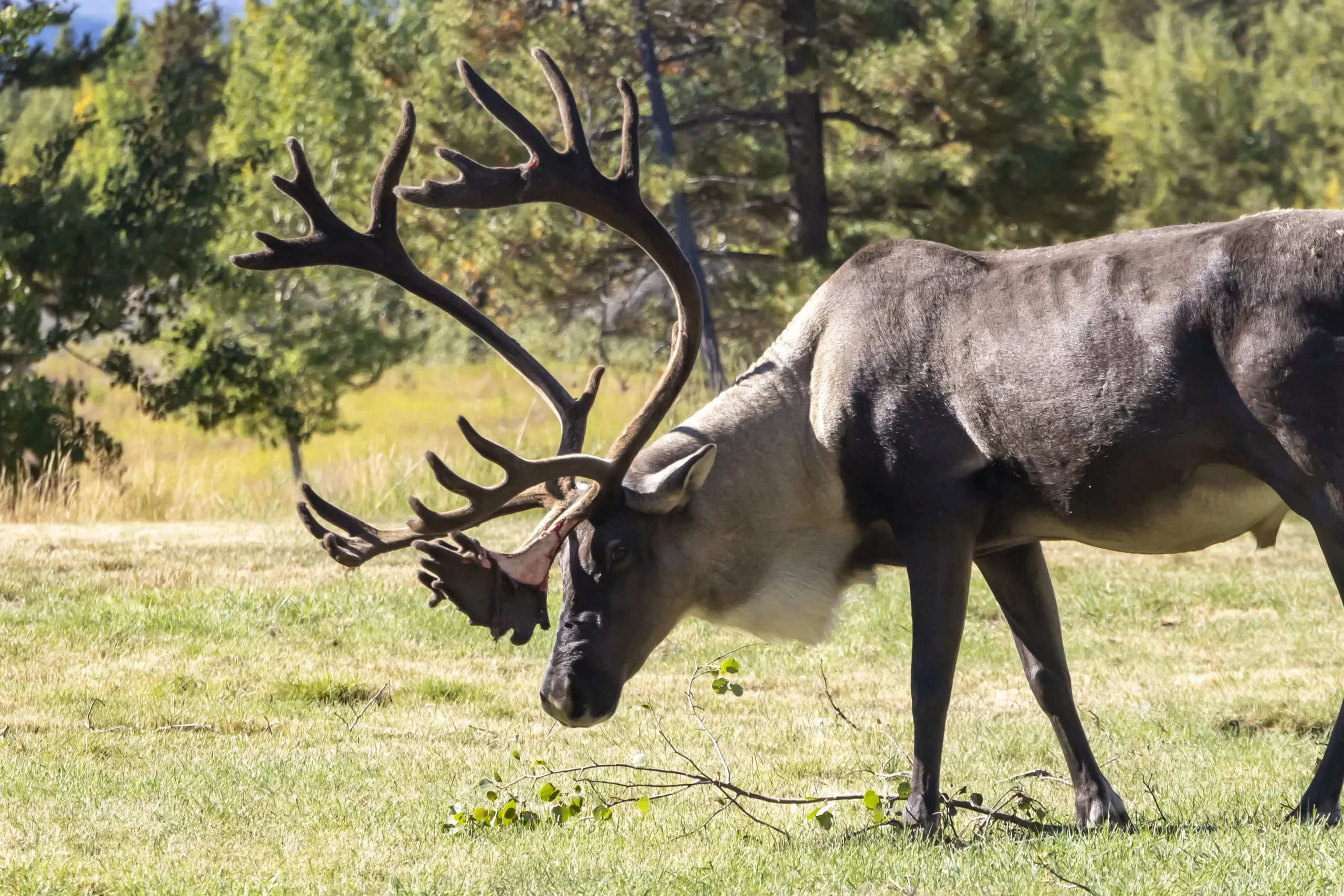
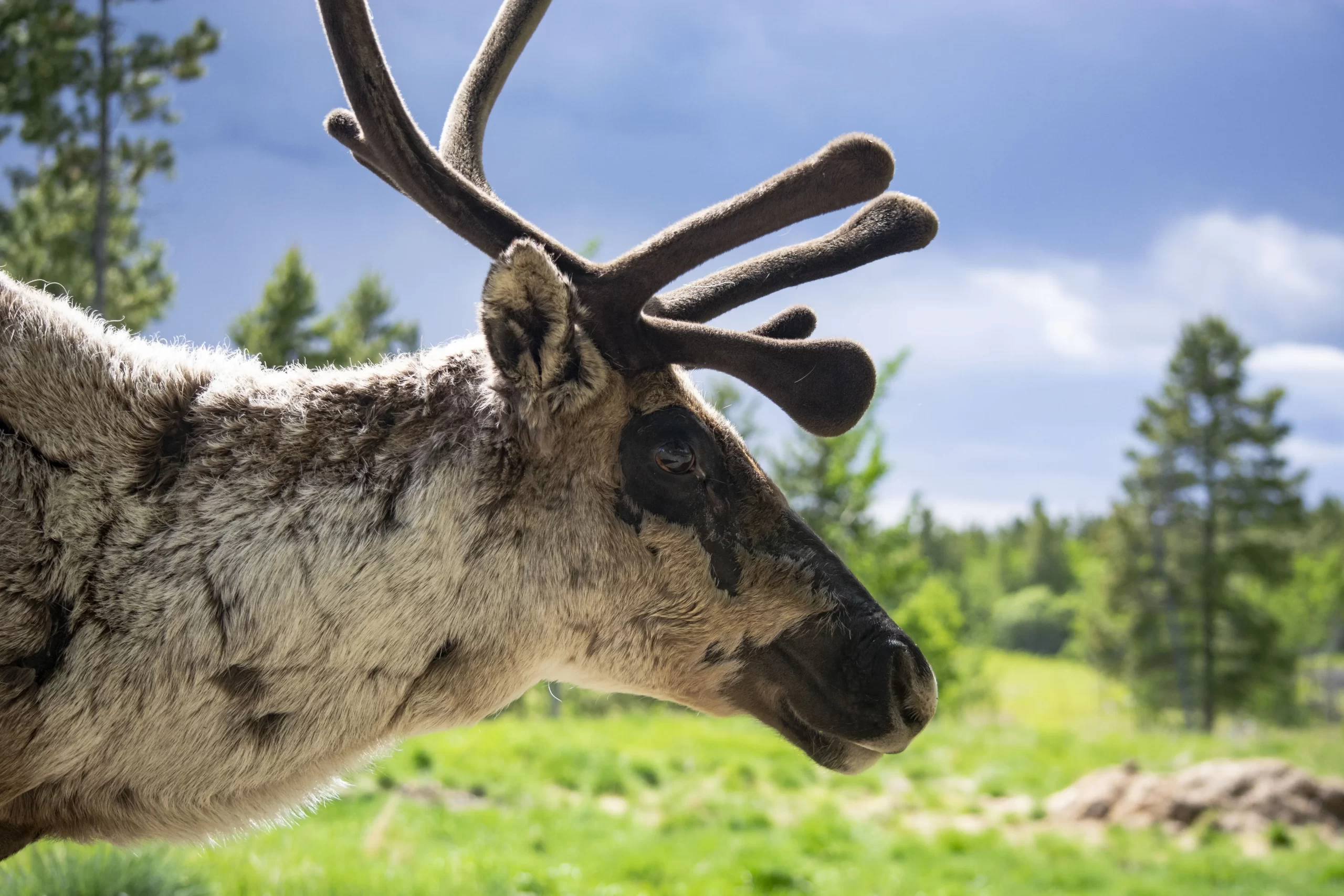
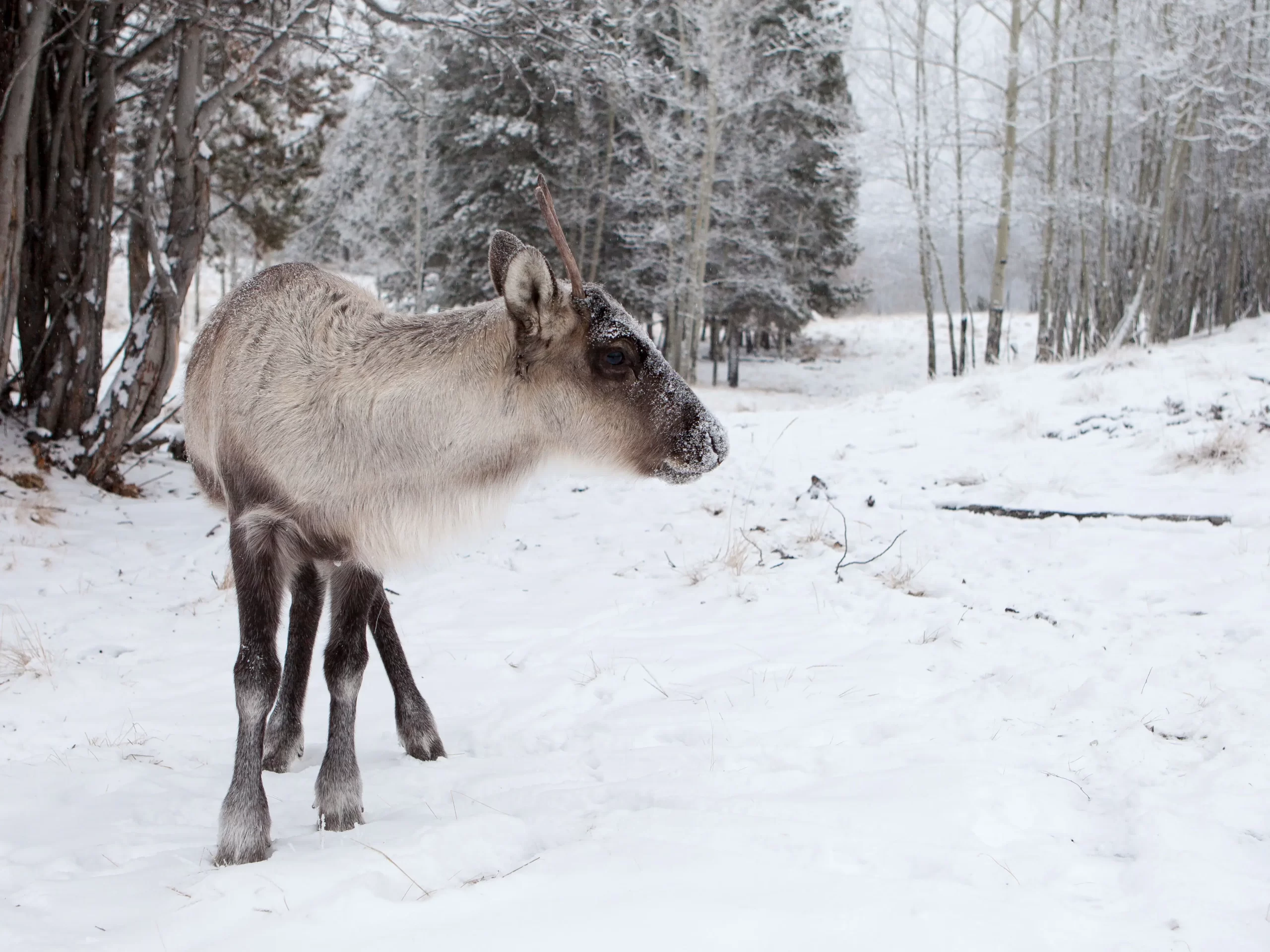
Grassland animals have different sight requirements than animals that live in the forests and jungles. Grazing animals typically have their heads down to eat which has influenced much of their evolutionary development including how long their necks are, the location of their eyes and ears on their skulls, focal distances for both near and far objects and even the visual spectrum they have evolved to see. Caribou have the ability to see in infrared, allowing them to see more features of their vicinity like urine spots left by other animals such as wolves and other predators.

Sound as a communications tool is also limited by distance and influences such as wind or rain which can muffle sounds or distort them such as the rustle of leaves being blown by a strong wind. Some species have hearing that is superior to others, which also is an adaptation based on the environment they must make a living in. Some creatures will lay down and remain still when weather conditions corrupt sound volumes and create distortion, limiting their ability to hear potential dangers near them.

Scent: Messages on the Wind

Scent is perhaps the optimum communications sense animals use to remain aware of the world around them, and while scents may be blown on the wind or distorted or diluted in some way, scent travels further and more clearly than any other communications option. 
For an example of sensory limits, let's examine the Grizzly Bear’s sensory abilities

  • In general terms a bear’s eyesight has an estimated range of about 40 meters depending on light conditions and bears have strong low-light vision abilities and some may have better or lesser sight abilities determined by age and genetics.
  • A bear's hearing is over twice the sensitivity of human hearing and exceeds the human frequency ranges. It is said that bears can detect a human conversation at 300 meters and a camera shutter at 50 meters.
  • A bear’s sense of smell has been measured to be capable of detecting food up to 20 kilometers away in most environmental conditions, recognizing scents are also are carried some distances by the wind.

Clearly, scent detection is the optimum communications option available to bears and the majority of other animal species. To this end, they utilize scent marking to make sure others know of their presence.

Lynx, foxes and numerous other species mark their territory with scents they rub or spray onto selected trees or landmarks to define their range boundaries. These marker trees will often include scratch marks made by the animal’s claws which provide a visual clue in addition to the scent.

Scent is also a key indicator of estrus or when a female goes into heat alerting all the males that she is becoming ready to breed.

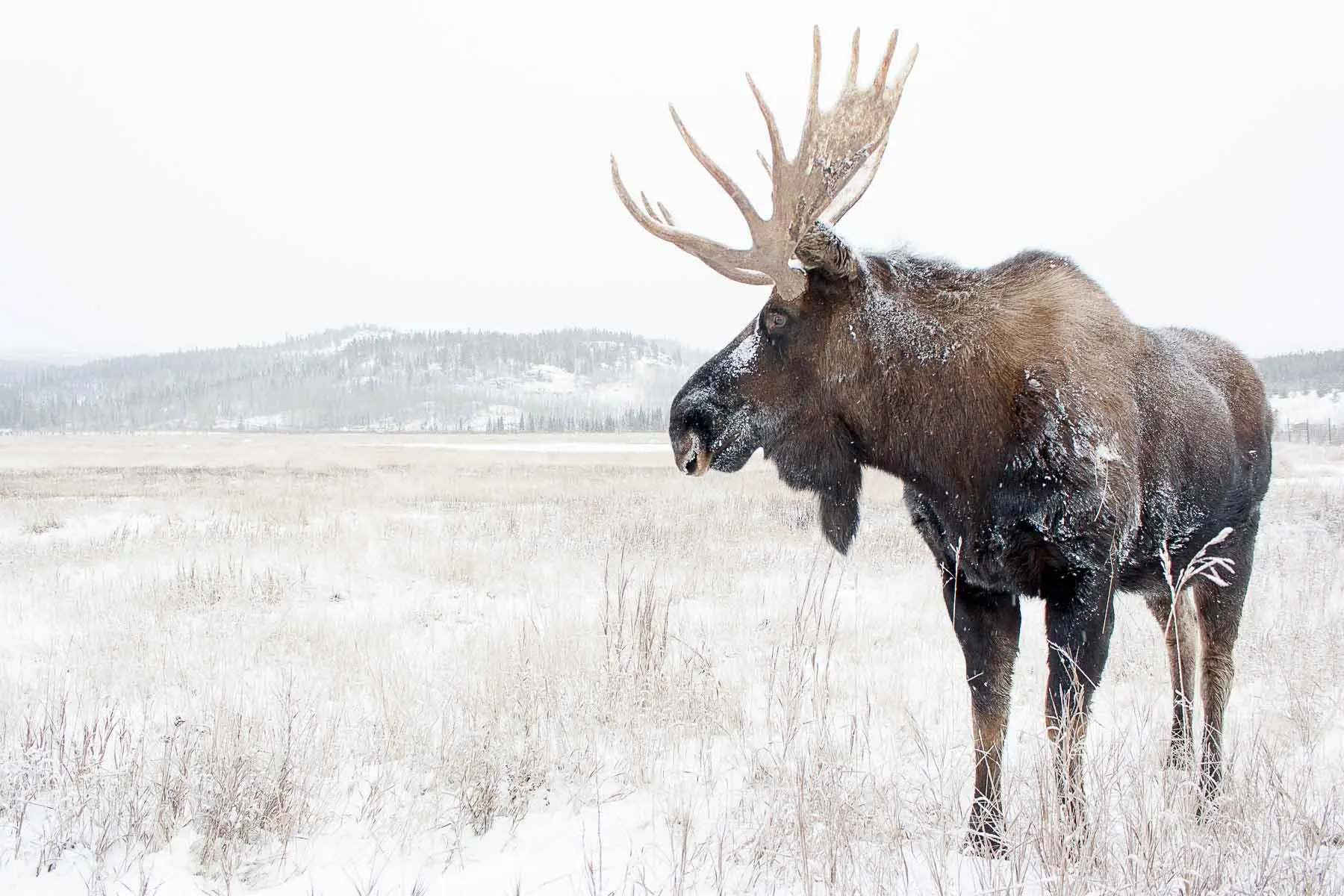
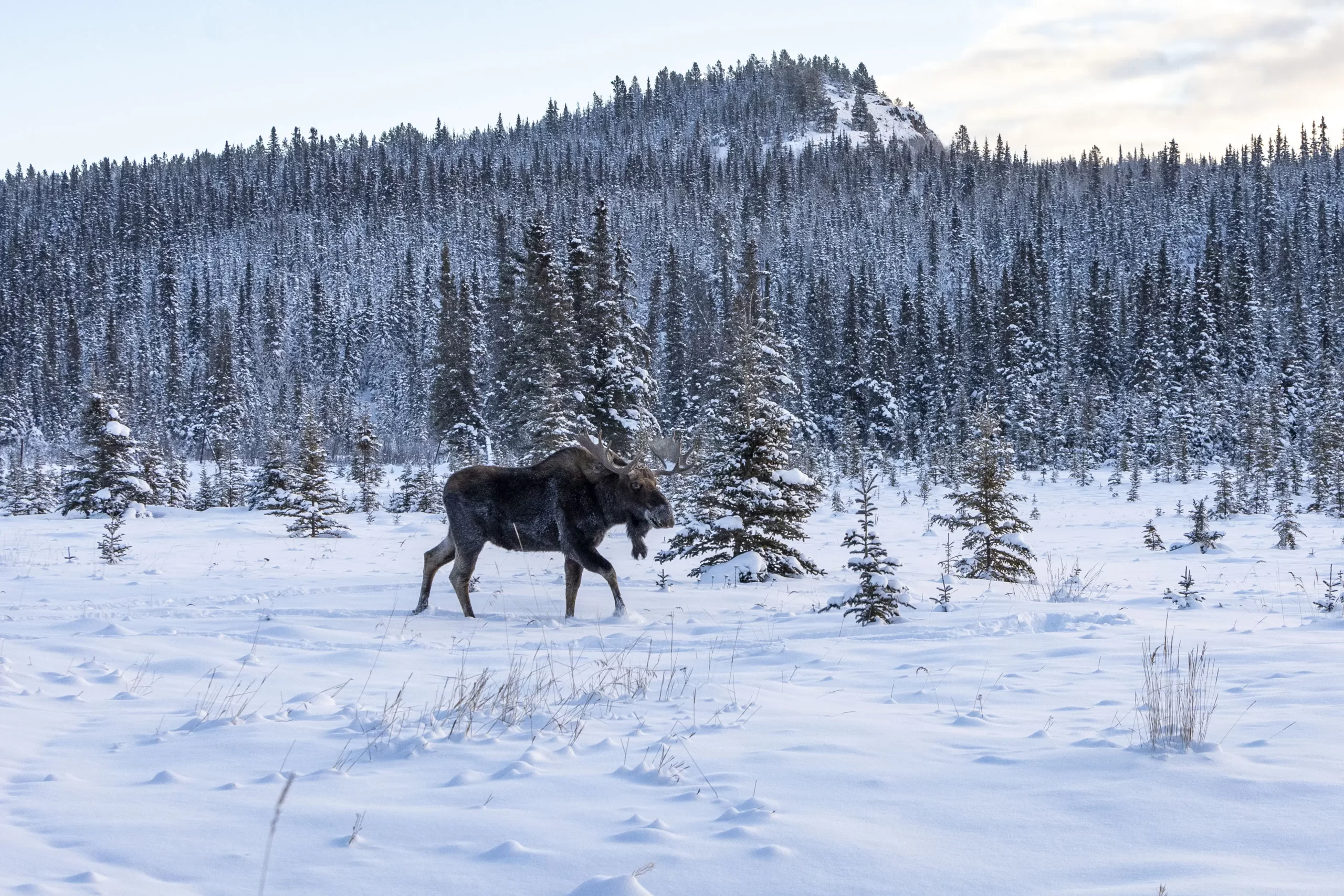
Male ungulates also employ scent to advertise their locations during their breeding cycles. A bull moose, caribou or elk will urinate on themselves to get their pheromone scent on the breeze and traveling to let both females and males know where they are and their readiness to breed. Predators such as bears and wolves will also detect these pheromones, but for them the message is: potential lunch is over that way.

Honeybees perform an elaborate “waggle dance” in the hive to inform others where new food resources can be found and may also leave a sent marker on the target location to further help hive-mates to locate the new food supply. Other insects utilize scent marking to communicate to their kind.

Sight: The Visual Language of Wildlife

Many bird species rely on their physical appearance for attracting mates. Male birds are usually more colourful and vocal so they attract the attention of any females that may be nearby. Females are not usually coloured as brightly and colourful as the males, partly because they must sit on a nest of eggs when camouflage is helpful for their protection. 

As noted above, Body Language is a common method used by animals to share information. For example, when large animals like bison, moose and mountain goats turn sideways to your view, they are saying:

“This is how big I am - Think before you intrude into my space.” They may also paw the ground with a hoof which might mean you missed the first message and now it’s time to move on…quickly.  

Whitetail and Mule deer stomp their feet to alert other members of their group that danger may be near and to be on the look-out. Wiggling of ears and rubbing against one another are also methods of body language. A head turned a certain way, lips pulled back and teeth exposed, snorting, head shaking, posturing and even running styles all are communication displays animals employ to communicate with each other. 

How animals hold their tails or move them is another signal used to express themselves. The position of the bison’s tail is also a great indication of body language. In addition to switching the tail back and forth to flush insects, frequent tail-switching occurs in a variety of situations, predominantly during play, such as chasing and bounding. You can judge a bison’s mood by watching its tail. When it hangs down and is swishing naturally, the animal is usually calm. But if the tail is sticking straight up, it may be ready to charge. Similarly, if the tail is raised and stiffly held 0° to 90° above the horizontal the animal is displaying some agitation. This is observed most frequently during trotting/running/bounding such as in playful chases, stampedes or in short charges. 

Most are familiar with when a dog is wagging its tail to mean it is happy, but it could mean something else entirely for a different species such as a cougar where tail movements can display uncertainty or building excitement or anxiety of the animal.

Body Language: Silent Conversations

Watching the sheep rams you will see many ways they interact with each other. Some of this is easy to understand, like when one is coming to access the feed troughs and usually the younger boys get out of the way when they hear the warning grunts from the dominant elder rams. It is well known rams will get up on their hind legs and smash their horns together like in a mating fight. They may also interlace their horns gently and rub ears with each other or touch the other’s body in some fashion such as one animal rubbing a front leg against the ribs of another standing near. These gestures are common, and we are not always certain what they might mean, but the rams do not appear to be distressed by them, so perhaps it is a form of acknowledgement greeting like a handshake.  

Mountain goats appear to employ ESP between themselves, they do grunt and use body language, but there are times when one will walk into an area with a group of other goats that scatter when the other approaches and perhaps wiggles its ears in a particular way or some other gesture that’s difficult for us to perceive. This could also be a demonstration of herd hierarchy through body language or scent where the subordinates know who the boss is and give them lots of space. Some nanny goats display cuts and abrasions on their noses to signify there has been some physical communications in confirming who is dominate and who is subordinate within the herd.

The Role of Environment in Animal Communication

Waterfowl depend on a couple basic methods of communication. The most common is their vocal sounds, quacks and honks are answered back from birds already on the ground, and the incoming birds will also use their remarkable vision to look for others on the ground to confirm it is safe to land. That’s why decoys were invented for hunting as waterfowl are very cautious and are on the lookout for anything they may perceive as a danger waiting for them to land. Waterfowl on the ground employ other methods of communications such as flapping their wings while extending their necks or head bobbing to each other.

It is a myth that duck quacks do not echo. They do, but it may be difficult to hear the echo due to the geography of where ducks are typically found out on a body of water usually away from any echo-producing land formations to reflect the duck’s quack. Larger waterfowl like swans and geese are well known for their loud honks as they migrate overhead, they may also murmur with soft throat sounds as they paddle along the water, usually keeping offspring following in-line behind mom.

Have you ever taken your dog for a walk and notice it sniffs certain places and ignores others? They are searching for scent marks left by other animals. Often, they will urinate on the same spot to let others know they too were in this area. Some say an animal can determine when these scent marks were made, what kind of animal made it and if it is a regular known visitor to the area or if it is a new animal passing through. Similarly, canines are well known to sniff the back end of other canines as a form of introducing themselves and confirming who the other animal is.

Bears, lynx and some other species use a different tactic by selecting a tree, usually on a well used trail, and scratching the bark as high as they can reach. They also leave scent behind and probably some hairs from back-rubbing too. These trees become regular markers for other bears and animals. The scratch marks made by the bears indicate how large they are by their reach and whatever their scent reveals to the rest of the local area. 

Arctic Ground Squirrels use their voices to alert others of dangers as they stand watch over their colonies. Watching for predators on the ground and from above; when a threat is sighted the animals begin their chirping and the danger signal is relayed around the area by others to ensure all know about the pending danger. Gophers may also communicate by wagging their tails at each other.

Some animals do not make sounds unless they are in some peril. The Snowshoe Hare depends on stealth and silence to remain healthy and alive, and as such they do not make regular sounds among themselves, but if they have been caught by a predator, they can scream their distress quite loud and clearly.

Most animals have a keen sense of hearing as it is a fundamental sense for their lives. Some species like the deer family have very mobile ears that move to better capture and hear a sound. Many times, a member of the cervid or deer family will give away its hiding location by moving its ears in response to a sound. An uncontrollable reflex, ear movements are similar to a cat’s tail in that the movement is a reflex and cannot be controlled easily.

Hearing is an important sense animals depend on and some creatures have remarkable hearing abilities. A regularly demonstrated example of this at the Preserve is during feeding time for the lynx and foxes. To prevent the animals here at the Preserve from developing a predictable routine, their feeding time is staggered somewhat day by day, but they all know the sound of the food truck and can hear it a substantial distance away. The local ravens, whiskey jacks and magpies know that sound too so when the food truck finally gets up to the carnivore habitats, everybody is in their places waiting for lunch to be served. The animals can distinguish between the food trucks and the tour buses and they know the bus never carries food, so they don’t get too excited when one of them shows up full of visitors.

Enhancing Your Wildlife Experience

While you are visiting the Preserve try to observe how the animals behave with one another and you will witness some of the subtle ways they communicate. 

You regular visitors to the Preserve may also notice the changes in the sounds the animals make at different times of the year. Spring sounds are commonly associated with breeding. Arriving migratory birds who do not yet have a mate, will sing their HERE I AM song to appeal to females also seeking a mate. In the springtime it is common to see and hear a robin at the very top of a tree on a still evening singing his heart out to attract a mate or claiming dominance of that particular area.

Once eggs are in the nest the females become silent to better hide their offspring from predators lurking nearby. Momma birds make sounds when dealing with the chicks like announcing the arrival of food or instructions to stay quiet and close to mom. Nesting Great Horned Owls will give a hoot when ravens are flying within eyesight, as ravens have been known to prey on eggs and hatchlings in nests they find, these warning hoots are very clear in their meanings.

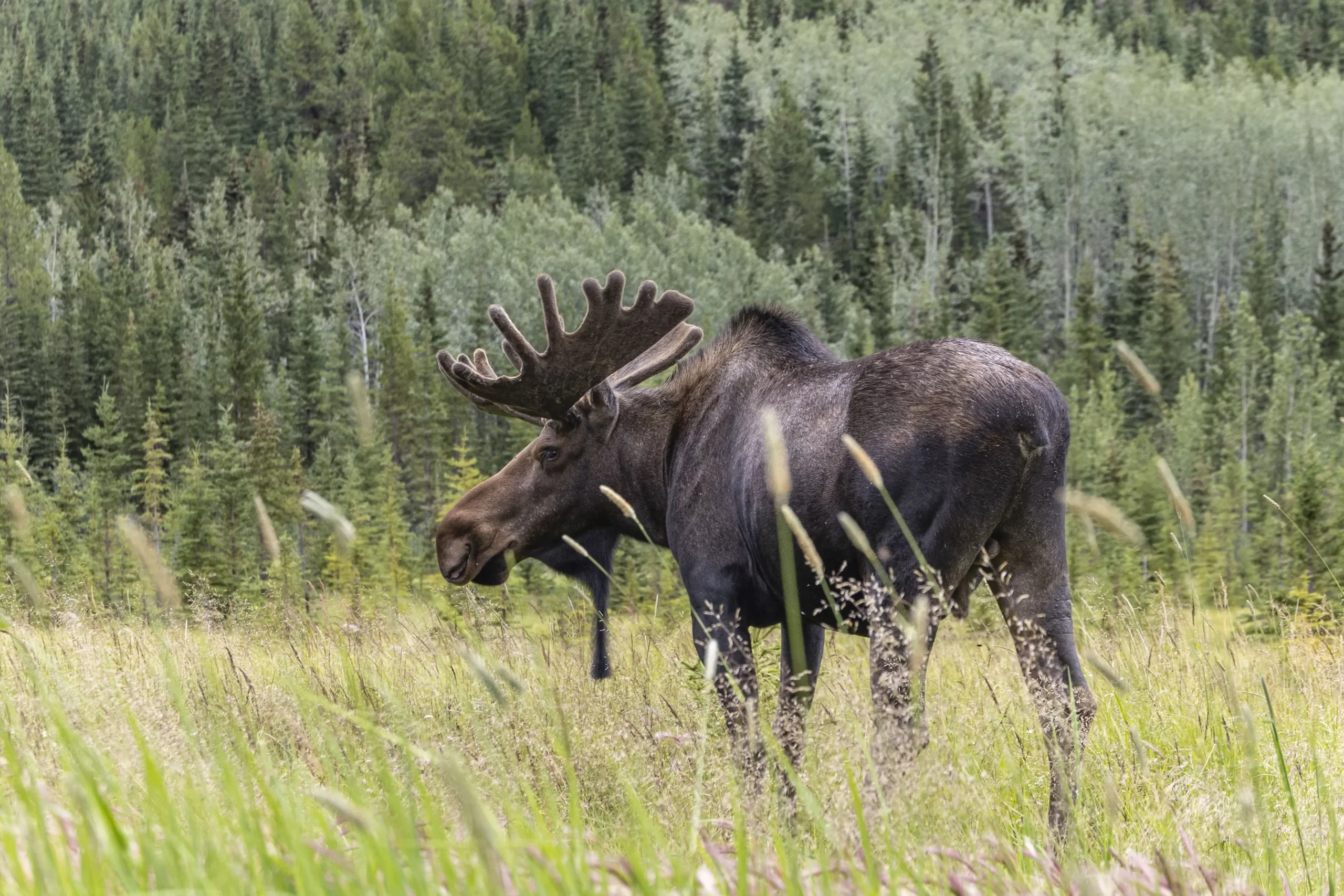
For those keen to try their moose calls, our moose may appear to be uninterested because they have heard so many attempts that they don’t pay attention anymore, but like most creatures in the wild, they rely on stealth to survive so they don’t make sounds unless they need to, and moose only need to for a couple weeks each year during the fall rutting season. So, don’t feel bad if the moose don’t acknowledge your call. They probably heard you, but you don’t look or smell like a moose and it is not mating season. But you may hear them as they mumble or complain to one another when together at the feeding stations.

For birding enthusiasts, technology has provided some wonderful new tools to help identify bird species by their songs and visual image. Merlin in a free app developed by Cornell Laboratories. The app converts your cell phone to identify the species of birds by their songs and image. 

Communing with nature offers a wide range of stimulation for our human senses and is one of the primary reasons people like to experience the great outdoors. It provides a broad collection of sights, sounds and smells that stimulate our quality of life and tell the story of the environment you may be experiencing at that time.

Imagine how much more we could experience if we humans had the same sensory abilities as the various animals we admire.
Doug Caldwell

Doug Caldwell

Wildlife Interpreter

Doug is one of the Interpretive Wildlife Guides here at the Preserve. An avid angler and hunter he has a broad knowledge of Yukon’s wilderness and the creatures that live here. With a focus on the young visitors to the Preserve, Doug takes the extra time to help our guests to better appreciate the many wonders of the animal kingdom here in the Yukon.
Explore by Category

Explore by Author

The Curious Case of Dewlaps: Moose and Their Underappreciated and Mysterious Neck Accessories

The Curious Case of Dewlaps: Moose and Their Underappreciated and Mysterious Neck Accessories

animal questions

by Lindsay Caskenette | Jan 30, 2025

10 minute read

When you think of a moose, you might picture an iconic Canadian creature with long legs, a majestic set of antlers, and the undeniable air of someone who really doesn’t care about traffic. What might not come immediately to mind is the subtle yet striking neck accessory that moose wear with... well, little to no fanfare: the dewlap. Yes, that’s right—moose, with their immense size and serene grace, sport a fleshy flap of skin dangling beneath their throat.

If you've ever had the privilege (or slight anxiety) of encountering a moose here at the Yukon Wildlife Preserve, or on a cross-country road trip, you’ve maybe noticed this particular feature. But what is it, and why does it exist? Let’s explore this underappreciated anatomical feature with a mix of scientific curiosity and the lighthearted humor it deserves.

What is a Dewlap, Anyway?

A dewlap is essentially a flap of skin that hangs from the neck, or throat of an animal and while it may seem like just an odd fashion statement, it often serves practical purposes. Dewlaps appear in all kinds of animals—like lizards, cows, chickens, rabbits, and yes, moose. Depending on the species, dewlaps help with everything from sexual selection, to staying cool to general communication. In moose, the dewlap isn’t just a bizarre fashion accessory, it's also a multi-purpose tool in their biological toolkit - we think!

Watson on the left, Marsh on the right. 2023-making Watson 4 years old and Marsh 2 years old in this photo. Notice the dewlap difference?

Fun Fact: a dewlap on a moose is also called a bell. If you’re a bird, that fold of skin is called a wattle. For rabbits, dewlaps are basically nature’s way of saying, “Congrats, you’re all grown up now!” Female rabbits flaunt these fluffy neck pillows as a sign of sexual maturity. Later, when they have babies, they even pluck the thicker fur grown here to line the nest. Birds and reptiles, on the other hand, can take it up a notch with their flashy neck frills—bright, colorful, and often retractable like the world’s fanciest pop-up tent, perfect for showing off in romantic or territorial drama. 


Sitana ponticeriana. Photo by Niranjan Sant from Lizards in an Evolutionary Tree. 

But when it comes to ungulates, like moose, their dewlaps remain a mystery. It’s the unsolved cold case of the animal kingdom, stubbornly dodging scientific scrutiny. Nature can be funny like that sometimes.

Moose Practical Fashion: Is It About to Take Off?

Let’s address the most important question right off the bat: Do moose know they’re rocking a dewlap? Probably not. But if they did, we imagine it would make them feel pretty cool—like the one guest at a party with a trendy outfit no one else can pull off.  In the moose world, the dewlap is one of those things you don’t really see in everyday fashion. While antlers get all the glory in the animal kingdom, these enigmatic ornaments quietly steal the show in these hoofed animals. 

Moose, who roam the colder reaches of North America, use their dewlaps to help cool off in warmer weather. Male and female moose have dewlaps though their sizes differ considerably with, naturally, the male dewlap being larger than the females. The loose skin beneath their throat appears to expand and contract, and become more or less furry based on seasons which would help release heat from their bodies. This means that on a hot Yukon day (don’t worry, we don’t have too many of those), the dewlap might help prevent a moose from overheating as they browse lazily in the wild.

Moose September 2013 - Justine Benjamin. Cow and bull moose in rut season.

This statement might be contested by research from ungulates evaluated from Bro-Jørgensen given the need to thermoregulate (dissipate heat) is rather limited when you live in a more predominantly cold-climate than comparatively the eland antelopes of South Africa. Large ungulates like bison, elk, and yak do not present this caruncle; they may have evolved alternative, behavioural, cooling mechanisms that are less ‘cool looking’! But, wait, what about caribou? Technically, they fall under the 400kg threshold of the study and live in a cold climate and though they (males particularly) seem to rock the dewlap… sort of, theirs is more of a budget-friendly version compared to the moose’s deluxe mode.

(We’ll admit we’re pretty perplexed that both moose and caribou have flappy neck skin but wouldn’t be considered in the list of animals with evolutionary cooling mechanisms as they both are amazing swimmers, spending a lot of time in water and thus being able to cool themselves via this method—alas we will stick to moose necks!)  We appreciate that Bro-Jørgensen recognizes investigations into ungulate dewlap purposes has been left largely unexplored and for some reason, lizards have stolen all the scientists' attention. 

Dewlaps and Courtship: The Moose Dating Scene

If you thought moose were all about antlers for impressing mates, think again. Dewlaps are also, or alternatively to thermoregulation, thought to be involved in courtship. During mating season, male moose seem to have enlarged dewlaps to make themselves appear more impressive. After all, what’s a little extra neck real estate if it helps you woo the ladies? This trait can also be found in male leopards—alongside aging the dewlap grows, similar to a lion’s mane thickening, scientists believe this growth helps in intra and inter-specific interactions—the important sexual selection kinds of interactions for attracting mates and staving off competitors.


Moose Bull Watson in Summer 2024 and Winter 2024 show a side view of the animal and its dewlap. It appears larger by possibly being more hairy in the winter for protection of the extra skin. In summer lighter and able to dissipate heat like its less hair covered ears in the summer.

In some species (like lizards), males will flare their dewlaps out to signal dominance or interest in a mate. While moose don’t exactly go full "show-off" mode with their dewlaps, the extra skin could play a role in their mating rituals. After all, being a moose isn't all about looking tough with those antlers—it’s also about managing the subtler art of, well, neck presentation. 

These photos from young to old, left to right, are of Watson. We see from photos, the size of the dewlap appears to become larger over time. Bro-Jørgensen also explores the idea of the dewlap (in elands) being a detterent to predators as the side view makes the animal look larger and perhaps more intimidating. This would align with mature, genetically inclined animals having a larger dewlap. Though this was taken further and scarring on the dewlap was tested, exploring its advantages or disadvantages to protecting the common area of attack on prey by predators in some inter-species interactions.

A "Dewlap-umentary" Moment

Imagine a scene straight out of a nature documentary: A lone moose stands amidst the wild, its dewlap gently swaying in the wind as it scans the horizon. It’s a thing of beauty, really. But then, a rival moose appears on the scene—let the neck flap show begin! Not much behaviour present in ungulates, as seen in lizards and birds, but the moose may posture, showing off their large body size and then bam - side view of an impressive neck dangle and their rival runs away in fear - perhaps a convincing illusion.

Winter Snow and two moose bull October 2020 29 YWP Lindsay Caskenette

Wrapping It Up: A Love Letter to the Dewlap

So, the next time you visit the Yukon Wildlife Preserve and you catch sight of a moose strolling majestically past, don't just look up at the antlers or marvel at their towering size. Look down (or, more accurately, look to the side) and take a moment to appreciate the dewlap. Despite all the brainpower spent pondering this, no one really knows why moose have dewlaps. Is it a fashion statement? A built-in scarf for chilly mornings? Who knows!

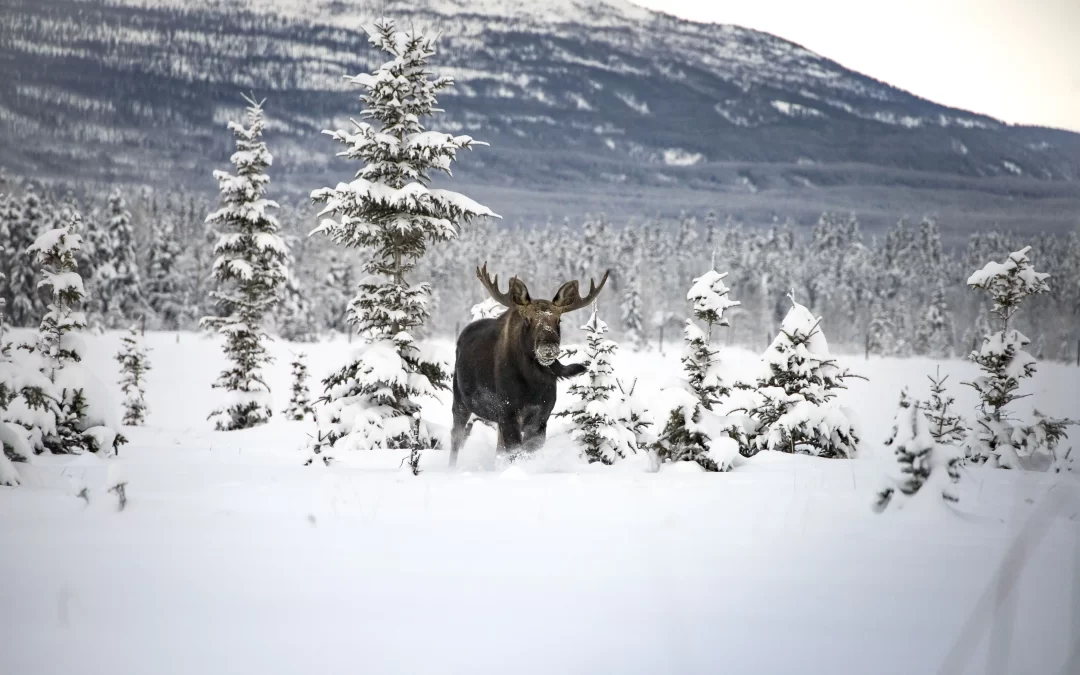
moose in snow . The bull shows off his impressive size, antlers and dewlap. Jake Paleczny.

Since both male and female moose have them and they don't seem to offer any major survival or dating perks, scientists think basically, ungulates got their dewlaps through evolutionary peer pressure, but not the same kind as lizards and birds. While birds and lizards are out there with their flashy, look-at-me neck bling for dating or drama, ungulates might’ve evolved their dewlaps for totally different reasons—like a mysterious club no one’s quite figured out yet. The dewlap might just be a leftover from moose ancestors—like a trendy accessory that’s fallen out of style but still hangs around (sciencey talk calls this a vestigial trait).

Moose watson Jan 22YWP winter L.Caskenette dewlap swing - would this intimidate or attract you - if of course you were a moose?

In the world of wildlife, the moose's dewlap is mysterious, beautiful, and—if we’re being honest—just a little bit stylish. Who knew that this flappy neck skin would be so fascinating? Certainly not us. But we’re glad we found out. Wait, what exactly did we find out!?

Resources:

Bro-Jørgensen, J. Evolution of the ungulate dewlap: thermoregulation rather than sexual selection or predator deterrence?Front Zool 13, 33 (2016). https://doi.org/10.1186/s12983-016-0165-x

Baeckens, Simon et al. “The brown anole dewlap revisited: do predation pressure, sexual selection, and species recognition shape among-population signal diversity?.” PeerJ vol. 6 e4722. 8 May. 2018, doi:10.7717/peerj.4722

Jonathan Losos. How Many Times have lizard Dewlaps Evolved? August 12, 2011.

Photo credits: L.Caskenette, J.Benjamine, J.Paleczny, M. Mark., (unless otherwise noted).


Lindsay Caskenette

Lindsay Caskenette

Manager Visitor Services

Lindsay joined the Wildlife Preserve team March 2014. Originally from Ontario, she came to the Yukon in search of new adventures and new career challenges. Lindsay holds a degree in Environmental Studies with honours from Wilfrid Laurier University and brings with her a strong passion for sharing what nature, animals, and the environment can teach us.

867-456-7400
Lindsay@yukonwildlife.ca

Explore by Category

Explore by Author

Those Things On Their Heads – Antlers Vs. Horns

Those Things On Their Heads – Antlers Vs. Horns

animal questions

by Doug Caldwell | Jan 27, 2023

10 minute read -

In our modern language usage, some terms or words may be incorrectly applied when describing an item. For example: some people do not always distinguish between horns and antlers where they incorrectly refer to all animal headgear as horns. Antlers and horns are very different in a number of ways and these variations are the result of millions of years of evolution and adaptation for the animal species to live a healthy life in the environment they occupy.

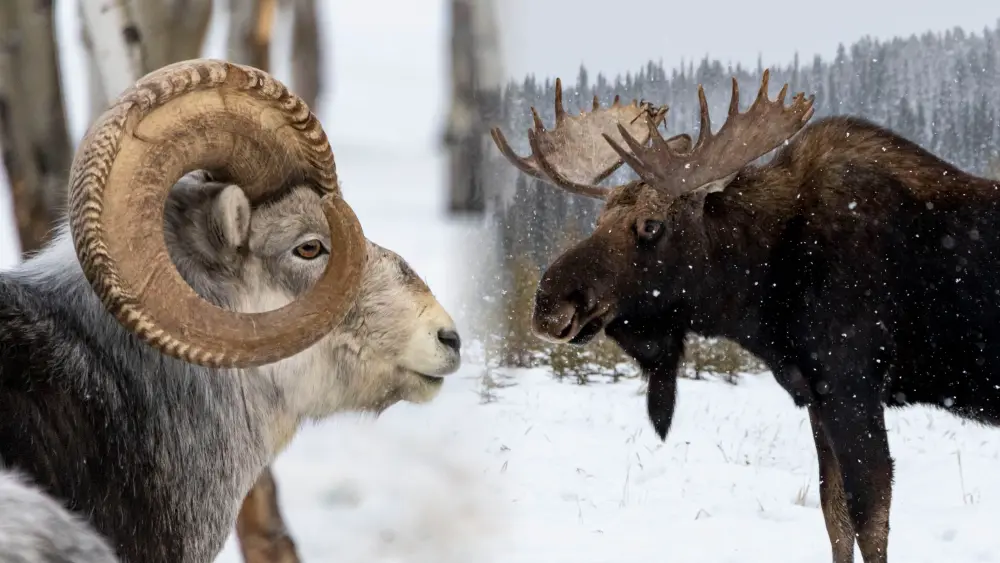
Bovids, or members of the horn-bearing group of animals versus cervids, or members of the deer, antler-bearing group of animals. 
Photo left to right:  Mountain goat, bison, moose, caribou. 
Credit: L.Caskenette & J.Paleczny

Headgear has influenced many aspects of some species and how they conduct themselves through the year; including the obvious breeding cycle but also their comfort in the heat of summer and how they communicate and identify themselves visually.

Let’s begin with construction materials: Horns are made from keratin- the same material as your hair and fingernails- whereas antlers are made from bone. Horns are a two-part structure. An interior portion of bone (an extension of the skull) is covered by an exterior sheath grown by specialized hair follicles called keratin.

Horns grow from the base where it attaches to the animal’s skull, antlers grow from the tips. Antlers are grown only by males of the deer species except for Caribou where females grow lightweight antlers, an adaptation for their grazing in snow for lichen. Horns are present on both male and females of most horned species with the males typically having larger horns than the females. 

Bovid family of animals have horns and both females and males with grow these horns. Typically female horn growth is smaller than males. Sexual selection plays a role here for large displays in both horn and antler bearing animals.

Perhaps the greatest difference between horns and antlers is that antlers are shed and regrow each year, where horns are permanent and remain and grow with the animal for all its life, or until they get broken off. Once they are broken, they do not grow back. The animal will carry a damaged or missing horn for the rest of its life.  Antlers also factor into the breeding cycles of the males who employ them to demonstrate their virility and to impress the females.

Antlers too may become broken or removed completely due to carelessness or fighting. These will grow back, but not right away. The animal must wait for the annual antler shed-regrow cycle for that year to conclude, usually in mid-winter before a new antler will form during the next year’s cycle, this may cause the animal to be without an antler for up to a year. 

Horns appear to form earlier than antlers on younger animals such as goats or bison, where Mountain Goat kids will be displaying small pointed black horns within a few short weeks of its birth, while antler buds appear at several months or so after a calf or fawn is born. But once they are in place and growing, they grow quickly.

Left to right: Mountain goat kids show horn formation, easily seen against the white; Watson the moose shows nubs of antlers developing in his first winter of life in 2019. Bison calves also show horn development early on in life. 

Antler is the fastest growing tissue of any mammal on the planet. With a healthy diet and high caloric intake, a moose can put on as much as a pound of antler in a single day. In the scope of just eight months' growth, moose antler can grow from tiny buds as big as your thumb to gigantic antler racks measuring up to six feet across or 1.8 meters from tip to tip. A large moose’s antlers can weigh up to forty pounds or nearly 20 kilograms on average. Some very large moose antlers may weigh up to 75 pounds or 35 kilograms.

Credit Alaska News Source

Source credit: Alaska News Source

Back to construction for a moment; another key difference between horned and antlered animals is how the physiology of horns and antlers differ.

Horns have a central, conical bony core or cornual process that grows out from the frontal bone of the skull. On close examination of a horn you will see what appears to be layers of horn material (keratin) growing a new layer at the base which will grow longer over time and become thicker with subsequent new layers of keratin forming as the animal ages.

After 6 months of age, the bone becomes hollow and the space within it is continuous with the frontal sinuses. The surface of the bone is rigid and porous and is covered with an internal surface which keratinizes and forms the protective covering of the horn. The new horn produced at the base is soft and often transparent giving the horn a glossy appearance. Horn growth function is similar to how the cuticle on your fingers and toes produce the nails.

Source credit: Talmudology

Antlers however attach to the animal’s skull between the eye and ear at a place called the pedicel where they will grow to full size for that year over about eight to ten months. The antlers separate from the skull at the point of attachment, the pedicel.

Antlers separate from the skull at the pedicel, typically in the winter months.

The antler side is called the corona and forms a bone to bone connection with the pedicel on the skull that is remarkably strong until the its time to shed that year’s antlers. There is a chemical influence when the animal’s hormones change following the rut and seasonal progress that causes the bone between the corona and the pedicel to dissolve where eventually it weakens enough that the skull can no longer support the weight of the antler and it falls off. Both antlers may fall off at the same time, but it is common for both antlers to fall off over a couple of days.

Horns are mostly hollow, white antlers are made up of less dense, sponge-like bone called the trabecular that has been highly vascularized during formation allowing blood to flow to the tips of the antlers to facilitate their growth. Antlers require blood to grow while horns do not.

While antlers are covered in velvet, they are also engorged with blood which provides another important benefit besides growing the antler. As animals do not perspire or sweat in any way, they must expel excessive body heat by panting as many animals do. Antlers perform like radiators where body heat is expelled by the blood-filled antlers.

Ears of most deer species shed the fur and hair off them in the warmer months so they too can dissipate body heat. If they would let you, you could take the pulse of an antlered animal by finding a blood vessel on their fuzzy antler and placing your fingers on it to feel the beat of his heart. Don’t try this at home…or anywhere else.

Both horns and antlers have also been used by people since prehistoric times for tools of various kinds.   The hollow nature of horns has made them desirable for spoons, scoops and hand shovels or scrapers while the strength and hardness of antlers has often found them to be the material of choice for making hunting points for spears and arrow heads. Antler has also been a popular material for handles of tools like knives and axes.

Creativity and need, guided the early peoples to adapt and modify both horns and antlers for a wide variety of tools and other purposes to better their quality of life. They have often been used to make buttons for clothing or ornamentation. Antlers have been carved into needles for sewing of clothes, shelter and similar products, Horns were popular as gun powder containers as they would prevent the powder from getting wet and were easy to carry and measure the appropriate amount of powder into the firearm.

Yukon art Hints of Easter by Faye Chamberlain, 2021. Yukon Permanent Art Collection.

Both antlers and horns provide important functions for the animals that grow them so they may live healthy, secure lives. Their headgear has also influenced many of their social behaviors that have developed and evolved over the centuries. These include mating rituals and protective activities against potential predators.

Most of us have seen sheep rams rearing up on their hind legs and pounding their horns against another ram in courtship competitions, but they may use their horns to communicate in less violent ways. Rams may interlace their horns and gently rub ear to ear as a form of communication that we can only guess what it means.

Antlered animals also employ their antlers as a means to communicate for example when two young bulls will use their antlers to joust or push each other around like a game of reverse tug o war.

Antlers are also a means of displaying size and age which will determine their social order of who is dominant and who is subordinate. From a distance the size of the antler rack quickly displays the animal’s placement in the local social order, typically around the breeding season or rut when many male moose may gather in an area for an opportunity to breed with cow moose drawn to the area by pheromones carried in the wind.

Bulls with smaller antlers will size each other up based on their antler racks and determine their chances of winning a fight with a larger bull.

Animal headgear serves a number of important benefits for the creatures that grew them. Humans have also found inventive and beneficial uses for both antlers and horns once the animals are finished using them. Humans often use antlers and horns for tools, but they can also be transformed into wonderful works of art. Nature provides.

Doug Caldwell

Doug Caldwell

Wildlife Interpreter

Doug is one of the Interpretive Wildlife Guides here at the Preserve. An avid angler and hunter he has a broad knowledge of Yukon’s wilderness and the creatures that live here. With a focus on the young visitors to the Preserve, Doug takes the extra time to help our guests to better appreciate the many wonders of the animal kingdom here in the Yukon.
Explore by Category

Explore by Author