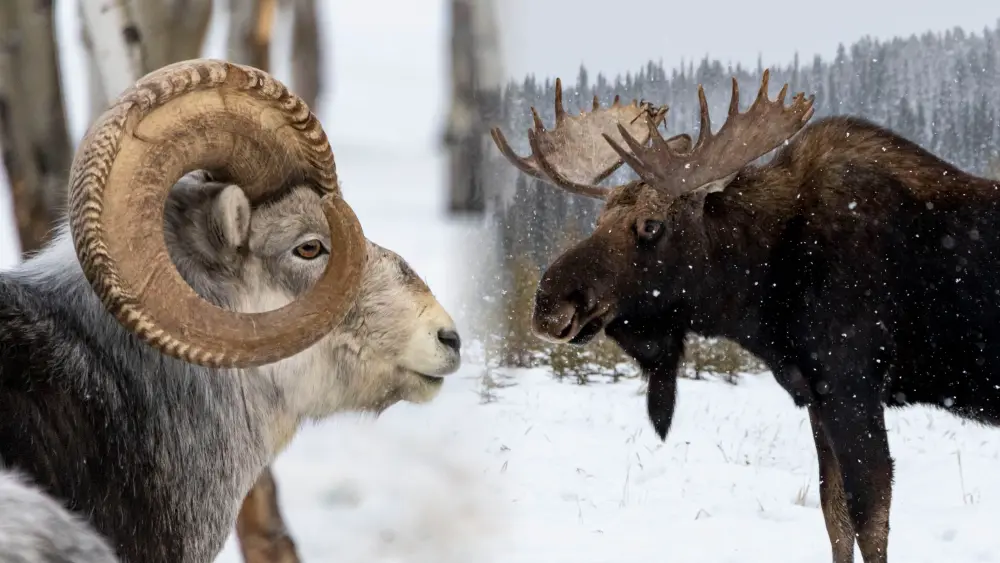
Those Things On Their Heads – Antlers Vs. Horns

Those Things On Their Heads – Antlers Vs. Horns

Canadian wildlife

by Doug Caldwell | Jan 27, 2023

10 minute read -

In our modern language usage, some terms or words may be incorrectly applied when describing an item. For example: some people do not always distinguish between horns and antlers where they incorrectly refer to all animal headgear as horns. Antlers and horns are very different in a number of ways and these variations are the result of millions of years of evolution and adaptation for the animal species to live a healthy life in the environment they occupy.

Bovids, or members of the horn-bearing group of animals versus cervids, or members of the deer, antler-bearing group of animals. 
Photo left to right:  Mountain goat, bison, moose, caribou. 
Credit: L.Caskenette & J.Paleczny

Headgear has influenced many aspects of some species and how they conduct themselves through the year; including the obvious breeding cycle but also their comfort in the heat of summer and how they communicate and identify themselves visually.

Let’s begin with construction materials: Horns are made from keratin- the same material as your hair and fingernails- whereas antlers are made from bone. Horns are a two-part structure. An interior portion of bone (an extension of the skull) is covered by an exterior sheath grown by specialized hair follicles called keratin.

Horns grow from the base where it attaches to the animal’s skull, antlers grow from the tips. Antlers are grown only by males of the deer species except for Caribou where females grow lightweight antlers, an adaptation for their grazing in snow for lichen. Horns are present on both male and females of most horned species with the males typically having larger horns than the females. 

Bovid family of animals have horns and both females and males with grow these horns. Typically female horn growth is smaller than males. Sexual selection plays a role here for large displays in both horn and antler bearing animals.

Perhaps the greatest difference between horns and antlers is that antlers are shed and regrow each year, where horns are permanent and remain and grow with the animal for all its life, or until they get broken off. Once they are broken, they do not grow back. The animal will carry a damaged or missing horn for the rest of its life.  Antlers also factor into the breeding cycles of the males who employ them to demonstrate their virility and to impress the females.

Antlers too may become broken or removed completely due to carelessness or fighting. These will grow back, but not right away. The animal must wait for the annual antler shed-regrow cycle for that year to conclude, usually in mid-winter before a new antler will form during the next year’s cycle, this may cause the animal to be without an antler for up to a year. 

Horns appear to form earlier than antlers on younger animals such as goats or bison, where Mountain Goat kids will be displaying small pointed black horns within a few short weeks of its birth, while antler buds appear at several months or so after a calf or fawn is born. But once they are in place and growing, they grow quickly.

Left to right: Mountain goat kids show horn formation, easily seen against the white; Watson the moose shows nubs of antlers developing in his first winter of life in 2019. Bison calves also show horn development early on in life. 

Antler is the fastest growing tissue of any mammal on the planet. With a healthy diet and high caloric intake, a moose can put on as much as a pound of antler in a single day. In the scope of just eight months' growth, moose antler can grow from tiny buds as big as your thumb to gigantic antler racks measuring up to six feet across or 1.8 meters from tip to tip. A large moose’s antlers can weigh up to forty pounds or nearly 20 kilograms on average. Some very large moose antlers may weigh up to 75 pounds or 35 kilograms.

Credit Alaska News Source

Source credit: Alaska News Source

Back to construction for a moment; another key difference between horned and antlered animals is how the physiology of horns and antlers differ.

Horns have a central, conical bony core or cornual process that grows out from the frontal bone of the skull. On close examination of a horn you will see what appears to be layers of horn material (keratin) growing a new layer at the base which will grow longer over time and become thicker with subsequent new layers of keratin forming as the animal ages.

After 6 months of age, the bone becomes hollow and the space within it is continuous with the frontal sinuses. The surface of the bone is rigid and porous and is covered with an internal surface which keratinizes and forms the protective covering of the horn. The new horn produced at the base is soft and often transparent giving the horn a glossy appearance. Horn growth function is similar to how the cuticle on your fingers and toes produce the nails.

Source credit: Talmudology

Antlers however attach to the animal’s skull between the eye and ear at a place called the pedicel where they will grow to full size for that year over about eight to ten months. The antlers separate from the skull at the point of attachment, the pedicel.

Antlers separate from the skull at the pedicel, typically in the winter months.

The antler side is called the corona and forms a bone to bone connection with the pedicel on the skull that is remarkably strong until the its time to shed that year’s antlers. There is a chemical influence when the animal’s hormones change following the rut and seasonal progress that causes the bone between the corona and the pedicel to dissolve where eventually it weakens enough that the skull can no longer support the weight of the antler and it falls off. Both antlers may fall off at the same time, but it is common for both antlers to fall off over a couple of days.

Horns are mostly hollow, white antlers are made up of less dense, sponge-like bone called the trabecular that has been highly vascularized during formation allowing blood to flow to the tips of the antlers to facilitate their growth. Antlers require blood to grow while horns do not.

While antlers are covered in velvet, they are also engorged with blood which provides another important benefit besides growing the antler. As animals do not perspire or sweat in any way, they must expel excessive body heat by panting as many animals do. Antlers perform like radiators where body heat is expelled by the blood-filled antlers.

Ears of most deer species shed the fur and hair off them in the warmer months so they too can dissipate body heat. If they would let you, you could take the pulse of an antlered animal by finding a blood vessel on their fuzzy antler and placing your fingers on it to feel the beat of his heart. Don’t try this at home…or anywhere else.

Both horns and antlers have also been used by people since prehistoric times for tools of various kinds.   The hollow nature of horns has made them desirable for spoons, scoops and hand shovels or scrapers while the strength and hardness of antlers has often found them to be the material of choice for making hunting points for spears and arrow heads. Antler has also been a popular material for handles of tools like knives and axes.

Creativity and need, guided the early peoples to adapt and modify both horns and antlers for a wide variety of tools and other purposes to better their quality of life. They have often been used to make buttons for clothing or ornamentation. Antlers have been carved into needles for sewing of clothes, shelter and similar products, Horns were popular as gun powder containers as they would prevent the powder from getting wet and were easy to carry and measure the appropriate amount of powder into the firearm.

Yukon art Hints of Easter by Faye Chamberlain, 2021. Yukon Permanent Art Collection.

Both antlers and horns provide important functions for the animals that grow them so they may live healthy, secure lives. Their headgear has also influenced many of their social behaviors that have developed and evolved over the centuries. These include mating rituals and protective activities against potential predators.

Most of us have seen sheep rams rearing up on their hind legs and pounding their horns against another ram in courtship competitions, but they may use their horns to communicate in less violent ways. Rams may interlace their horns and gently rub ear to ear as a form of communication that we can only guess what it means.

Antlered animals also employ their antlers as a means to communicate for example when two young bulls will use their antlers to joust or push each other around like a game of reverse tug o war.

Antlers are also a means of displaying size and age which will determine their social order of who is dominant and who is subordinate. From a distance the size of the antler rack quickly displays the animal’s placement in the local social order, typically around the breeding season or rut when many male moose may gather in an area for an opportunity to breed with cow moose drawn to the area by pheromones carried in the wind.
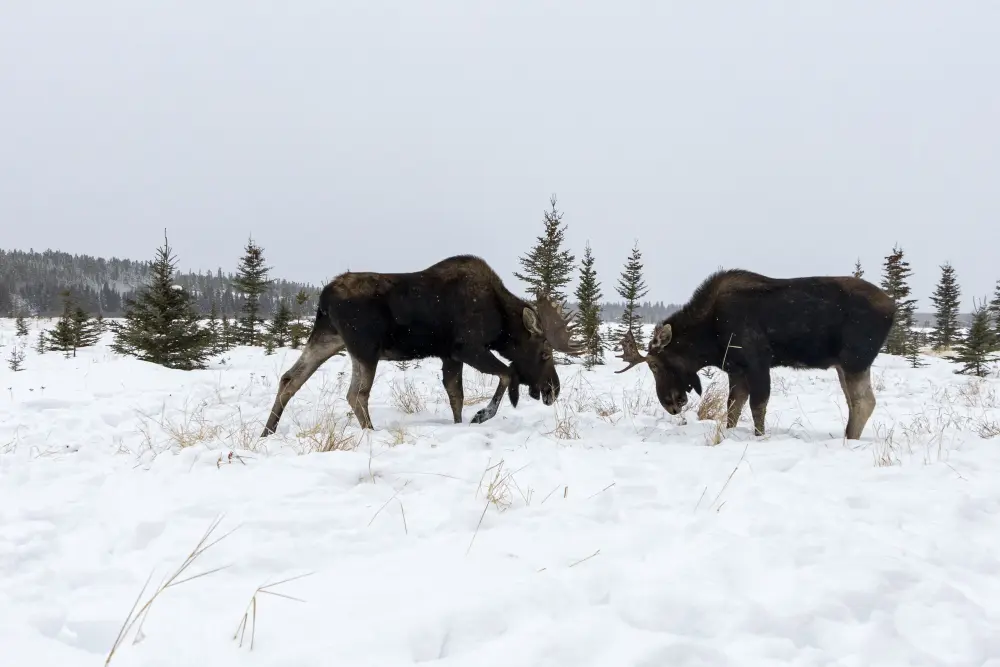
Bulls with smaller antlers will size each other up based on their antler racks and determine their chances of winning a fight with a larger bull.

Animal headgear serves a number of important benefits for the creatures that grew them. Humans have also found inventive and beneficial uses for both antlers and horns once the animals are finished using them. Humans often use antlers and horns for tools, but they can also be transformed into wonderful works of art. Nature provides.

Doug Caldwell

Doug Caldwell

Wildlife Interpreter

Doug is one of the Interpretive Wildlife Guides here at the Preserve. An avid angler and hunter he has a broad knowledge of Yukon’s wilderness and the creatures that live here. With a focus on the young visitors to the Preserve, Doug takes the extra time to help our guests to better appreciate the many wonders of the animal kingdom here in the Yukon.
Explore by Category

Explore by Author

Muskox – I’m a Survivor!

Muskox – I’m a Survivor!

Canadian wildlife

by Lindsay Caskenette | May 27, 2022

4 minute read - 

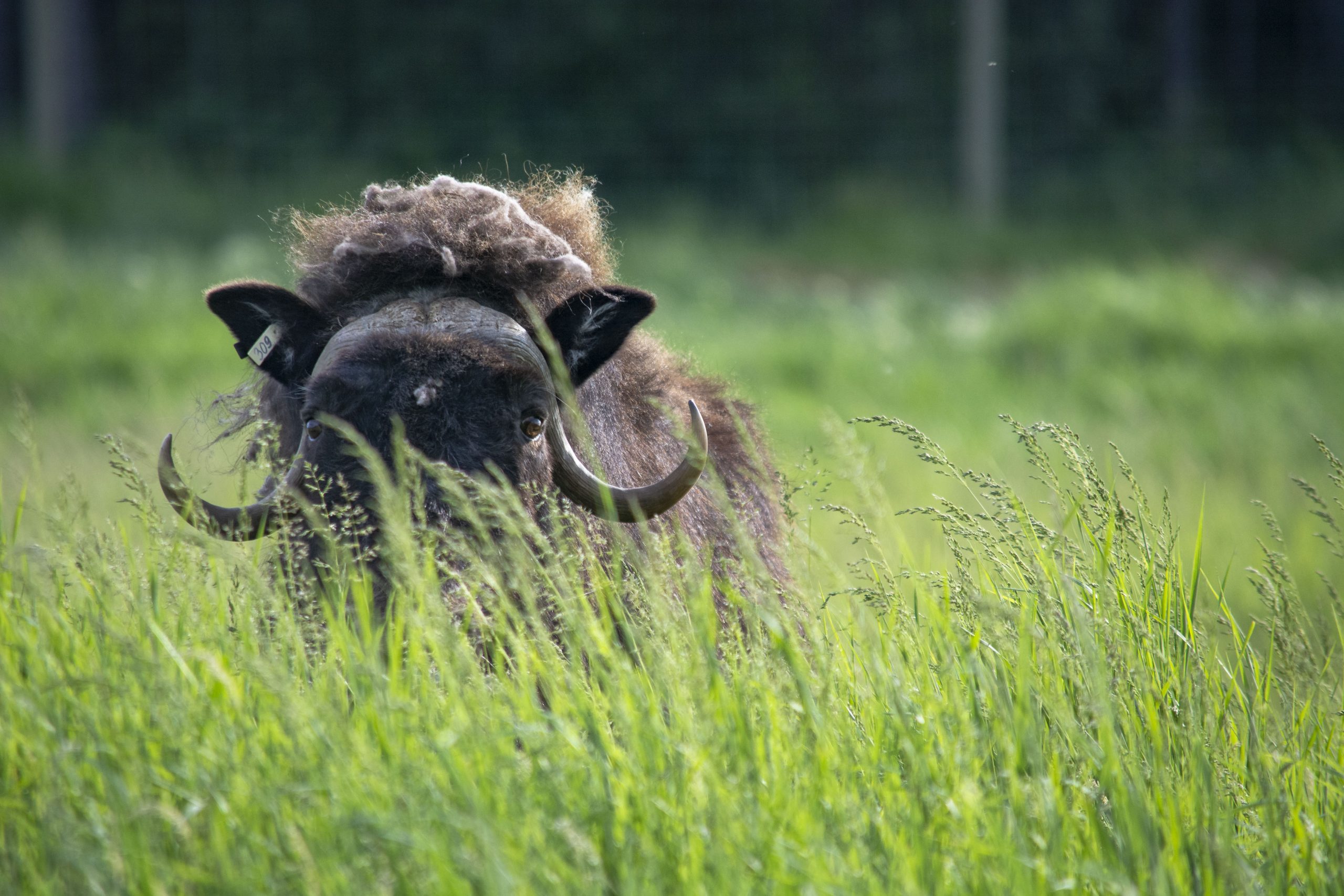
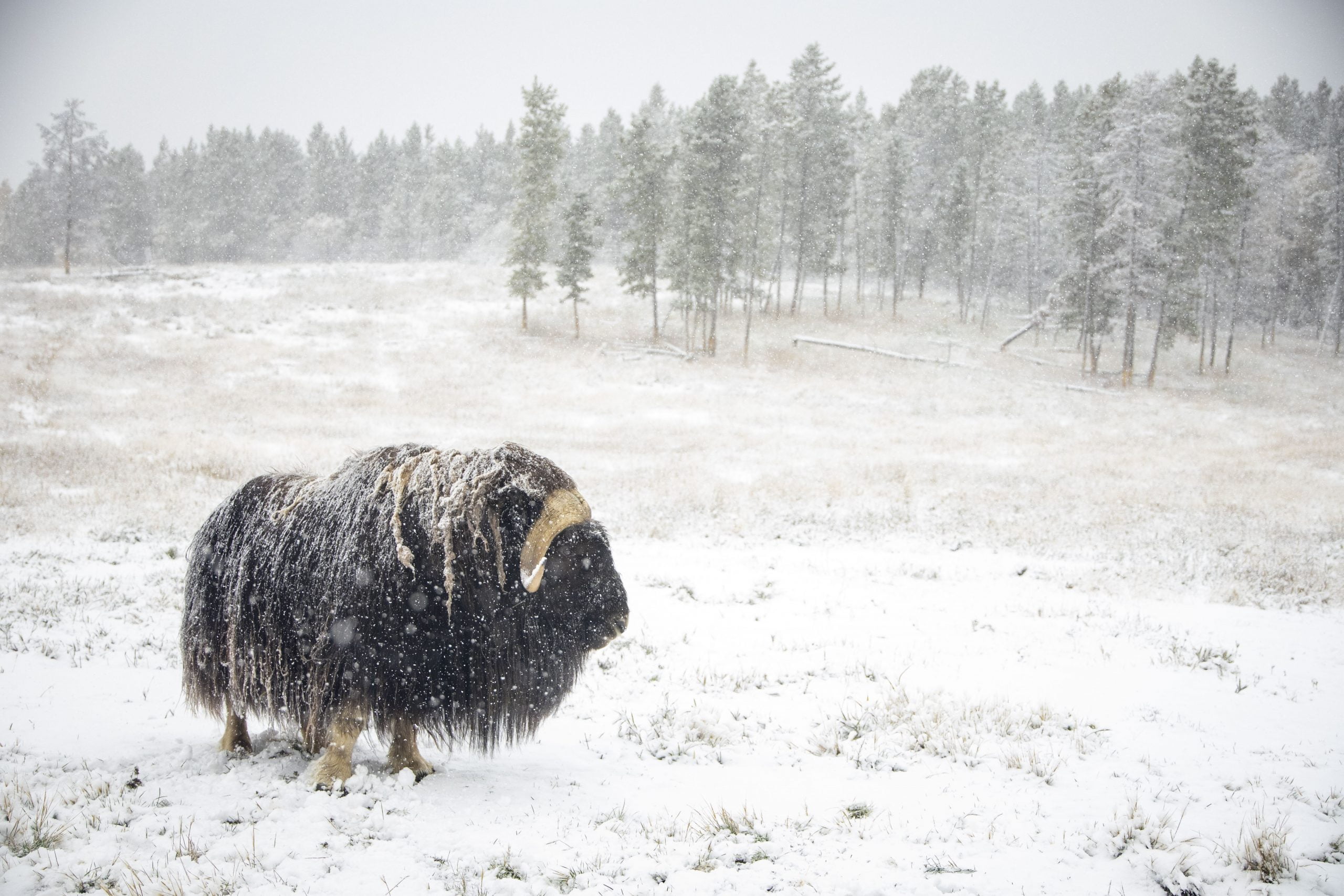
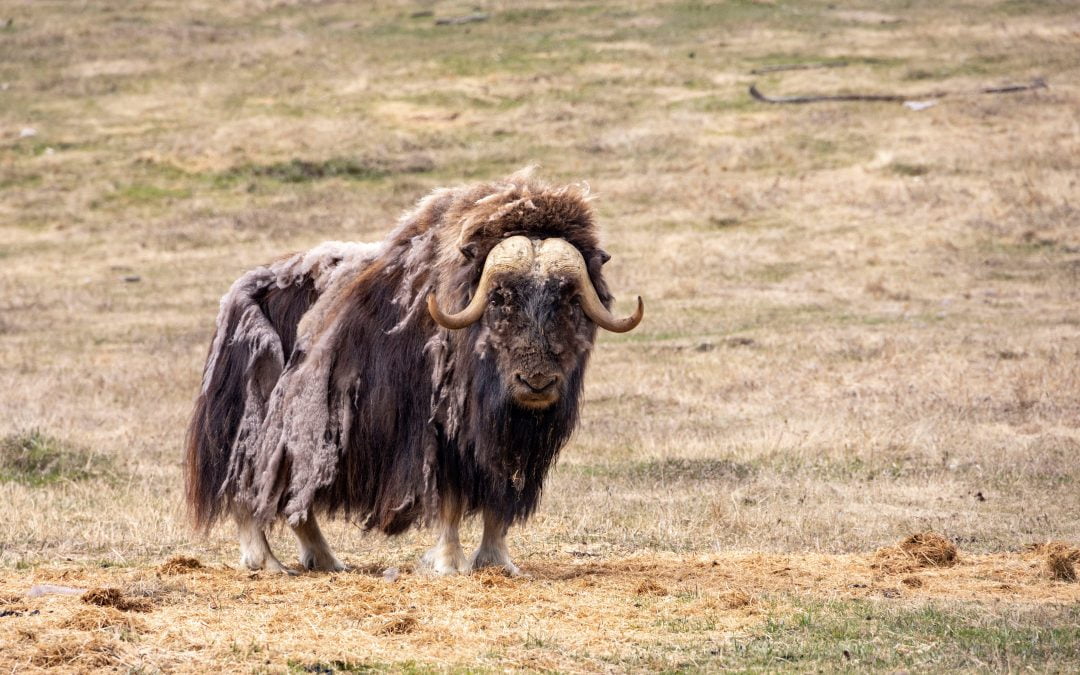
The muskox is an adaptable animal. In the face of climate change a generalist diet with a slow metabolism helped this species survive through the last ice age and to today while other megafauna, like woolly mammoths, went extinct.

During Beringia there were two types of muskox present on the extensive grassland biome - Ovibos moschatus, the tundra muskox that roams today, and Bootherium bombifrons, the helmeted muskox. 

The helmeted muskox did not survive the Pleistocene even though it was endemic to North America and had a wider range than its relative, the tundra muskox. If you could imagine this Beringian muskox was taller and more slender than those of the living tundra muskox and its wider range spanned an area from Texas all the way to Alaska. Like many of the horn and antler bearing animals of this era it was all about BIG, oversized, dramatic displays for sexual selection. The helmeted muskox had longer deeper skulls that supported higher and more flaring horns than the tundra muskox. But, size didn't get selected as most important for survival in this dramatically changing and climatically unstable landscape. It seems not only was smaller horns preferred through evolution but overall body size too - the less compact nature of this muskox might have played a role in its extinction along with many other large herbivorous mammals of its' time.  

The tundra muskox crossed the Bering land bridge from Eurasia into North America about 100,000 years ago. A more focused range and smaller size as well as thicker coat than that of the Bootherium, the Ovibos remains a resident of the Arctic landscape to this day. What's pretty incredible is that these muskox have changed, genetically, very little since their days on the Mammoth Steppe. The muskox of today's Arctic Archipelago are however much less genetically diverse than those that lived during the last Ice Age which suggests they were not completely unscathed during this time of climatic instability. Significant population and geographical range shrinkage restricted the tundra muskox to Greenland and much of the western Northern American Arctic populations are reintroductions from those limited genetics. The two types of muskox of the late Pleistocene did not mix genetically and the reduction of both species, including the extinction of the helmeted muskox, seem to exclude humans as a driving force behind these population dynamics into the Holocene.

Ovibos moschatus, the tundra muskox, was able to ride the waves of climate change over tens of thousands of years. Their adaptability to variability, including climate and thus vegetation quantity and quality, fostered this large Ice Age mammal to survive a formidable narrow niche of the Arctic biome to present day. What might the future hold for the muskox?

Photo credit L. Caskenette

Resources:

Thanks to Dr. Grant Zazula for taking the time share incredible insights into the past, into Beringia with the YWP crew! 

Ancient DNA analyses exclude humans as the driving force behind late Pleistocene musk ox (Ovibos moschatus) population dynamics. Paula F. Camposa, Eske Willersleva, Andrei Sherb, Ludovic Orlandoc, Erik Axelssona, Alexei Tikhonovd, Kim Aaris-Sørensena, Alex D. Greenwoode, Ralf-Dietrich Kahlkef, Pavel Kosintsevg, Tatiana Krakhmalnayah, Tatyana Kuznetsovai, Philippe Lemeyj, Ross MacPheek, Christopher A. Norrisl, Kieran Shepherdm, Marc A. Suchardn, Grant D. Zazulao, Beth Shapirop, and M. Thomas P. Gilberta.

Musk ox (Ovibos moschatus) of the mammoth steppe: tracing palaeodietary and palaeoenvironmental changes over the last 50,000 years using carbon and nitrogen isotopic analysis Maanasa Raghavan,, Gonçalo Espregueira Themudo, Colin I. Smith, Grant Zazula, Paula F. Campos

Tundra Muskox

Helemeted Muskox

Lindsay Caskenette

Lindsay Caskenette

Manager Visitor Services

Lindsay joined the Wildlife Preserve team March 2014. Originally from Ontario, she came to the Yukon in search of new adventures and new career challenges. Lindsay holds a degree in Environmental Studies with honours from Wilfrid Laurier University and brings with her a strong passion for sharing what nature, animals, and the environment can teach us.

867-456-7400
Lindsay@yukonwildlife.ca

Explore by Category

Explore by Author

Golden Eagle Gets Second Chance

Golden Eagle Gets Second Chance

Canadian wildlife

by Lindsay Caskenette | Nov 26, 2021

Photo credit:  L. Caskenette

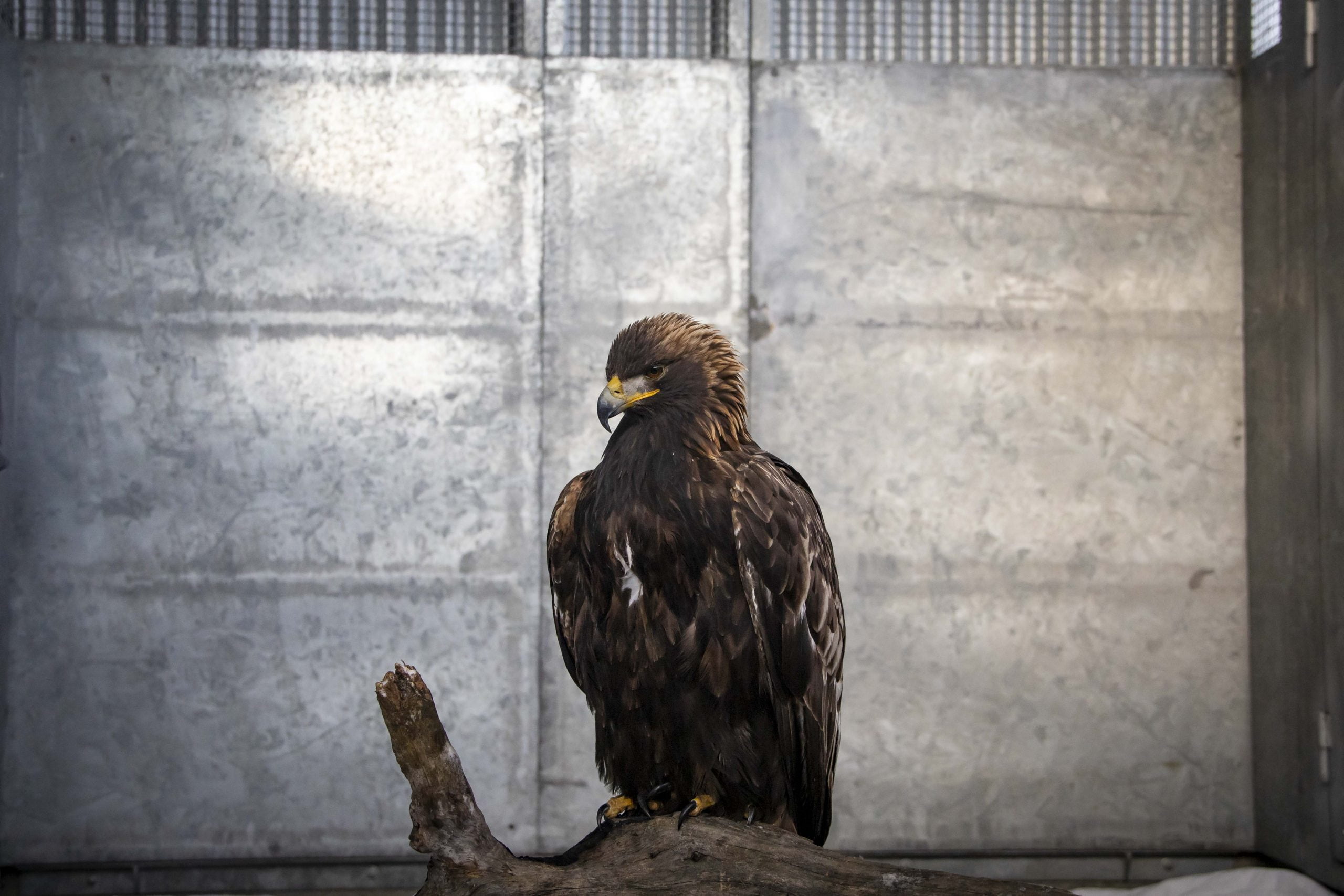
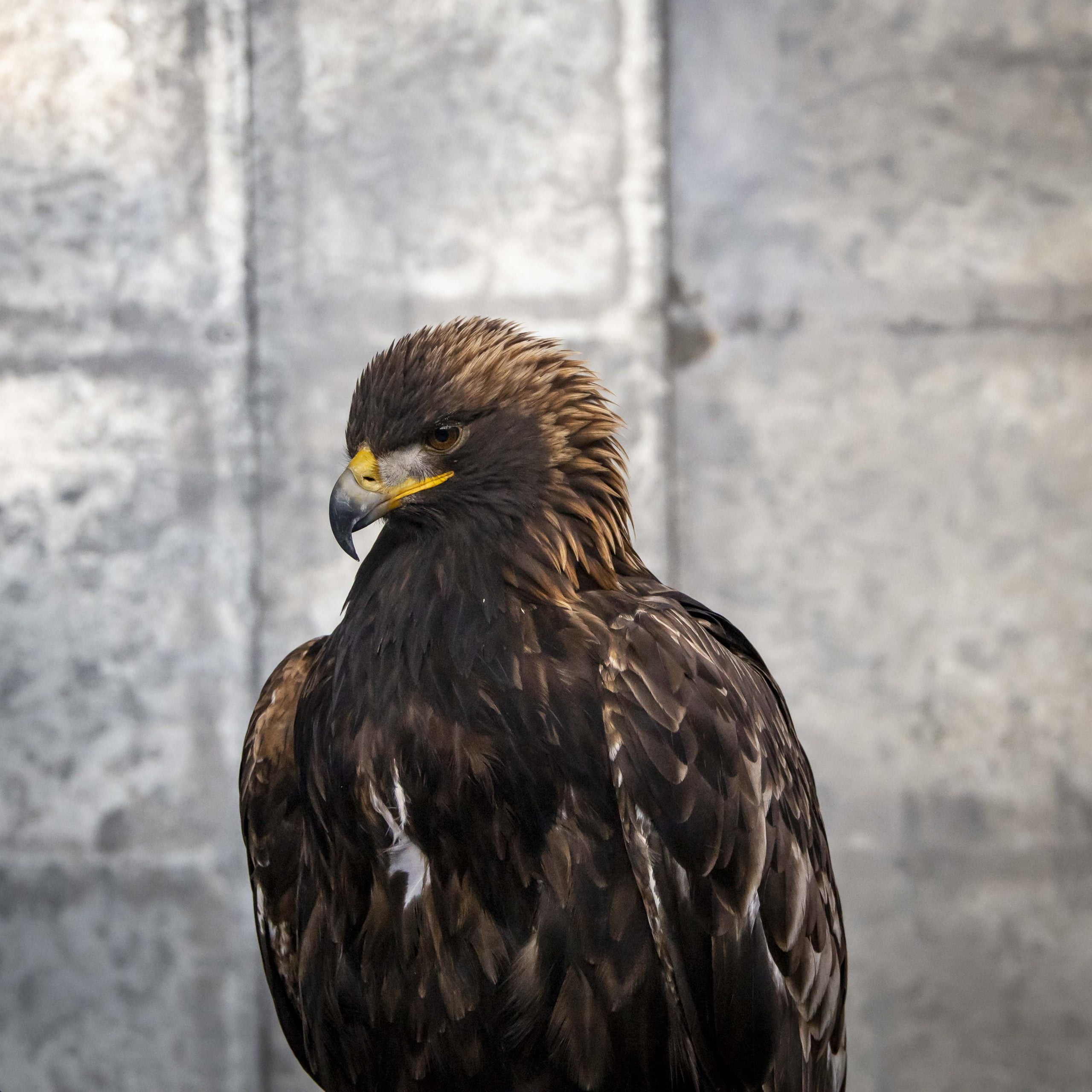
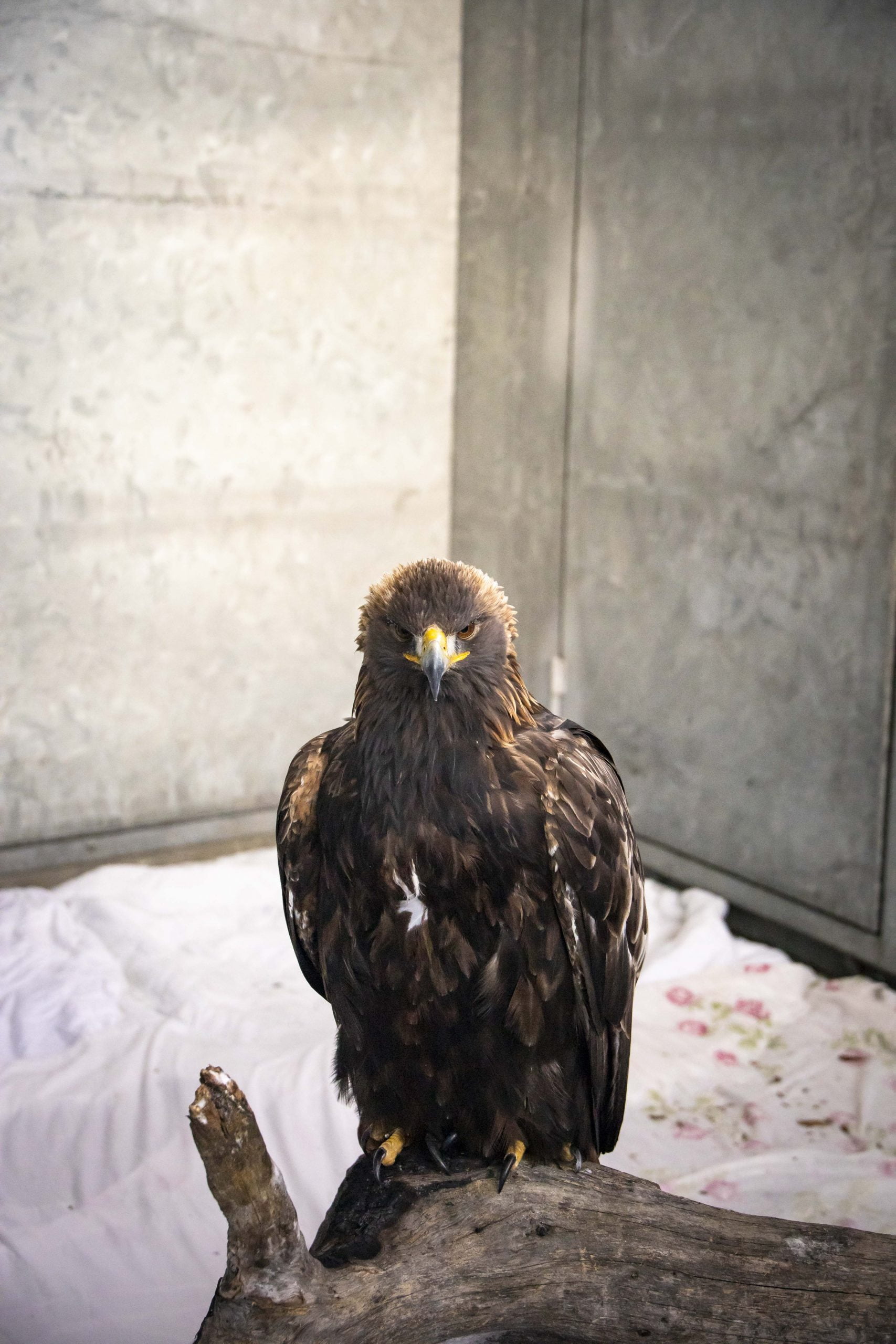
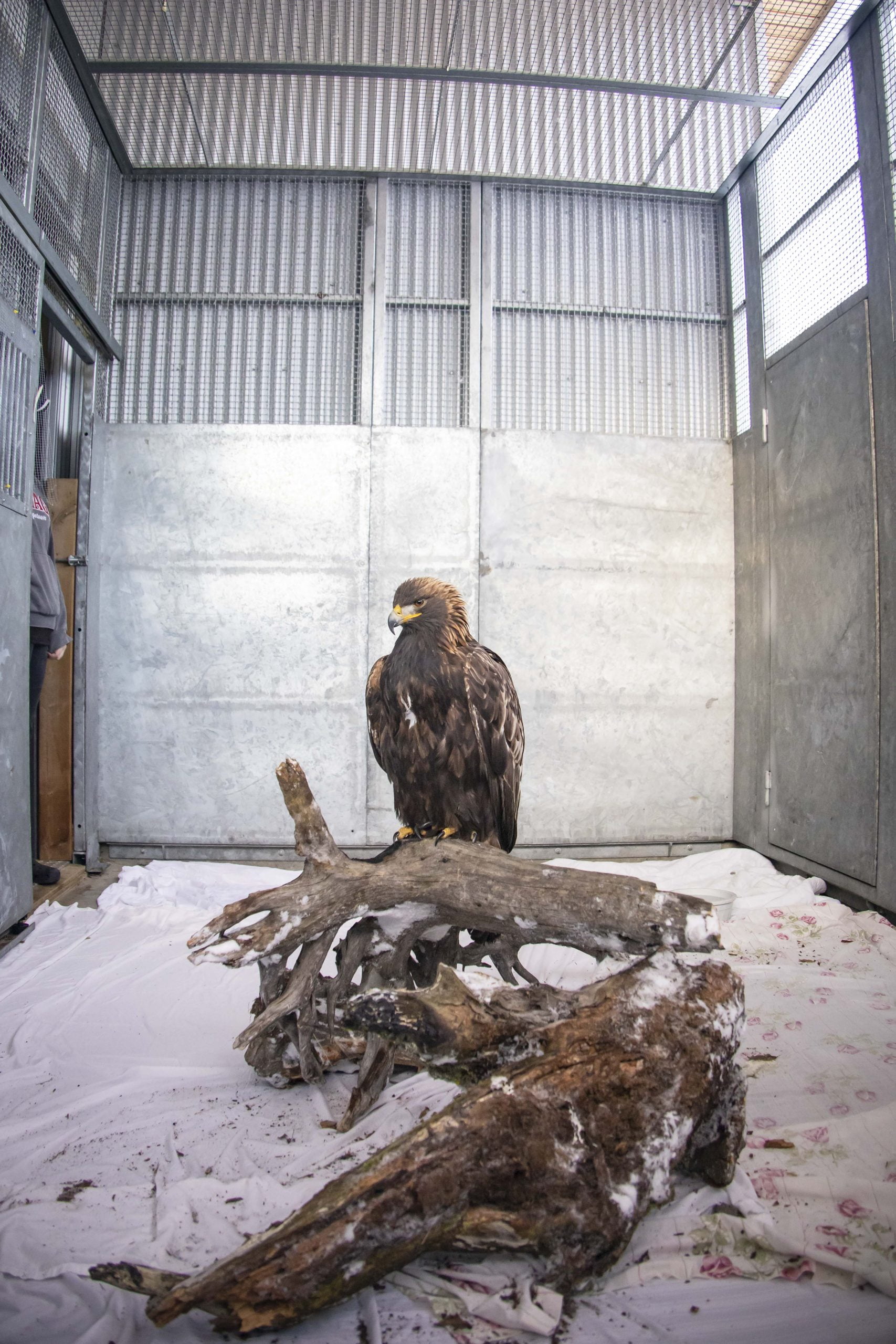
A golden eagle was admitted Wednesday evening, November 24th 2021, to the Wildlife Rehabilitation Centre. This individual, who is quite a bit bigger than the last golden eagle in our care, was found by a member of the public in the middle of the road, in between Haines Junction and Mendenhall area.

Upon initial assessment of the animal there appeared to be no broken bones but was severely hypothermic. Given it was found in the middle of the HWY, Dr. Maria Hallock guesses it was perhaps struck by a vehicle, concussed and resting in place but ultimately becoming weaker due to extended immobility in the extreme cold. While its not certain how long the animal was there for it was enough for the animal to be near frozen state upon its discovery. 

On Thursday morning the eagle was given additional fluids, on top of the fluids it received upon its arrival the evening prior. Some chicken was fed to the eagle in the later part of the Thursday along with a quail. 

On Friday the eagle appeared more responsive and alert and eager to eat by itself. This care and close observation occurred inside the Rehabilitation building where Dr. Maria Hallock waited for the animal to defecate - poop, for assessing continued signs of improvement and health in the GI tract - all good there by the way! 

The eagle will spend the next several days in the Centre being closed monitored. While during the day it will spend time in an outside care room, in the evenings it will come inside. 

If all continues well in its progress and recovery a release back to the wild could possibly happen sometime next week. 

Had this person and those that opted to stop and assist not taken the steps they did, including assessing the animals from a safe distance and calling Conservation Officers and subsequently the Preserve, this eagle would very likely have succumbed to the elements or get fatally struck by a vehicle.

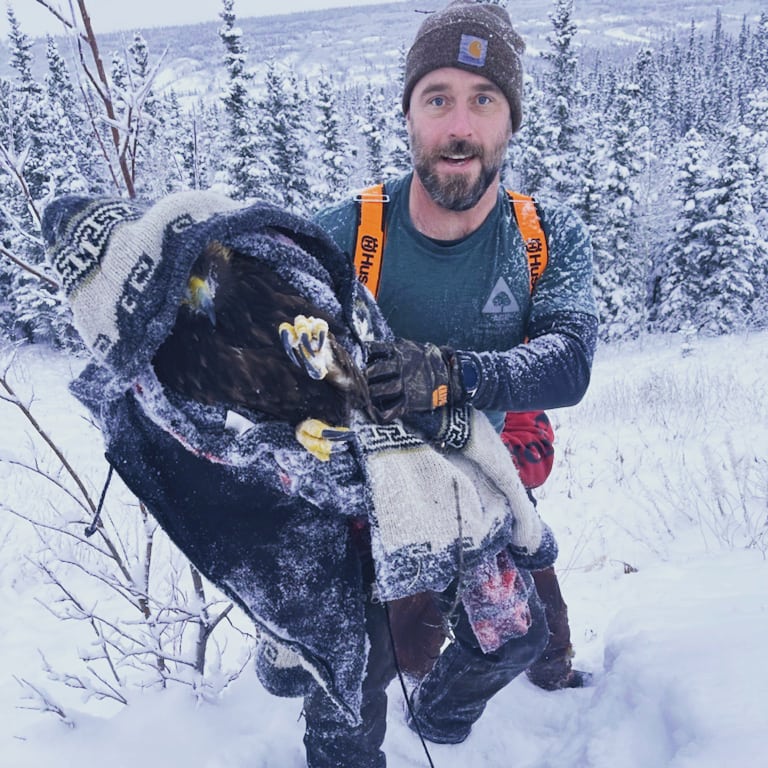
Shaun, pictured here with the eagle, stopped on the hwy when he noticed the original rescuer swerv on the road. He and his crew, Dustin and Clayton helped secure the eagle using their jackets. While we recommend leaving it to the professionals to rescue capture animals, this crew of folks took a lot of precautions when they assessed the situation and decided to intervene and help the animal. Photo courtesy of Shaun Randall.

We are so grateful to live among a community that values wildlife, that cares about our natural world - it's our mission, to connect people to the natural world and everyday we're inspired by the landscape, animals and people that make this incredible territory, the Yukon, a place that is wild at heart <3

Lindsay Caskenette

Lindsay Caskenette

Manager Visitor Services

Lindsay joined the Wildlife Preserve team March 2014. Originally from Ontario, she came to the Yukon in search of new adventures and new career challenges. Lindsay holds a degree in Environmental Studies with honours from Wilfrid Laurier University and brings with her a strong passion for sharing what nature, animals, and the environment can teach us.

867-456-7400
Lindsay@yukonwildlife.ca

Explore by Category

Explore by Author

Busy Times & Hungry Critters in Care

Busy Times & Hungry Critters in Care

Canadian wildlife

by Lindsay Caskenette | Aug 3, 2021

This story was originally published July 10 2021 in the e-blast newsletter to Yukon Wildlife Preserve's membership.

Are you a member but don't receive these email Newsletters?  Contact us at info@yukonwildlife.ca to update your email preferences.

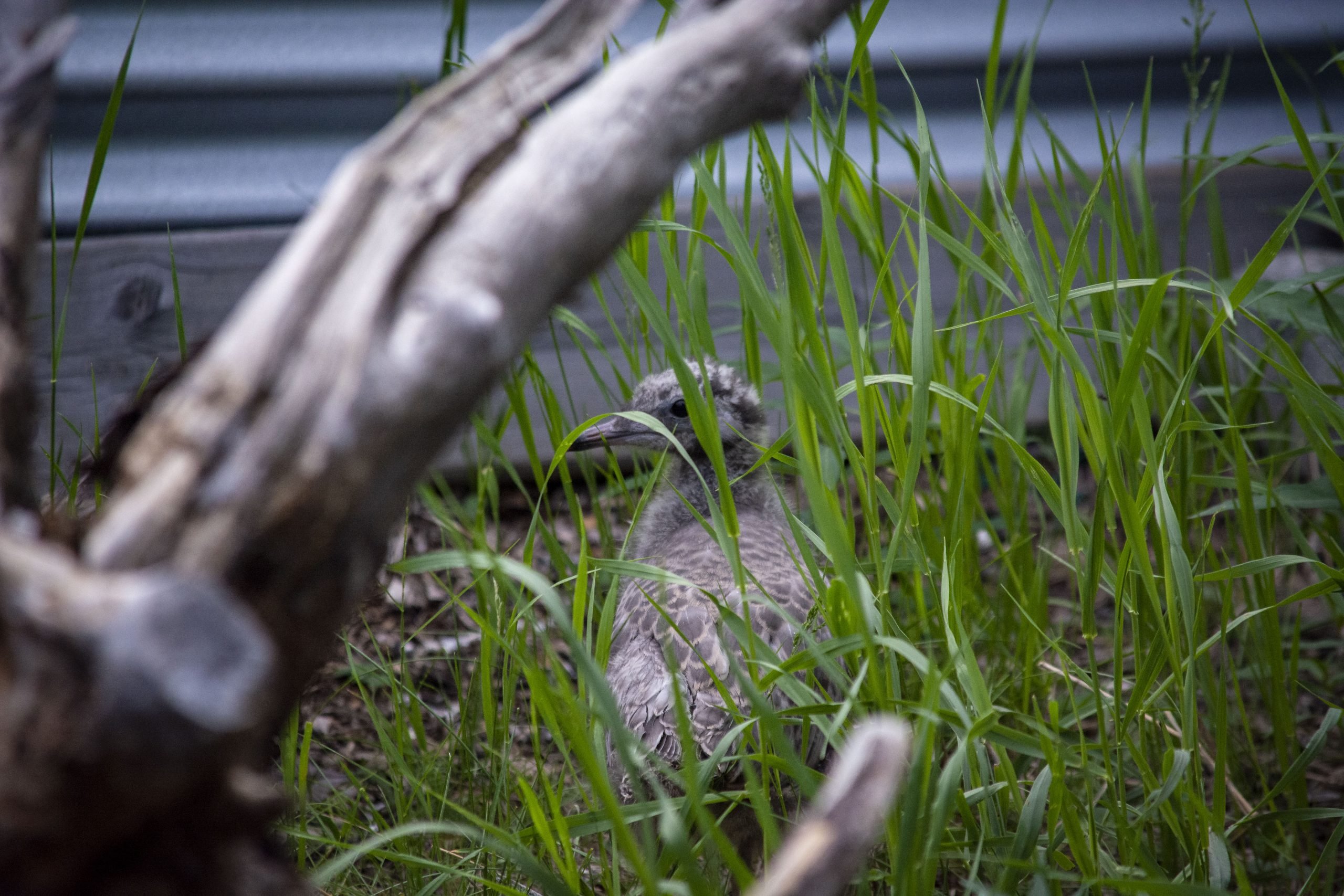
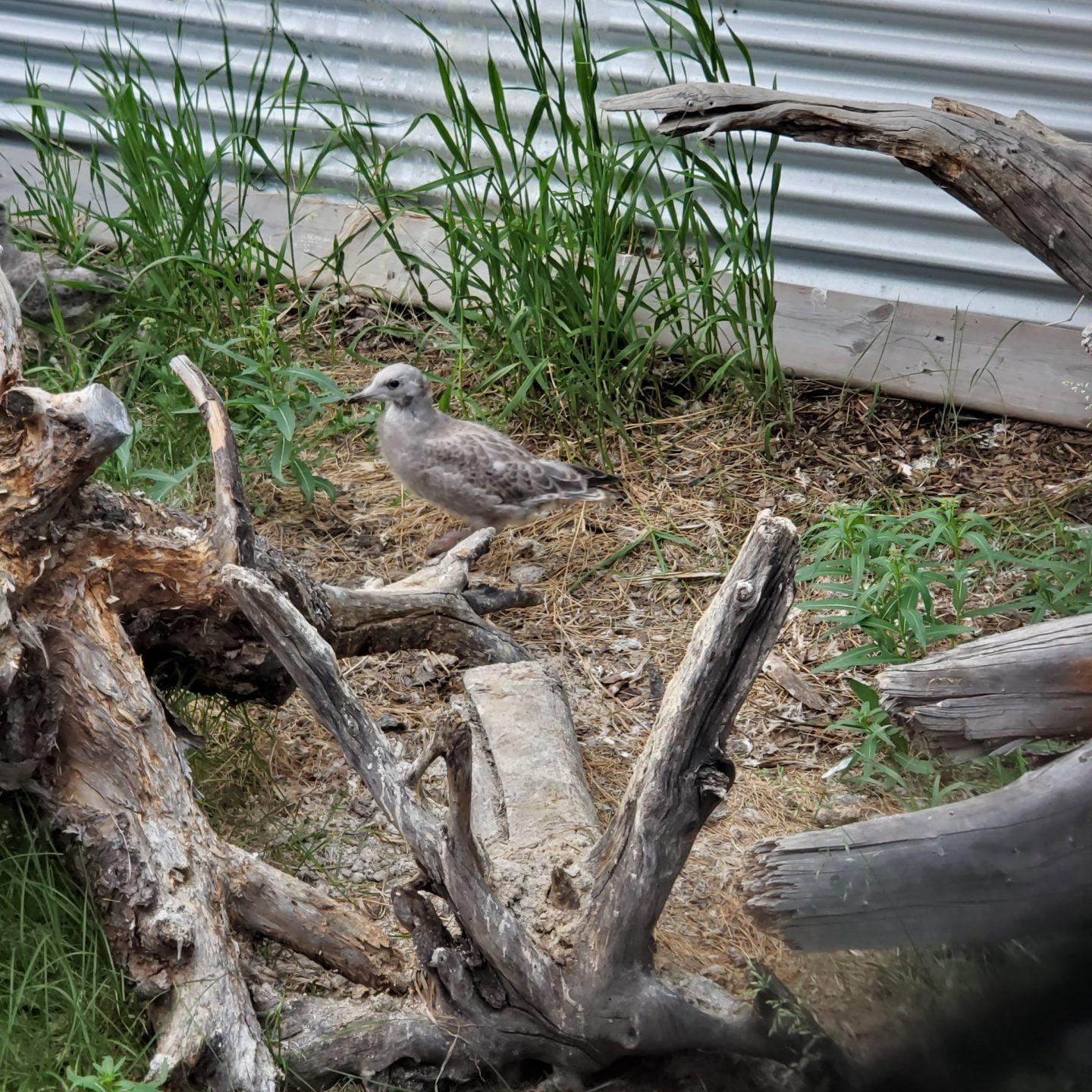
Mew Gull x2

Location found - Downtown.

Admitted on June 15th after the nest was lost. Conservation Officers brought the animals to the Preserve.

This pair are in an outdoor aviary where they are growing fast and eat mice 3 times a day.

• • •

Juvenile Mew Gull with Wing Injury

Also found downtown but admitted more recently on July 7th. This individual has fractures to its right wing and a large hematoma but depsite its injuries is in good body and remains active and alert. 

The animal is on low dose medication for pain and inflammation and the wing is immobilized. It remains under observation before it will move in with the other gulls outside. 

• • •

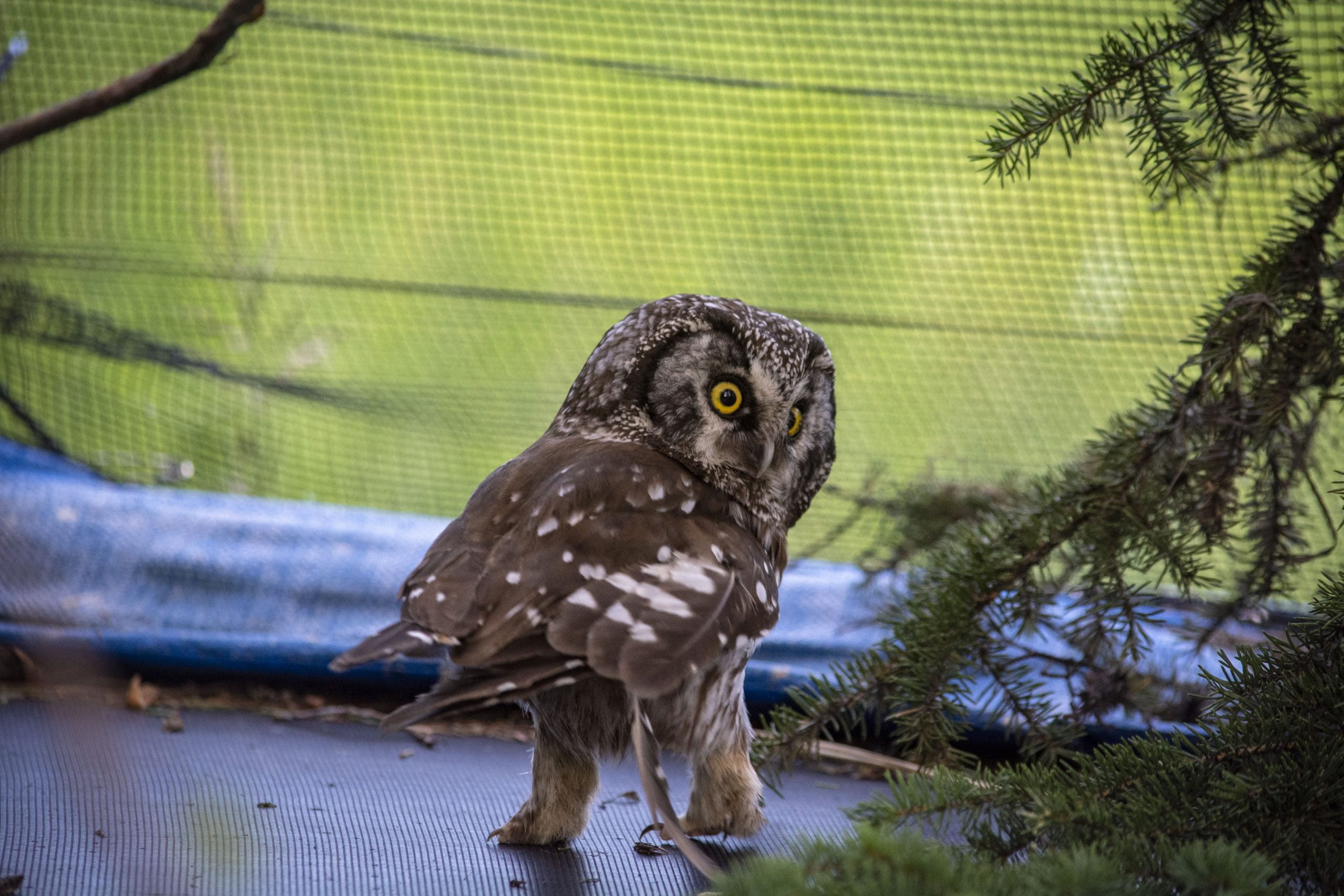
Boreal Owl

Admitted June 28th, this tiniest of Yukon owls was rescued from an attack by a domestic dog. While the animal came in with mild ataxia (lack of coordination) it's doing relatively well. It's missing primary and secondary feathers on both wings but with time and regular mice feedings twice a day the owl should be a good candidate for release when ready.

• • •

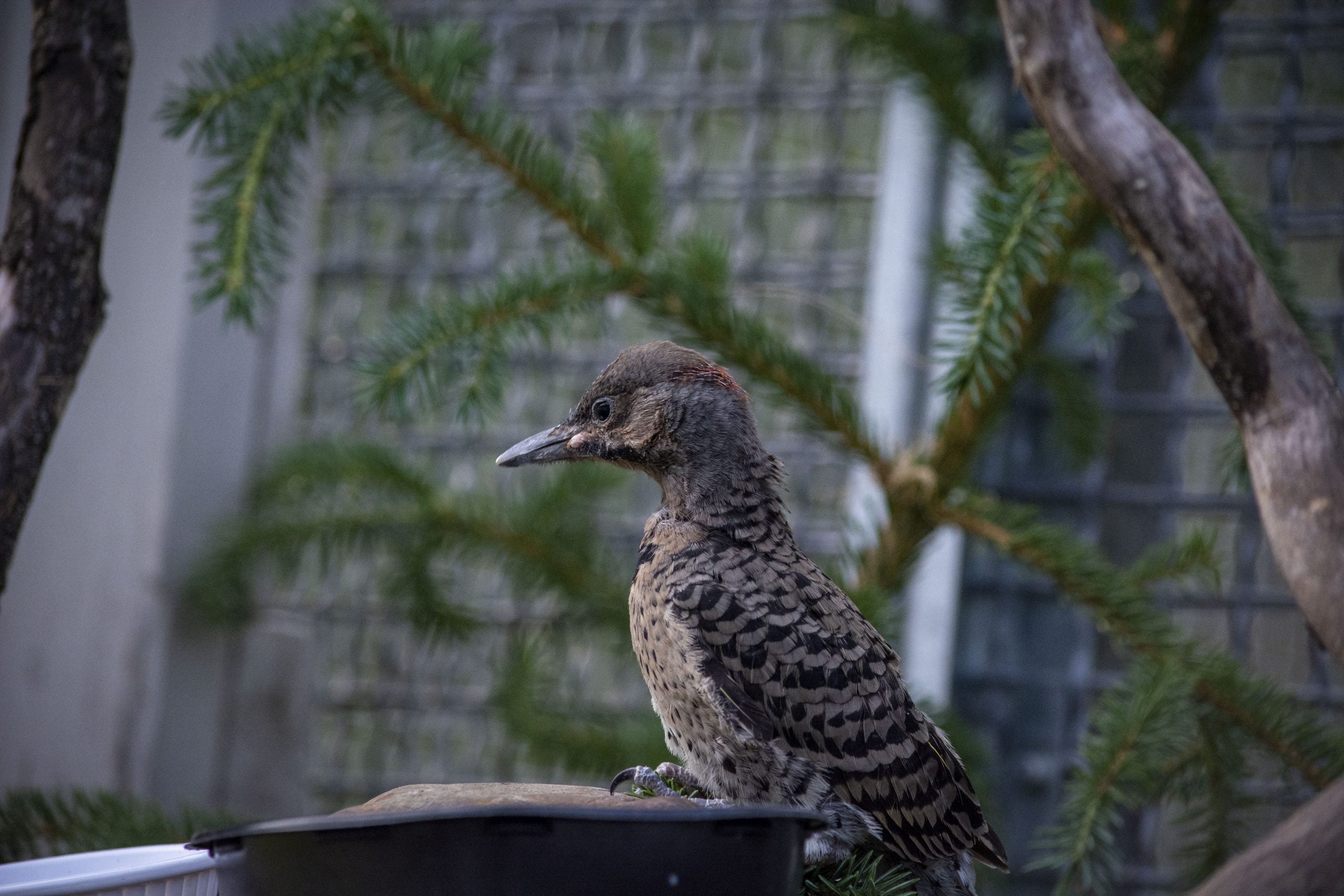
Juvenile Northern Flicker

Location found - Takhini Hot Springs Rd area. 

Admitted on June 27th after the young animal fell out of its nest and was at risk of predation. 

Plan for recovery and release with time and lots of mealworm feedings throughout the day and small mice.

• • •

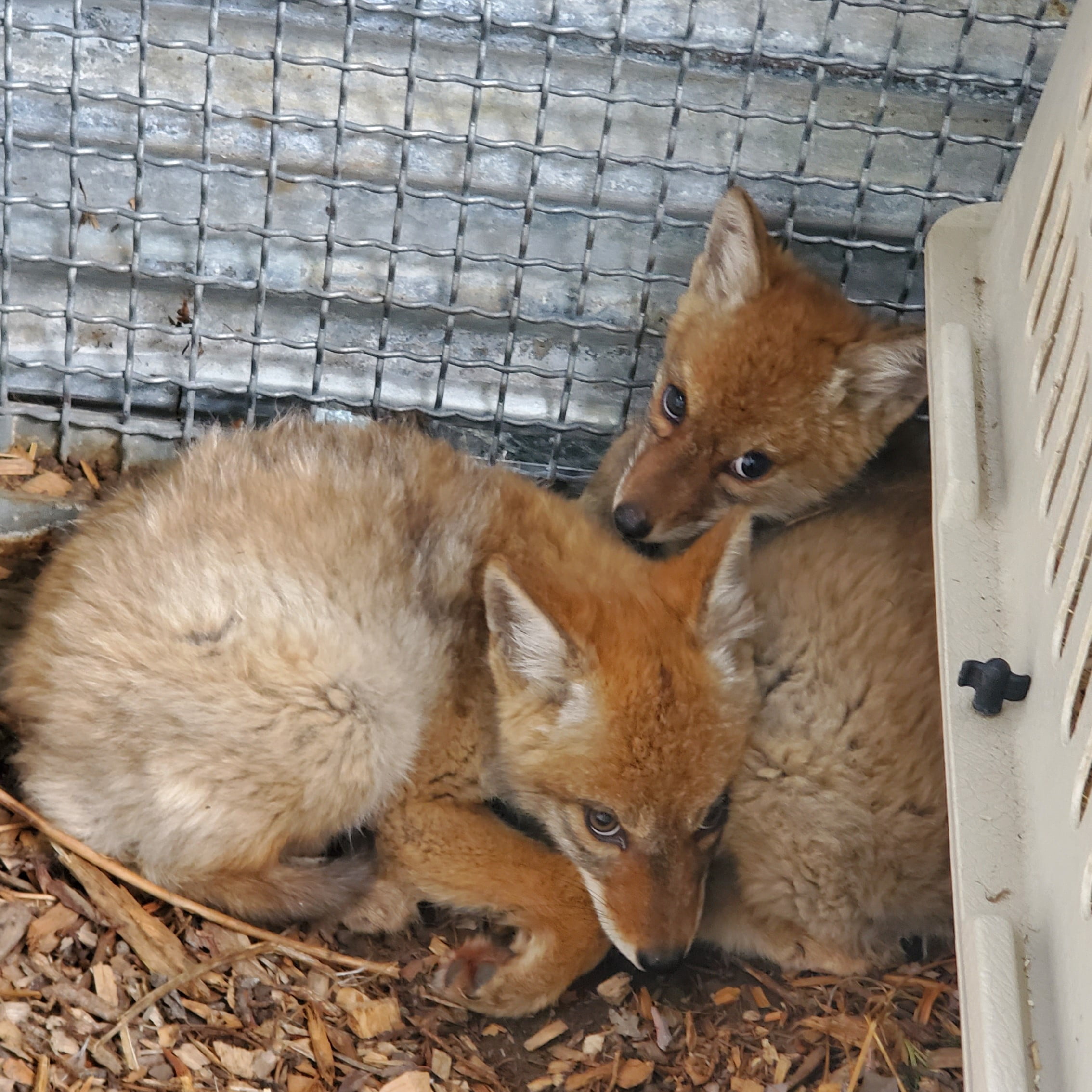
Coyote Pups

2 male coyote pups, about 6 - 8 weeks old, were admitted to the Rehabilitation Centre on July 5th after they were found, suspected to be orphaned, in the Marsh Lake area by members of the public. 

The pups eat 3 times a day and their appetites are growing. Along with a puppy formula, every feeding they consume 4 mice and 2 whole quail each. 

• • •

Each of these animals face challenging times ahead but the Wildlife Preserve Animal Care Team, including Veterinarian, Dr. Maria Hallock, are working 7 days a week, near 20 hours a day to ensure each of these animals are given the best possible chance for recovery and release back into the wild. 

We could use your support to aid in these animal's recovery - please consider donating. Help us keep Yukon wild at heart ♥

• • •

Lindsay Caskenette

Lindsay Caskenette

Manager Visitor Services

Lindsay joined the Wildlife Preserve team March 2014. Originally from Ontario, she came to the Yukon in search of new adventures and new career challenges. Lindsay holds a degree in Environmental Studies with honours from Wilfrid Laurier University and brings with her a strong passion for sharing what nature, animals, and the environment can teach us.

867-456-7400
Lindsay@yukonwildlife.ca

Explore by Category

Explore by Author