Busy Times & Hungry Critters in Care

Busy Times & Hungry Critters in Care

meet the north

by Lindsay Caskenette | Aug 3, 2021

This story was originally published July 10 2021 in the e-blast newsletter to Yukon Wildlife Preserve's membership.

Are you a member but don't receive these email Newsletters?  Contact us at info@yukonwildlife.ca to update your email preferences.

Mew Gull x2

Location found - Downtown.

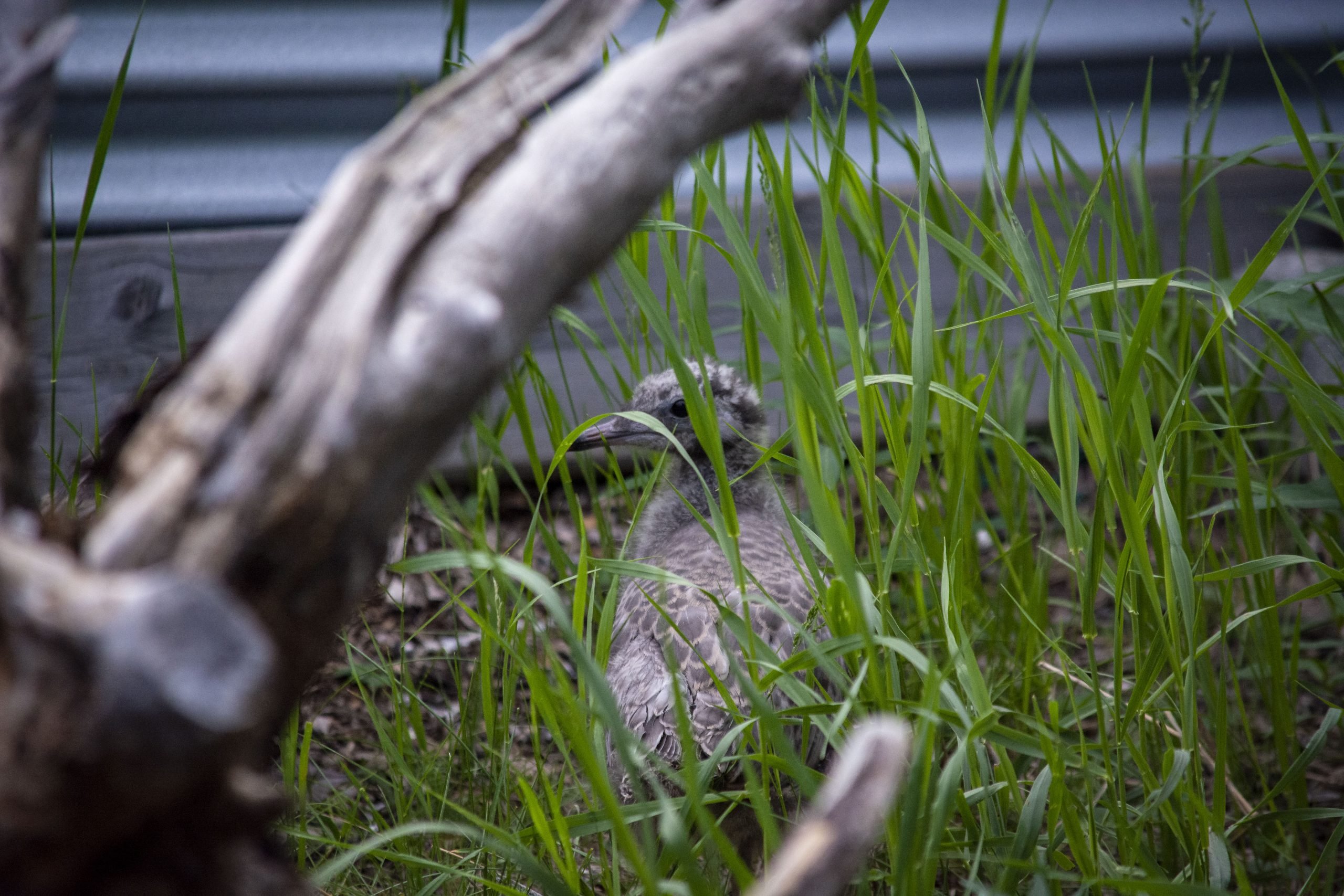
Admitted on June 15th after the nest was lost. Conservation Officers brought the animals to the Preserve.

This pair are in an outdoor aviary where they are growing fast and eat mice 3 times a day.

• • •
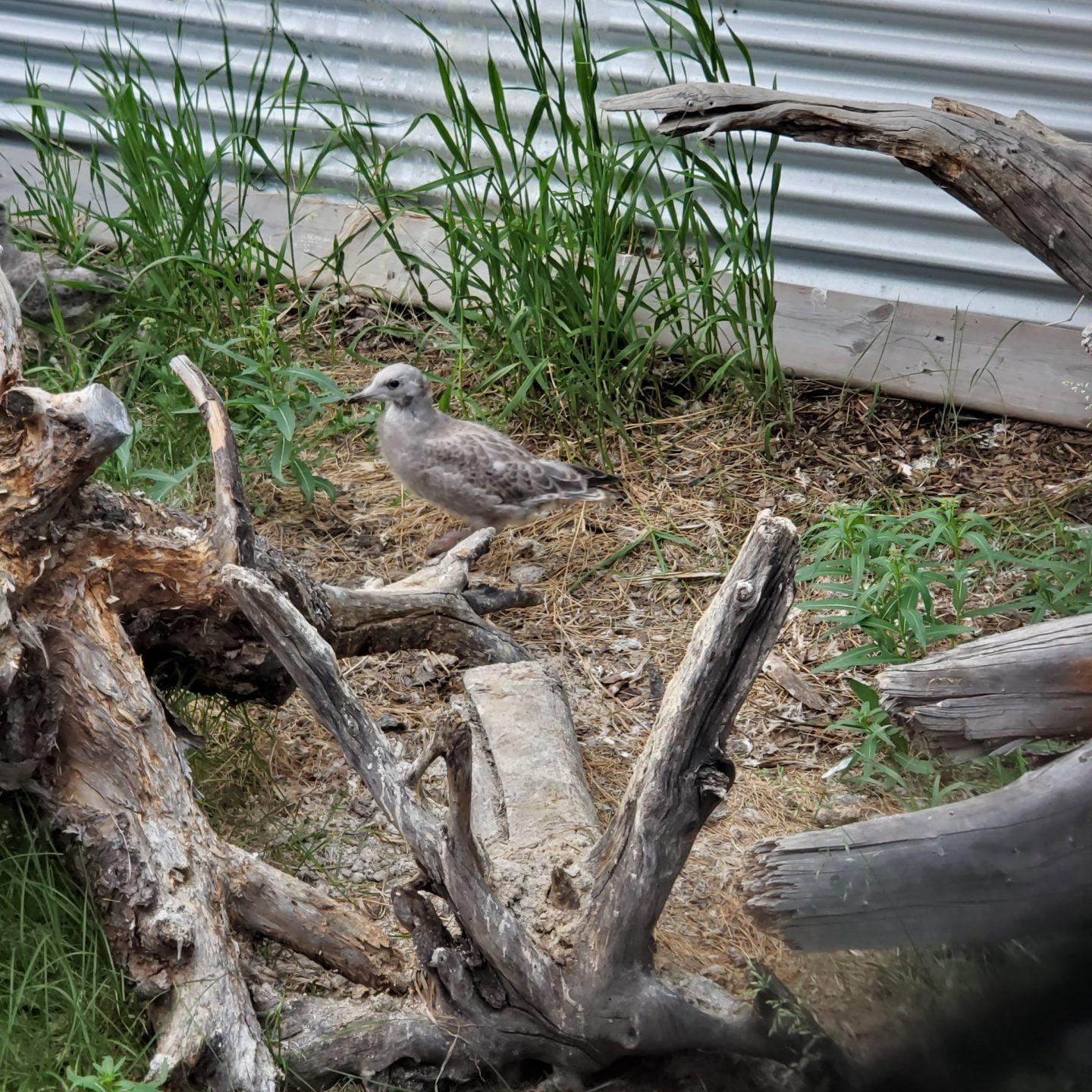
Juvenile Mew Gull with Wing Injury

Also found downtown but admitted more recently on July 7th. This individual has fractures to its right wing and a large hematoma but depsite its injuries is in good body and remains active and alert. 

The animal is on low dose medication for pain and inflammation and the wing is immobilized. It remains under observation before it will move in with the other gulls outside. 

• • •
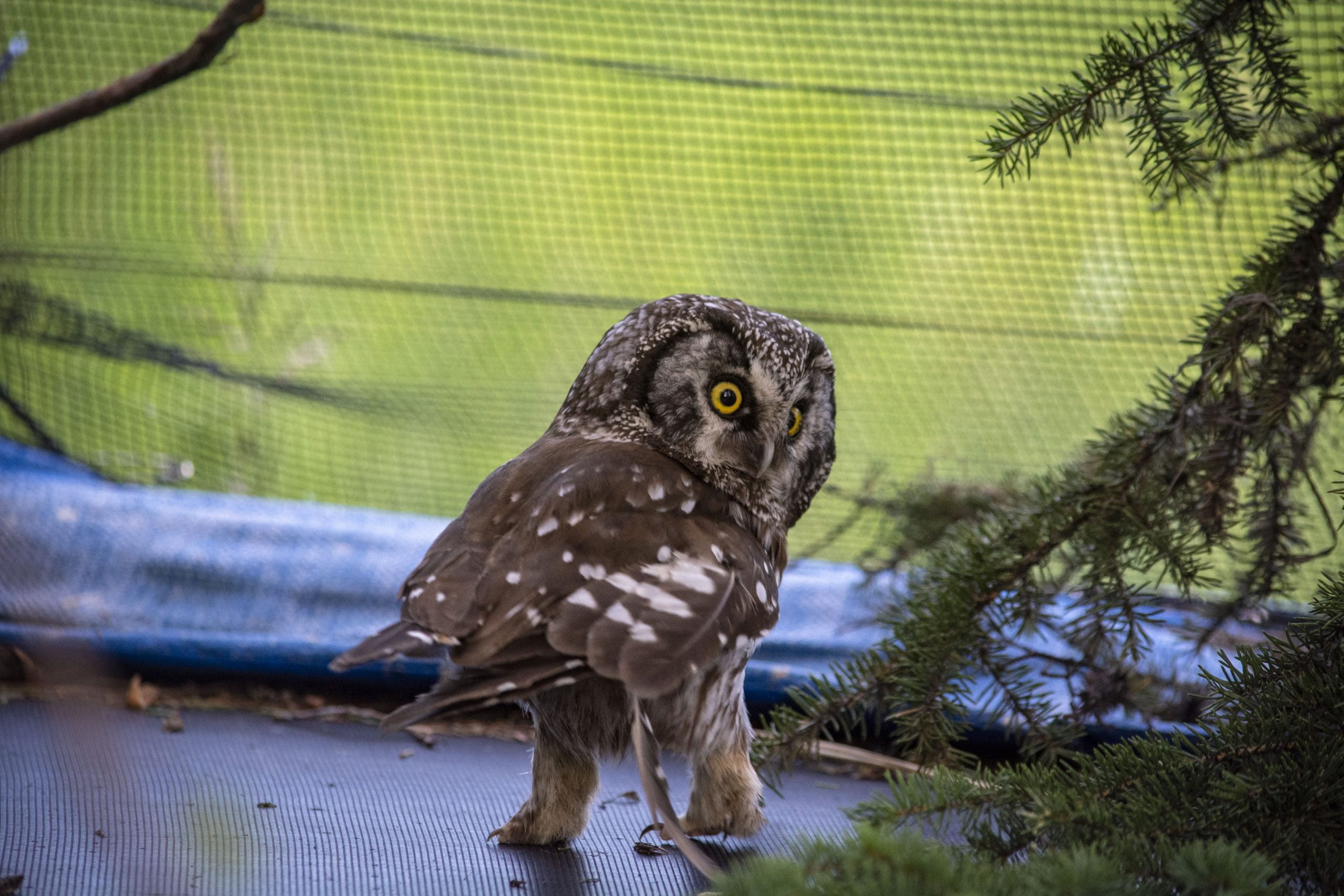
Boreal Owl

Admitted June 28th, this tiniest of Yukon owls was rescued from an attack by a domestic dog. While the animal came in with mild ataxia (lack of coordination) it's doing relatively well. It's missing primary and secondary feathers on both wings but with time and regular mice feedings twice a day the owl should be a good candidate for release when ready.

• • •
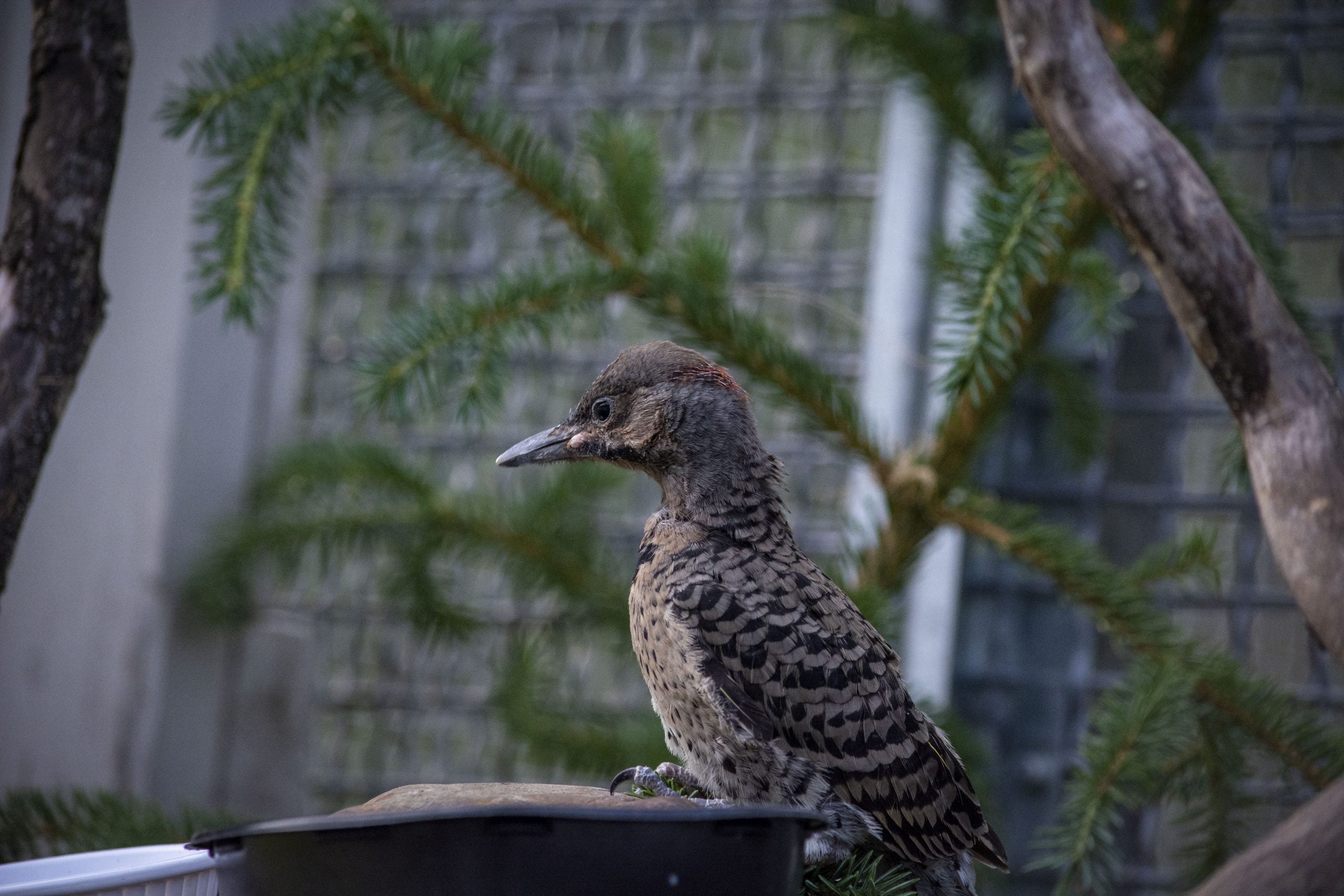
Juvenile Northern Flicker

Location found - Takhini Hot Springs Rd area. 

Admitted on June 27th after the young animal fell out of its nest and was at risk of predation. 

Plan for recovery and release with time and lots of mealworm feedings throughout the day and small mice.

• • •
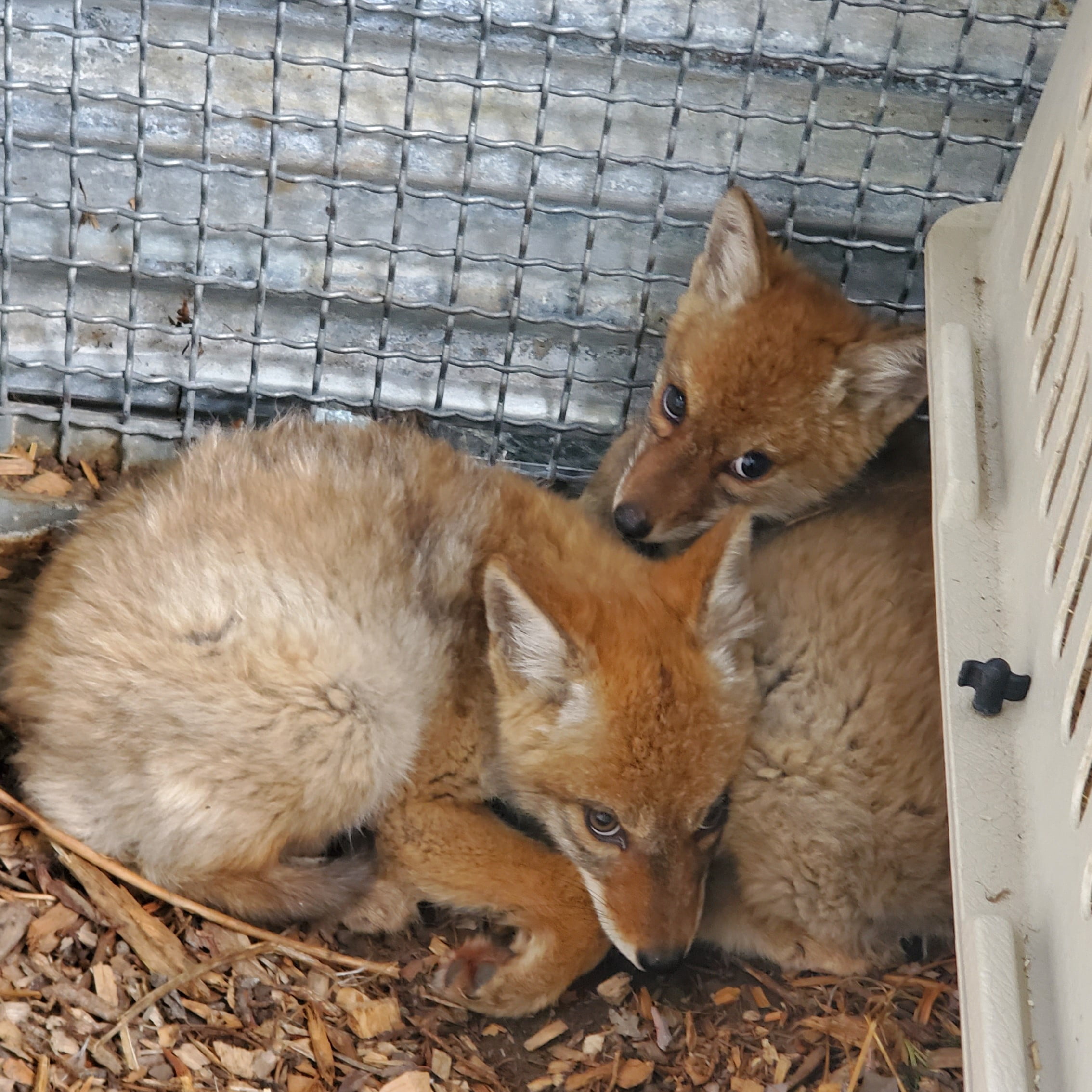
Coyote Pups

2 male coyote pups, about 6 - 8 weeks old, were admitted to the Rehabilitation Centre on July 5th after they were found, suspected to be orphaned, in the Marsh Lake area by members of the public. 

The pups eat 3 times a day and their appetites are growing. Along with a puppy formula, every feeding they consume 4 mice and 2 whole quail each. 

• • •
Each of these animals face challenging times ahead but the Wildlife Preserve Animal Care Team, including Veterinarian, Dr. Maria Hallock, are working 7 days a week, near 20 hours a day to ensure each of these animals are given the best possible chance for recovery and release back into the wild. 

We could use your support to aid in these animal's recovery - please consider donating. Help us keep Yukon wild at heart ♥

• • •

Lindsay Caskenette

Lindsay Caskenette

Manager Visitor Services

Lindsay joined the Wildlife Preserve team March 2014. Originally from Ontario, she came to the Yukon in search of new adventures and new career challenges. Lindsay holds a degree in Environmental Studies with honours from Wilfrid Laurier University and brings with her a strong passion for sharing what nature, animals, and the environment can teach us.
867-456-7400
Lindsay@yukonwildlife.ca

Explore by Category

Explore by Author

What’s That Scat?

What’s That Scat?

meet the north

by Sophia Slater | Jul 23, 2021

4 minute read.

As we are out enjoying some of the many trails the Yukon has to offer, we often have to watch our step to make sure we’re not putting our boots in something smelly! These unexpected trail obstacles can be great indicators of whose habitat we are walking into, what they are eating, and how they are digesting it. Just like us, many animals have dynamic diets, and will eat what is available. Scat can be interesting but can also spread diseases, even to humans, so it should be looked at and not touched, especially by our furry companions.
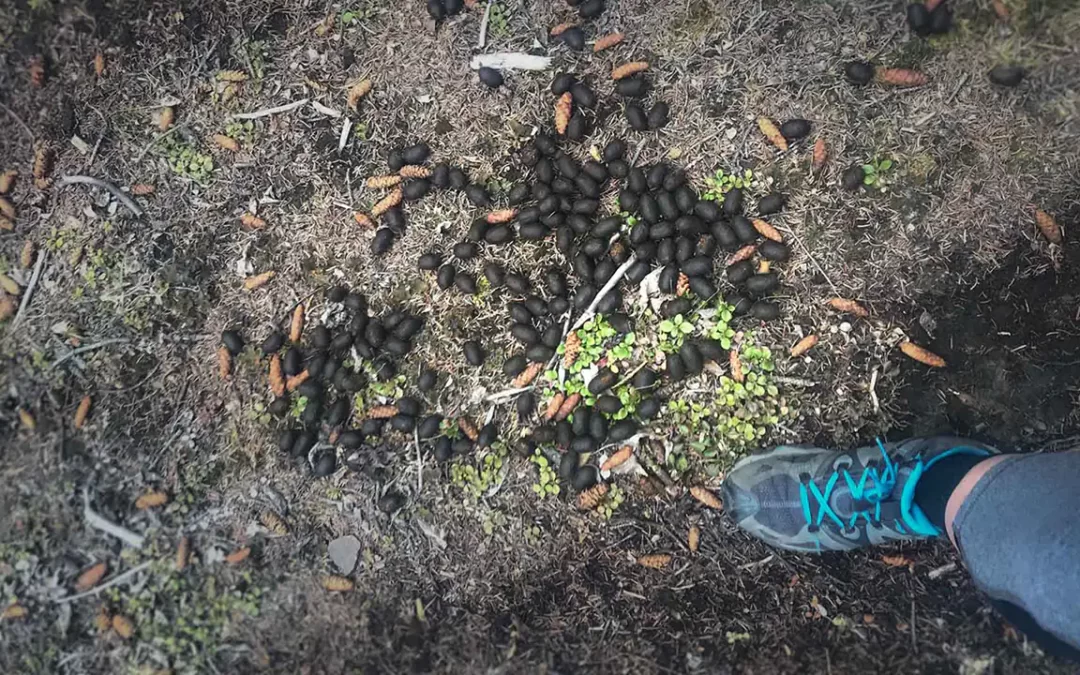
Bears

Black bears are opportunistic omnivores who will eat whatever food they can find, including fish, fruit, meat, insects, and herbs and grasses. Grizzlies have a similar diet, but tend to favour high-energy meat and insects more than the smaller black bears. Like their diets, bear scat appearance is quite varied, and often contains fragments of their last meal, like seeds, bits of berries, or small animal bones. Wildlife Interpreter Maureen recounts seeing a landscape covered in red wine-coloured piles that were actually scat from grizzlies that had eaten a lot of cranberries!

Light brown bear scat with seeds visible.

Bears are relatives of mammalian carnivores, they have a digestive system similar to carnivores, without a cecum or extended large intestine. This limits how efficiently they can process leafy plant material and they must eat a lot if they are relying on these foods, which is common in the spring. As a result, when a bear eats a lot of plant material their scat often has a green tinge from the undigested grasses or a fibrous appearance. Typically, their scat is brown or black and tapered, though sometimes it can appear as more globular if it is loose. Grizzly scat tends to be a bit wider and larger piles than black bear scat. It can be hard to distinguish between the two, but both should make a hiker cautious of the trail ahead. Remember bear spray and noisemakers and stay bear safe!

Left to right: Older bear scat; bear scat that is darker brown in colour with grasses visible.

If you’re interested in getting involved in bear research, the Operation Ursus Research using Scat (OURS) project is aimed at estimating the Yukon grizzly and black bear populations using DNA available in bear scat. Lucile leads the study and shares the project story Bear Poo and You with YWP.

Canines

Foxes, wolves, and coyotes are more exclusively carnivorous than bears, but may occasionally eat berries and seeds. Their digestive system is similar to that of a bear, as is their scat. Wolves' stomachs are specially adapted to hold a lot of food so that after a hunt they can get their share of the reward. Additionally, their stomach is very acidic to kill off any pathogens in the meat. It is tubular and tapered and may contain bits of bones, fur, or berries. It may be lighter, as it varies from tan to dark brown in colour. It is, however, smaller than bear scat: fox scat is about 1.25 cm in diameter, coyote scat is about 2 cm, and wolf scat is usually at least 2.5 cm in diameter.

Wolf scat with fur visible.

There will likely be much less of it as well. Foxes often defecate in obvious areas to mark their territory. The Wildlife Preserve exists as an ecosystem within a larger ecosystem and foxes are one of the many wild animals that visit. They seem to like to use the boardwalks at the front cabin to do their business!

Foxes often defecate in obvious places to mark their territory.

Left photo credit: L.Caskenette.

Feline - Lynx

Unlike generalist bears and canines, lynxes are specialists. Snowshoe hares are their primary food source, and can make up 75% of their winter diet. Meat is highly digestible, meaning that most of what is consumed can be broken down and absorbed easily. Lynx digestive systems, therefore, have shorter small intestines relative to body size and less developed caecum than canines.

Lynx scat of varying ages among grass.

Their scat is black, tubular and tapered, and does not have so much undigested material as the bears or canines. It is also very smelly. Like a house cat, they will cover their scat with dirt or snow, probably to hide their presence from nearby animals. Also like house cats, they often defecate in the same latrine over and over, which can be seen in our lynx habitat.

Lynx, like house cats, often poop in the same places every time. This is one of the latrines in the lynx habitat at the Preserve.

Cervids

The Yukon has a great variety of cervids (antler bearing animals) or members of the deer family. Their diets, digestive systems, and scat have many similarities. In general, they produce uniform, dark brown or black oval-shaped pellets, which result from uniform movements of smooth muscles in the large intestine and its sphincters.

From left to right: Caribou, moose, mule deer and elk. Photo Credit: L.Caskenette & J.Paleczny.

Their diets are often high in fibrous, dry tree materials like leaves and twigs, which is why their feces forms pellets. If they are eating more grasses, in the summer, it may appear softer and more clumpy. Cervids are all ruminants which means that their stomachs have four compartments: the rumen, the reticulum, the omasum and the abomasum.  This allows for fermentation by bacteria and other processes that break down vegetation. This is part of the reason that cervid scat does not have as much undigested material as the carnivores’, despite their plant diet having less digestible material. In addition, they will regurgitate their food and chew it again, also called chewing their cud!

Left to Right: Soft caribou scat clumps together versus caribou scat in pellet form.

Deer pellets are small, about 1 cm in diameter, and are left in piles of many pellets. They defecate an average of 13 times per day! Elk scat is similar but 1-1.5 cm in diameter, and moose scat is even larger at 1.5-2 cm in diameter. Deer and elk pellets are rounder than moose pellets.

Softer deer scat often clumps together as seen here.

Moose are more strictly browsers, that eat only tree materials, so mostly their pellets are harder. Caribou scat appears somewhat more rough than deer or moose scat. It is often in harder pellet form in the winter when they eat a lot of lichens and sedges. In the summer, when their diet switches to grasses and vegetation with a high moisture content, their scat often forms larger soft clumps.

Moose scat in pellet form, darker brown because it's older.

Bovids

There are also a wide variety of bovids (horn bearing animals) in the Yukon. Our mountain sheep, mountain goats, muskox, and bison are all ruminants, just like the cervids. They are all herbivores who eat a variety of grasses, sedges, seedlings, and leaves.

Left to Right: Muskox, bison, mountain goat, thinhorn sheep. Photo Credit: L. Caskenette

Muskox, mountain goats, and thinhorn mountain sheep also form pellet scat, even when their diets consist largely of grass. That’s because their digestive tracts are highly evolved to reabsorb as much water as possible, likely an adaptation to their arid alpine (goats and sheep) and tundra (muskox) habitats.

Sheep scat forms pellets.

Goats have varied diets that includes browse, shrubs, lichens, grasses, and even trees. Their alpine foraging sites may be sparse, which doesn’t allow them to be picky eaters. Muskoxen eat grasses, forbs (herbaceous flowering plants), and willows, which they often have to dig out from the frozen arctic ground by smashing the permafrost with their heads and pawing the ice pieces out of the way. Mountain sheep eat mostly grasses and some other low growing sedges.

Muskox scat.

Bison scat is distinct from all the other ruminants mentioned above, because it forms an indistinct pile. Their diet is also primarily grasses and other low-lying herbaceous plants, but they may eat some willows and twigs. Grasses would make their scat more loose, but we’re taking suggestions for what makes their scat so different from the other grass-loving bovids!

Bison patty.

Hopefully after hearing all of these scat facts you can see scat as more than just something gross to be avoided on the side of the trail. It can tell you who’s habitat you are in, but also what they have been eating. It is interesting to watch it change throughout the season. Of course biologists may be able to find out way more about an animal through their scat, for instance genetic samples or presence of pathogens. There is so much to learn from the scat around us!

Although all the different scat we explored above is only a small number of animals, all species do it and we encourage you to:

1. Explore other species scat/defecation/poop - whatever you want to call it!

2. Pack out yours and your furry companions (yours domestic canines) poo in the backcountry and wilderness places you visit!

3. Sing the Scat Rap Song!  

It starts with an S and it ends with a T
It comes out of you
and it comes out of me
I know what you’re thinking
But don’t call it that
Let’s be scientific, and call it SCAT
It was a piece of scat
(PIECE OF SCAT!)

You can find it on the ground
It’s usually colored brown
It is shaped in a mound
It is a piece of scat
(PIECE OF SCAT!)

You can smell it with your nose
It’s gonna decompose
It’s where the fungus grows
It is a piece of scat
(PIECE OF SCAT!)

Birds flying through the air
Look out! Beware!
It landed in your hair
It was a piece of scat
(PIECE OF SCAT!)

I was hiking through the fog
When I saw a big log
It came from a dog
It was a piece of scat
(PIECE OF SCAT!)

I was tired of TV
I was checking out the trees
I could smell it on the breeze
It was a piece of scat
(PIECE OF SCAT!)

I know it’s kind of gory
But it’s a true story
It marks territory
It is a piece of scat
(PIECE OF SCAT!)

I picked up a chicken
And something was drippin’
It wasn’t finger-lickin’
It was a piece of scat
(PIECE OF SCAT!)

A squirrel ate a nut
Digested in its gut
It came out of its butt
It was a piece of scat
(PIECE OF SCAT!)

If you park your car
By the woods or a field
You might find something on your windshield
Full of berries
Both purple and white
You just got bombed by a bird in flight
It was a piece of scat
(PIECE OF SCAT!)

Photo Credit: Sophia Slater or as otherwise credited.

References:

Alaska Department of Fish and Game. Caribou (Rangifer tarandus granti) sign. ADFG. 

Blood, D.A. Mountain sheep. Hinterlands Who’s Who. 

Blood, D.A. (2000). Mountain Goat in British Columbia. British Columbia Ministry of Environment Land and Parks.

Bosch, G., Hagen-Plantinga, E., & Hendriks, W. (2015). Dietary nutrient profiles of wild wolves: Insights for optimal dog nutrition? British Journal of Nutrition, 113(S1), S40-S54. doi:10.1017/S0007114514002311

Keith, L.B. Canada lynx. Hinterland’s Who’s Who. 

Central Sierra Environmental Resource Center (2018, June 25). What scat can tell you about your wildlife neighbors. CSERC

Costello, C.M., Cain, S.L., Pils, S., Frattaroli, L., Haroldson, M.A., & van Manen, F.T. (2016). Diet and macronutrient optimization in wild Ursids: A comparison of grizzly bears with sympatric and allopatric black bears. PLoS ONE, 11(5).

Gray, D.R. Muskox. Hinterland’s Who’s Who. 

Hatch, K., Roeder, B., Buckman, R., Gale, B., Bunnell, S., Eggett, D., Auger, J., Felicetti, L., & Hilderbrand, G. (2011). Isotopic and gross fecal analysis of American black bear scats. Ursus, 22(2), 133–140. 

Howard, W.T., Hutjens, M., Kilmer, L., Linn, A., Otterby, D., & Shaver, R. (2021). The ruminant digestive system. University of Minnesota Extension

Winand, C.J. (2008, September). Deer Pelletology. Buckmasters Magazine

Sophia Slater

Sophia Slater

Wildlife Interpreter & Animal Care Assistant

Sophia is one of the Interpretive Wildlife Guides and animal care assistants at the Preserve. She is new to the Yukon and moved here from Ontario, where she just graduated with a Bachelor of Science in Biology from Nipissing University. Hiking mountains is her newfound passion while she’s here, and she’s hoping to summit as many as she can this summer. At the preserve, she loves getting to talk to and learn from guests who come from all over the Yukon and beyond about their experiences with wildlife.

Explore by Category

Explore by Author

Why are red foxes so happy among us?

Why are red foxes so happy among us?

meet the north

by Danette Moule | Jul 16, 2021

5.5 minute read. 

Red foxes are as familiar to any Yukoner as seeing their friend or colleague walking down the street. They are a welcome resident of Whitehorse, and most urban environments in Canada. Though many species numbers have declined since Europeans arrived to the shores of what is now North America, the red fox is the exception to the rule. Red fox populations have only increased since human settlements have grown and expanded. In fact, the red fox is one of the most widely distributed territorial mammals in the world.1even in the Arctic

So why are red fox numbers growing alongside human populations? One reason that the arrival of Europeans coincided with a growth in the red fox population in Canada is that Europeans brought foxes with them. There was already a species of native red fox living here at that time, so both native and non-native red foxes live in North America. Native red foxes are what we typically see in the north; they are the Canadian Boreal Forest species that colonised here shortly after the last glacial period, around 11,000 years ago. Non-native red foxes are found further south, where they were released by European settlers in the mid 1700s, for hunting purposes. However, introduced red foxes are not the only reason fox numbers have increased since colonisation. Though it is commonly thought that people are generally bad for wildlife, there are certain species that benefit greatly from people, and red foxes are one of them!

Despite red foxes having plenty of wildland in which to settle and bear their young, they’ve often chosen human settlements to set up shop. Red foxes are part of the group called ‘synanthropic species.’ These species live near humans and directly benefit from human-altered landscapes. Animals such as mice, rats, pigeons, racoons, skunks, and coyotes are synanthropic species. Red foxes, like these other animals, benefits from our landscape alterations, including gardens, bird feeders, garbage dumps, sheds, porches, and barns, all of which provide either suitable food or shelter, and often both. These species have learned how to exploit human settlements to their advantage, and they thrive in suburbs and cities that are in or near forests or fields. An ‘edge species’ lives at the border of two different habitat types, or ecotones, such as where forest meets grassland. A city like Whitehorse could be an ecotone in and of itself, since its boundaries are rich forest area. But in other cities such as large metropolises, humans have created habitats that very closely mimic an edge species’ natural environment. Gardens and yards that back onto bushy or forested area are perfect for red foxes and other edge species. Because rats, mice, and voles enjoy human suburban environments, red foxes have an abundant food source when living near people, not to mention the garbage that people inevitably leave lying around or in unsecured garbage cans.

Moreover, red foxes require shelter for denning, and the underside of sheds and decks, or your rotting wood pile all offer what a fox needs to rear its young. And because human settlements are typically near a water source, foxes will have access to that as well. Many gardeners also choose to provide bird baths or other water sources on their property, and this makes great habitat for all edge species, including foxes. A bushy yard near a field or forest is a great environment for a red fox, since they benefit from both the human environment and the natural landscape. And suburban environments offer fields where they can hunt, ditches with food and water, and woody parks which offer cover, safety, food, and denning opportunities. A great environment means large litter sizes, and high survival rates among young. The Wilderness City is the perfect environment for a red fox, and the perfect place for fox populations to thrive.

So human environments are great for red foxes, but how are red foxes great for people? As we’ve seen, our environments attract a variety of animals that people find a nuisance. Mice, rats, voles, and pigeons are all things that people don’t enjoy having in or around their house. Fallen fruit such as crab apples and berries attract mice into our yards, and without foxes, these animals can cause problems for people. Luckily, these animals are all great food sources for foxes. And people generally find foxes cute and enjoyable to observe. They aren’t threatening, even to children, and they generally won’t go after a full grown healthy cat. Foxes generally don’t cause problems for people who don’t have chickens or rabbits that they keep outside, and even then, modern fencing is good enough to often keep these animals safe. Foxes can carry rabies, which can cause problems for people, but in the Yukon, rabies is thankfully not a common disease. People have traditionally enjoyed keeping cats to help curb the rodent population, but cats also kill songbirds, and are one of the leading causes of songbird decline in North America. Foxes generally don’t kill songbirds, and subsist mostly on rodents and whatever they can scavenge. In other words, they eat what we don’t like.

Red foxes are the perfect species for urban populations, and because of this mutually beneficial relationship, fox populations will continue to grow and thrive alongside people. Come see our two resident red foxes next time you’re at the Wildlife Preserve!

This interpretetive panel is placed next to our fully fundraised Red Fox exhibit. It shares the story of red fox success across the Northern Hemisphere, from the Arctic to urban enviroments.

Photo credit: Danette Moule

Danette Moulé

Danette Moulé

Wildlife Interpreter

Danette is new to working at the Wildlife Preserve, but not new to appreciating it! Danette currently lives between the Yukon in summers, and BC / Alberta in the winters. She holds a Master's of Natural Resource Management, and has always been a big appreciator of wildlife and our natural world. Danette was raised in the mountains of western Canada, and is enjoying getting to know the north.

Explore by Category

Explore by Author

A Beginner’s Guide to iNaturalist:

A Beginner’s Guide to iNaturalist:

meet the north

by Joelle Ingram | Jan 22, 2021

This article was made possible thanks to support from the Environmental Awareness Fund. Engage and educate yourself in this 10-part blog series, about Yukon Biodiversity.

5 minute Read and 8:58 minute Video

How to explore the biodiversity in your own backyard:

Hey there! Are you feeling isolated (and who isn’t in this remote territory, during this plague year, in the cold months)? Would you like to connect to nature? Have you considered iNaturalist? It’s a groovy app available on your phone or computer and it’s essentially an encyclopedia to the wide variety of living organisms in your local area and across the globe.

If you’re new to the app, let me give you the basics. First, go outside. Catch some of the fleeting winter sun, take in some fresh air, and observe your surroundings. Next, spot an interesting organism (plant, animal, bug, algae, etc.) and take a nice, full frame photo of it and upload it to the iNaturalist app. Congratulations! You are now an observer and this thing you have photographed is the first of your (many) observations.

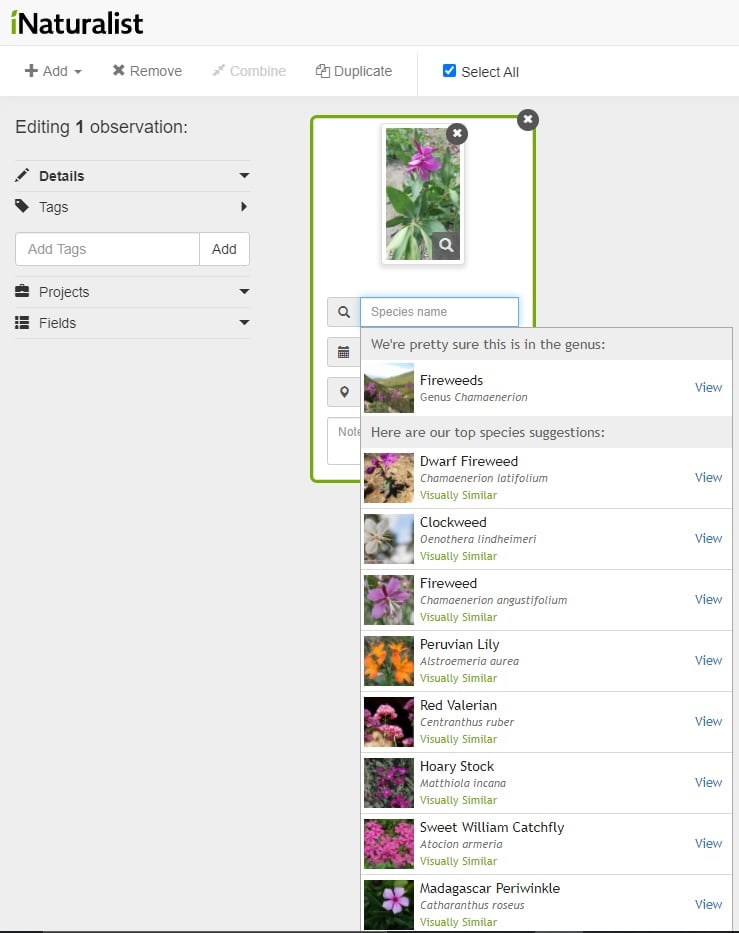
Once you have a photo uploaded, it’s time to build a profile for your observation. Tell us what species you photographed, the date the photo was taken, and where it was located. Not sure what you took a photo of? Not a problem. If you take a peek at the screenshot below, you can see a handy dandy drop-down menu that shows up when you click on the species field and suggests, based on your photo, what species you might have photographed. As you can see, the top suggestion for my photo of dwarf fireweed was… dwarf fireweed! What! WITCHCRAFT (which is code for programming I am both impressed by and don’t understand).

iNaturalist - once you upload your photo you can use the drop down photo suggestion prompt to help identify what in fact you are looking at!

If the dark magic of the iNaturalist app suggested species list doesn’t give you a likely answer, someone else can. This is where the identifiers come into play. The iNaturalist community plays host to specialists and seasoned outdoors enthusiasts whose expertise can put a name to the mystery organisms in your photos.

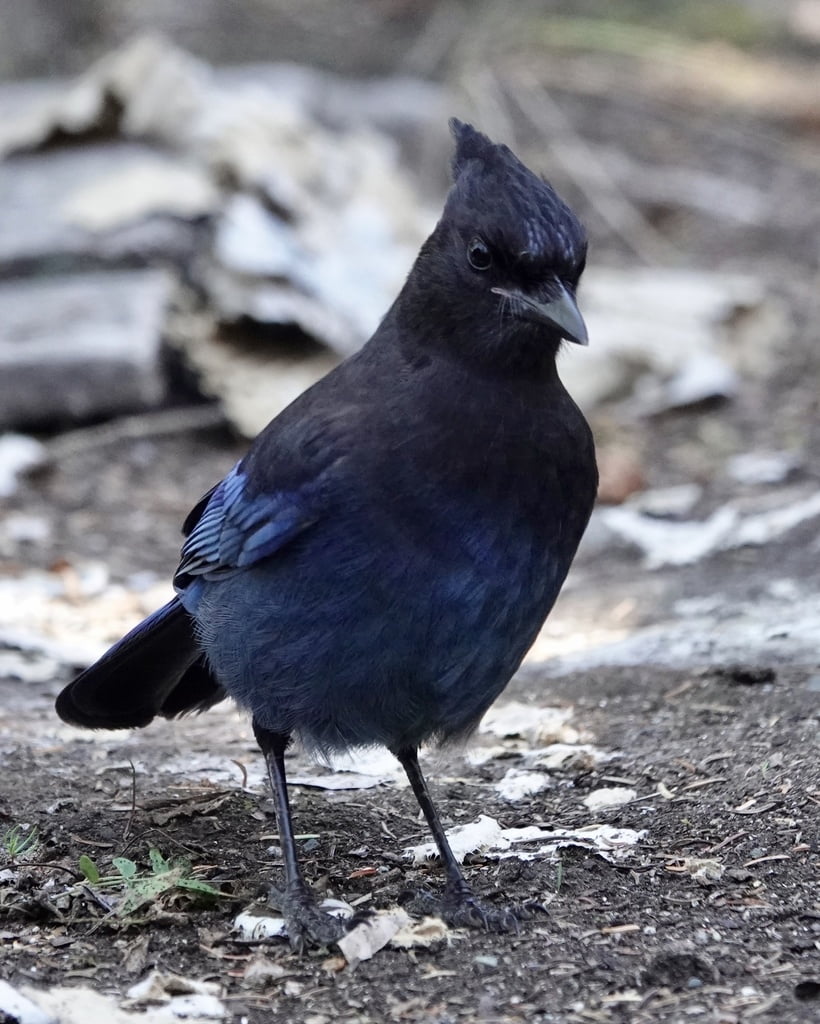
But wait, it’s winter. The insects are dead or dreaming, the fish are under a sizeable roof of ice, and the foliage is exceptionally non-existent. This is all true but that doesn’t mean there aren’t a lot of biodiversity discoveries you can make in the snowy months, far from it in fact. The bird populations in the Yukon change significantly from season to season; the water birds may be gone but the bohemian waxwings are lovely this time of year. We’re also experiencing a rare bird event this winter with the appearance of Steller’s jays. The Steller’s jay is the provincial bird of British Columbia and has only been noted en-masse in the territory twice before this: in 2006 and 1994. This showy blue-black corvid would make a charming addition to your list of iNaturalist observations.

A steller's jay observed in Carcross, Yukon. Photo Credit Cameron Eckert iNaturalist

But wait, there’s more. Act now and you can take advantage of one of the finest animal observing methods gifted to you by winter: animal tracks. Sure, you can spot footprints in mud during the warmer months but the winter offers an endless white canvas for animal feet. Yes, you can also upload photos of animal footprints. Not only do you get to identify the beasties wandering through your neighbourhood but you also learn to identify them even when they aren’t there. That’s some Sherlock level business.

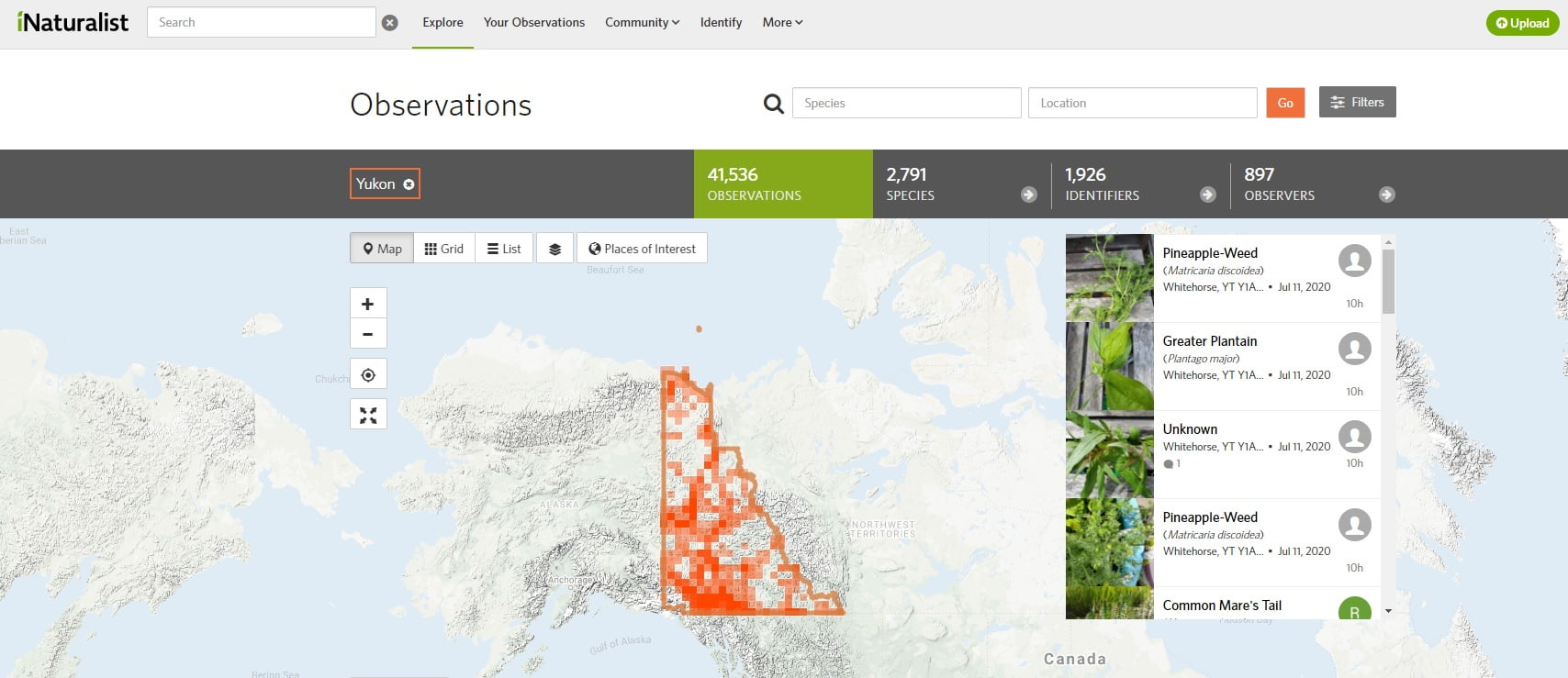
If you don’t feel like meandering outside (and as we move into the colder days, who could blame you), you can check out your local biodiversity from the comfort of your own home. Remember how you enter the location of your observations? That means all observations are placed in a map that lets you check which organisms have been observed in your area or in the destination of your choice.

All the observations in a given region can be seen from a map view. You can then click on each instance to learn more about the obeservation.

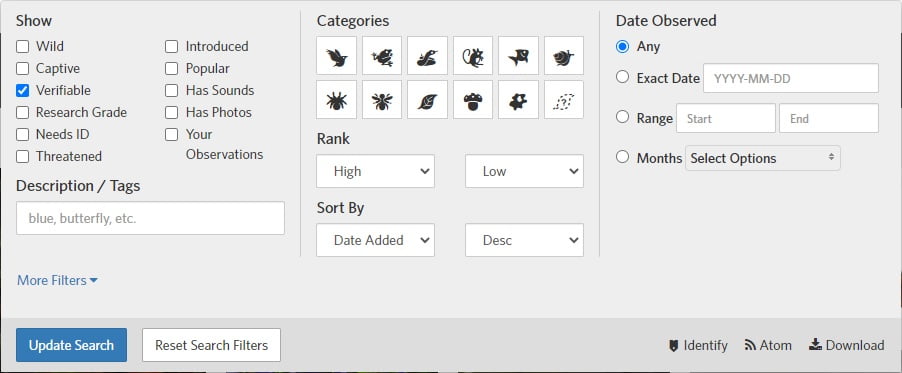
Not interested in your home range? No problem, check in on the gibbon observations in Asia, gaze upon the Macaw palm of South America. The iNaturalist map is a wonderful worldwide experience in biodiversity. You can peruse different species in far-ranging areas based on your interests. iNaturalist lets you check out the organisms based on category (frog, insect, flower, etc.), status (wild, threatened, introduced, needs ID, etc.), and date of observation. Mix it up, check it out, and find something new.

Explore iNaturalist through various categories including species, status, and date of observation. 

The iNaturalist app is an approachable means of connecting professionals and the public for the benefit of biodiversity research. The annual Bioblitzes are a great example of this. A Bioblitz is used to determine the health and diversity of an ecosystem by bringing together the local community of both specialists and the enthusiastic public to observe and record as many species as possible in a limited area within an equally limited timeframe to create a “snapshot” of the living things in a specific region. Outside of general curiosity, the data from a Bioblitz can inform decisions about wildlife management and future research.

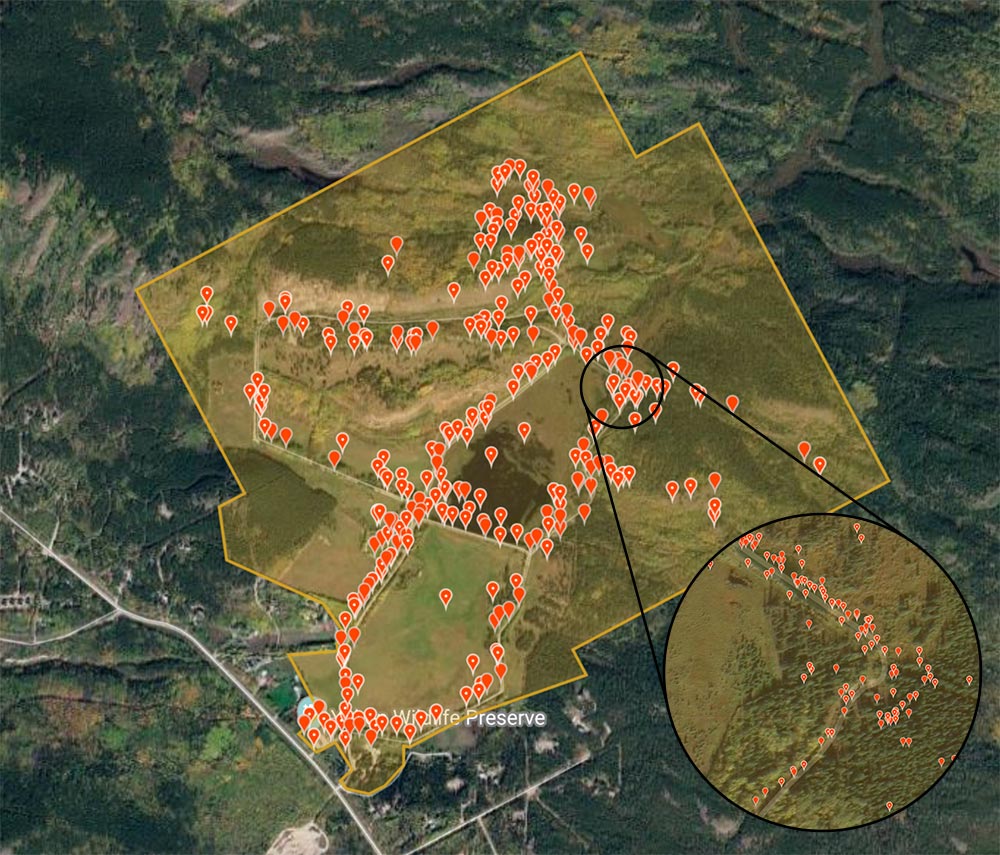
The 2020 Yukon Bioblitz was held at our very own Yukon Wildlife Preserve in the short span of July 8-10 2020. Not to brag, but the Wildlife Preserve is a great local for a Bioblitz because it’s composed of a diverse array of habitats including forests, meadows, and wetlands which in turn host a variety of plant, animal, and fungi species. Unfortunately, the intentional residents of the Wildlife Preserve were not included in the Bioblitz observations. It would be very impressive to add a muskox or a lynx to your iNaturalist observation repertoire but if they’re full-time residents of the Wildlife Preserve, they’re not necessarily representative of the type or amount of these species that would be present in this area. Alas.

Over the three days of the 2020 Bioblitz, a horde of experts (like Dan Peach - mosquito man) and the public (including me) descended upon the Wildlife Preserve to document every and any species they came across. Even without the residents of the Wildlife Preserve, there were over 400 species recorded during the Bioblitz. That’s a lot! For a little perspective, this count includes:

The Count List
  • 2 species of algae
  • 1 amphibian
  • 22 species of beetle
  • 62 bird species
  • 12 species of moss
  • 1 centipede
  • 18 species of flies
  • 57 species of fungi and lichens
  • 11 species of true bugs
  • 31 species of bees, wasps, ants
  • 18 species of butterflies and moths
  • 8 mammal species
  • 7 species of snails
  • 11 species of dragonflies
  • 1 grasshopper
  • 1 pot worm
  • 8 spider species
  • 182 species of vascular plants
  • And a partridge in a pear tree
  • (Just kidding, partridges aren’t indigenous to the Yukon.)
  • (And neither are pear trees.)

For the full species list and the distribution map, check it out here!

The Bioblitz provides a snapshot of what’s present in the territory but there are 482,443 km² of territory to explore. Imagine what else you could find. Get out there, observe, record, and have a good time!

Video shot and edited by Jake Paleczny.

Joelle Ingram

Joelle Ingram

Human of Many Talents

Joelle is a former archaeologist, former wildlife interpreter, and a full-time random fact enthusiast. She received her master’s degree in anthropology from McMaster University. One of the four people who read her thesis gave it the glowing review “It’s a paper that would appeal to very specific group of people,” which is probably why only four people have read it. Her favourite land mammal is a muskox, her favourite aquatic mammal is a narwhal. She thinks it’s important that you know that.

867-456-7400
 info@yukonwildlife.ca

Explore by Category

Explore by Author

I Wish I Was as Tough as a Chickadee!

I Wish I Was as Tough as a Chickadee!

meet the north

by Doug Caldwell | Dec 31, 2020

6 minute read - Banner image photo credit: Syd Cannings, iNaturalist

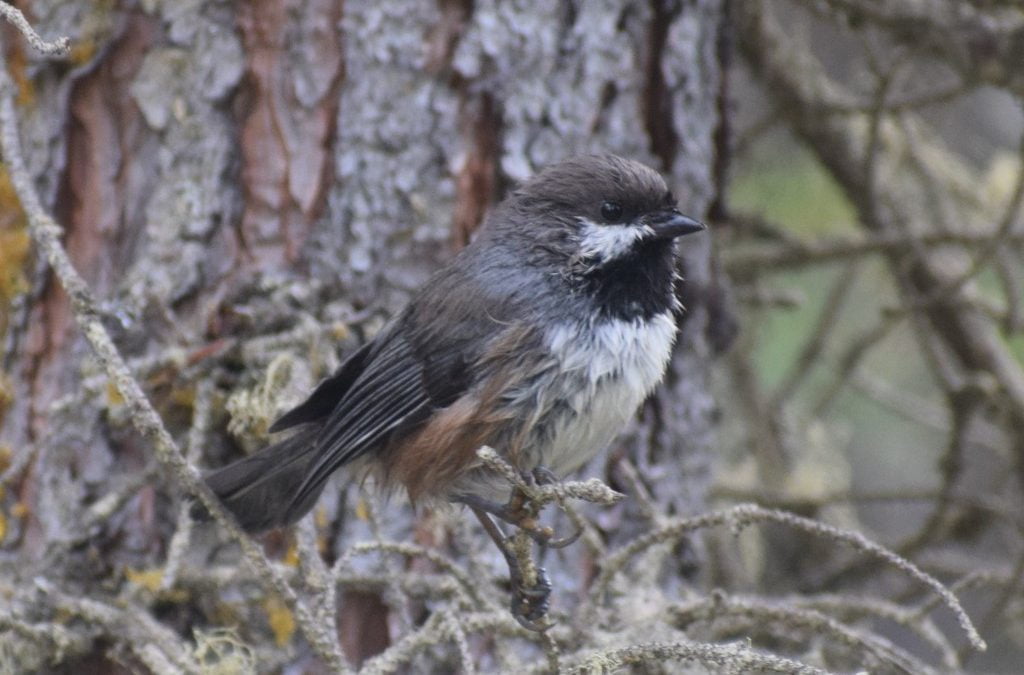
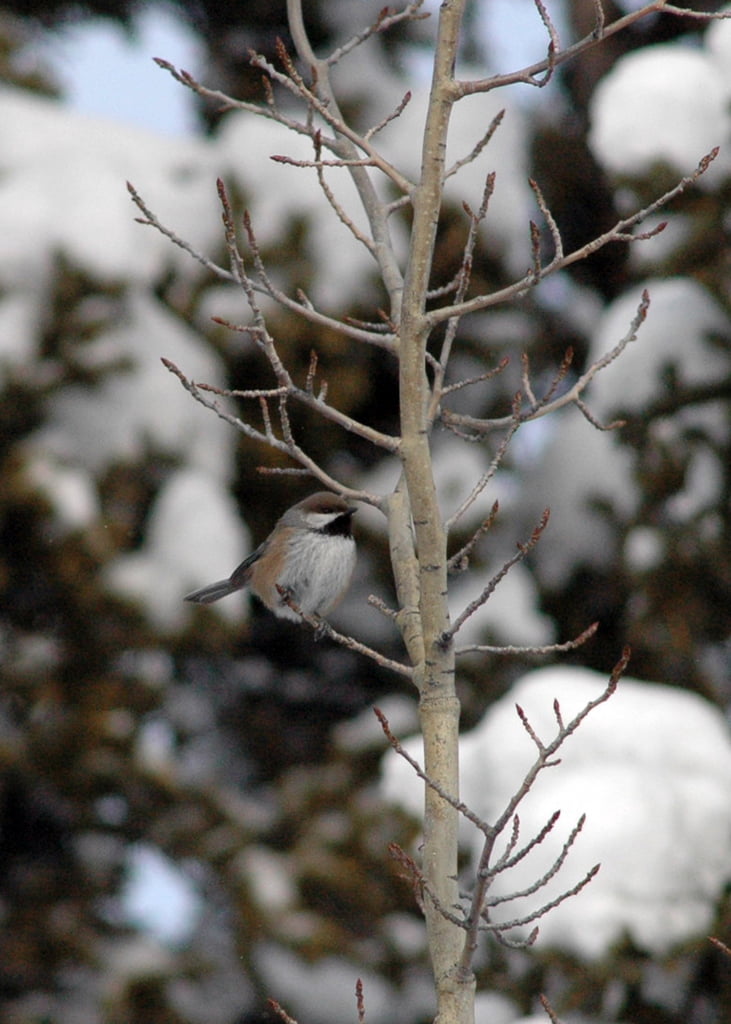
Gram for gram, there are few creatures in the North that have the endurance, temerity and constitution equal to a Boreal Chickadee. An iconic small bird of the north, this species lives its entire life in the Boreal forest and does not migrate to warmer southern climates in the winter months. Chickadees have adapted to not only survive, but to thrive in harsh winter conditions known across this northern biome.

For hundreds of thousands of years Boreal Chickadees, a cousin of the Black-capped varieties, has called the upper lands of North America home. It is believed to have crossed the Bering land bridge from present-day Russia into North America, very much like the first humans and many animal species to arrive in the Americas.

A secret to the Chickadee’s success is its work ethic where much of the summer is spent gathering and storing food, in the form of insects and their larva; seeds of many varieties and fat often gathered from animal carcases killed by much larger predators. Chickadees are frequent participants in cleaning up the remains of other animals as they can eat and digest just about anything organic.

They cache their winter larder in the bark and crevasses of trees, in tree cavities and roots, rock faces and structures. They demonstrate a very reliable memory for where they hid these morsels as some weeks later they return and consume them, often retrieved from beneath snow cover.1https://www.hww.ca/en/wildlife/birds/chickadee.html

A very social bird, the Boreal Chickadee is often found in the company of its cousins the Black-capped variety, Nuthatches, Pine Siskins, Red Polls, Kinglets and other regular visitors to bird feeders in the back yard. Their cheerful call is very recognizable and can often be heard following an insect hatch when their food gathering activities stimulate greater activity.

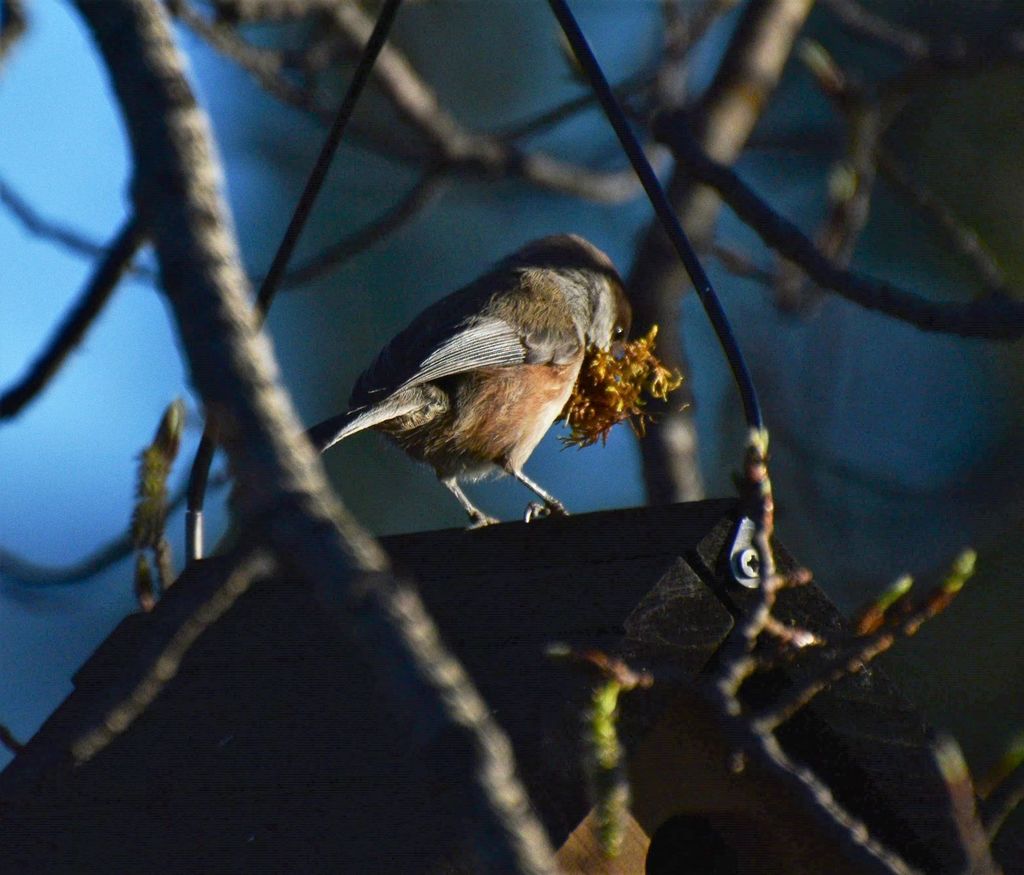
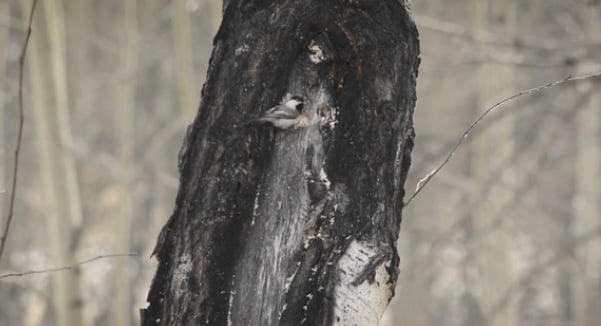
It is believed that Boreal Chickadees mate for life with the pair remaining together all year. The nest site is often a hole in a tree, either a natural cavity or old woodpecker hole; chickadees may also excavate their own site or enlarge an existing hole. The nest site is usually low, within twelve feet above the ground. Both male and female help with excavation, but only the female builds the nest inside. Nest has a foundation of moss, bark strips, lichens, topped with: feathers, plant seed fluff and the fur and hair shed by local animals. In human occupied locations, nests have been found to contain clothes dryer lint, threads and strings and similar items useful for the purpose.

This is a Boreal Chickadee's cousin, the Blackcapped Chickadee making a nest in the spring of 2020. Watch the Wild Spring Adventures video for the action of this busy bird and other spring happenings at the Preserve. 

After breeding, the hen will lay up to nine eggs in a single clutch. These are white, with fine reddish brown dots often concentrated at the egg’s larger end. Only the female sits to incubate the eggs which take between ten and fifteen days to hatch. The male captures food and brings it to the brooding female during incubation. The female stays with the young and broods them much of the time at first, while the male continues to bring food. Growing quickly and developing flight feathers within a week of hatching, the young leave nest at about 20 days.

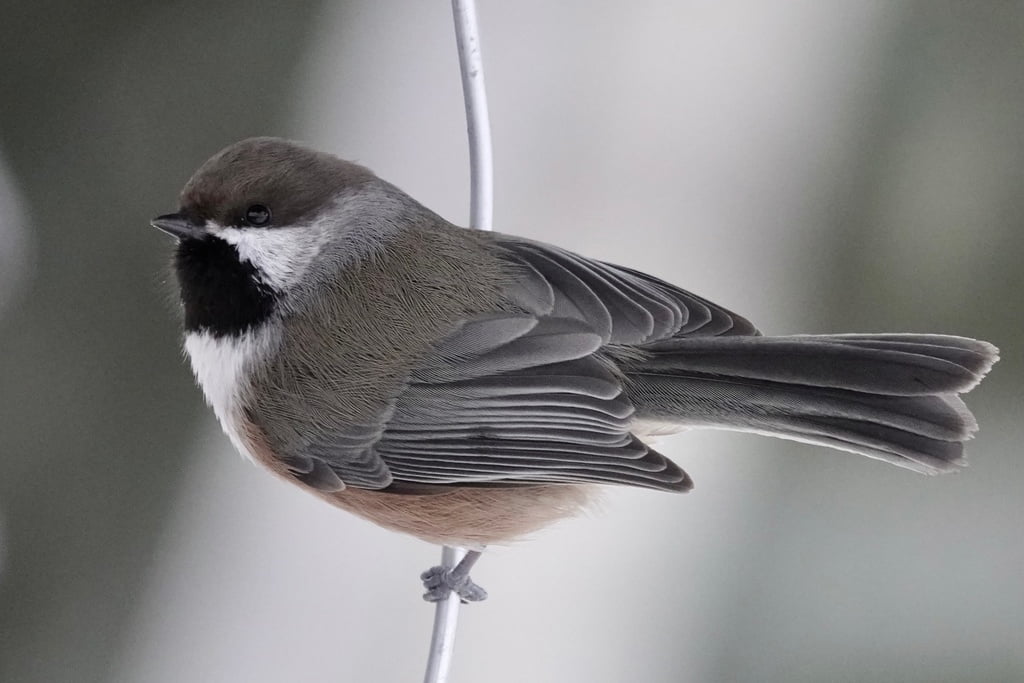
As summer concludes and the fall winds blow through the trees, Chickadees put on fresh, heavier plumage. And their feathers are more dense than most birds’, creating a comfy down parka for the chickadee. And most impressive, the chickadees adapt to deep cold by lowering their body temperature at night from 42 degrees Celsius to just 29.5 degrees. In this way, the birds conserve their stores of insulating fat as their metabolism slows. They fluff their feathers up so they truly look like little balls of fluff capturing more body heat within the airspace created within their feathery parka.

An average Boreal Chickadee weighs only a third of an ounce and its body size - without all the fluffy feathers - is about as big as an adult human’s thumb. It truly is remarkable how a creature this small and delicate can endure the harsh frigid cold of a six-month Yukon winter.

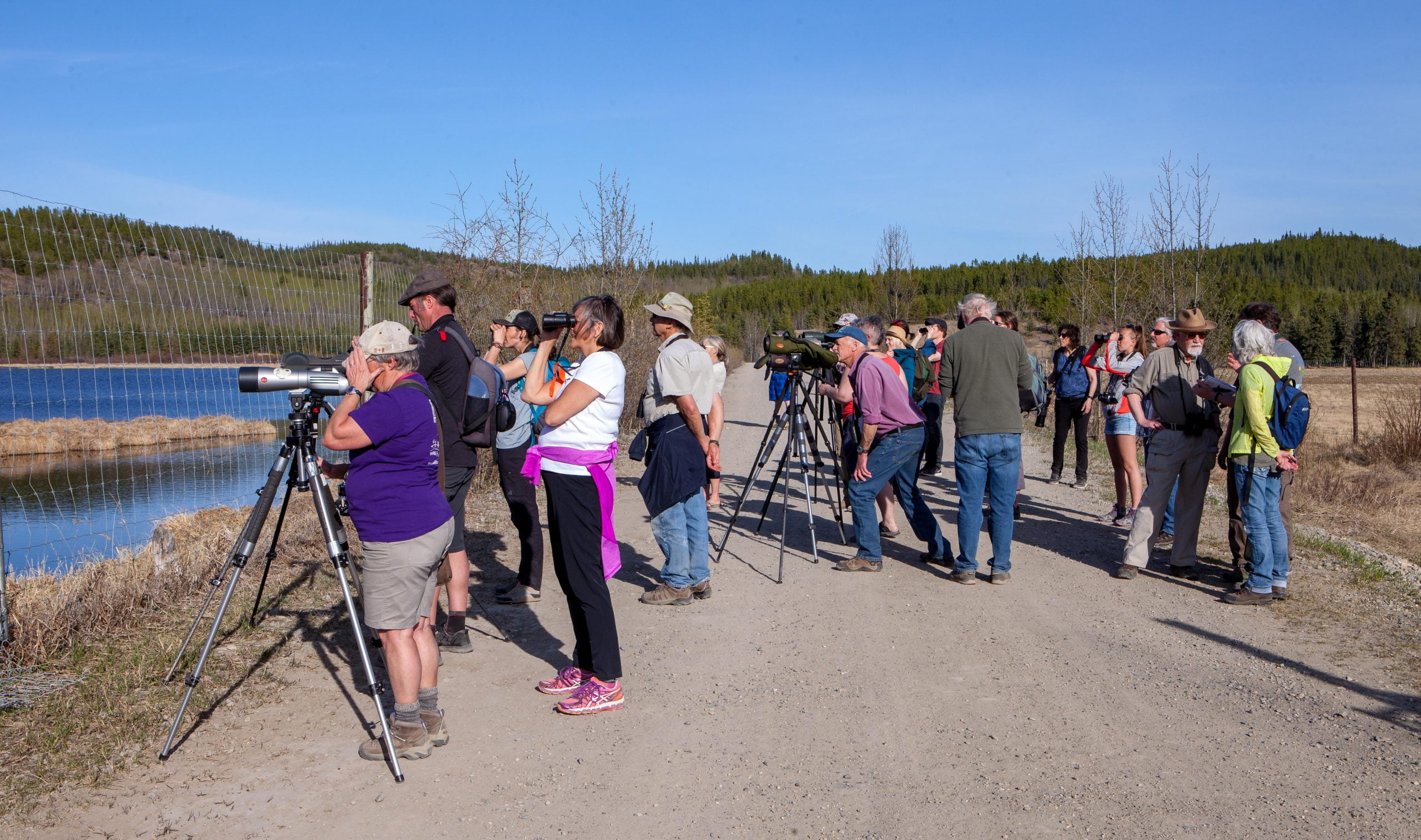
Each year the local Yukon Bird Club does several outtings and observations including a the winter seasonal Christmas Bird Count across the Territory - several variety of chickadee are noted to withstand Yukon winters! It's an excellent citizen science engagement that contributes to a North American wide bird monitoring and conservation program. The Preserve boasts an array of species for bird lovers year-round but especially in Spring migration and throughout summer.

Annual Spring bird walk at the Yukon Wildlife Preserve.
Photo Credit: Jake Paleczny. 

Doug Caldwell

Doug Caldwell

Wildlife Interpreter

Doug is one of the Interpretive Wildlife Guides here at the Preserve. An avid angler and hunter he has a broad knowledge of Yukon’s wilderness and the creatures that live here. With a focus on the young visitors to the Preserve, Doug takes the extra time to help our guests to better appreciate the many wonders of the animal kingdom here in the Yukon.

Explore by Category

Explore by Author