Moose on the Move

Moose on the Move

veterinary medicine

by Jake Paleczny | Jul 25, 2020

3:47 video

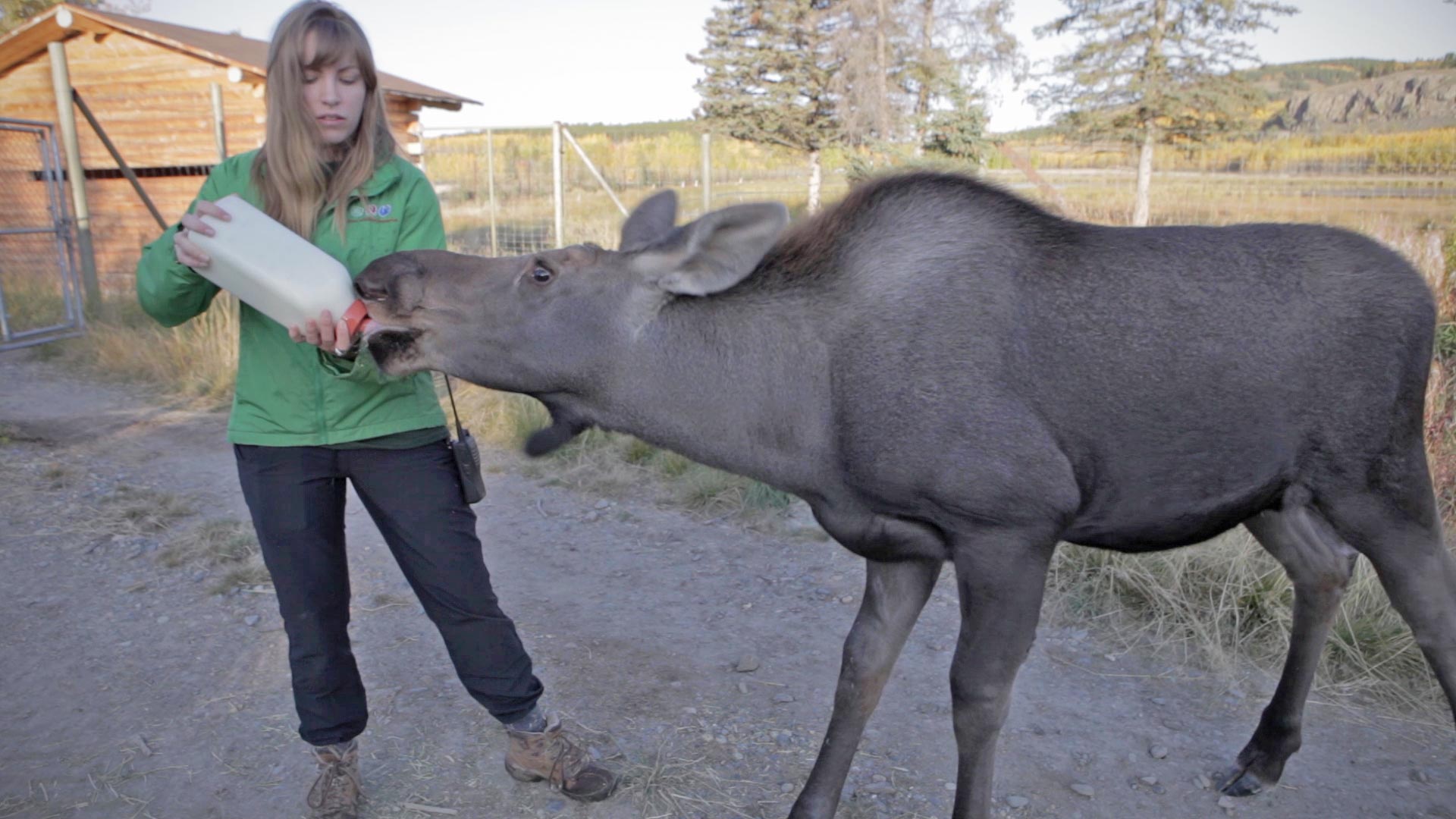
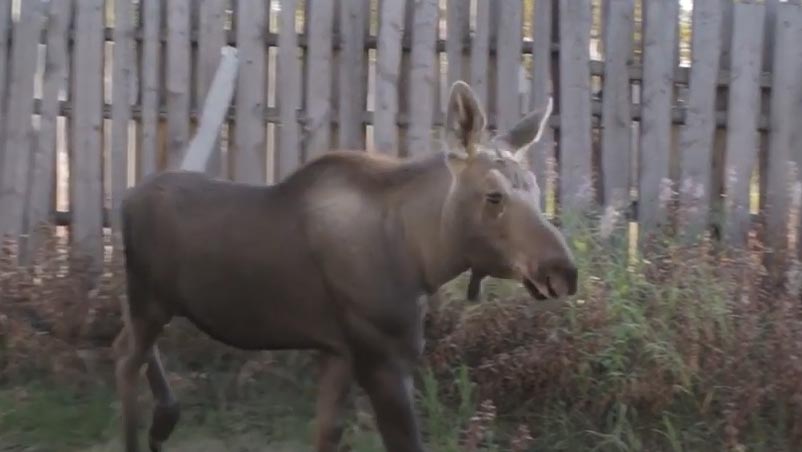
Our young orphaned moose has outgrown his room in the Preserve's Research and Rehabilitation Centre. Today he's on the move to a new - much larger - outdoor enclosure.  He will spend the next few months in this larger space, with food to browse as he continues to grow .  But first, we have to get him to his new home.

Learn how the Animal Care team at Yukon Wildlife Preserve safely and successfully moves this moose calf.


Jake Paleczny

Jake Paleczny

He/Him - Executive Director/ CEO

Jake Paleczny is passionate about interpretation and education. He gained his interpretative expertise from a decade of work in Ontario’s provincial parks in addition to a Masters in Museum Studies from the University of Toronto. His interests also extend into the artistic realm, with a Bachelor of Music from the University of Western Ontario and extensive experience in galleries and museums.
867-456-7313
jake@yukonwildlife.ca

Explore by Category

Explore by Author

What’s in the Feed Station: Moose?

What’s in the Feed Station: Moose?

veterinary medicine

3:45 min Video -

Hello and welcome to the moose feeding station!

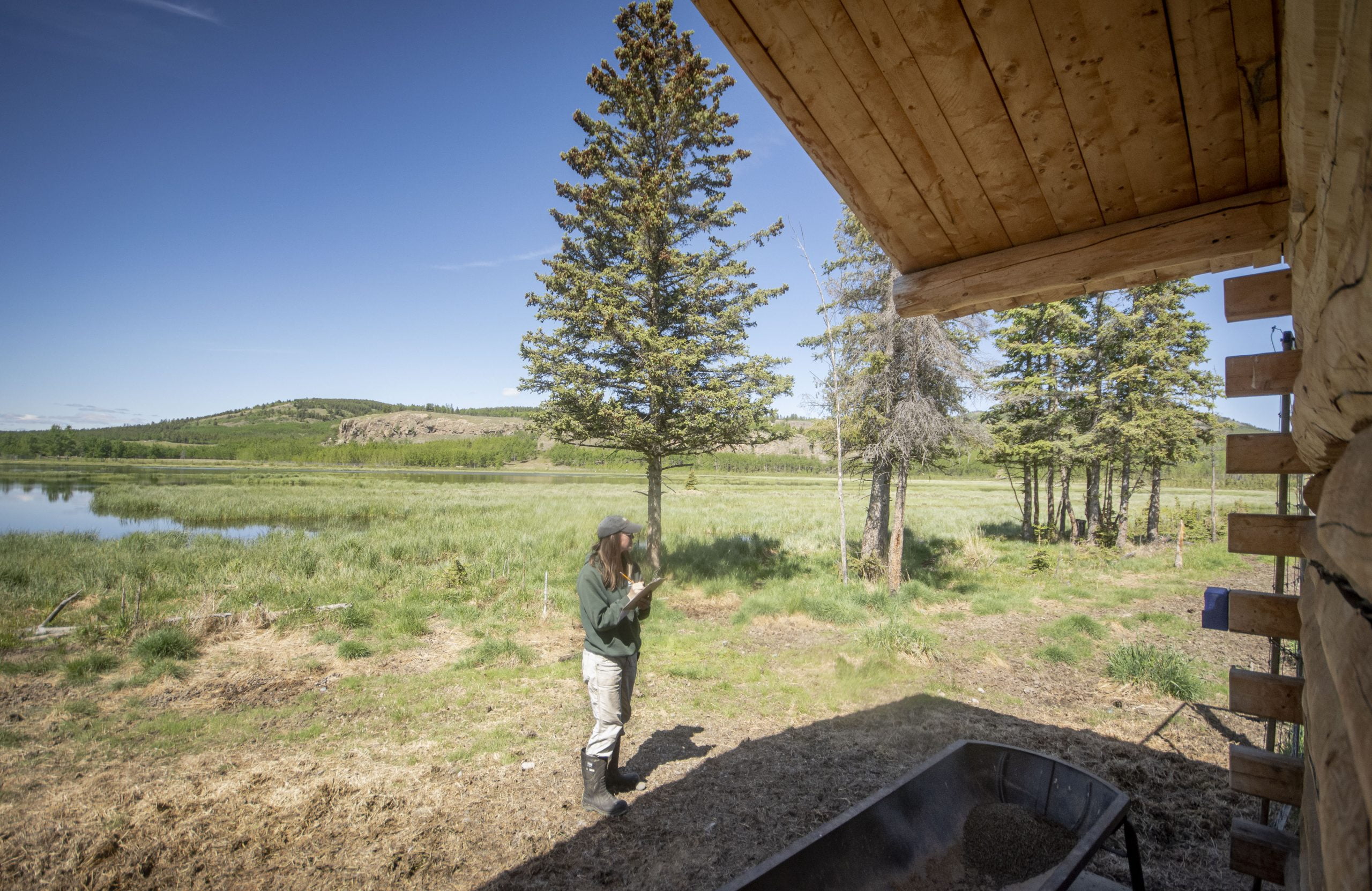
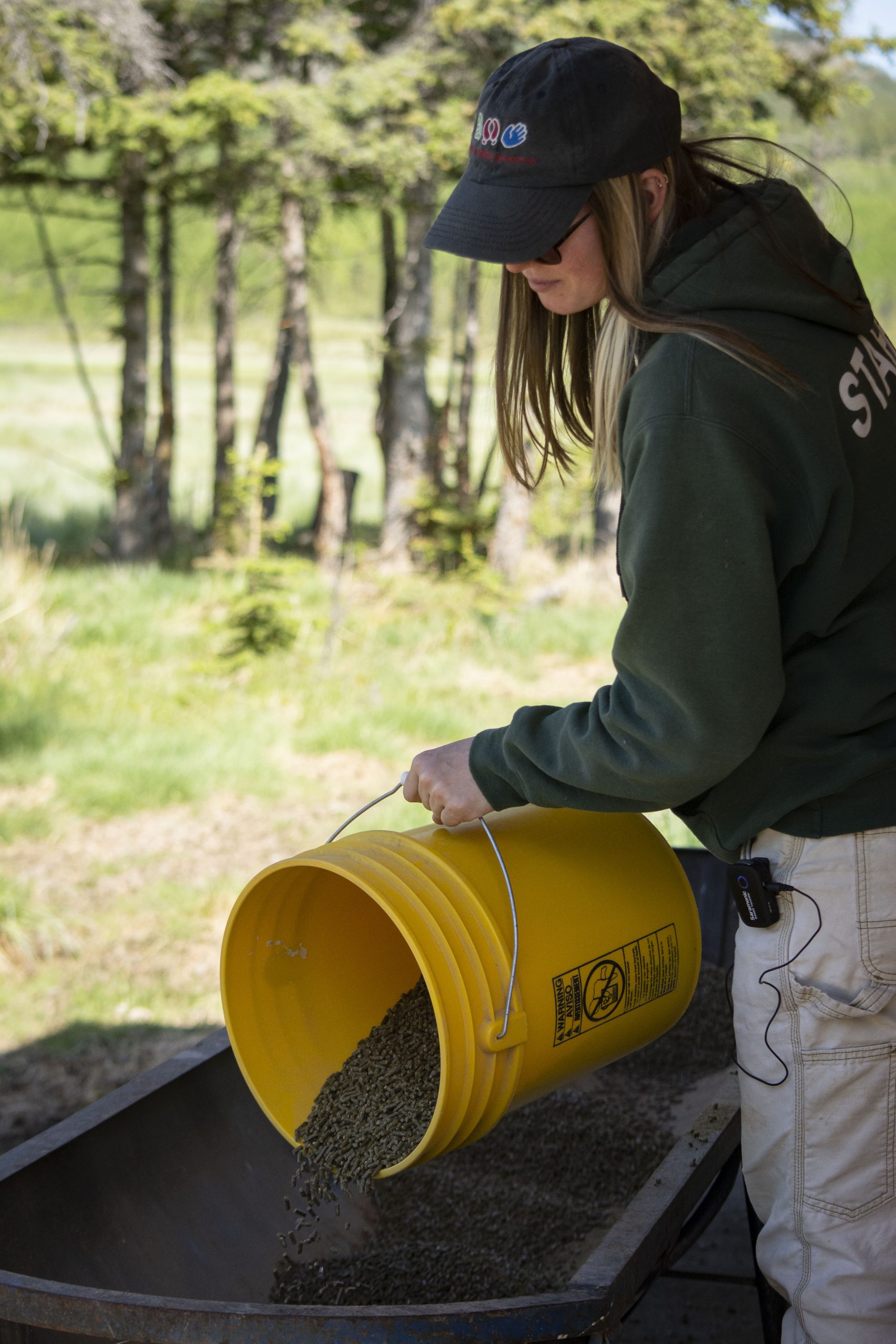
The feeding stations exist to make my job easier. Inside they have a big bag of pellets, a bale of hay, a bucket and scoop, a rake, a shovel, a pitchfork, a broom and a feeding chart.

The moose get 25 lbs of pellets a day as a supplement of vitamins and trace minerals in a form they like.  25 lbs may not sound like a lot for 4 moose, but there are lots of natural foraging opportunities in their habitat. In the wild, moose eat leaves, bark and twigs from trees and shrubs as well as aquatic plants. Our moose also have a bale of hay placed in the trees in the back corner of the 48.5 acre habitat and we give them browse, which are tree branches with lots of leaves. We also get produce from local grocery stores or other community members (things like lettuce and veggies) to feed the moose.

The tools in the feeding station are used to clean the area and also for protection. We never enter the moose habitat when they are nearby. It’s just too easy for something to go wrong, without the moose even meaning to hurt us. So when we feed them we take a tool with us. If the moose decide to come up too close, we can wave the rake and they perceive us as being larger than we are and hopefully they back off. If they are very hungry, and come towards us too close and too fast, we might be forced back into the feeding station. In that case, we can use the scoop to pour the pellets through the slat in the wall into the trough outside.

Each feeding station has a clipboard with a feeding chart. The feeding chart is a place for animal care staff to record information. Every day, we record the number of animals we saw, how much and what kind of food they got, and any comments or observations about the animals. If we ever go a couple days without seeing all the animals in a habitat, we let the veterinarian, Dr. Maria Hallock, know, and she will walk around the perimeter of the habitat to locate the animal or animals and make sure they’re ok.

As an example, there was one time last fall when I was feeding Watson his bottle of formula, with my animal care coworker and we noticed he had a patch of green and red on one of his “knees” and we were concerned he may have hurt himself. We sent a picture to the veterinarian, and tried to think of anything that could have caused the discolouration. We then remembered that we had fed him some produce that had beets, lettuce, and celery and he must have knelt in it, causing the staining on his knee. We all got a little chuckle out of it, and were relieved it was nothing serious.

Read Watson's original story  and then watch the video of Watson taking the first steps to his larger habitat, after his initial rehabilitation.

Animal Care at Yukon Wildlife Preserve involves feeding, cleaning and diligent observations.  Thanks for joining me on this tour of the moose feeding station.

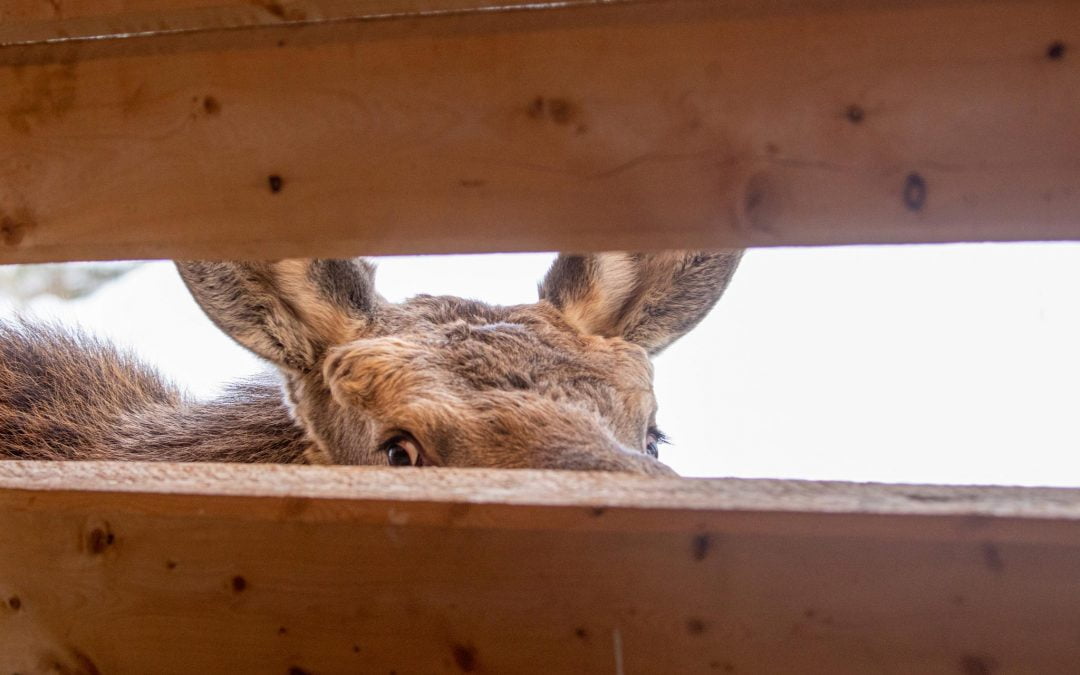
Banner photo credit Neil Zeller:  Watson gets curious and says hello through the slats in the Animal Feeding station.

Watch Bree explain how Yukon Wildlife Preserve feeds Wood Bison!

Learn as Dr. Maria Hallock provide hoof trims to Rocky Mountain Goats!

Bree Parker

Bree Parker

Animal Care Assistant

All animal lover to her very core! Bree has had a menagerie of pets over the years, including mice, crayfish and a hedgehog. After completing her Environmental Technician diploma at Seneca College, she realized her true calling was with animals, sending her back to Ontario this coming fall for University of Guelph Ridgetown Campus’s Veterinary Technology program. Bree is always eager to learn new facts about the animals at the Preserve that she can share with visitors.

Explore by Category

Explore by Author

Doctor visit:  Mountain Goats!

Doctor visit: Mountain Goats!

veterinary medicine

by Julie Kerr | May 14, 2020

8 min read - 

During daily rounds to check on the health of the residents, Animal Care staff notice that the eldest male goat, Geronimo, appears to have a cracked hoof. Staff veterinarian Dr. Maria Hallock is concerned he may have cracked it close to the blood supply. This leaves him open to the possibility of an infection, which is more likely with spring weather – melting snow and lots of mud.

The wildlife residents at Yukon Wildlife Preserve are not trained. This keeps them as wild as possible, but it does make medical procedures an interesting challenge. Most medical procedures are performed under general anesthesia to minimize stress to the animal as well as to ensure safety of the staff handling the animal. While some animals are cooperative enough to receive their sedative medication via hand injection, most of them require a distance delivery of the drug via various equipment such as jabpole, blowpipe and dartgun.

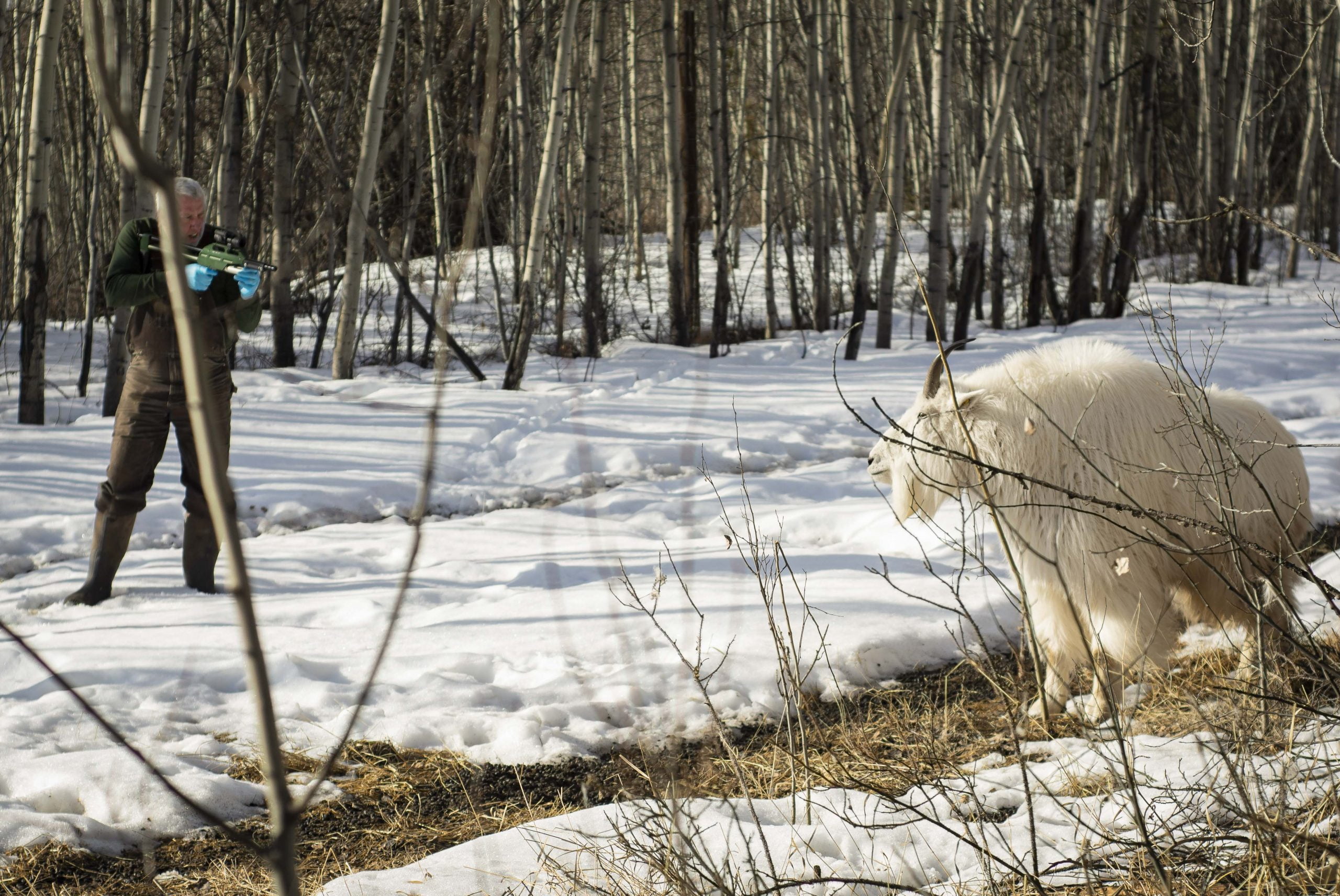
Randy, Director of Operations, uses a dartgun for distance delivery of sedative drugs to the young male, or billy, goat. 

The team gathers... but the mountain goats are not interested in participating. So, the team gathers the following day, to try again. Geronimo is successfully sedated – but here’s the thing about mountain goat personalities – their tolerance to their peers showing vulnerability is low to none. If a rival shows weakness, the other goats will come in to finish him off with his very sharp horns. Given the situation and the close proximity of a second male, or billy, there is a great safety concern to Geronimo during his recovery period. Therefore, Dr. Maria decides to use this opportunity to sedate and trim the younger billy’s hooves, as well as clean up any winter hoof overgrowth.

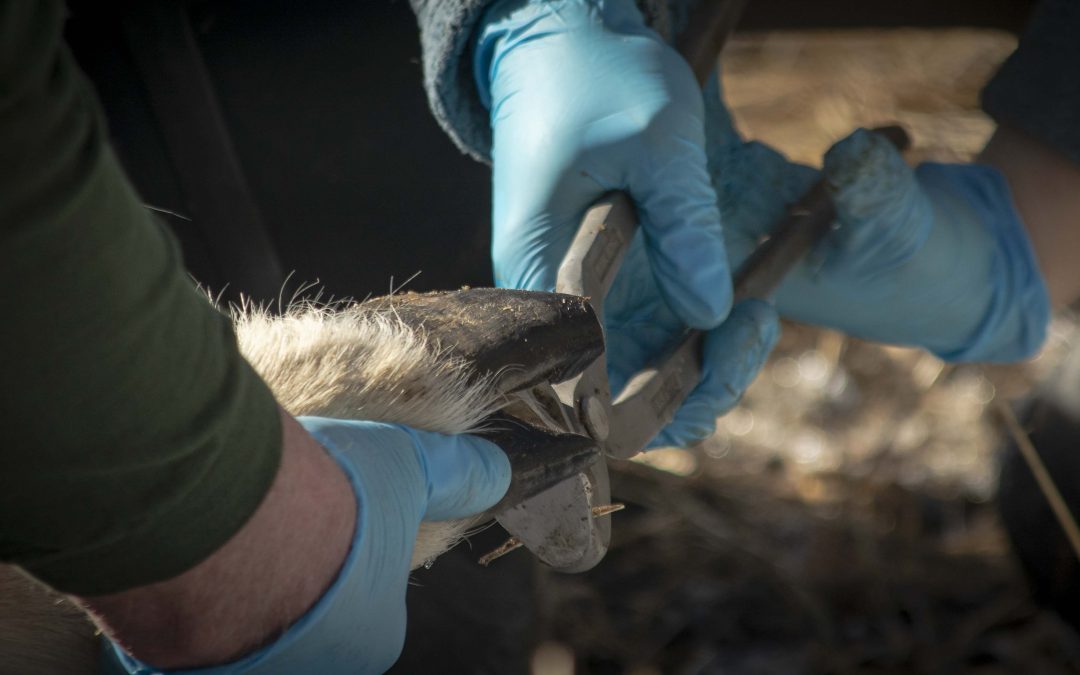
Hooves and horns are composed of keratin - the same protein as hair and nails. Just like in the wild, Rocky Mountain Goats at Yukon Wildlife Preserve will wear down their hooves by walking on the rocks in preferred cliff habitat. During winter, with snow covering the cliffs, it is more challenging for the goats to wear down their own hooves. Even so, not all the resident goats will require hoof trims, but some individuals do – things like older age, genetics and nutrition all contribute.

Hooves and nails are both composed of the same protein, keratin.  Trimming hooves is not unlike humans trimming their fingernails, or taking their pet dog to the vet for a nail trim. 

Dr. Maria and Randy begin trimming hooves, Julie monitors Geronimo's health while under general anesthetic as Ensio records times and values such as heart rate. 

Once the goats are sedated, we cover their eyes so they won’t be stimulated by light, and team members start taking and recording vital signs – heart rate, breathing rate, and temperature, to name a few. Since Geronimo is an older goat, he is also put on intranasal oxygen throughout the procedure. Dr. Maria and Randy get busy trimming the hooves, to make the procedure as quick and safe as possible, so we can wake the goats up, as soon as we can.

The eldest billy, Geronimo, receives intranasal oxygen. During the procedure to trim his cracked hoof, his eyes are covered to avoid stimulating him.  Here, Julie monitors vital signs such as heart rate, breathing rate and temperature as Dr. Maria works to quickly trim hooves.

We are happy to report that although Geronimo had indeed cracked his hoof, the crack did not communicate with the blood supply, so he’s at less risk of an infection from his hoof. Essentially…. he had a broken fingernail…

Geronimo's hoof after being trimmed.  The right toe was trimmed bluntly due to the crack in the hoof.  The left toe is the "normal" shape after trimming 

Both billy goats are woken up from sedation at the same time - we don’t want to risk any fighting of a rival!  In order to wake the goats up, they are given injections of sedative reversals.

Julie injects sedative reversal intramuscularly.

The time is noted and recorded so we know when to expect Geronimo to waken.  

Veterinary medical costs quickly add up. Even this simple, fast procedure cost $60 per goat for anesthetic drugs, antibiotics and pain control. Hidden costs include expertise, labour and supplies such as syringe and needles.  

We also administer an injection of antibiotics which will last for 3 days, to mitigate any potential infection arising from either hoof injury or the drug injection site.  Within minutes of waking up, both goats are heading their own way, to get back to the normal routine of being Rocky Mountain Goats.

Photo and Video Credit: L. Caskenette

Julie Kerr

Julie Kerr

Visitor Services Coordinator

Julie is a Registered Veterinary Technologist, living and working in Whitehorse since 2012. She joined the team in May 2018. She is passionate about wildlife, nature and living in a conscious manner with both. Her free time is spent outdoors observing wild animals and ecosystems; her connection to the natural world around her brings great joy – joy she loves to share with anyone interested. Honestly? Work and life blend rather seamlessly.

Explore by Category

Explore by Author

Watson Grows

Watson Grows

veterinary medicine

by Lindsay Caskenette | Feb 27, 2020

This story was originally published February 27, 2020 in the e-blast newsletter to Yukon Wildlife Preserve's membership.

Are you a member but don't receive these email Newsletters?  Contact us at info@yukonwildlife.ca to update your email preferences.

Banner photo Watson October 2019.  Credit:  L. Caskenette

Original Story:  Watson Arrives

Watson the Moose ❤
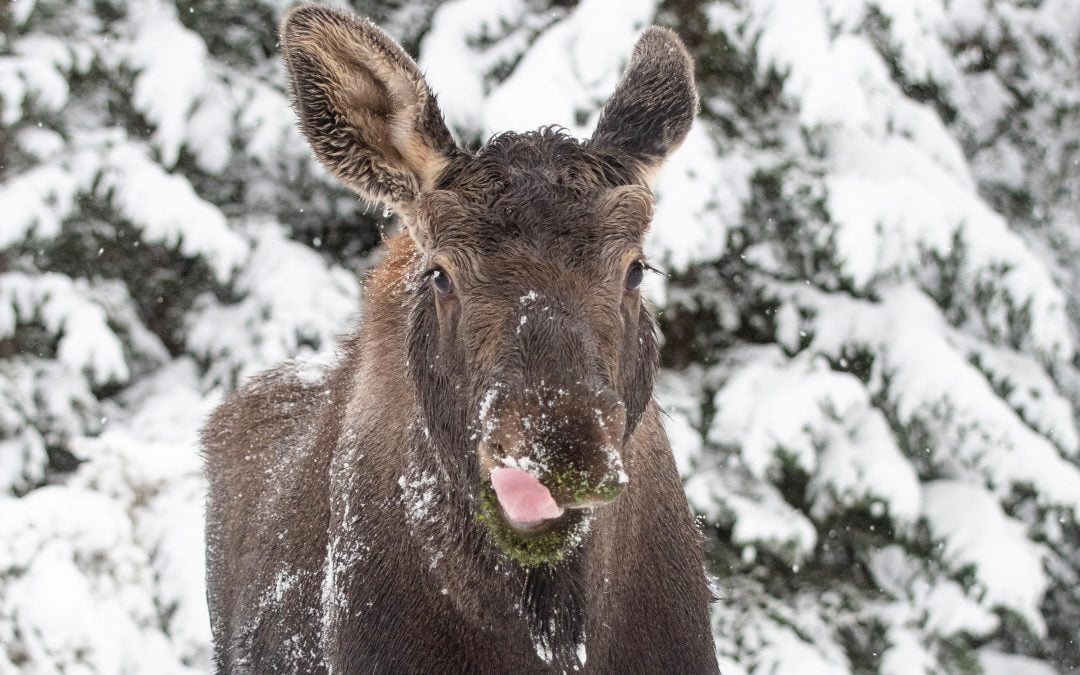
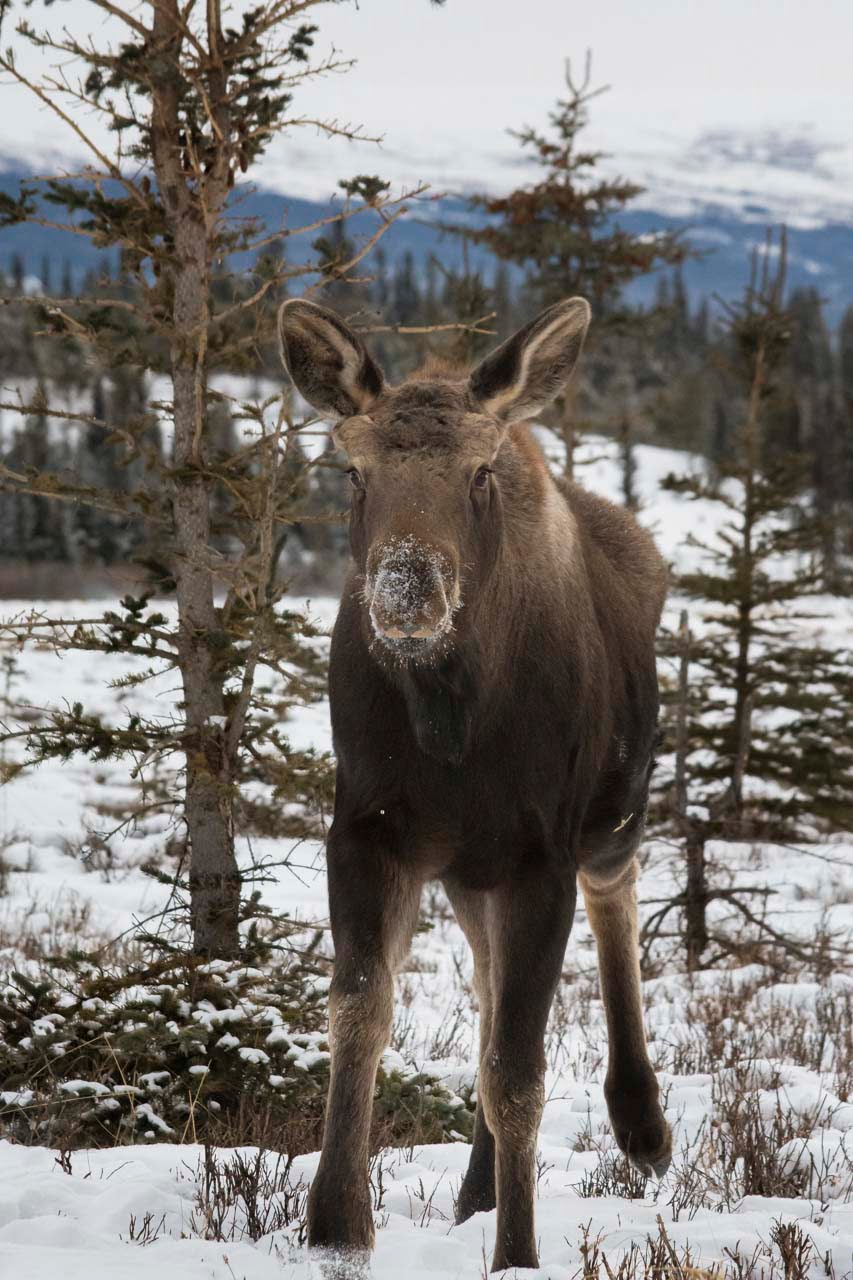
Is growing like a weed! The little orphaned moose calf that came into the Preserve's Wildlife Rehabilitation Centre this past summer, after his mother was struck and killed by a vehicle, is pretty grown up now at almost 10 months old.

He's been learning to live the life of a moose - browsing for food and ruminating alongside our other 3 resident moose including JB, Jesse and our 11 year old bull moose in the 36 acre marsh habitat.

You can see Watson's small developing antler nubs. When spring truly arrives those will start to grow at an impressive rate. We're all excited to see Watson continue to grow healthy and strong!

2020 Photo Updates below

In 2020 Watson, L to R:  grew his first velvet-covered set of antlers August 2020; shed the velvet September 2020; gathered snow October 2020.

Lindsay Caskenette

Lindsay Caskenette

Manager Visitor Services

Lindsay joined the Wildlife Preserve team March 2014. Originally from Ontario, she came to the Yukon in search of new adventures and new career challenges. Lindsay holds a degree in Environmental Studies with honours from Wilfrid Laurier University and brings with her a strong passion for sharing what nature, animals, and the environment can teach us.

867-456-7400
Lindsay@yukonwildlife.ca

Explore by Category

Explore by Author

Watson Thrives

Watson Thrives

veterinary medicine

by Lindsay Caskenette | Sep 13, 2019

This story was originally published September 13, 2019 in the e-blast newsletter to Yukon Wildlife Preserve's membership.

Are you a member but don't receive these email Newsletters?  Contact us at info@yukonwildlife.ca to update your email preferences.

Banner photo Watson September 2019.  Credit: J. Paleczny Video

Next update:  Watson Grows

 Watson the moose calf is thriving! This moose was admitted to the Preserve's rehabilitation centre earlier this spring after his mother was struck and killed by a vehicle. This week we introduced him out to a publically view-able exhibit. Watch along here as Watson makes the journey to his new temporary home and introduction to his new moose family. He's double in size thanks to endless hours of care by our Veterinarian and Animal Care staff.

Lindsay Caskenette

Lindsay Caskenette

Manager Visitor Services

Lindsay joined the Wildlife Preserve team March 2014. Originally from Ontario, she came to the Yukon in search of new adventures and new career challenges. Lindsay holds a degree in Environmental Studies with honours from Wilfrid Laurier University and brings with her a strong passion for sharing what nature, animals, and the environment can teach us.

867-456-7400
Lindsay@yukonwildlife.ca

Explore by Category

Explore by Author