The World Under the Snow

The World Under the Snow

wildlife blog

by Pete Neilson | Mar 25, 2026 | 0 comments

2 minute read -

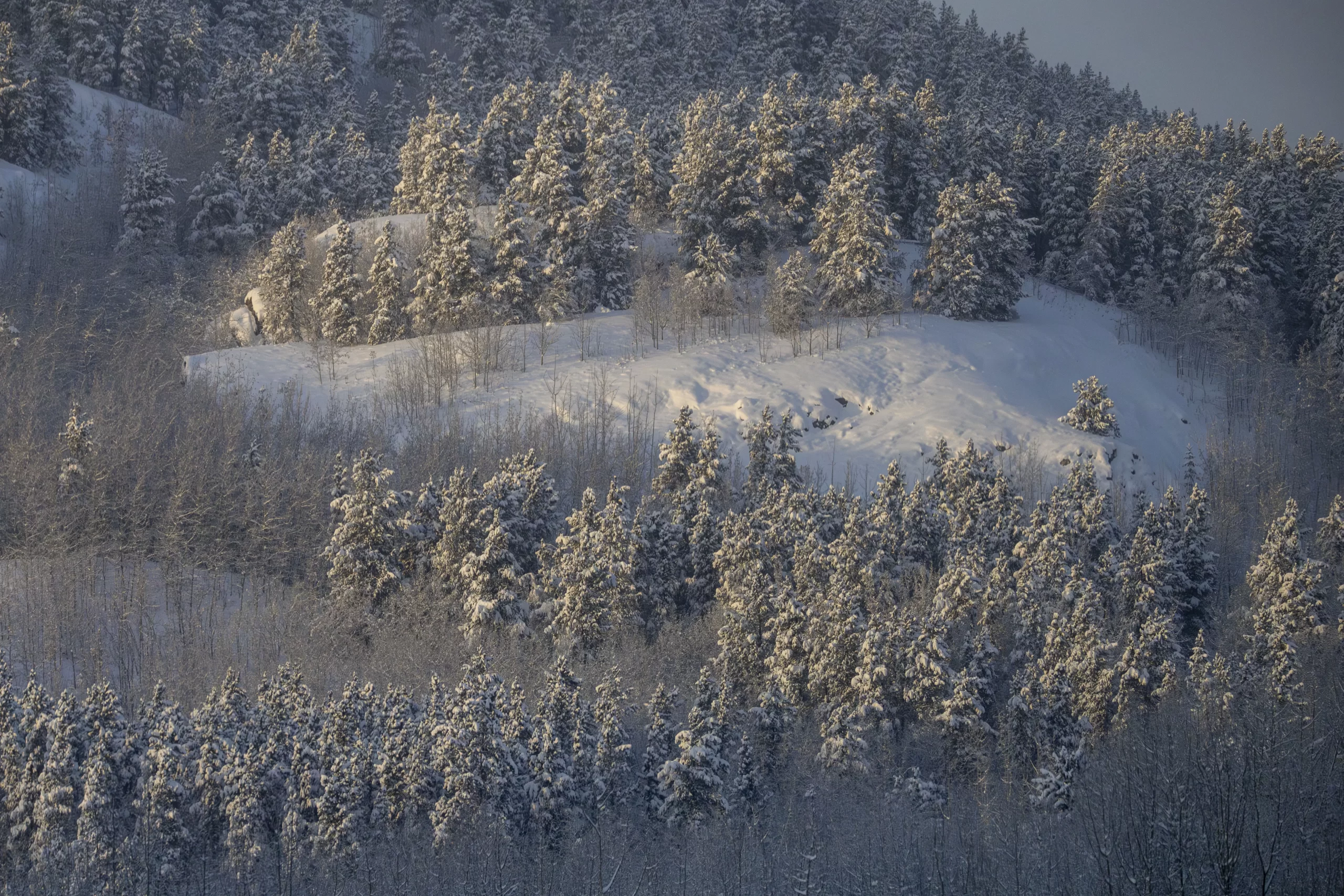
After Whitehorse’s snowiest December on record along with a stretch of record-breaking cold (with temperatures dipping as low as -50°C across much of the Yukon) a person might wonder how animals get through it all. Even now, as of the end of March, all of the Yukon still sits under feet of snow.

Many bird species migrate, bears and ground squirrels hibernate, those that winter on top of the snow grow thick winter coats for extra insulation but what about the tiny animals like mice, voles and shrews?
Mice, voles and shrews cannot hibernate as their bodies are too small to retain heat without eating constantly. Shrews, small insect eating mammals, are especially vulnerable; their metabolism is so high they potentially need to consume as much as 3 times their body weight\day to survive. However, they have also evolved a very unique strategy; they actually shrink their body size, including brain and internal organs, in order to require less energy. 

We often hear the phrase ‘a blanket of snow’. Well does it really act as a blanket? Yes. Snow is a good insulator. Once snow depth reaches 6 inches or more it creates a warmer, more humid and wind free environment right at ground level. The temperature remains close to 0C, (32F) all winter. Fluffy, fresh snow (containing lots of trapped air) insulates better then icy or compacted snow. An old timer winter travel tip is to warm your feet by sitting with them under the snow at rest stops or while you eat.

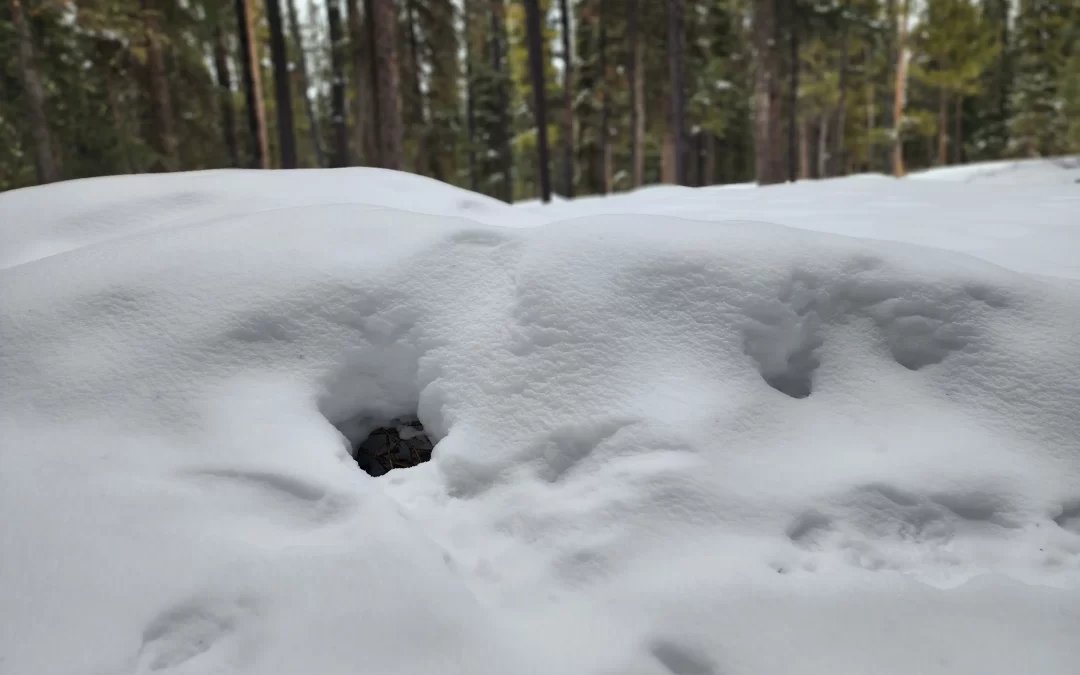
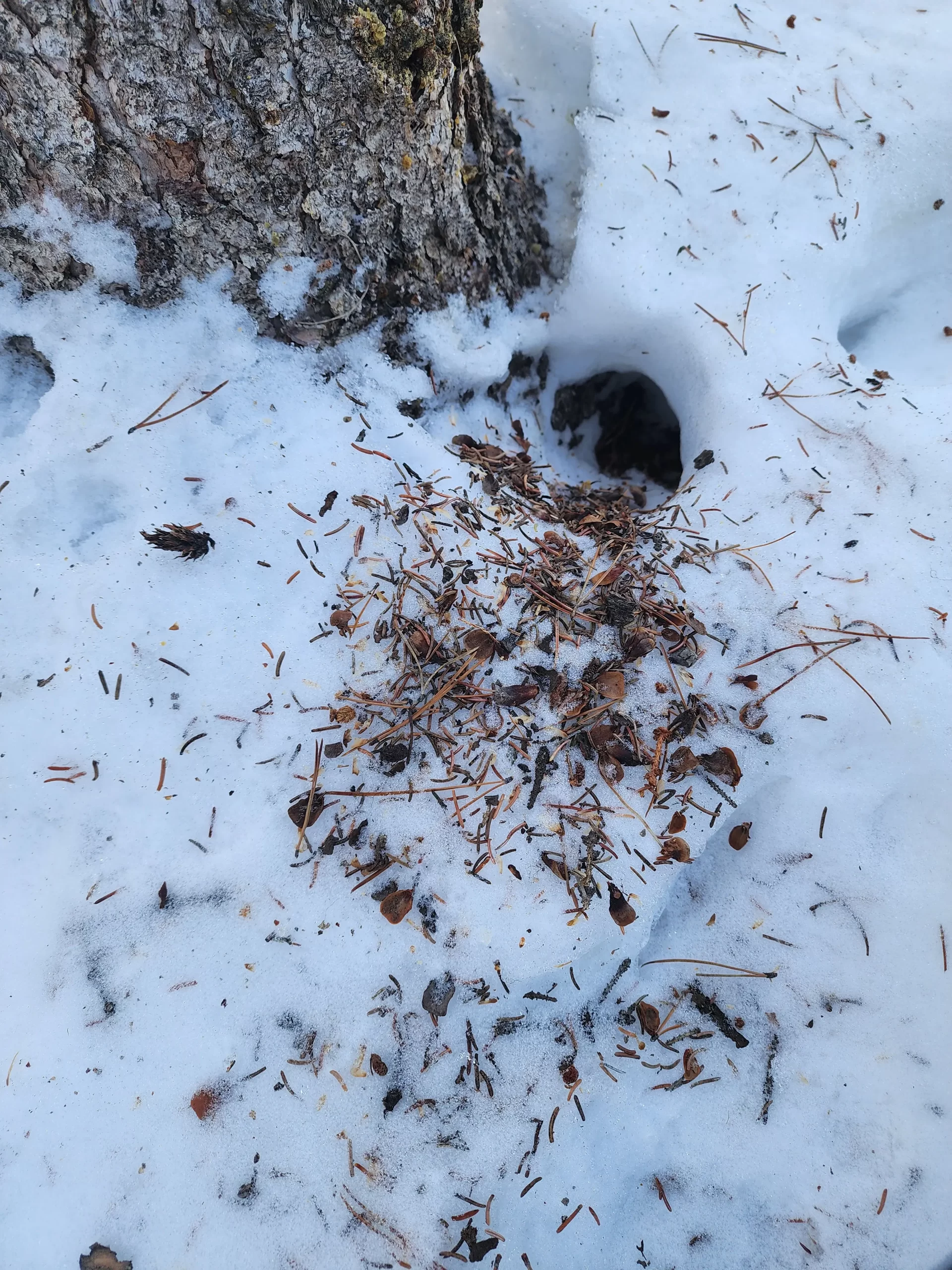
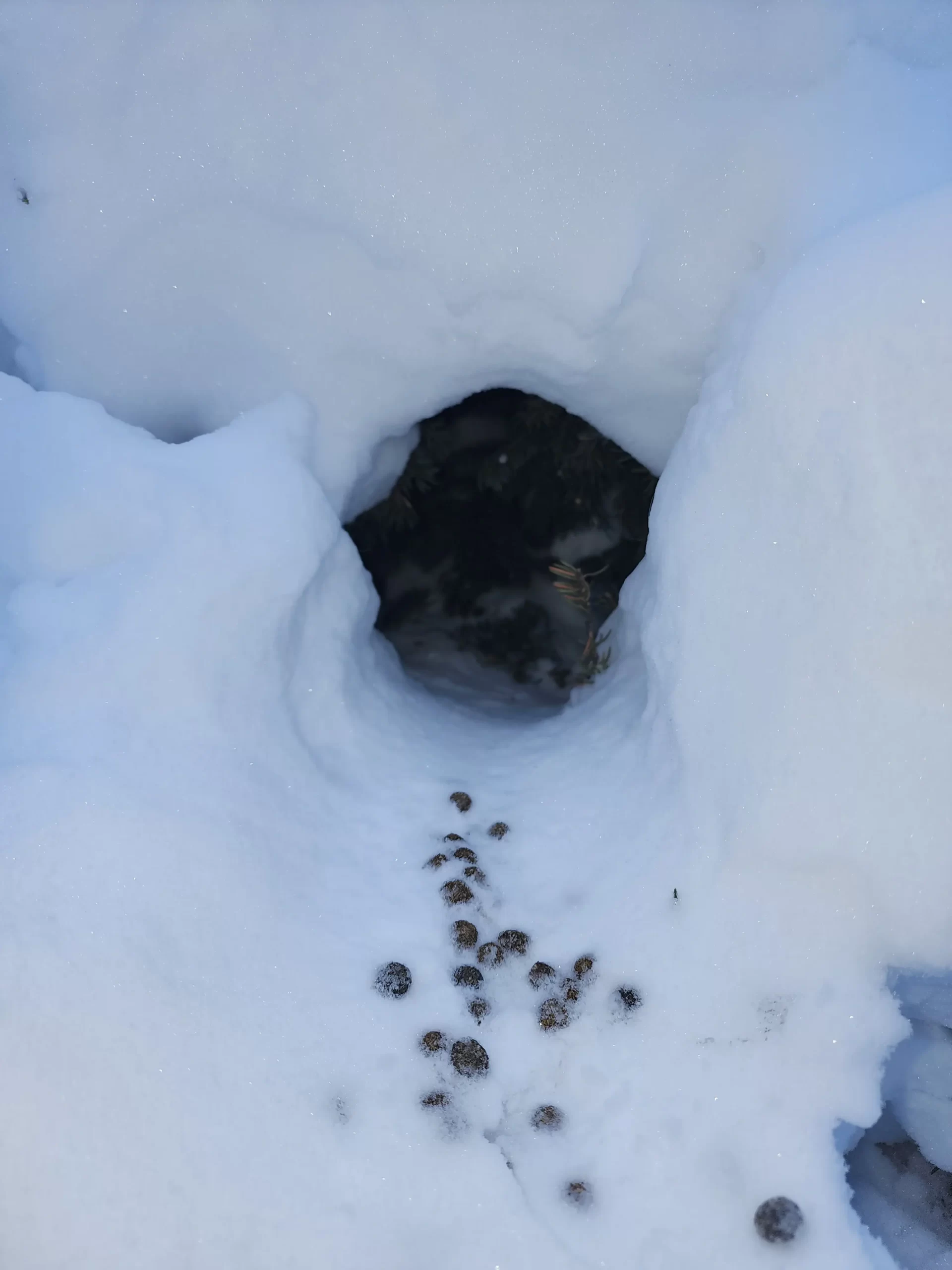
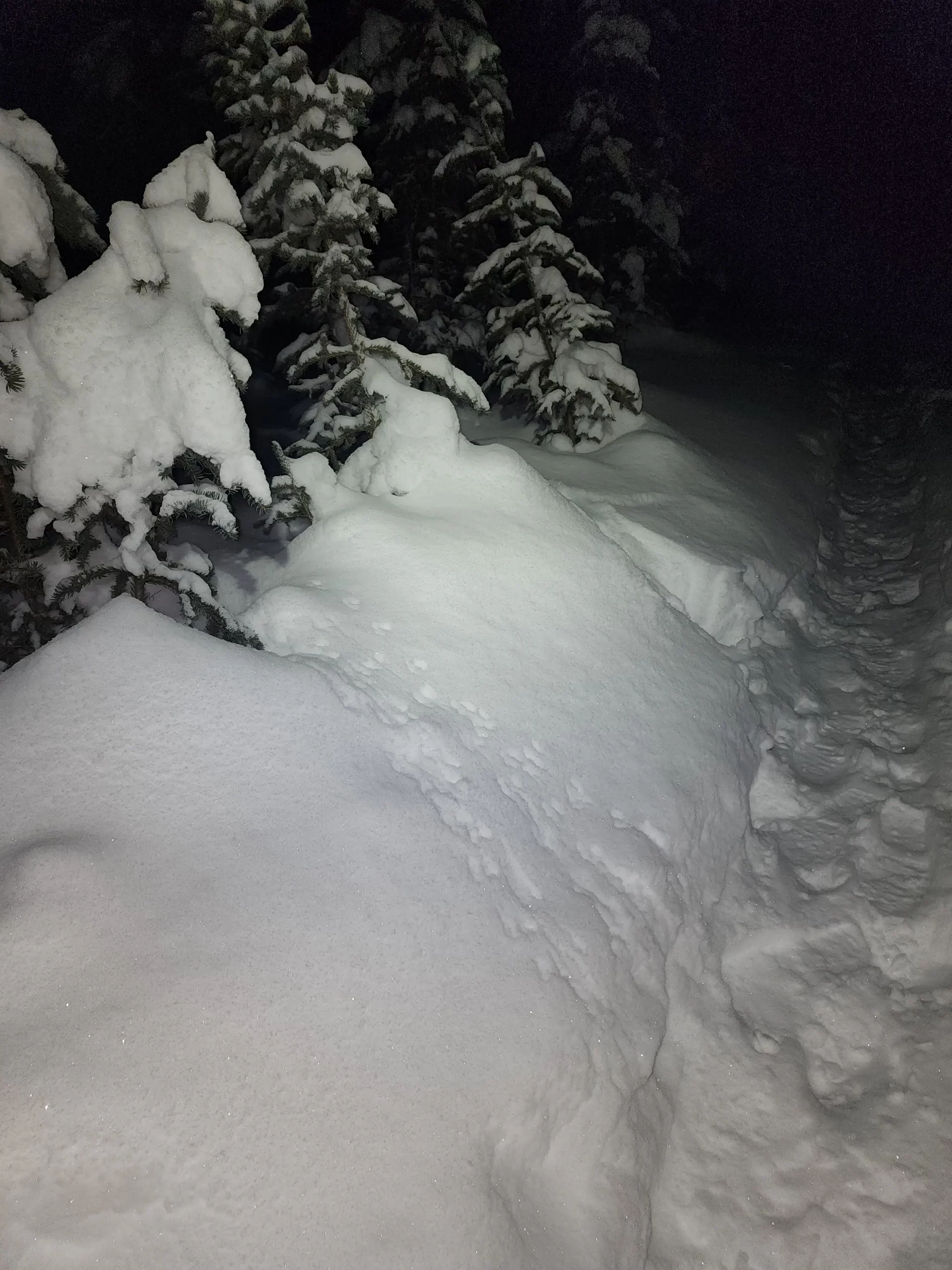
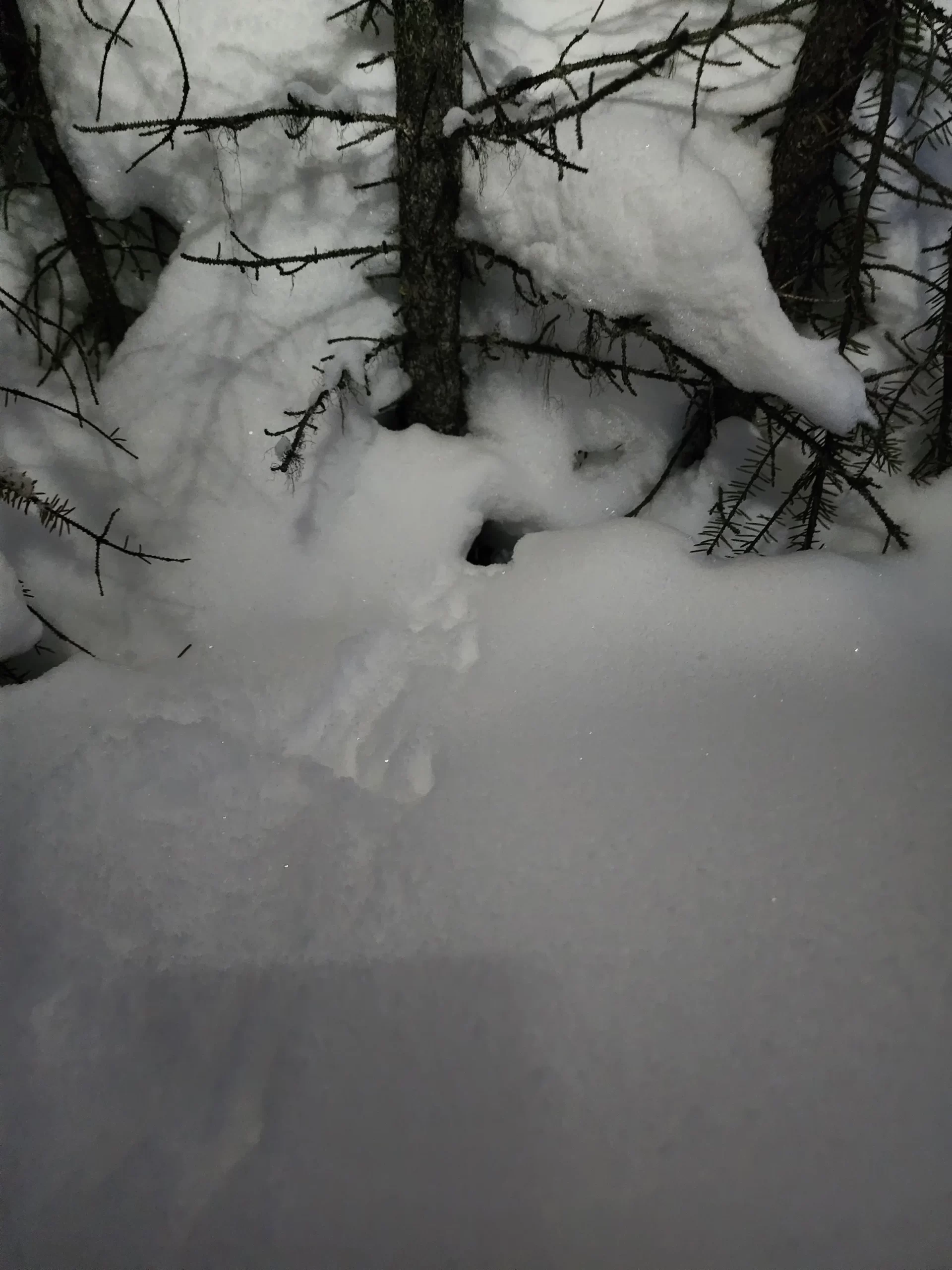
Squirrel prints lead to and from a hole in the snow. Beneath lies a fallen tree, creating a haven for small mammals.

Technically this zone under the snow is called the subnivean zone (sub=under, nivean=snow). This world under the snow provides a more stable environment than up at the surface, warmth from the ground helps crystallize the snow creating a small space right at ground level where the smaller critters can live during winter. Mice and voles store food (seeds, berries etc.), often making nests near their food caches living eating and sleeping under the snow. They also create a network of tunnels to move about and search for yet more food.

Chipmunks are a special case. They spend the winter in underground burrows, where they store large amounts of food to last them through the winter but they do not actually hibernate. They enter what is known as torpor, a state much like hibernation, but where they wake up every few days or weeks to eat and relive themselves before returning to torpor. On a very warm sunny winter day you may even see them briefly out on top of the snow. 

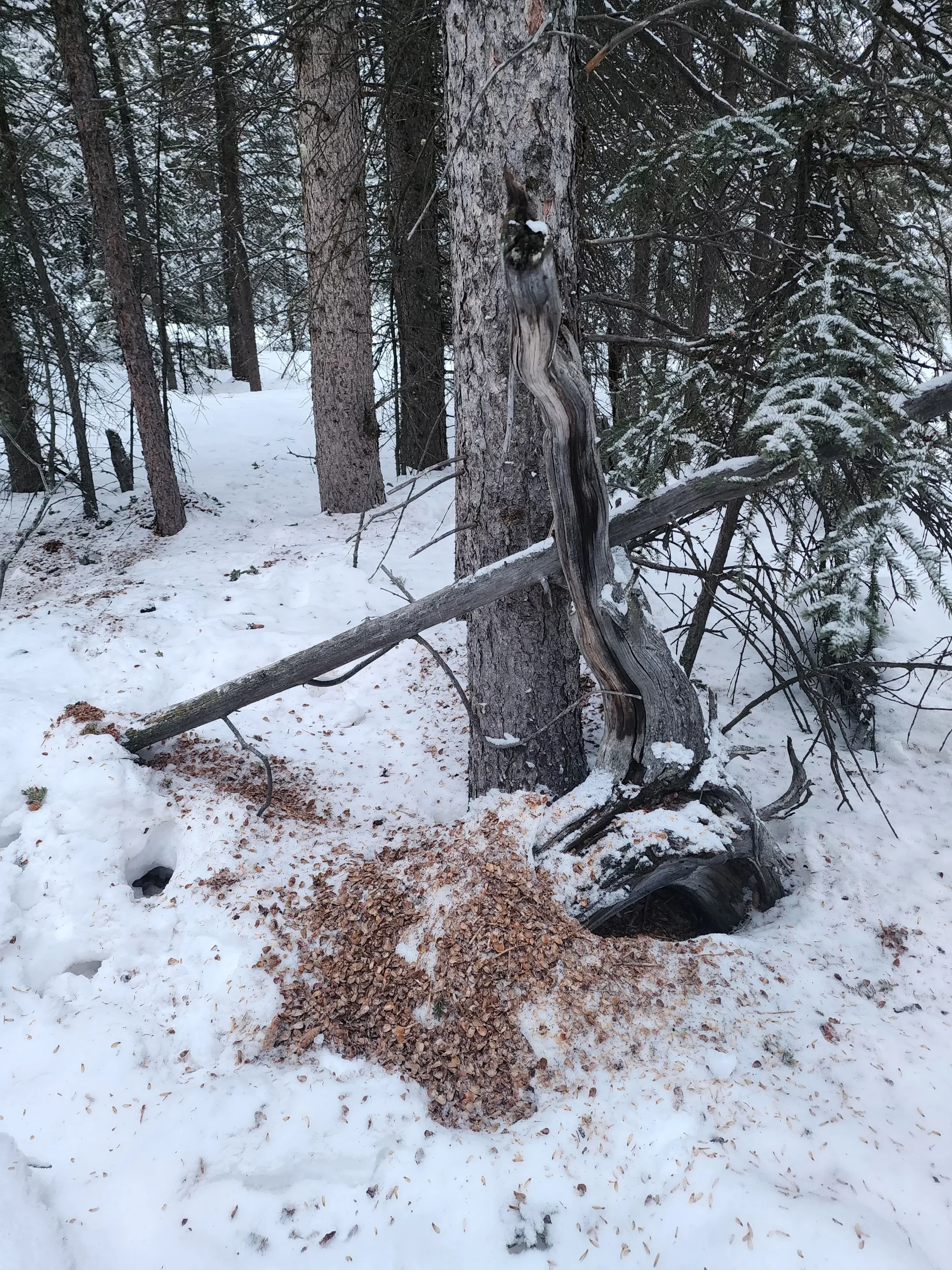
Red squirrels store food under the snow and dig down to get at it, but they don’t live under it. They create large middens of seed cones from pine and spruce during fall at the base of trees for their winter food. They also hide mushrooms in the branches of trees. They sleep in nests of dried grasses woven into large balls up in the trees.

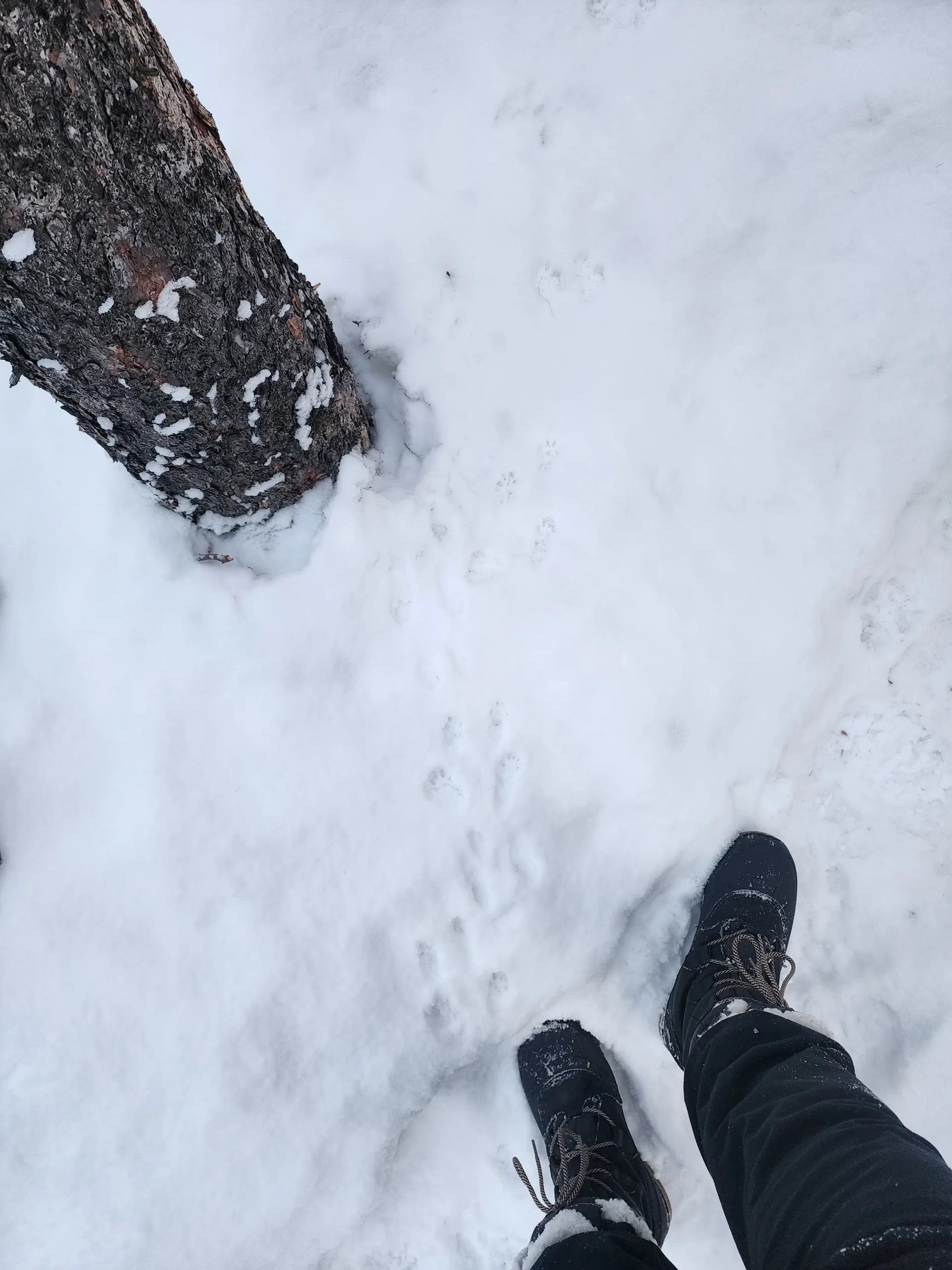
The photos on the left and right demonstrate squirrel middens. The photo in the middle shows squirrel prints in the snow.

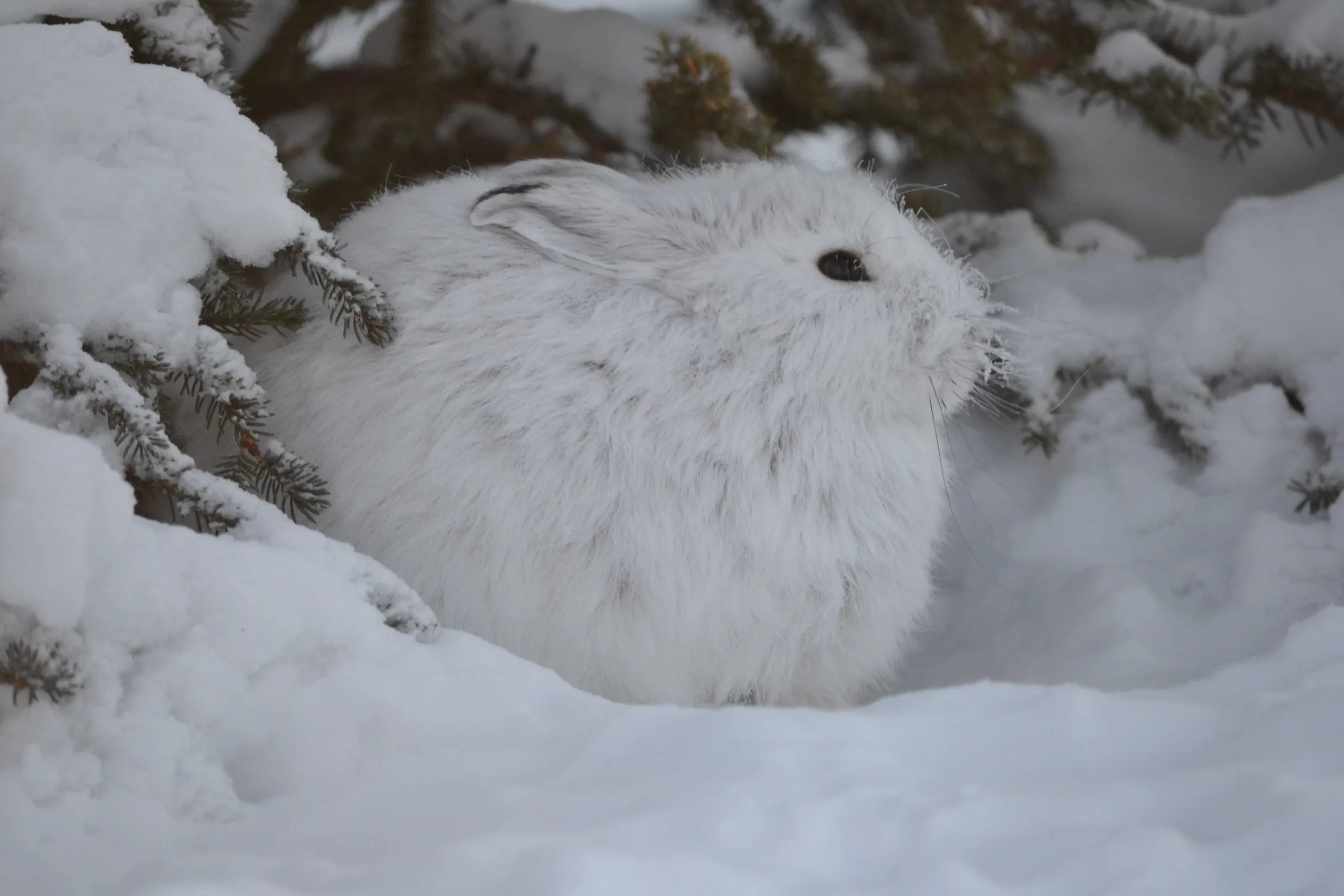
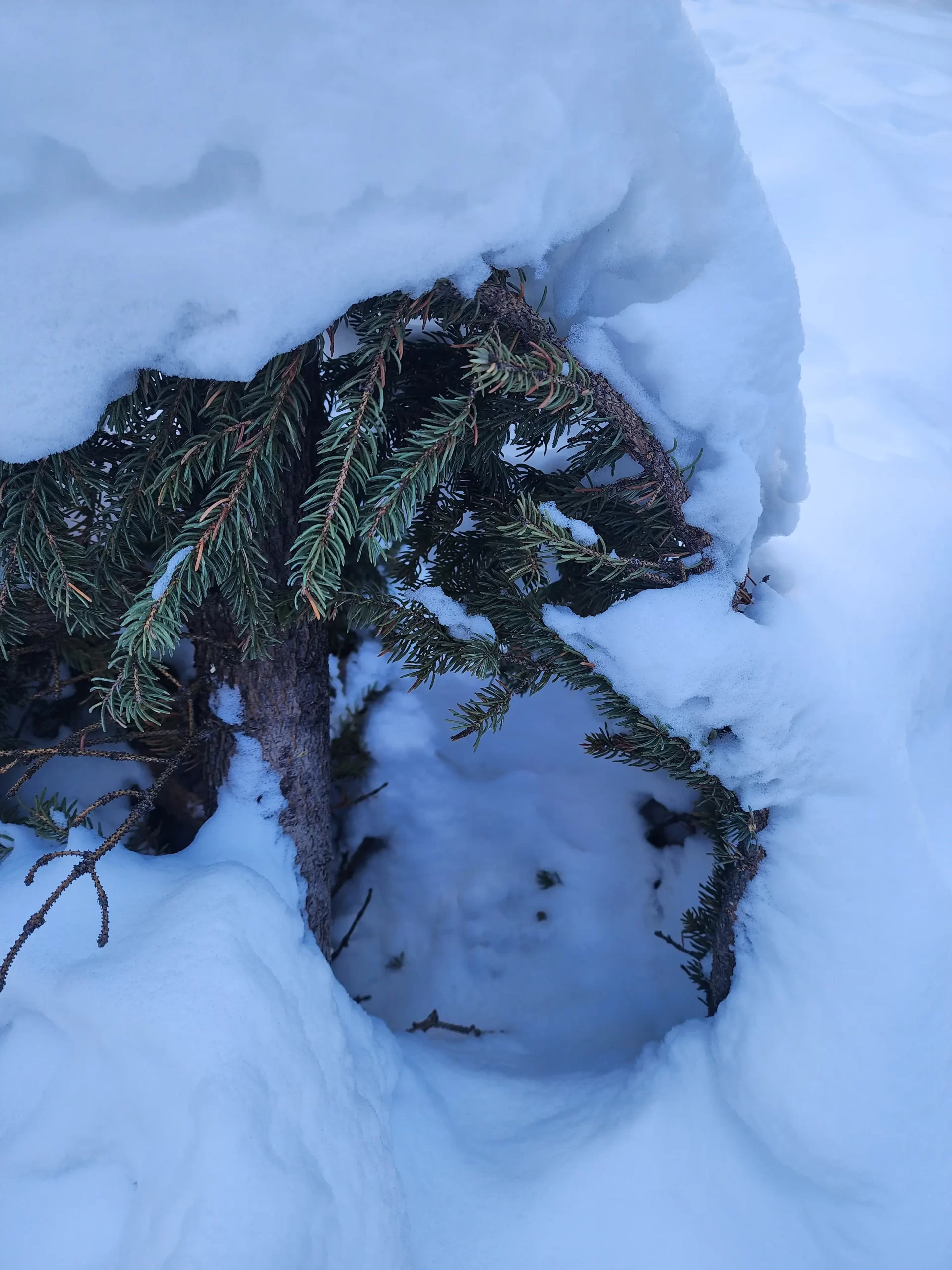
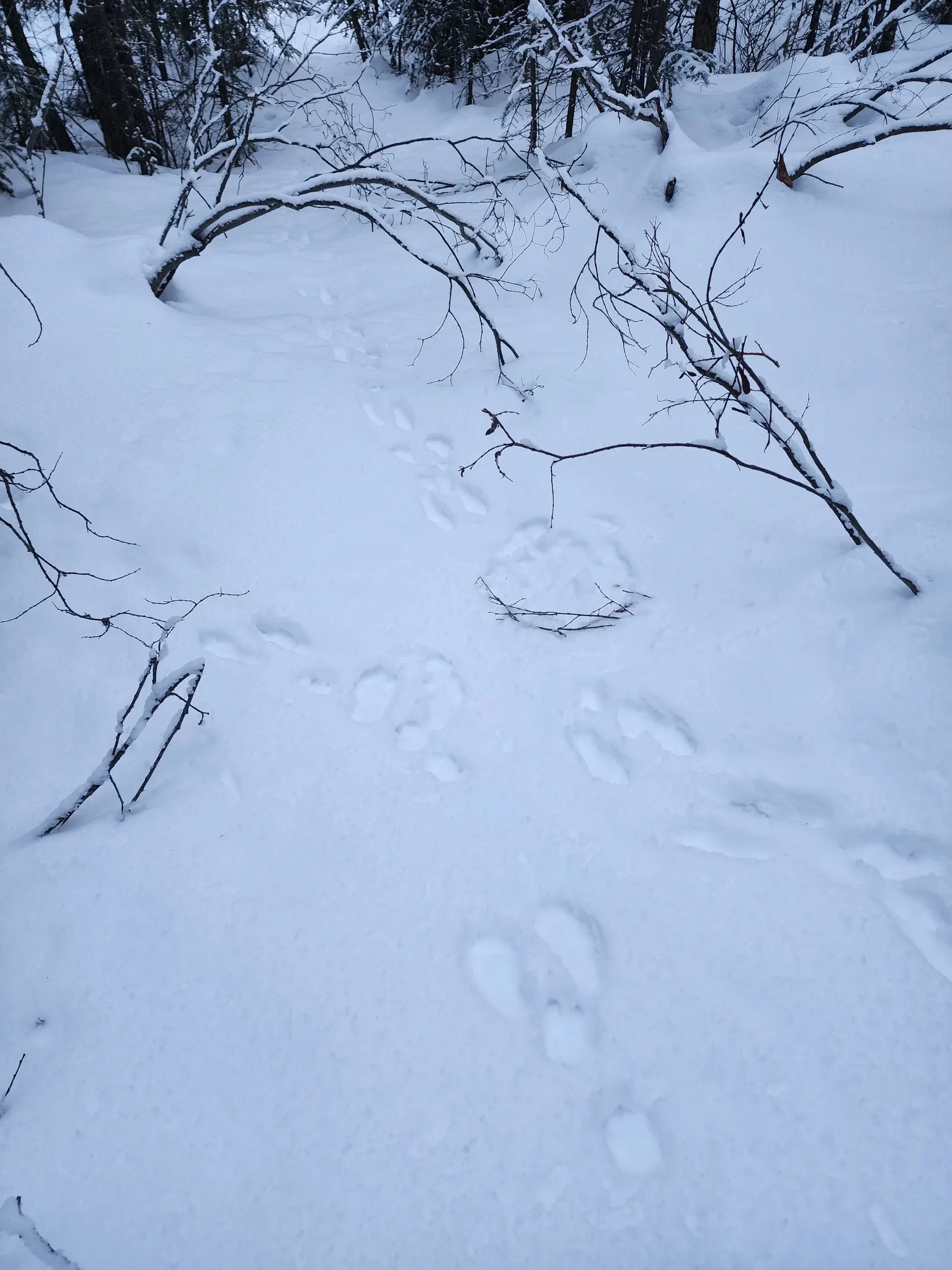
Both photos on the left show places where Snowshoe Hare have bed down. Photos on the right show a Snowshoe Hare and their prints.

Snowshoe hares spend their entire lives above the ground. Their large furry feet let them move easily across the snow and their white fur helps hide them from predators. They will burrow down under the snow a short way to feed on dry grasses from fall and snuggle down into the snow against a tree trunk to keep warm during colder weather.

In very cold weather grouse and ptarmigan access the world under the snow to stay warm. Grouse by flying straight into the snow cover, ptarmigan burrowing or flying into snowbanks up to a foot, sometimes in groups, creating sheltered roosts to last out the storm or the severe cold.

Predators such as foxes, coyotes, weasels and owls hunt the little ones under the snow. Weasels enter the tunnels directly to hunt, the others use their sharp hearing, listening for rustling noises as the ones under the snow scurry about, before pouncing on them.

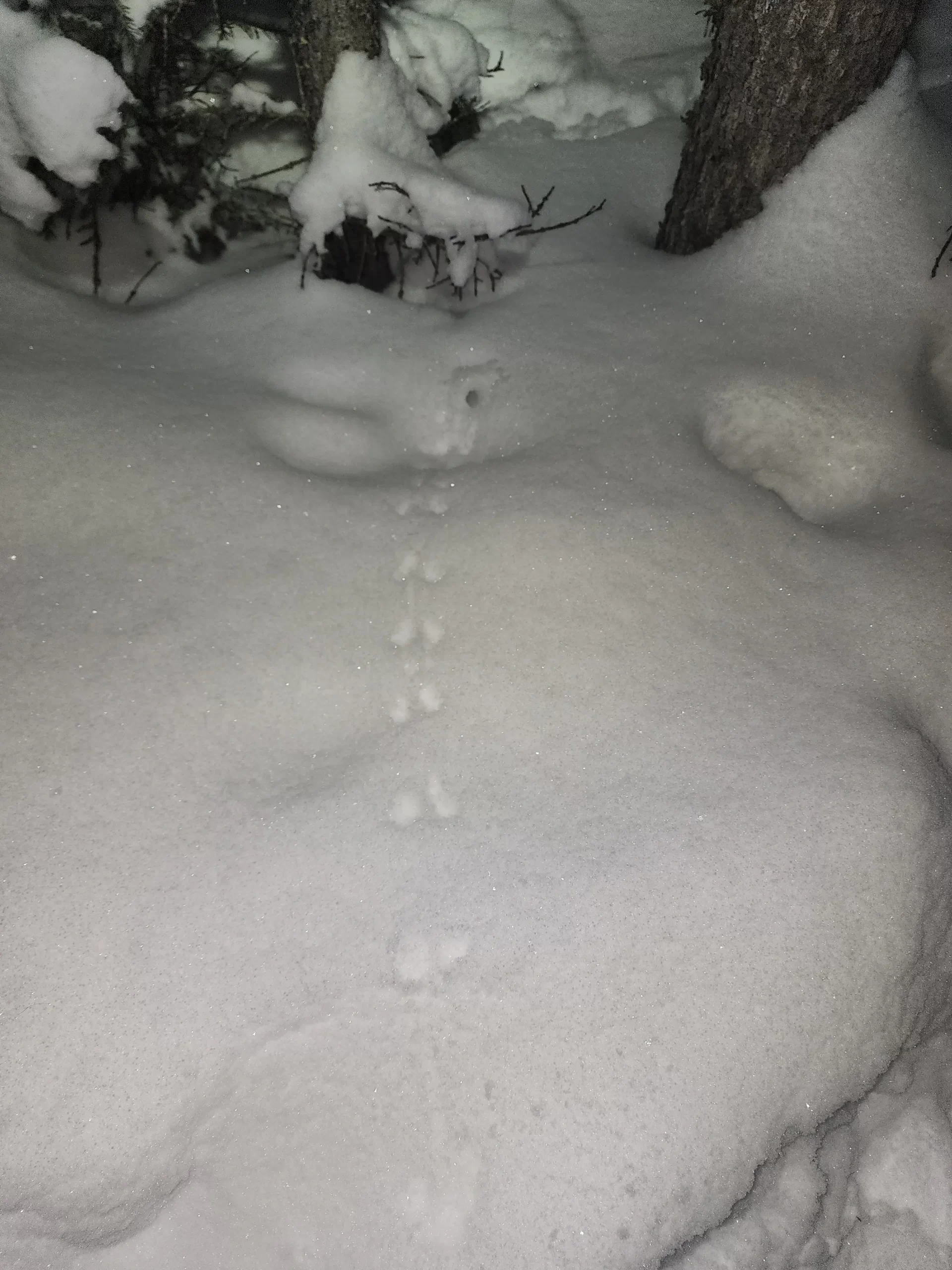
Photos above (taken at night) show tiny mouse prints leading from one snowy hideaway to another.

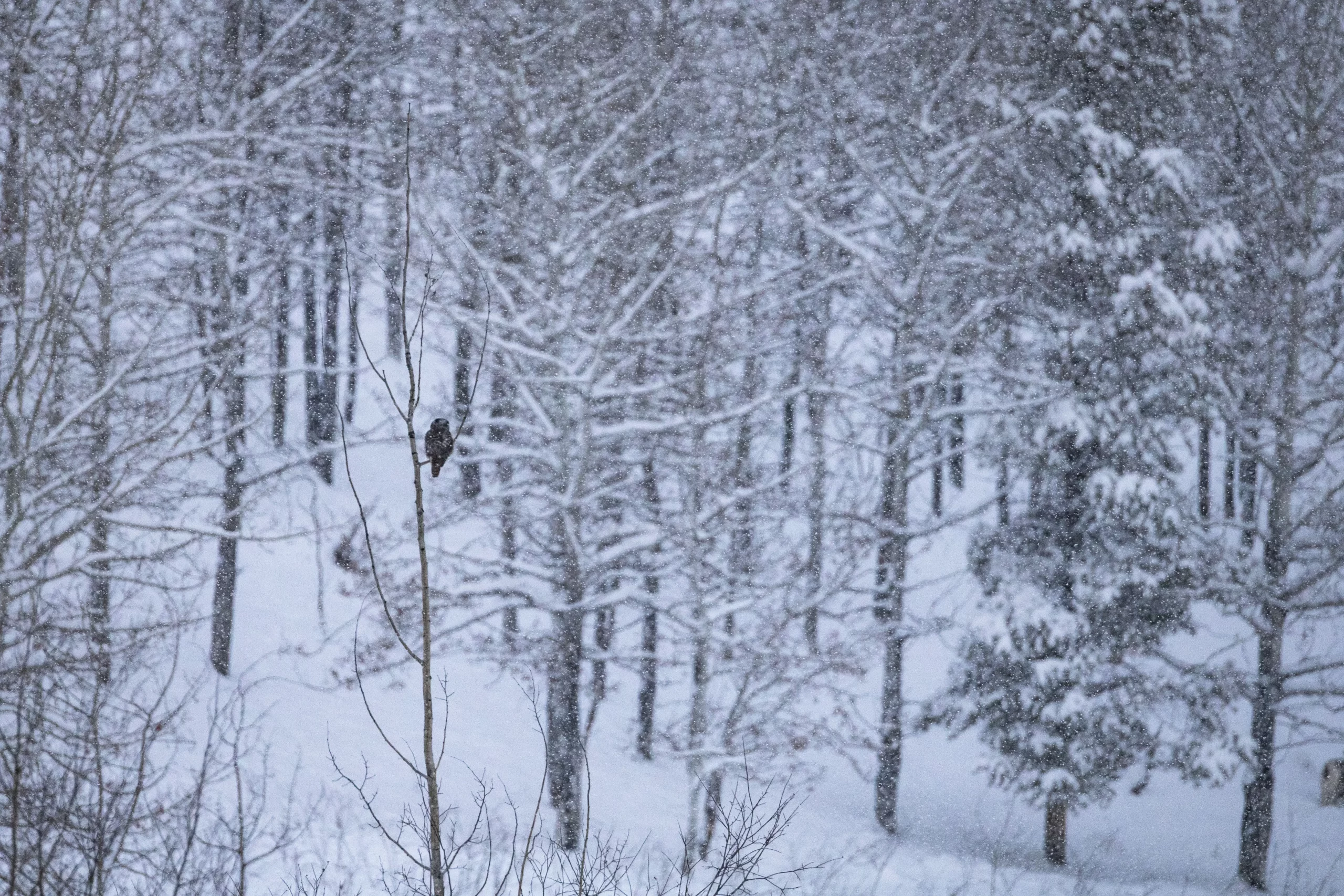
So next time the snow is sifting softly down as you gaze out the window, recall there are actually two worlds out there, one on top and one under the snow.

Pete Neilson

Pete Neilson

Wildlife Interpreter

'Sir' Pete grew up in suburban Southern Ontario north of Toronto. In the late 80's, he followed the lure of London and Service to the Yukon. 'Sir' Pete has lived off grid in the Yukon all along from a wall tent and later a tepee in his earlier years and now a small cabin near Twin lakes. He guided wilderness canoe trips many years in the 90's and early 2000's and got his first sled dog in ’91; currently he has 15 dogs for recreational mushing. 'Sir' Pete enjoys being at home or out with his dogs as much as he can.

Explore by Category

Explore by Author

The Quiet Isn’t Empty

The Quiet Isn’t Empty

wildlife blog

by Lindsay Caskenette | Jan 5, 2026

3 minute read

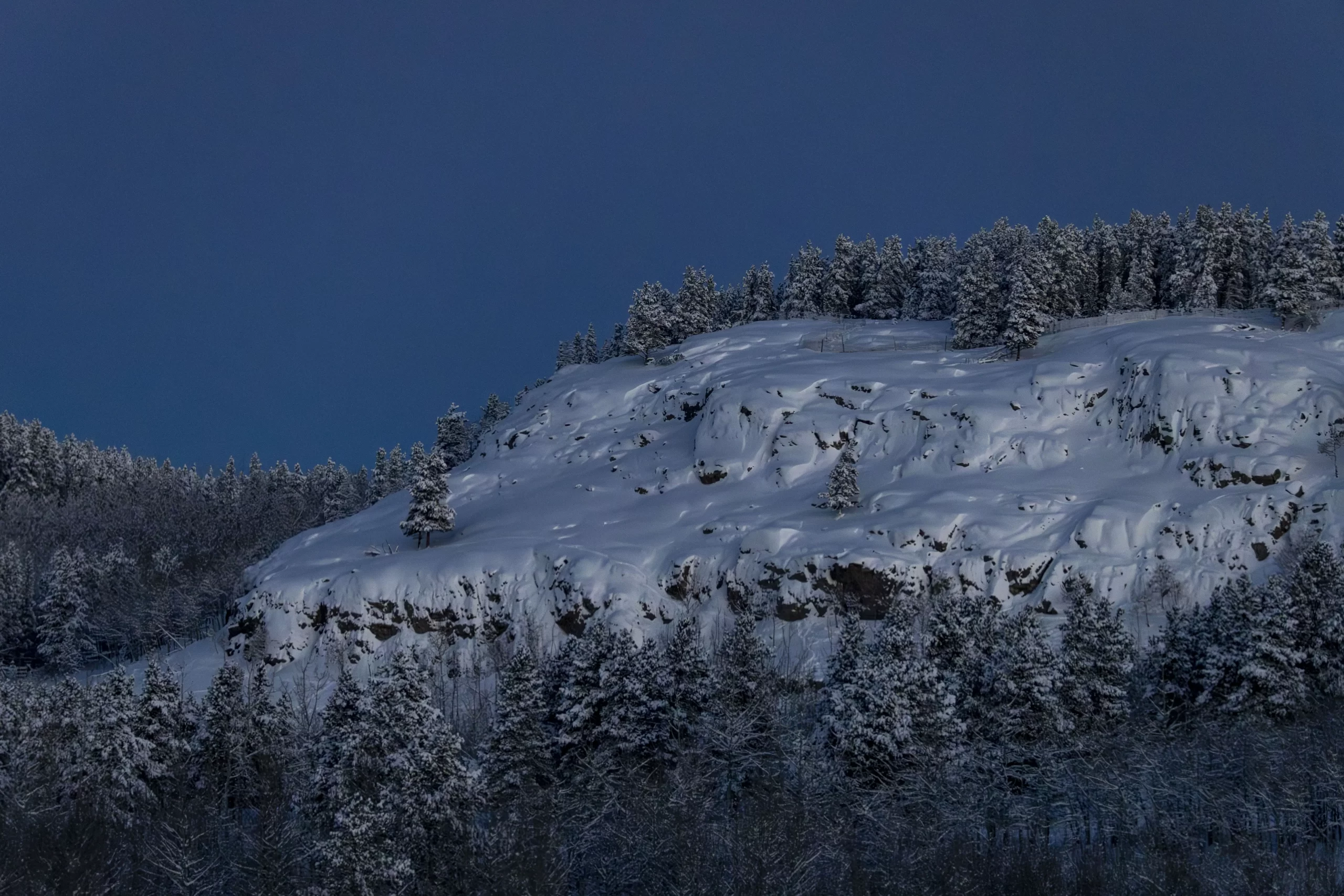
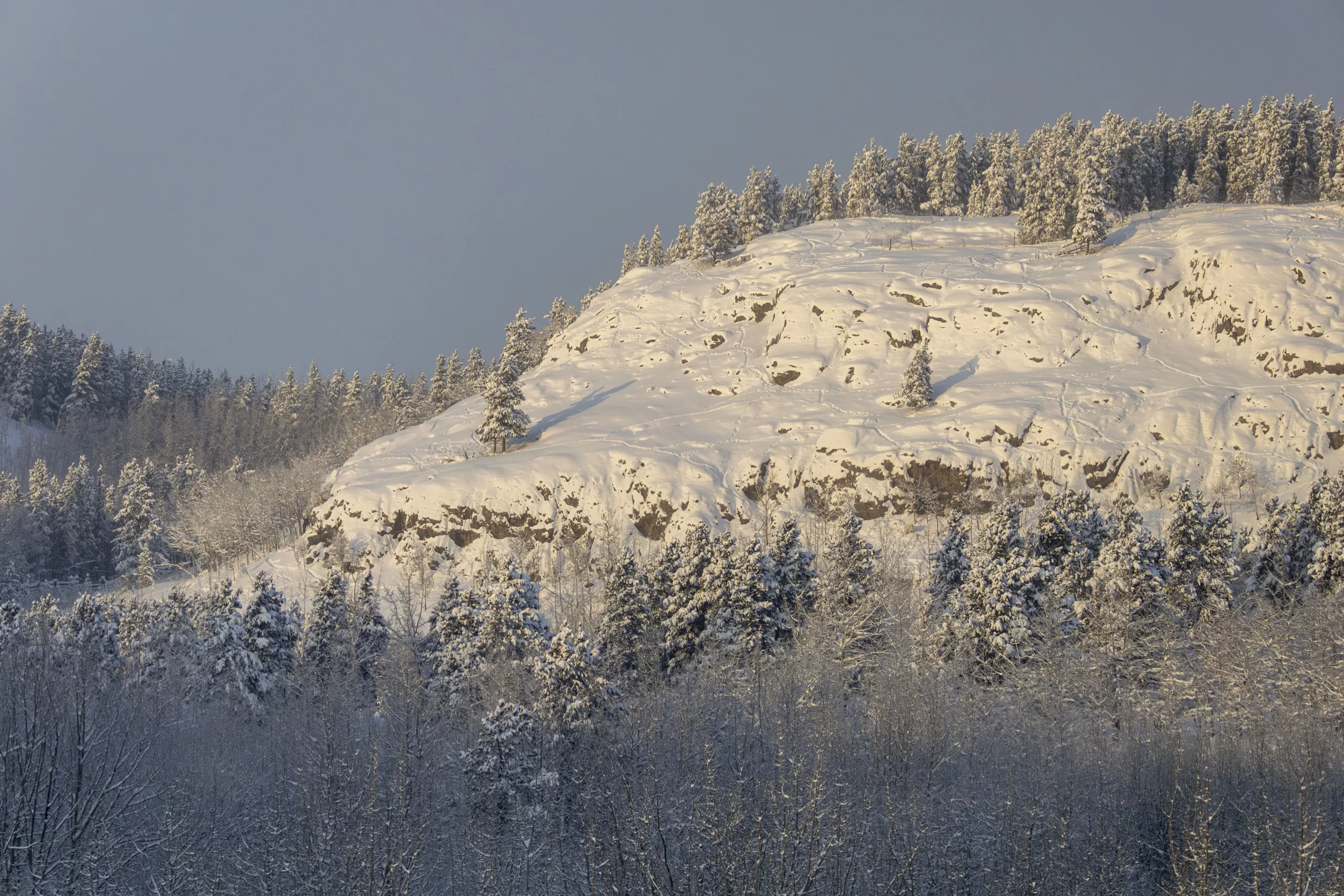
The snow lay thick and quiet across the Yukon and the Yukon Wildlife Preserve, softening the edges of the land and turning the hillside into a winter canvas. At first glance, it seems still, but a closer look tells a different story.

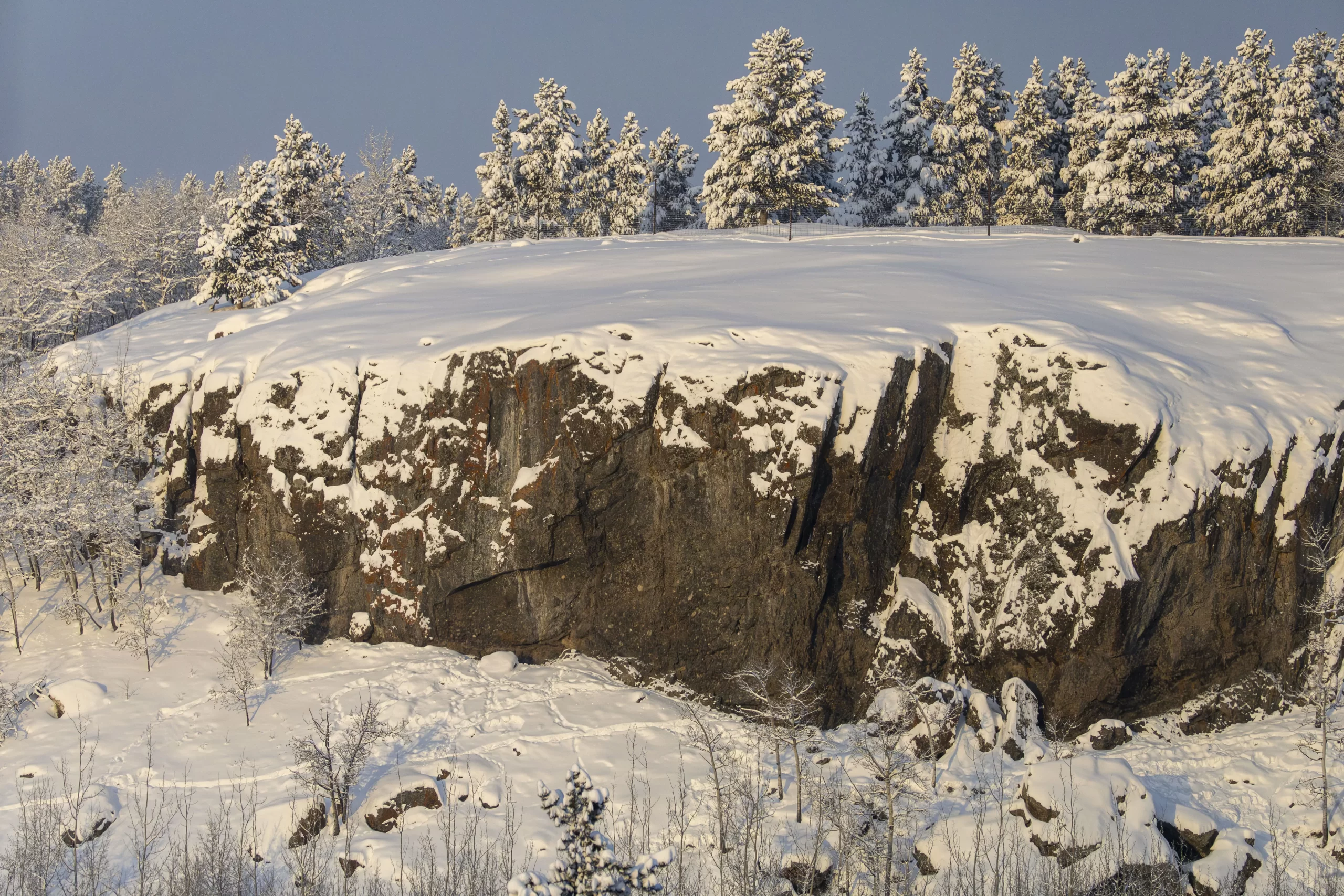
Cold snowy morning light on the mountain goat cliff at the Yukon Wildlife Preserve. Credit J. Paleczny

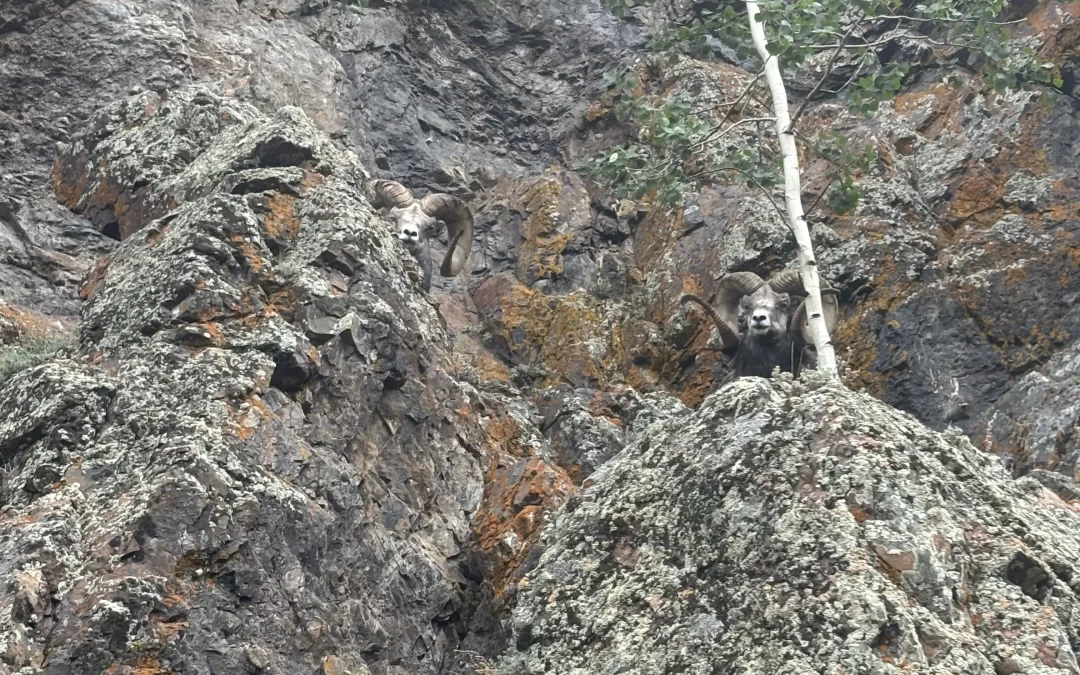
Those criss-crossing tracks aren’t random doodles, they’re proof that the animals have been busy. At the Preserve, the sheep set the best route across the slope and once formed, stick to this path of least resistance. 

Cold snowy morning light on the mountain goat cliff at the Yukon Wildlife Preserve. Credit J. Paleczny

 Beyond, a fox is on patrol, a hare in a hurry, deer are deep in the woods. Winter doesn’t slow things down as much as it changes the rules. 

Cold snowy morning light on the mountain goat cliff at the Yukon Wildlife Preserve. Credit J. Paleczny

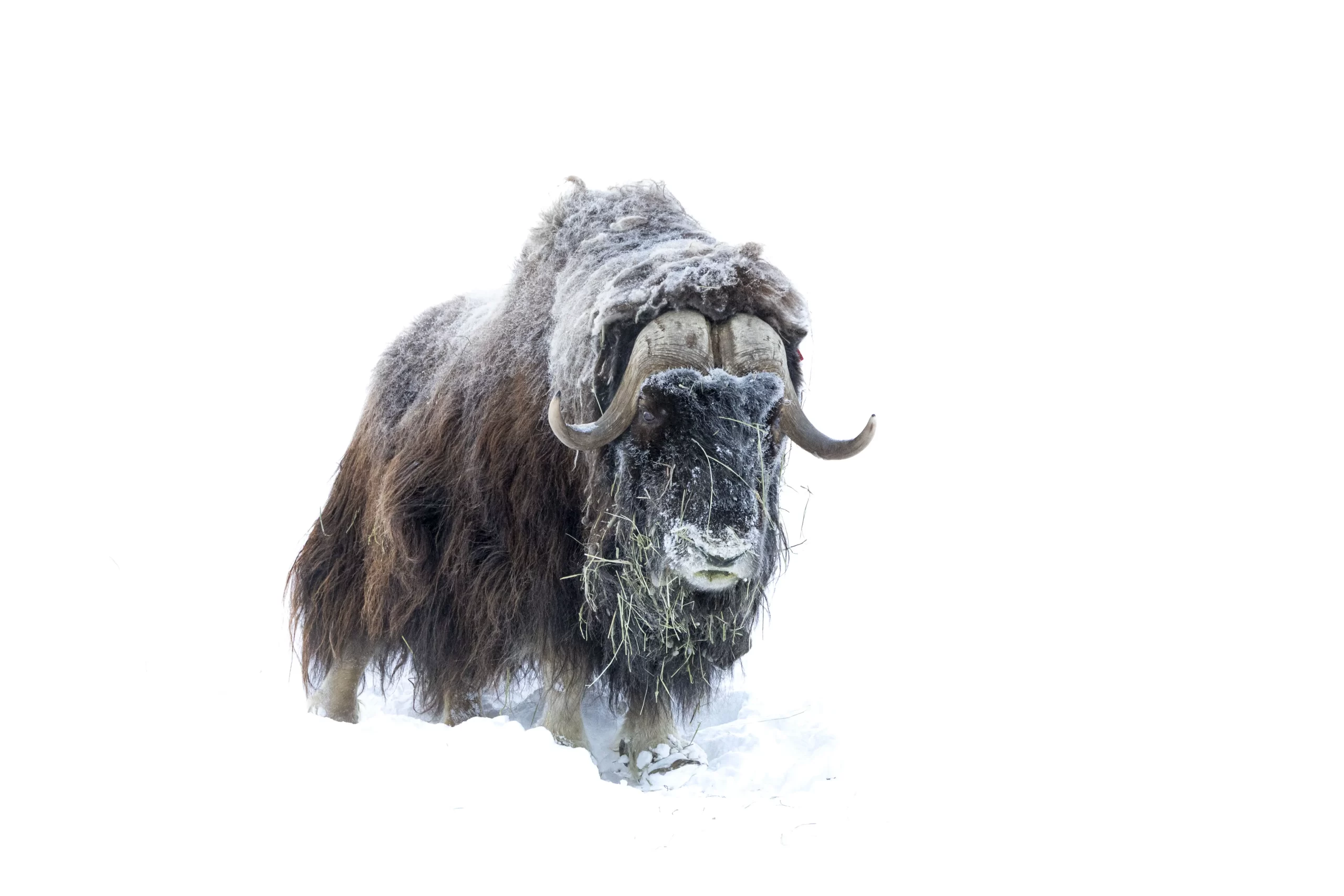
Thick winter coats do the heavy lifting, wide hooves act like built-in snowshoes, and many animals conserve energy by moving only when it’s worth it. 

muskox ain white out snow conditions at the Yukon Wildlife Preserve. J. Paleczny

When the wind picks up, trees, rock faces, and deep snowbanks become natural windbreaks, much cozier than they look. Beneath all that snow, insulated and sheltered, small mammals tunnel and rest, protected from the harshest cold.

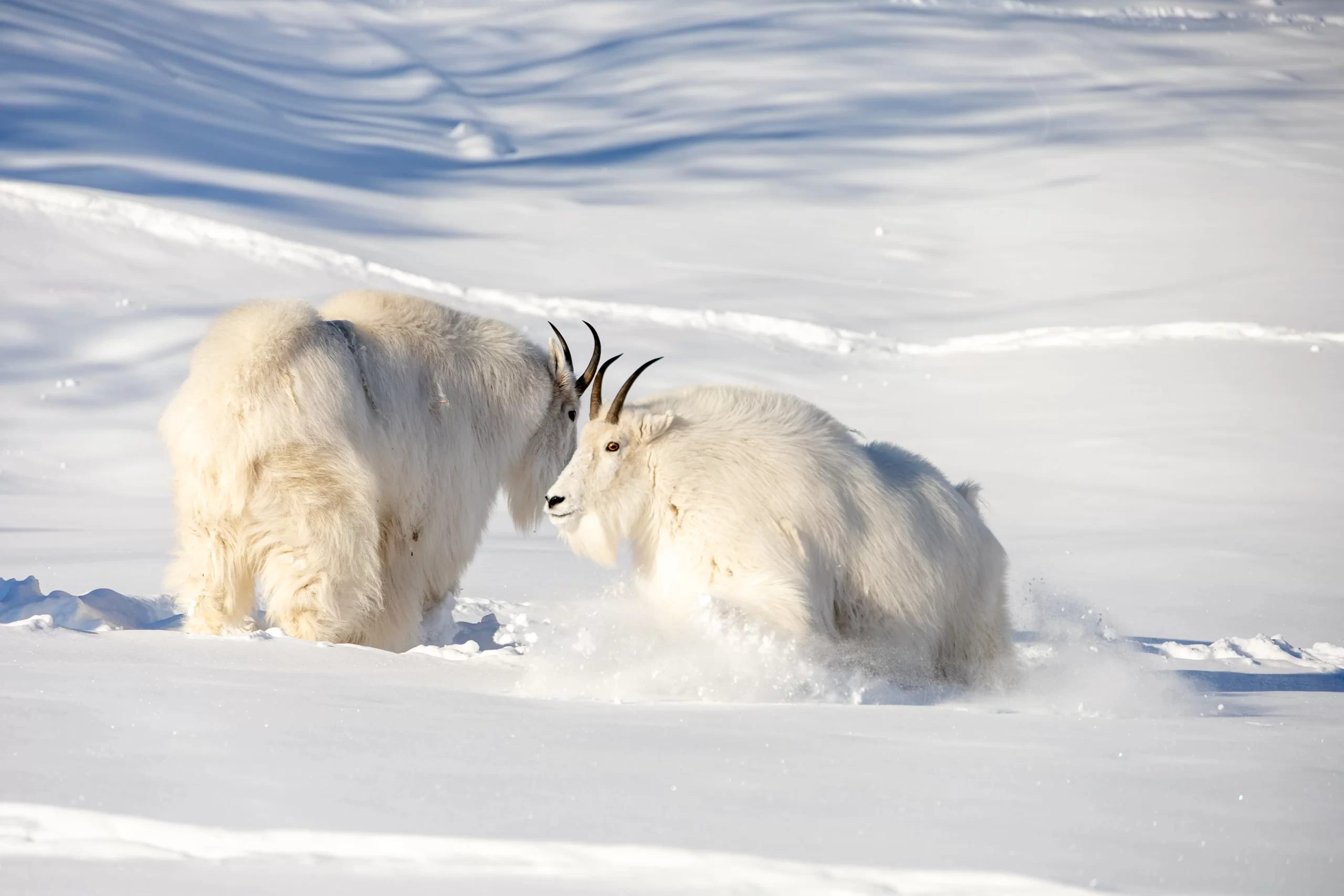
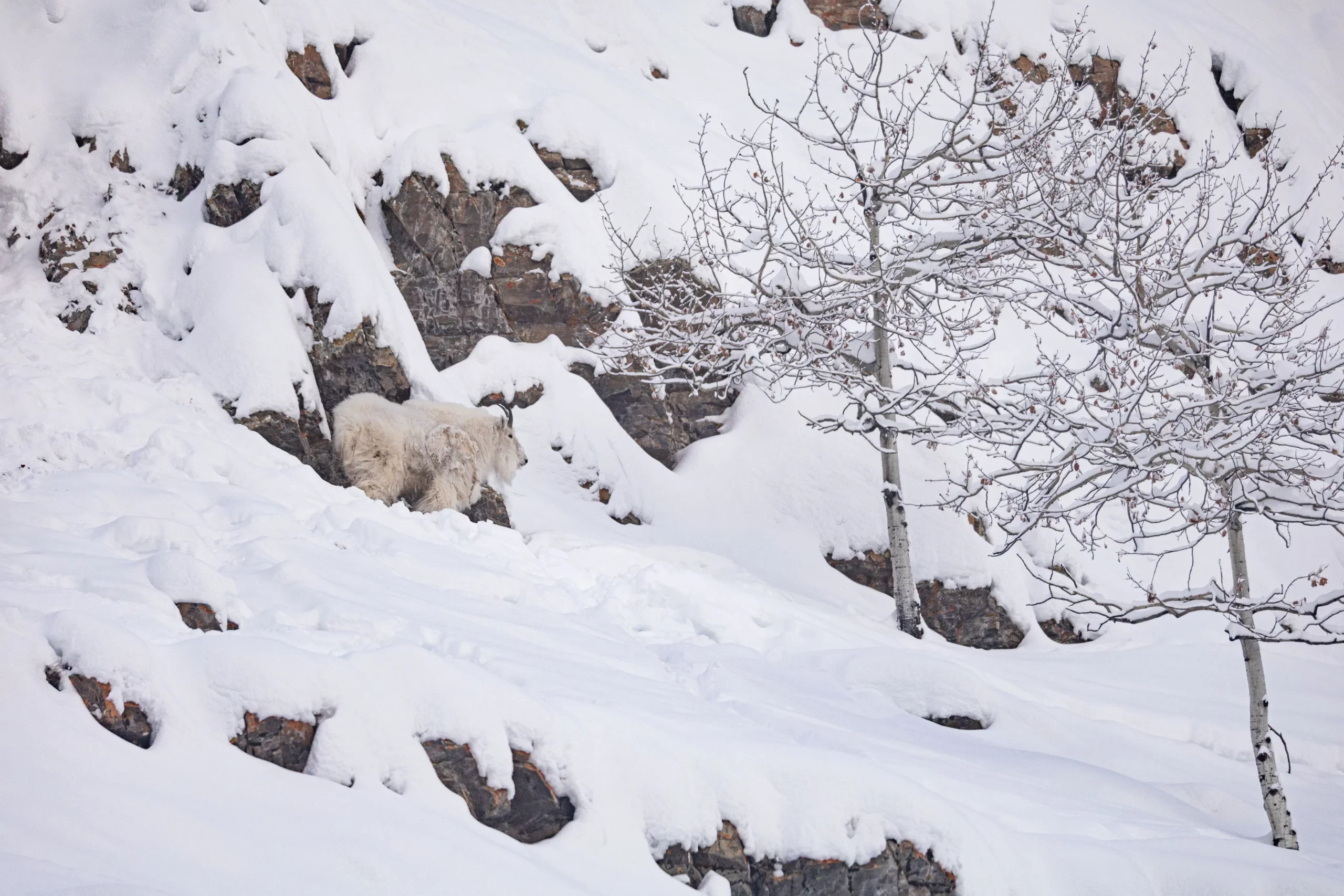
Mountain goat in a snowy mountain landscape at the Yukon Wildlife Preserve. L. Caskenette

The Yukon, winter is not a season of silence, it’s a season of resilience. Every track tells a story of endurance, and every snowy landscape holds evidence of life shaped by the North.

Lindsay Caskenette

Lindsay Caskenette

Manager Visitor Services

Lindsay joined the Wildlife Preserve team March 2014. Originally from Ontario, she came to the Yukon in search of new adventures and new career challenges. Lindsay holds a degree in Environmental Studies with honours from Wilfrid Laurier University and brings with her a strong passion for sharing what nature, animals, and the environment can teach us.

867-456-7400
Lindsay@yukonwildlife.ca

Explore by Category

Explore by Author

Look Twice: How to Tell Juvenile Bald and Golden Eagles Apart

Look Twice: How to Tell Juvenile Bald and Golden Eagles Apart

wildlife blog

by Brittney Forsythe | Nov 30, 2025 | 0 comments

5 minute read -

These young raptors may look alike at first glance, but their feathers, legs, and eyes tell a story.

At First Glance, They Can Totally Trick You

If you’ve ever looked up and spotted a massive dark eagle soaring overhead and thought, “Is that a Golden? No, wait. Juvenile Baldie?”  you are absolutely not alone.

These birds can look incredibly similar when you’re only seeing silhouettes or quick flyovers. Even at the Yukon Wildlife Preserve, where we see eagles regularly, we still have moments where a distant speck in the sky sparks that tiny flicker of curiosity.

If you slow down and look closely, the differences are actually quite striking.

Left: A juvenile Bald Eagle with its yellow feet and part of its legs exposed.      Right: A Juvenile Golden Eagle with fully feathered legs, all the way to it's feet.

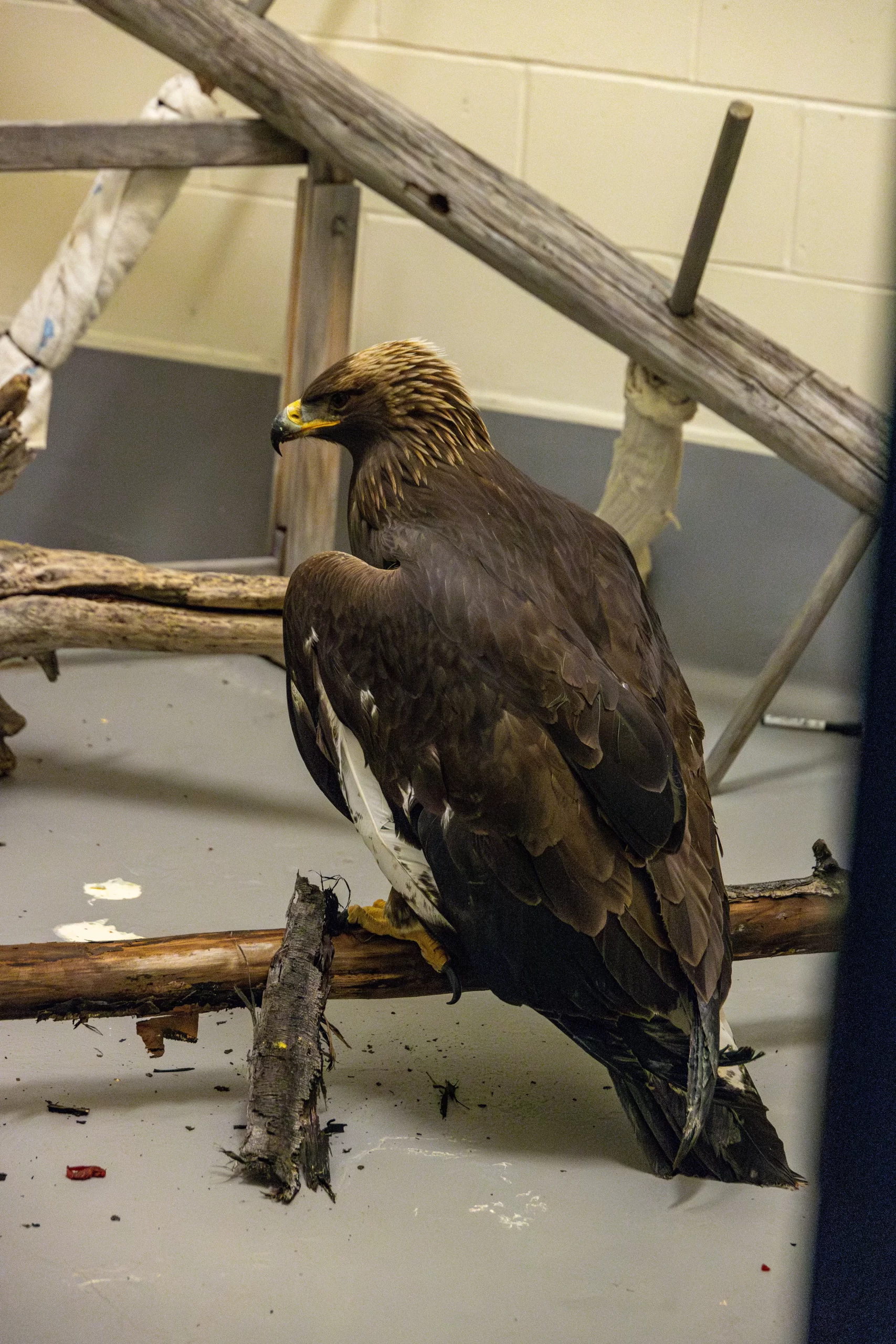
Right now, our Animal Care Team is caring for a juvenile golden eagle, but in the past,  we’ve admitted several juvenile bald eagles for care. Seeing these two species up close, sometimes side by side, makes it incredibly fun to compare them. You start noticing details you might not notice from a quick glance.

If you are able to clearly see their legs you'll note that Juvenile Bald Eagles have more of their yellow feet and legs exposed - compared to the Golden Eagle that appears to be wearing some fancy feathered pants.

In the slides above, you can clearly see Bald eagles have a chunkier head and heavy, hooked bill even as juveniles.

The Golden eagles have a slimmer, more streamlined head. They also rock the tell tale golden tips on their head feathers.

While both young Bald and Golden eagles have dark brown eyes, as they age they do change. Bald eagle eyes, lighten to a yellow whereas the Golden eagles eyes turn a more amber hue.

Now here’s where people most often get tripped up - plumage patterns!

Juvenile Golden eagles:

Juvenile golden eagles are mostly a rich, dark brown overall, giving them a uniform appearance compared to young bald eagles. They also have warm golden feathers on the back of the head and neck, which is where their name comes from, even in youth. One of the most reliable features of a juvenile golden eagle is the bold white band across the tail feathers and the clean white patches at the base of the wings. These white areas are crisp and well-defined, and they gradually disappear as the bird matures, fading into the darker brown of adulthood.

Juvenile Bald eagles:

Juvenile bald eagles look much more irregular. Instead of clean patterns, they show patchy white and brown mottling across the body, wings and tail. No two young bald eagles look exactly alike, and they won’t develop the iconic white head and tail until they are four or five years old. As they age, the white feathers on the head and tail slowly increase, becoming more noticeable each year. This gradual shift in plumage is one of the major differences between the two species when they’re young, helping distinguish juvenile bald eagles from juvenile golden eagles.

Up close its both easy to see how you could get them mixed up and easy to see their differences. This sequence of photos offers side by side comparisons. Can you tell which is which?

Juvenile eagles can look deceptively similar at first glance, but a closer look at legs, wing and tail pattern and head shape — plus tracking how their eyes and plumage change over time — reveals the differences. These traits make each species unique and fascinating to observe.

Every eagle that comes through our rehab program relies on specialized care, safe housing and dedicated staff — all powered by the generosity of people who care about Yukon wildlife.

If you enjoyed learning about these incredible birds and want to help us continue rescuing, rehabilitating and releasing wildlife, please consider making a donation today.

Your gift directly supports animals in our care — including the eagles featured in this story.
❤️ Thank you for helping Yukon’s wild lives take flight again.
Brittney Forsythe

Brittney Forsythe

She/Her - Visitor Services Coordinator

Brittney joined the Wildlife preserve in the summer of 2023. Growing up on Northern Vancouver Island, surrounded by the temperate rainforest, nature and animals have always been a part of her life. It exploded into a passion, when she started her dog walking business in 2017 and she began spending 6-7 days a week in the forest, rain or shine! This sparked an even deeper appreciation for the cyclical nature of the land and how all of the plants & animals work together symbiotically. She is forever ‘that girl’ on the hike, pointing out different rocks and plants, explaining their origin or what they could be used for medicinally. Brittney and her dog Cedar relocated to the Yukon to help care for 31 sled dogs. She is so excited to expand her local knowledge as a part of the Preserve team.

867-456-7400
 Brittney@yukonwildlife.ca

Explore by Category

Explore by Author

One-Eyed Owl Care Continues

One-Eyed Owl Care Continues

wildlife blog

by Lindsay Caskenette | Nov 7, 2025 | 0 comments

6 - 8 minute read

Care for the one-eyed Great Horned Owl continues here at the Yukon Wildlife Preserve Wildlife Rehabilitation and Research Centre.

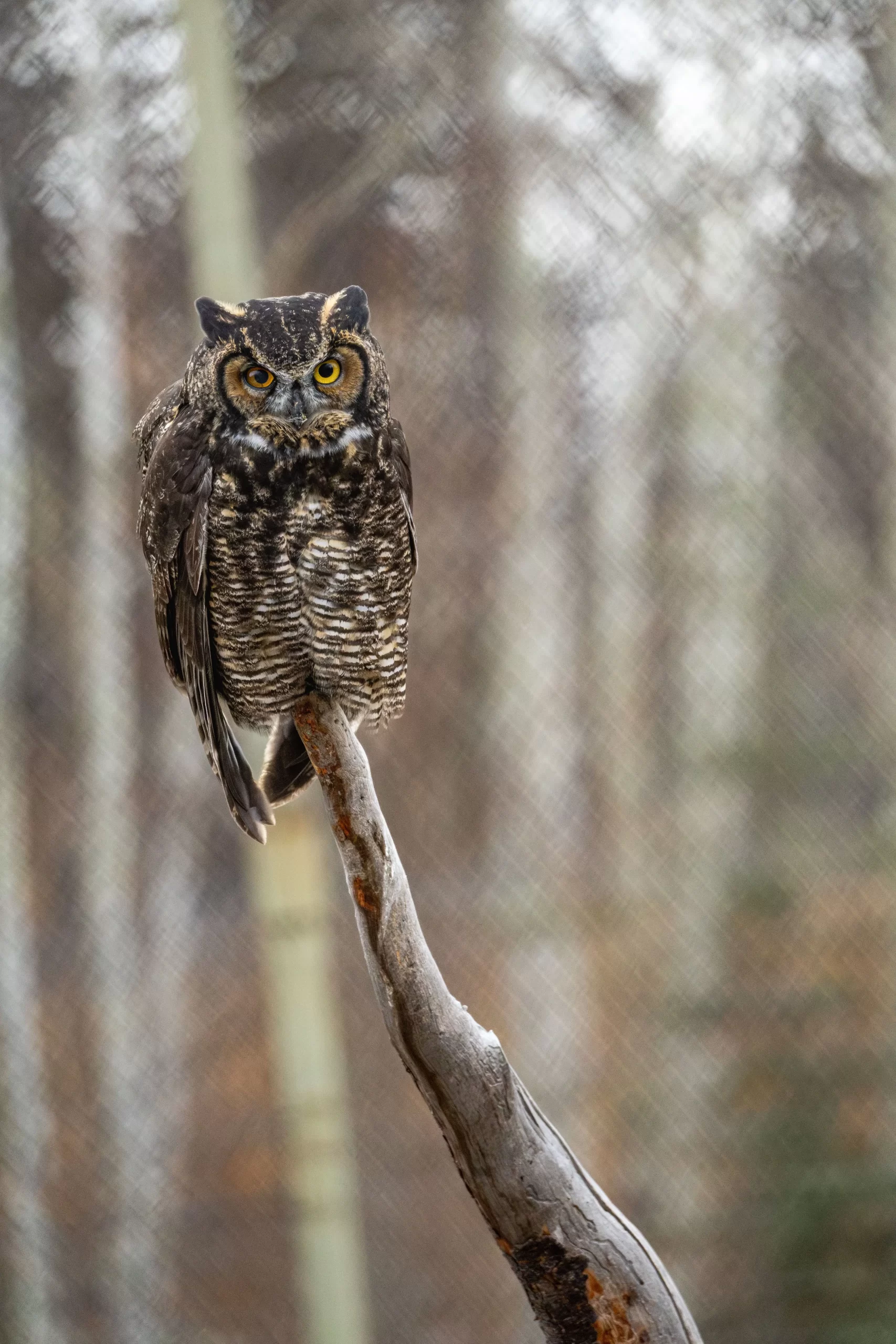
One-eyed great horned owl in care at the Yukon Wildlife Preserve Wildlife Rehabilitation Centre. photo credit Lindsay Caskenette

Since the owl's story introduction by Connor, this resilient owl has made steady progress under the attentive care of the Preserve’s veterinarian, Dr. Cori. During a recent checkup, the owl weighed at 990 grams (on November 5th) — slightly below the average Great Horned Owl weight of around 1.2 kilograms. However, it’s important to note that this individual is of smaller stature, so this weight is healthy and appropriate for their build.

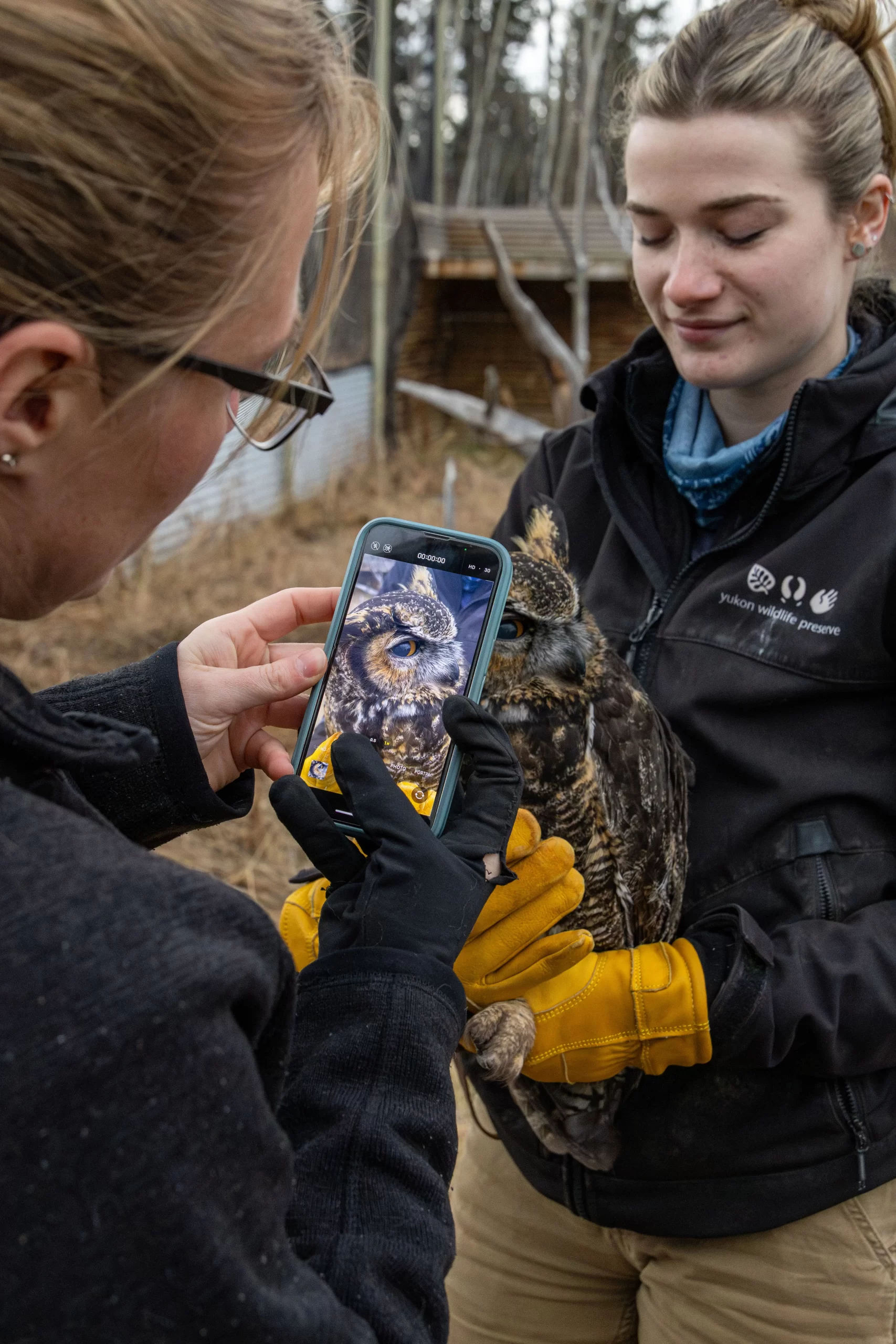
Vet assessment of the one-eyed great horned owl by Yukon Wildlife Preserve Animal Care team. Photo Credit: L.Caskenette

As part of the ongoing assessment, the team also conducted several diagnostic tests, including what’s known as a menace test — similar to how doctors might assess human vision — by observing the owl’s eye response to motion and changes in light to evaluate pupil constriction and visual awareness.

Talking with Preserve Veterinarian, Dr. C about the owl's eye assessment

Over the past month, the owl has been living in the large outdoor aviary, where they’ve been working hard to rebuild flight strength and coordination. Encouragingly, the owl has demonstrated natural hunting instincts by successfully capturing live prey during both daylight and low-light conditions — critical for crepuscular and nocturnal animals living in the Yukon where winter is long and the days are short.

The owl will continue to receive care through the winter as we consults with other wildlife care experts and facilities to determine the best long-term outcome — whether that may mean continued care here at the Preserve or, potentially, a return to life in the wild. For now, time (and a little more information) will guide those next steps.

One-eyed great horned owl in care at the Yukon Wildlife Preserve Wildlife Rehabilitation Centre. photo credit Lindsay Caskenette

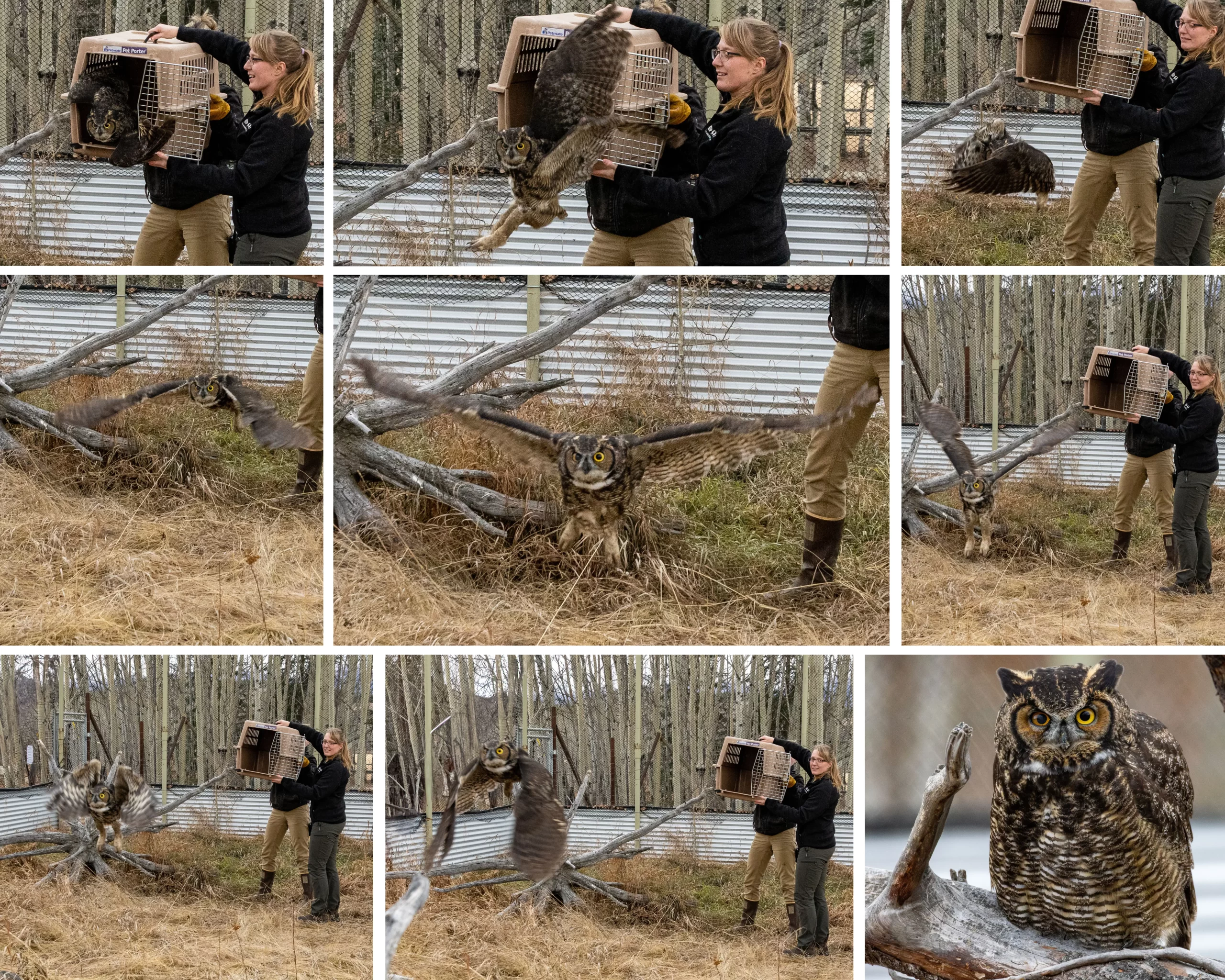
One-eyed great horned owl in care at the Yukon Wildlife Preserve Wildlife Rehabilitation Centre is seen in several frames flying, gaining lift and perched on a tree. Photo credit L.Caskenette

Each animal’s recovery journey is unique, and this owl’s story continues to highlight the skill, patience, and compassion that go into every case at the Yukon Wildlife Preserve.

Stay tuned for future updates on this remarkable bird — and thank you to everyone whose support helps make this vital rehabilitation work possible.

Story Update: November 20th, 2025:

We’re saddened to share an update about our one-eyed Great Horned Owl, who was found deceased early Wednesday morning, November 12th. There were no visible signs of struggle and no obvious cause at the time.

A post-mortem necropsy has since revealed a necrotic (decaying) lesion on the front left lobe of his brain — a likely consequence of his previous head trauma from a vehicle strike. This condition was not something we could have predicted or prevented. Aside from this lesion, the owl was sexed a male, in good body condition, with no other abnormal findings.

His passing is a difficult loss for our team and for many of you who followed his journey. We’re grateful for the time he spent in our care and for the chance to witness — and share — his resilience and beauty. Our thanks extend to everyone who supported him, especially Sonya, who first found him flightless along the roadside.
Lindsay Caskenette

Lindsay Caskenette

Manager Visitor Services

Lindsay joined the Wildlife Preserve team March 2014. Originally from Ontario, she came to the Yukon in search of new adventures and new career challenges. Lindsay holds a degree in Environmental Studies with honours from Wilfrid Laurier University and brings with her a strong passion for sharing what nature, animals, and the environment can teach us.

867-456-7400
Lindsay@yukonwildlife.ca

Explore by Category

Explore by Author

Golden Opportunity: A Young Eagle’s Second Chance

Golden Opportunity: A Young Eagle’s Second Chance

wildlife blog

by Lindsay Caskenette | Nov 7, 2025 | 0 comments

6 - 8 minute read

On November 5, 2025, the Yukon Wildlife Preserve’s Rehabilitation Centre admitted a new patient — a juvenile Golden Eagle, estimated to be about two years old, found in the Burwash Landing area.

One-eyed great horned owl in care at the Yukon Wildlife Preserve Wildlife Rehabilitation Centre. photo credit Lindsay Caskenette

The eagle’s story began when a member of the public noticed something unusual — a large bird appearing to be stuck on a chimney. Concerned, they called Yukon Conservation Officers (COs) for help. Responding quickly, the officers discovered the eagle was indeed stuck, possibly frozen to the chimney. They carefully freed the bird and provided a safe, warm place for the night in a crate before contacting the Preserve the next morning

Vet assessment of the one-eyed great horned owl by Yukon Wildlife Preserve Animal Care team. Photo Credit: L.Caskenette

When the eagle arrived at the Preserve, the Animal Care team and veterinarian, Dr. Cori, began a full assessment. The eagle was notably calm — a good sign, given the stressful ordeal it had endured. Weighing in at 2.90 kg, the bird showed no palpable signs of fractures or dislocations. Neurological and sensory tests all appeared normal. However, the team did notice a few bent feathers on the left wing, a slight postural abnormality (the wing was being carried lower than normal), and a small ulcer on the right foot pad.

Encouragingly, the eagle ate with enthusiasm — and by the next day had already gained weight, tipping the scale at 3.2 kg! (We weren’t exaggerating when we said “enthusiastic eater.”)

Golden eagle left wing injury - Widllife rehabilitation at the Yukon Wildlife Preserve. Photo credit Lindsay Caskenette. The animal care team xray the animal to further assess injury where no palpable fracture of dislocations were noted.

On November 6, x-rays revealed trauma to the left wing, explaining the low carriage and bent feathers. The team applied a figure-eight bandage to help stabilize the wing. Over the coming weeks, the eagle will remain under close observation, with routine checks and follow-up x-rays to monitor healing.

Golden eagle left wing injury - Widllife rehabilitation at the Yukon Wildlife Preserve. Campring the left and right xray of the eagle wings. Can you notice the difference?

Golden eagle wing injury - Widllife rehabilitation at the Yukon Wildlife Preserve. Comparing the left and right xray of the eagles' wings. Can you notice the difference?

This young eagle was found within the Traditional Territory of the Kluane First Nation, and its recovery journey is another reminder of how collective care — from the public, Conservation Officers, and the Wildlife Preserve team — can make a real difference for Yukon’s wildlife.

We extend our thanks to the member of the public who made the call, and to the Conservation Officer Services for their swift and compassionate response. Because of your actions, this eagle now has a fighting chance to heal, regain strength, and, hopefully, take to the skies once more.

If you’d like to support the care of this eagle and other wild patients, please consider donating to the Yukon Wildlife Preserve’s Wildlife Rehabilitation Program. Your contributions help provide the medical care, food, and facilities needed to give injured wildlife a second chance at life in the wild.

Lindsay Caskenette

Lindsay Caskenette

Manager Visitor Services

Lindsay joined the Wildlife Preserve team March 2014. Originally from Ontario, she came to the Yukon in search of new adventures and new career challenges. Lindsay holds a degree in Environmental Studies with honours from Wilfrid Laurier University and brings with her a strong passion for sharing what nature, animals, and the environment can teach us.

867-456-7400
Lindsay@yukonwildlife.ca

Explore by Category

Explore by Author