I Have to Sell!

I Have to Sell!

animal reserve

This article was made possible thanks to support from the Yukon 125 Fund. Learn the incredible history of the Yukon Wildlife Preserve, and Yukon Game Farm from the people of the past through this series of articles.

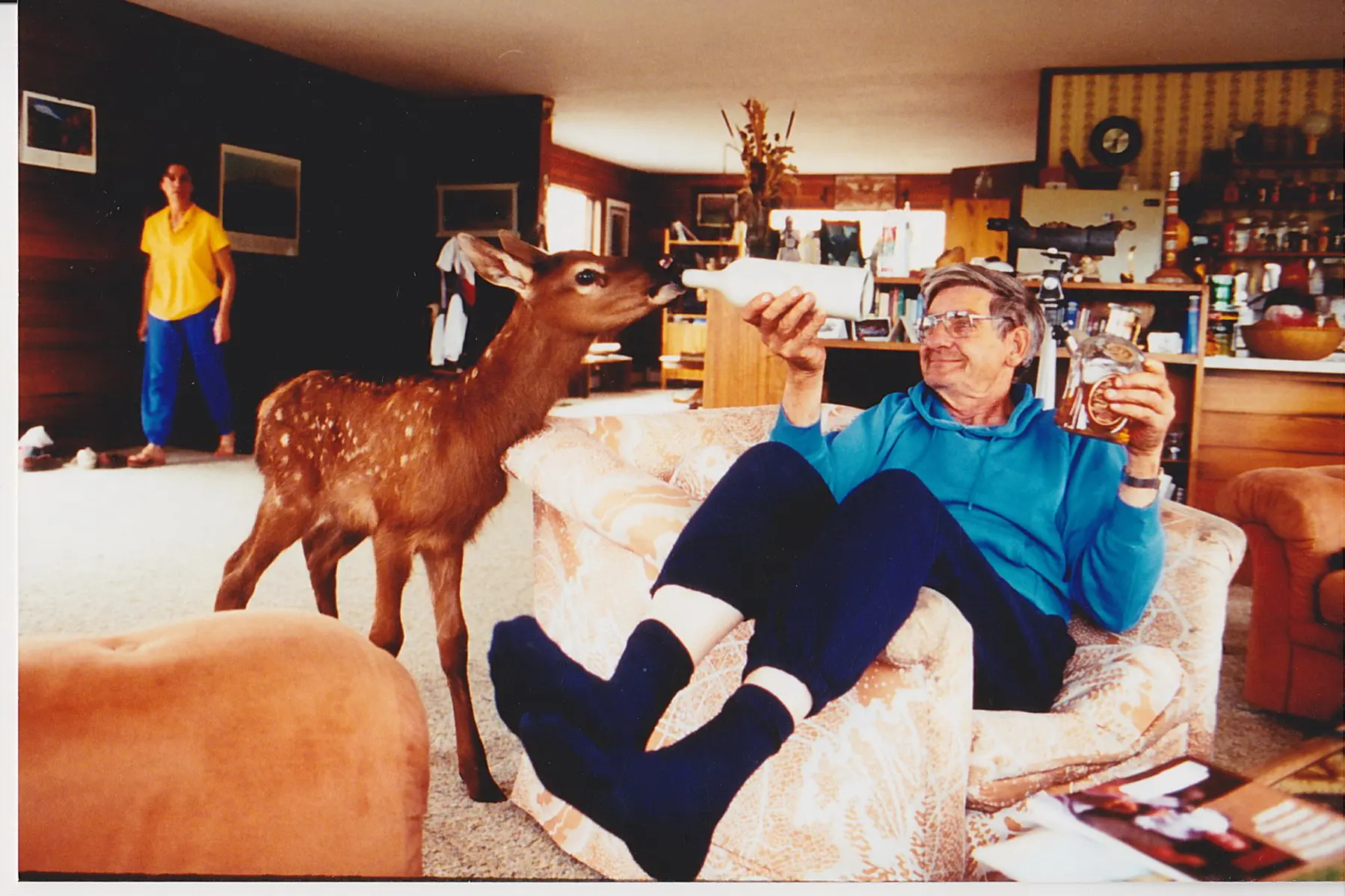
Danny Nowlan is one of Yukon’s colourful, and at times, notorious characters. He was a polarizing figure who cared deeply for animals and connecting them to kids. He was also the subject of one of Yukon’s most expensive trials ever. His work on the Yukon Game Farm would eventually result in the creation of the Yukon Wildlife Preserve. That is a legacy that is still experienced by many Yukoners – although many of the stories are not known or well understood. 

The stories of Danny Nowlan are important threads that are woven through the tapestry of Yukon’s recent history. This project gives us the opportunity to capture and share this history before its lost. This includes the opportunity to celebrate the positive lasting legacy and to learn about and grapple with the challenging aspects of this legacy. 

In 2023 historian Sally Robertson collected oral histories from more than a dozen people who knew Danny. Out of this work, Sally wrote a series of stories about Danny and his adventures.

(9 minute read)

Danny and Erika Nowlan had a dream, and the Yukon Game Farm was established in the mid-1960s. Danny had to struggle several times over the years to keep the Yukon Game Farm operating. It was never profitable until the falcon breeding program was in place. Until 1990, the Nowlans were in business to raise breeding stock and sell young animals to international zoos and wildlife farms. In the case of birds of prey, their market was falconers wherever they happened to live. A Dall’s sheep ram might occasionally bring $2,000 and a trained gyrfalcon might be sold for $13,000, but there were many animals on the Farm, and they all needed care and a constant supply of huge quantities of food.  

Danny considered selling the Yukon Game Farm in the 1970s, when it seemed there would be never-ending bank loans. This was a time when Danny had close friendships with Yukon Game Branch employees, both guardians (Conservation Officers) and biologists. Government biologist Dave Mossop came to Danny with a plan to replenish Yukon’s wild stock of peregrine falcons. This was successful and, building on that, the Yukon Game Farm purchased gyrfalcons from the government and embarked on a successful breeding program.

Danny with Gyrfalcon


Danny needed even more money to establish the infrastructure and so, instead of selling the whole property he tried to subdivide and sell some lots along the Hot Springs Road. The government prohibited the sale and Danny’s attitude toward bureaucracy started changing towards antipathy. In the end, the approach of a government official elicited a yell of ‘cops’ from Danny and furious barking from his well-trained dogs. Followed by Danny’s famous laugh.

Prohibited from selling titled property, Danny instead sold 999-year leases. The government challenged this sale, and Danny won in court, so the parcels became titled land. Selling the road frontage kept him in business for a while, and also had the advantage of providing some protection for the animals. Before they were moved away from the road, there were incidents of animals being injured and one ram sheep with trophy-sized horns was killed.

In the mid-1980s, Danny, his second wife Uli, and well-respected biologist Dave Mossop were arrested and dragged into court on charges associated with the capture and illegally selling of endangered falcons to wealthy Saudi Arabians.  Operation Falcon was an undercover operation that started in the United States and reached into the Yukon. The Yukoners were judged not guilty of all charges, but the trial affected reputations and bank accounts. After the trial, the Game Farm’s elaborate infrastructure for breeding, raising, and replenishing wild stocks was in shambles, and Danny and Uli were no longer able to realize a profit from selling the birds they were so successful at raising.

In the 1980s, elk farming became a profitable business in Canada and Danny was quick to acquire a herd of about 300 animals. He and a number of other Yukoners became successful elk farmers before the Korean market for Canadian elk antlers and velvet collapsed. Some elk farmers in the United States changed their operations to hunt farms, places where hunters could pay to shoot animals. The only legal option in the Yukon was the sale of elk meat, and that was not part of Danny’s vision of an educational preserve to showcase Yukon wildlife. He told a friend that the day he had to sell a pound of elk meat was the day he was out of business.

Elmer-1st and Danny especially favorite elk bull came from Chuck and Clara from California 1983 visit.


Fortunately, just at this time the Nowlans were approached by Holland America to provide a tourist attraction for the company’s bus tours. This was in line with Danny’s vision. He needed to upgrade the roads and fences, and acquire more northern species, but the Nowlans were still able to sell animals and care for the injured and abandoned ones that were constantly being dropped off at their door.  This change in direction was formalized by a change in name; the Yukon Game Farm became the Yukon Wildlife Preserve in 1989.

Original logo created by Peregrine Nowlan in 1989 when the name change occured from Yukon Game Farm. Later when the facility was sold and run as a non-profit the name remained and the logo updated to its current version.

Around 2000, Danny was once again faced with the serious problem of keeping the operation in business. Animal sales were still an option, but there was a dawning awareness in Canada of spreading diseases affecting wildlife. Danny needed permits to move animals across borders, and these became increasingly difficult to obtain. The matter came to a head for the Yukon Wildlife Branch when public attention was drawn to one of Danny’s mountain goats that appeared on a steep hill across the North Klondike Highway from the sod farm. Government officials were worried about the transmission of disease from domestic animals to wildlife, and two escaped mountain goats could have travelled past agricultural farms containing domestic goats.

Danny was unable to recapture his animals, and the Yukon government’s Philip Merchant came to the rescue with a helicopter and a tranquilizer gun. The story of the capture is a harrowing tale for another time, but no animal (human or goat) was terribly injured, and Danny was presented with the bill. 

Danny said, “I want to go fishing” and he started looking for buyers. He could have made a lot of money by letting a developer divide the Game Farm into acreages. Many Yukoners were reluctant to see this happen, and the Friends of the Yukon Wildlife Preserve was established in 2002. The Board of Directors included successful businesspeople, educators, and wildlife biologists who recognized the Preserve’s potential economic, preservation, and educational worth to the Yukon. The society tried to raise funds to buy and operate the facility as a business, and they received support from individuals and potential partners.
In July 2003, the Yukon Fish and Wildlife Management Board wrote a letter to support a proposal where a not-for-profit society would run the facility with assistance from the Yukon Government, as long as the facility obtained accreditation from the Canadian Association of Zoos and Aquariums. The government, for many reasons, was reluctant to commit to any involvement at that time, and the Board of Directors dissolved the Friends of the Yukon Wildlife Preserve association in August 2003.

The public facing entrance to the Yukon Wildlife Preserve. Photo Rebecca August 2004.

There are many opinions about why the government persuaded a number of the original Friends and others to form an operating society, and then purchased the Yukon Game Farm in April 2004. Danny talked to the media and there was considerable public pressure in support of the sale. It was, and remains, a controversial decision especially for those opposed to seeing wildlife in pens. However, the Yukon Wildlife Preserve is a delight for children of all ages, and the expansive habitats created by Danny Nowlan make the residents very happy.

About his ability to get things done, Wendy Brassard says Danny would get these ideas and he wouldn't abandon them. He wouldn't just let them die or turn away from them. He'd think about it, he'd read because there was no Internet back then, he'd make phone calls, and the next thing you know, everything's changed. And he just kept evolving. He was such a good example of ingenuity and resourcefulness, and never say die. Just if you think it's right and it's going to work and it's a good thing? Do it.” David Smiley says Danny was an amazing character; that guy was different. Both good and bad. He had a rough side and he had a Grade 3 education. But he could develop a plan that somebody from a university would have trouble figuring out the nuances. He was a good planner. Randy Hallock concluded that Danny was interesting and always full of ideas. He just built the place and not much could stop him. He had ideas, and he made them work. People telling him ‘no’ just made him that much more driven. 

Minister Dixon, Department of Environment, Yukon Government and YWPOS board member Bill Klasson.
Photo taken 2013 on the signing of a 5 year agreement.

David Mossop is involved with the Game Farm in its current form as the Yukon Wildlife Preserve. He says it's interesting that all these years later, they haven't changed anything. It's basically exactly as Danny and Erika envisioned it – except brought to fruition a lot more. Their idea was to create something where the children of the Yukon could come and see the creatures that live here. And that's basically what happened.

The memories that were collected during this oral history project speak to the impact that Danny had on so many friends, kids, and animals - and the Nowlans’ legacy remains intact for Yukoners and Yukon visitors. We think Erika would be proud to see a fully realized wildlife preserve with its visitation of wide-eyed children. Uli Nowlan often visits the facility and keeps a watchful eye on the operation. Danny didn’t become an avid fisherman, but he did relax knowing his animals, and his legacy, were in good hands. 

• • •

On June 12, 2004, was the Grand Opening of the Preserve!

Danny Nowlan Life and Death - June 4th, 1929 - October 23rd, 2011.

Photos gratefully provided by Uli Nowlan.

Sally Robinson, October 2023
with words from interviews with Uli Nowlan, David Mossop, Philip Merchant, Wendy Brassard, Randy & Maria Hallock, David Ford. 

Sally Robinson

Sally Robinson

Vintage Ventures - Researcher & Writer

Sally is currently an independent consultant in the heritage field. Throughout her career, after working 20 years with Yukon museums as a researcher, curator and exhibit designer/producer, she joined the Yukon Government to work for 16 years as the Historic Sites Interpretive Planner.

Lindsay Caskenette

Lindsay Caskenette

Manager Visitor Services

Lindsay joined the Wildlife Preserve team March 2014. Originally from Ontario, she came to the Yukon in search of new adventures and new career challenges. Lindsay holds a degree in Environmental Studies with honours from Wilfrid Laurier University and brings with her a strong passion for sharing what nature, animals, and the environment can teach us.
867-456-7400
Lindsay@yukonwildlife.ca

Explore by Category

Explore by Author

Bonaparte’s Gull Release

Bonaparte’s Gull Release

animal reserve

by Lindsay Caskenette | Jun 25, 2024 | 0 comments

4 minute read - 

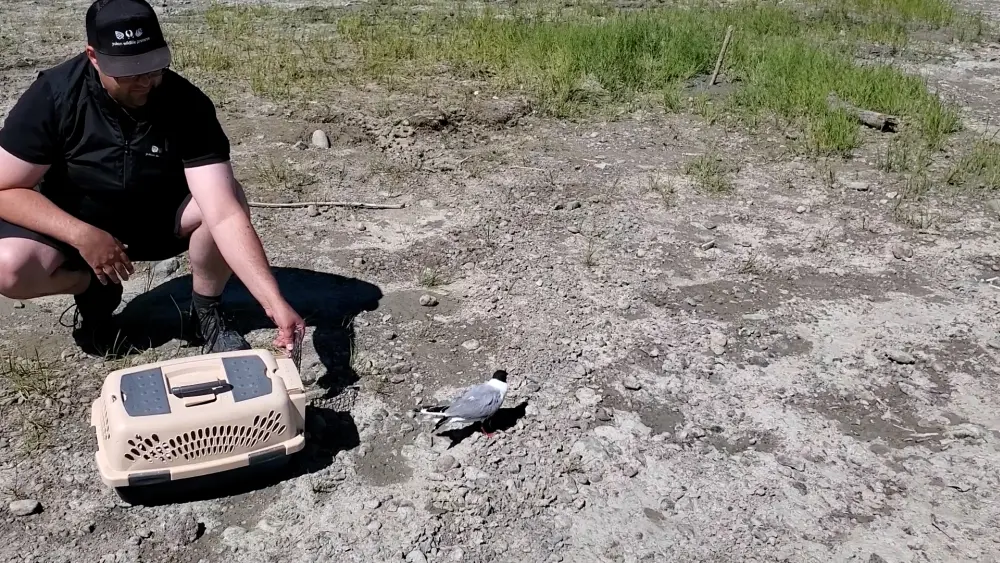
A Bonaparte's gull was brought into the Wildlife Rehabilitation Centre at the Yukon Wildlife Preserve after it was found flightless on the side of the road. The bird has no significant injuries, some feather damage and was likely concussed. A short time in the centre to recover, eat fish and get strong meant a successful release of the animal to Tàa'an Män — Lake Laberge on the traditional territory of the Ta'an Kwach'an Council.

Lindsay Caskenette

Lindsay Caskenette

Manager Visitor Services

Lindsay joined the Wildlife Preserve team March 2014. Originally from Ontario, she came to the Yukon in search of new adventures and new career challenges. Lindsay holds a degree in Environmental Studies with honours from Wilfrid Laurier University and brings with her a strong passion for sharing what nature, animals, and the environment can teach us.

867-456-7400
Lindsay@yukonwildlife.ca

Explore by Category

Explore by Author

Feathered Friends in Rehabilitation

Feathered Friends in Rehabilitation

animal reserve

by Lindsay Caskenette | Nov 3, 2023 | 0 comments

1 minute read - 

Generally, this time of year, the Wildlife Rehabilitation Centre is a lot more quiet than in the months leading up to fall. But in the final days of October the Centre got feathered with some new arrivals. 

October 30th, 2023 Conservation Officers from Dawson brought in a mature bald eagle that was observed to be weak, unable to fly and found near a road being harassed by ravens and magpies. The bird was severely underweight. Being on the ground for an unknown amount of time, the birds tail feathers were damaged. Upon its admittance, the bird eagerly ate and some fluids were administered.

mature bald eagle in rehabilitation

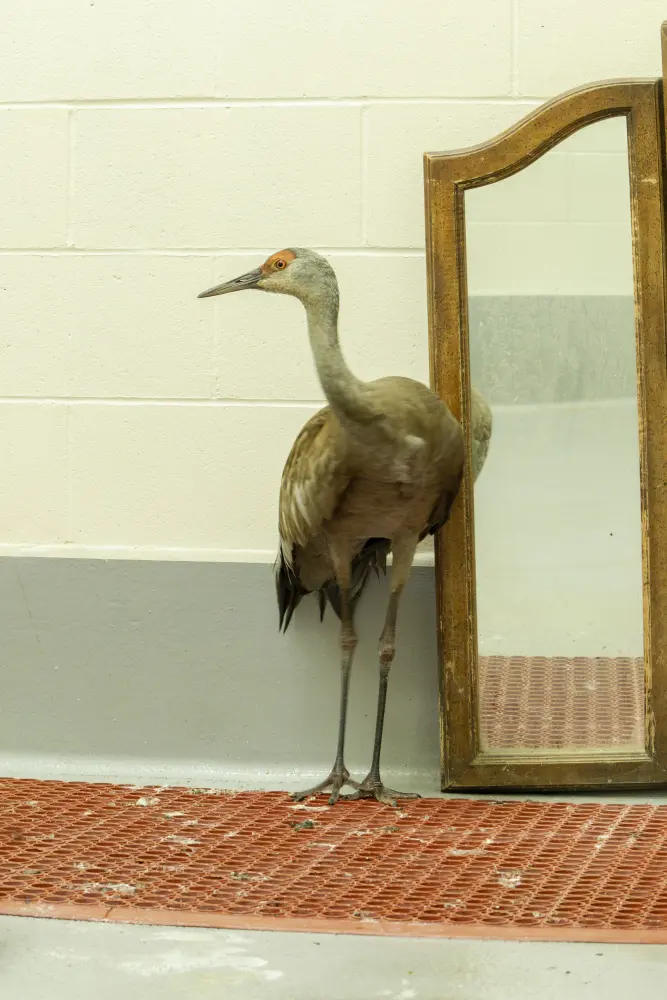
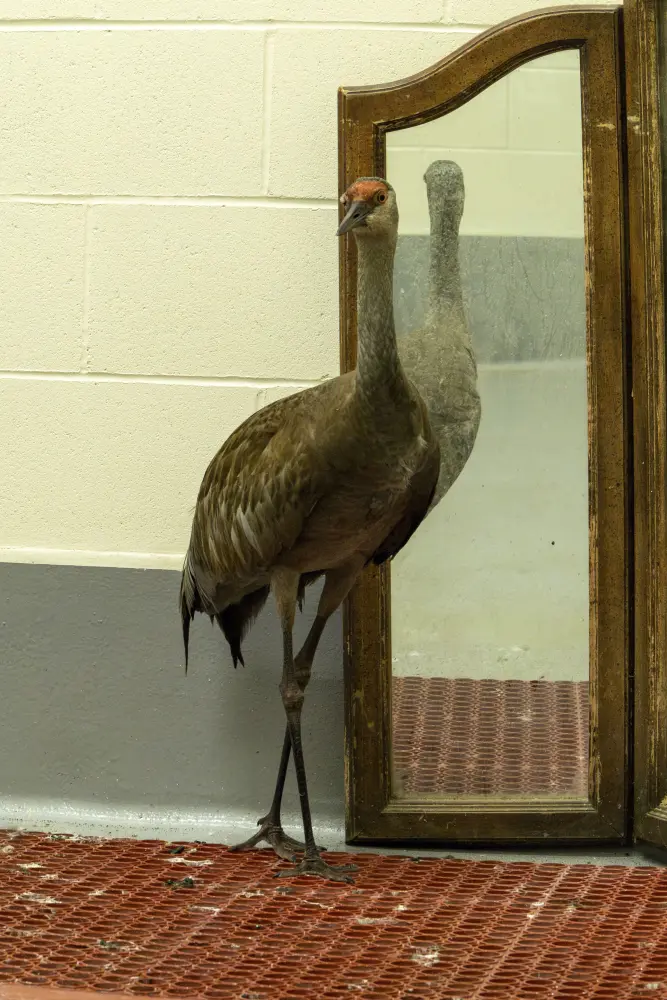
The next day, the Animal Health Unit of the Department of Environment brought a sandhill crane that was unable to fly. Similar to the eagle it was being harassed by scavenging birds. The bird has two lacerations, one of the left eyelid that is not affecting the eye and another on the left tip of the wing. Without much information to these injuries, Dr. Maria Hallock is ensuring they are cleaned and sanitized. The crane is given meloxicam, nonsteroidal anti-inflammatory drug (NSAID), to relieve pain and swelling. 

Now both birds just need time to heal, good food to gain weight and protection, while they return to normal health condition. We expect both animals to make a full recovery and be released back into the wild.

Since the crane should be already venturing down-south for Fall migration, the Preserve will look to some rehabilitation centres in B.C. that could admit the animal to provide its final phase of care after we give it a one-way ticket South via Air North!

Help us get them back on their wings. We could use your help. If you are able to support the care of these two animals, please consider donating. Every contribution makes a difference and as a non-profit charitable organization, you can receive a charitable tax receipt for your support. 

Photo credit: B.Forsythe

Lindsay Caskenette

Lindsay Caskenette

Manager Visitor Services

Lindsay joined the Wildlife Preserve team March 2014. Originally from Ontario, she came to the Yukon in search of new adventures and new career challenges. Lindsay holds a degree in Environmental Studies with honours from Wilfrid Laurier University and brings with her a strong passion for sharing what nature, animals, and the environment can teach us.
867-456-7400
Lindsay@yukonwildlife.ca

Explore by Category

Explore by Author

Muskox – I’m a Survivor!

Muskox – I’m a Survivor!

animal reserve

by Lindsay Caskenette | May 27, 2022 | 0 comments

4 minute read - 

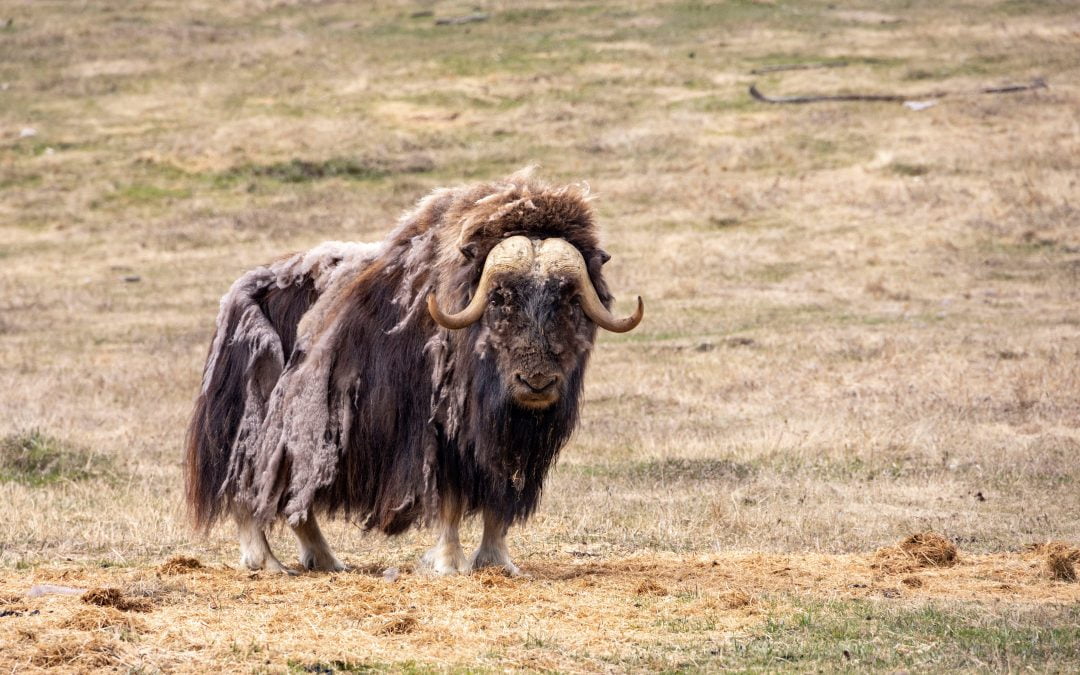
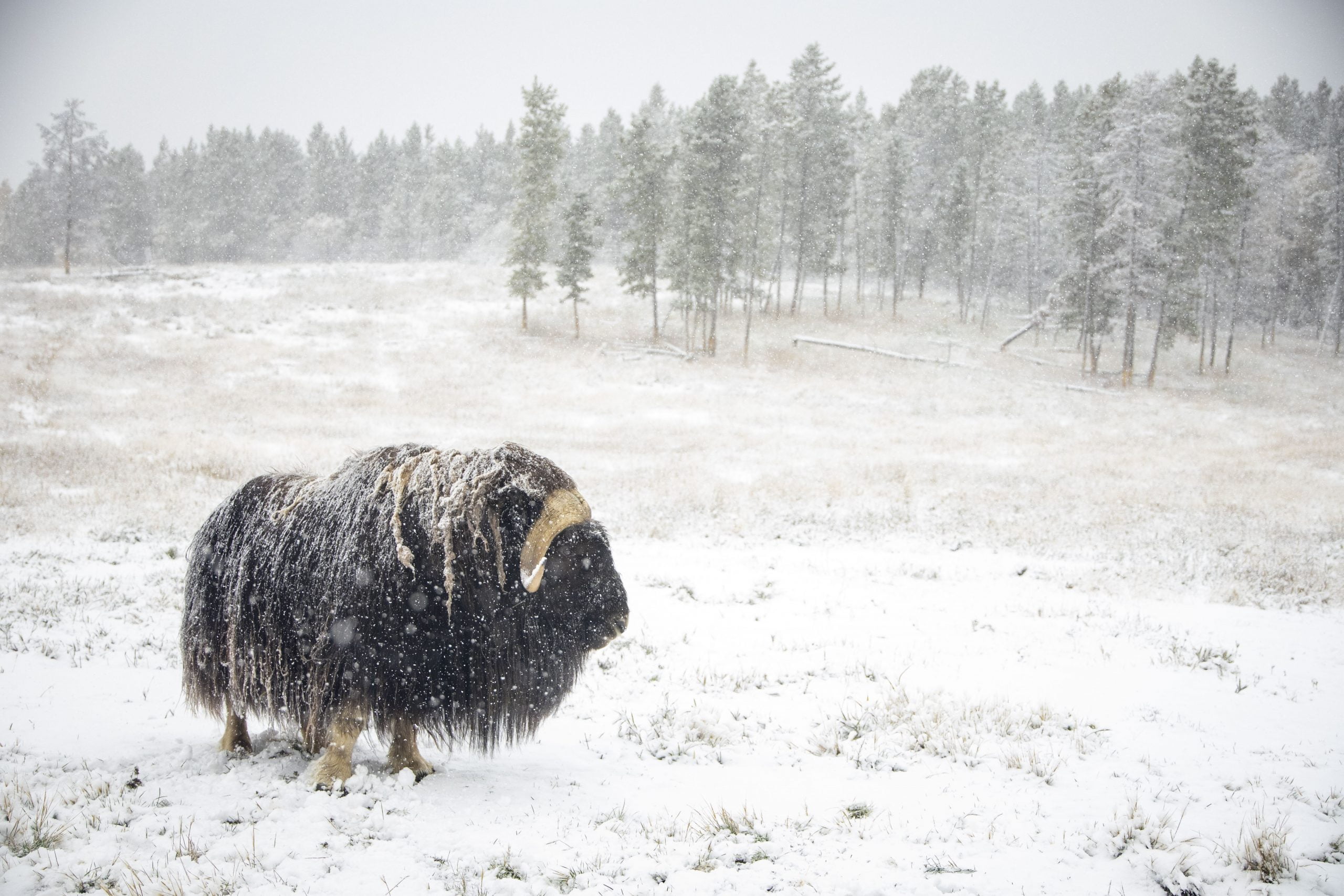
The muskox is an adaptable animal. In the face of climate change a generalist diet with a slow metabolism helped this species survive through the last ice age and to today while other megafauna, like woolly mammoths, went extinct.

During Beringia there were two types of muskox present on the extensive grassland biome - Ovibos moschatus, the tundra muskox that roams today, and Bootherium bombifrons, the helmeted muskox. 

The helmeted muskox did not survive the Pleistocene even though it was endemic to North America and had a wider range than its relative, the tundra muskox. If you could imagine this Beringian muskox was taller and more slender than those of the living tundra muskox and its wider range spanned an area from Texas all the way to Alaska. Like many of the horn and antler bearing animals of this era it was all about BIG, oversized, dramatic displays for sexual selection. The helmeted muskox had longer deeper skulls that supported higher and more flaring horns than the tundra muskox. But, size didn't get selected as most important for survival in this dramatically changing and climatically unstable landscape. It seems not only was smaller horns preferred through evolution but overall body size too - the less compact nature of this muskox might have played a role in its extinction along with many other large herbivorous mammals of its' time.  

The tundra muskox crossed the Bering land bridge from Eurasia into North America about 100,000 years ago. A more focused range and smaller size as well as thicker coat than that of the Bootherium, the Ovibos remains a resident of the Arctic landscape to this day. What's pretty incredible is that these muskox have changed, genetically, very little since their days on the Mammoth Steppe. The muskox of today's Arctic Archipelago are however much less genetically diverse than those that lived during the last Ice Age which suggests they were not completely unscathed during this time of climatic instability. Significant population and geographical range shrinkage restricted the tundra muskox to Greenland and much of the western Northern American Arctic populations are reintroductions from those limited genetics. The two types of muskox of the late Pleistocene did not mix genetically and the reduction of both species, including the extinction of the helmeted muskox, seem to exclude humans as a driving force behind these population dynamics into the Holocene.

Ovibos moschatus, the tundra muskox, was able to ride the waves of climate change over tens of thousands of years. Their adaptability to variability, including climate and thus vegetation quantity and quality, fostered this large Ice Age mammal to survive a formidable narrow niche of the Arctic biome to present day. What might the future hold for the muskox?

Photo credit L. Caskenette

Resources:

Thanks to Dr. Grant Zazula for taking the time share incredible insights into the past, into Beringia with the YWP crew! 

Ancient DNA analyses exclude humans as the driving force behind late Pleistocene musk ox (Ovibos moschatus) population dynamics. Paula F. Camposa, Eske Willersleva, Andrei Sherb, Ludovic Orlandoc, Erik Axelssona, Alexei Tikhonovd, Kim Aaris-Sørensena, Alex D. Greenwoode, Ralf-Dietrich Kahlkef, Pavel Kosintsevg, Tatiana Krakhmalnayah, Tatyana Kuznetsovai, Philippe Lemeyj, Ross MacPheek, Christopher A. Norrisl, Kieran Shepherdm, Marc A. Suchardn, Grant D. Zazulao, Beth Shapirop, and M. Thomas P. Gilberta.

Musk ox (Ovibos moschatus) of the mammoth steppe: tracing palaeodietary and palaeoenvironmental changes over the last 50,000 years using carbon and nitrogen isotopic analysis Maanasa Raghavan,, Gonçalo Espregueira Themudo, Colin I. Smith, Grant Zazula, Paula F. Campos

Tundra Muskox

Helemeted Muskox

Lindsay Caskenette

Lindsay Caskenette

Manager Visitor Services

Lindsay joined the Wildlife Preserve team March 2014. Originally from Ontario, she came to the Yukon in search of new adventures and new career challenges. Lindsay holds a degree in Environmental Studies with honours from Wilfrid Laurier University and brings with her a strong passion for sharing what nature, animals, and the environment can teach us.
867-456-7400
Lindsay@yukonwildlife.ca

Explore by Category

Explore by Author

A Day with an Animal Care Assistant

A Day with an Animal Care Assistant

animal reserve

by Abbey Mondor | Aug 13, 2021 | 0 comments

8 minute read.

My name is Abbey, I am a part-time animal care assistant and part-time wildlife interpreter here at the Yukon Wildlife Preserve for the summer of 2021. I am a biology major at the University of Winnipeg. Fall 2021 I start my second year of my degree. One of my goals in life is to visit all three territories in Canada, with Nunavut already crossed off the Yukon was next on my list. The Wildlife Preserve offers me a chance to put my education to practice and help me decide which route in the biological field I want to pursue (I bet by the end of this post you can guess which route I am leaning towards). This post will discuss what I have experienced as an animal care assistant here at the Preserve and hopefully give some insight about what goes on behind the scenes for you the reader.

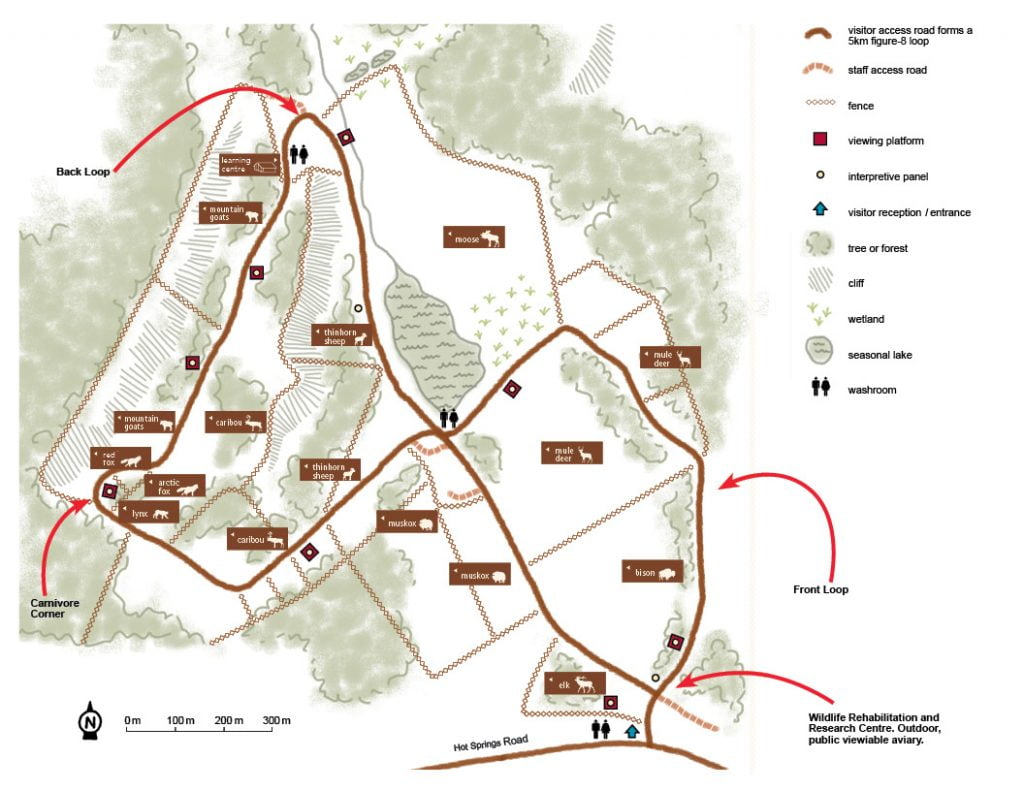
You may have been on the Preserve and been at the right place and time to see the animal care team at work. The animal care team works hard to keep the Preserve and rehabilitation animal’s happy and healthy. Working in animal care is never a stagnant job, animal needs change, babies are born, new rehabilitation animals arrive making this job ever changing. This post will follow my day around the preserve as an Animal Care Assistant starting in the Preserve’s Wildlife Rehabilitation and Research Centre, down to the first half of the lower loop up to the upper loop and back down to the second half to complete our figure eight.

This map shows the homes of each of the species in our collection located on the front and back loops of the figure 8 trail network. The Wildlife Rehabilitation Centre is located in staff access area.

Rehabilitation Centre

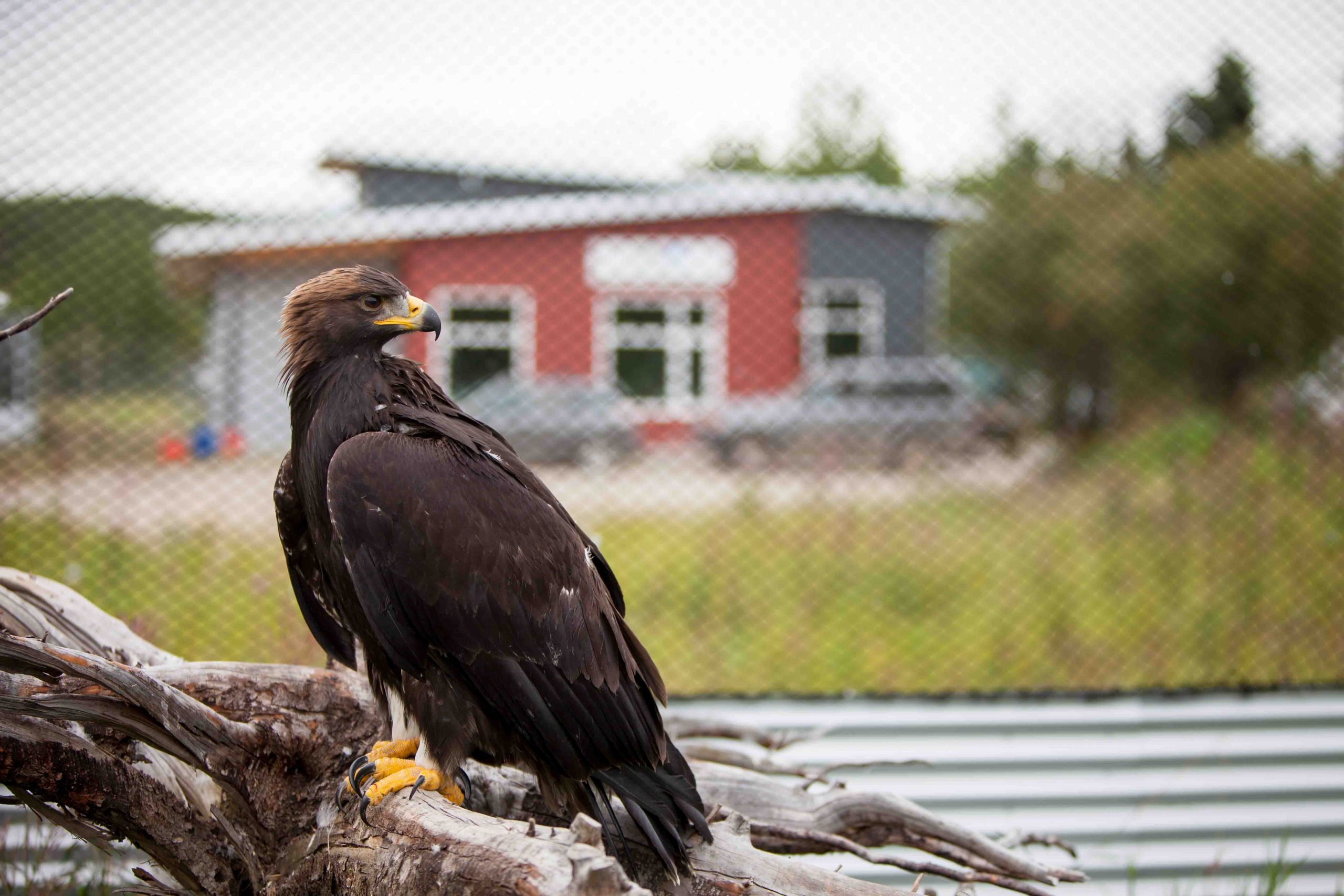
The Rehabilition Centre in the shadows of a golden eagle patient in the large outdoor aviary. Photo credit: J.Paleczny

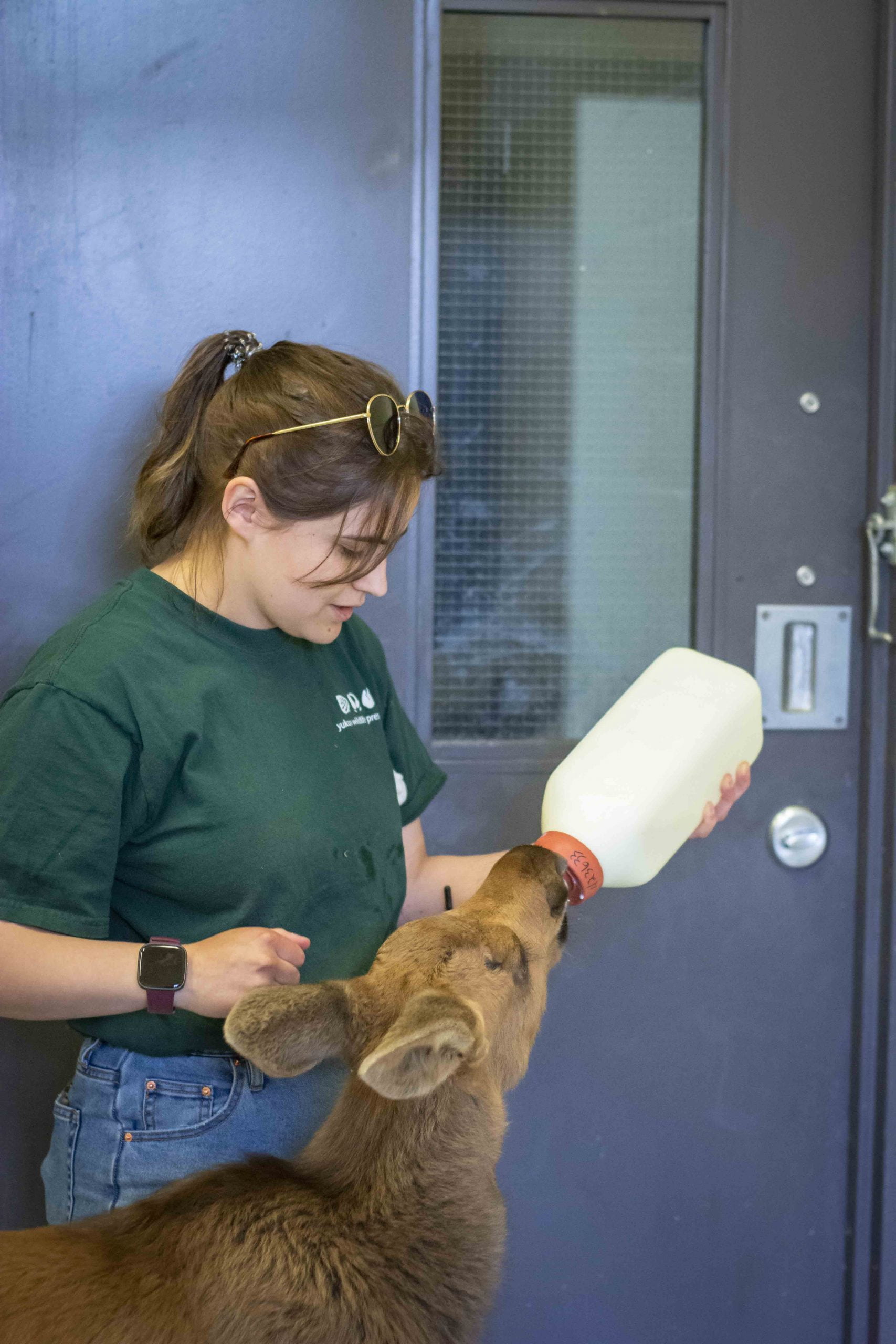
To start off the day I check the animals that are in rehabilitation care to make sure their habitats are clean and that the animals are well - observation of animal behaviour is a very important role in animal care.  In the rehabilitation center the animals we look after often have strict eating schedules which dictates what is done during my day and when. An example of this is the moose we received in late May of 2021. This calf is not shy and is always excited to eat! He gets almost too excited, so we have to slow him down. It's exactly like when your puppy eats way too fast and you have to find ways to slow them down. After feeding, we watch him until he defecates and lays down, this is an important step to ensure he is healthy and progressing how we would expect him to. As you continue reading this post you will recognize the particular theme of observing the animals' behaviors: this is to ensure the health of the animals in our care.

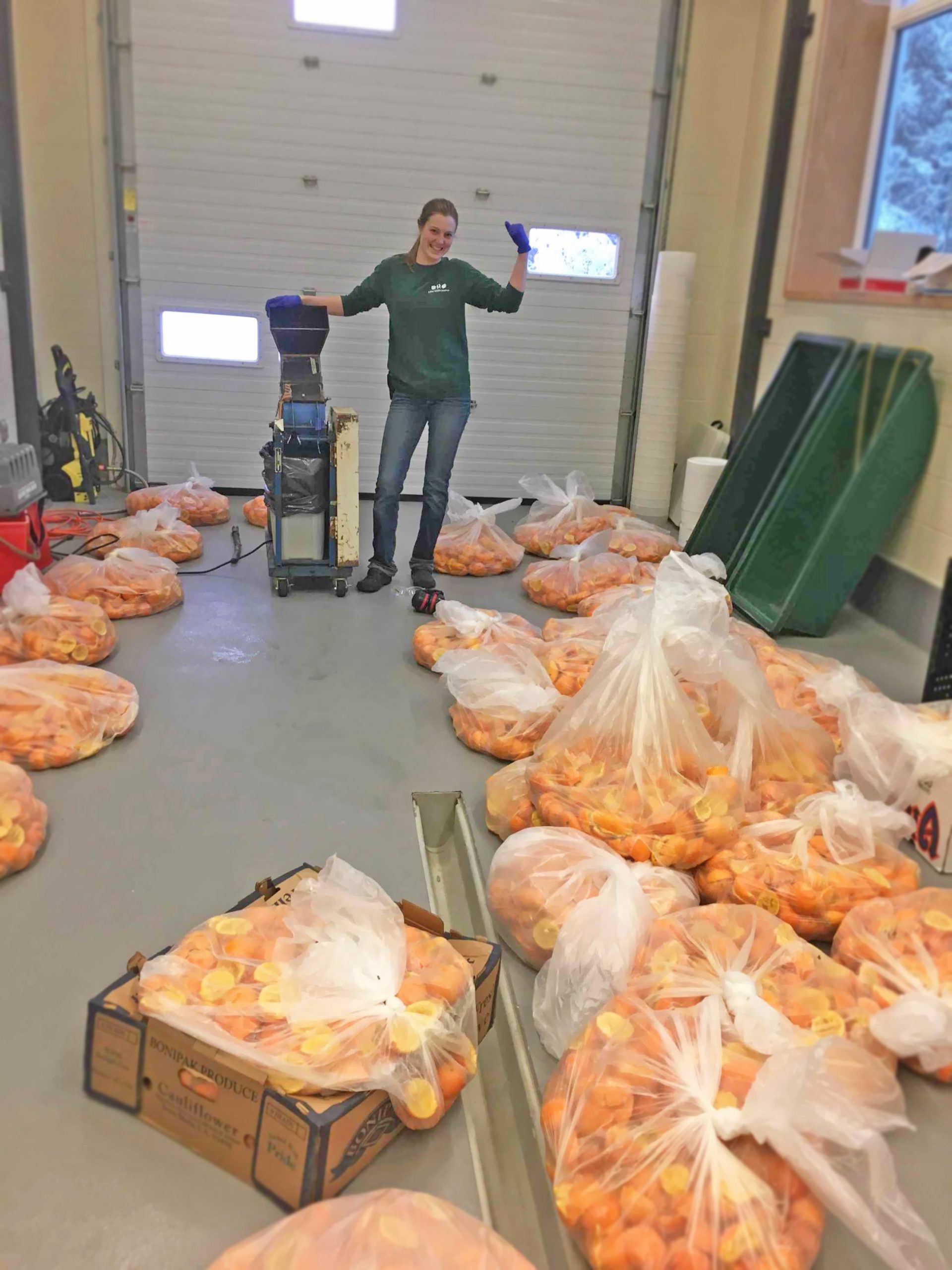
Next step is to prepare the feed for the collection animals. The caribou females eat a beet pulp mixture that you just add water to and it expands twice or three times the original amount. It almost looks like that elephant toothpaste science experiment but in slow motion! We also mix that with donated fresh fruit pulp. We’re very lucky to receive support from so many local organizations including grocery stores. Fun fact, caribou don’t like citrus or ginger, they’ll eat around it and leave it behind (so we sort that out and give it to the moose).
Oranges donated from Wykes Independent Grocer.

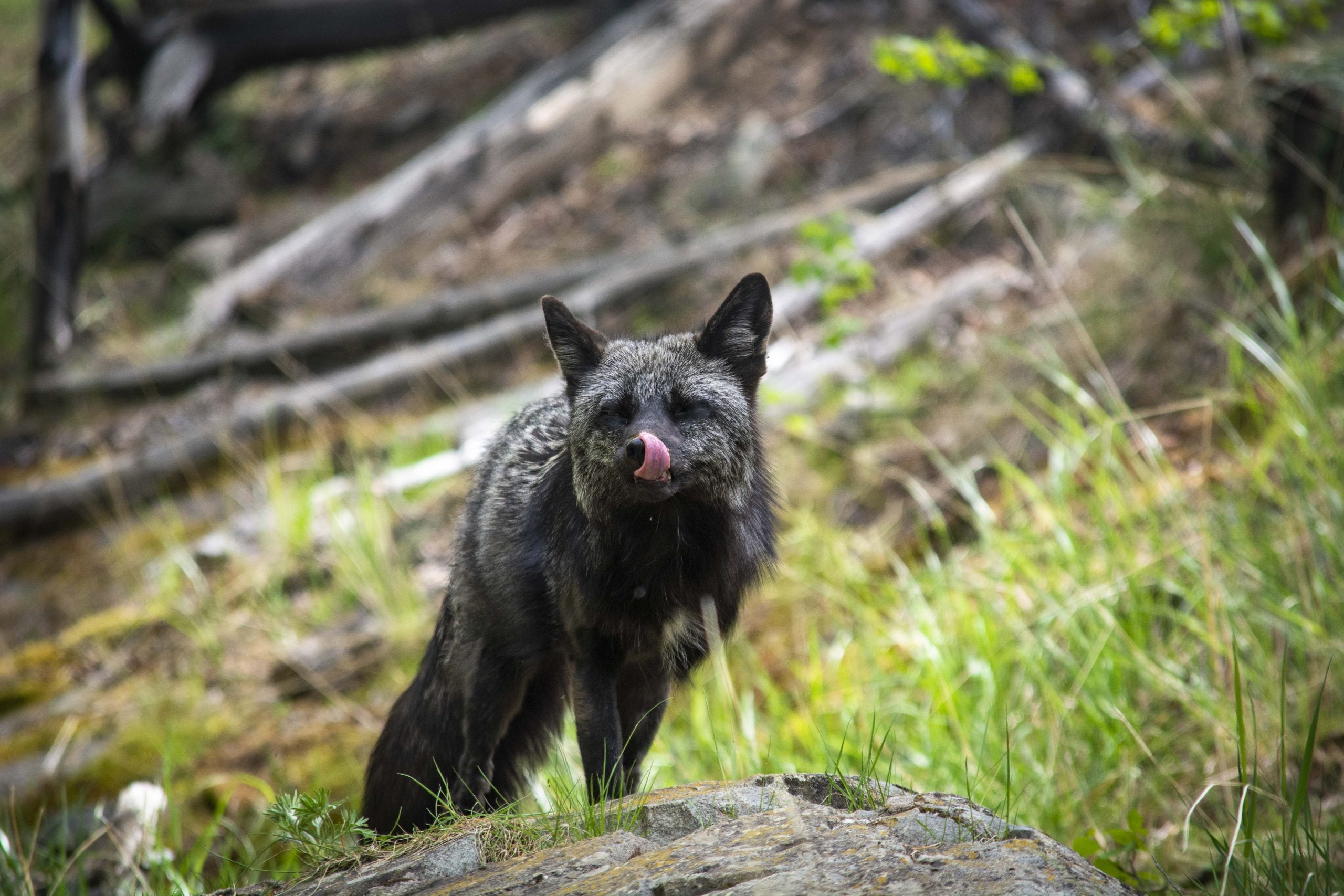
We then prepare the carnivore food. The arctic fox, red foxes and lynx all get a healthy amount of red meat and white meat. Once the food is prepared, which means to cut it up, weigh and portion it out per species it's placed in the fridge for later.

The silver fox enjoys lunch and is lip licking satisfied thanks to Animal Care staff food prep. Photo credit: L.Caskenette

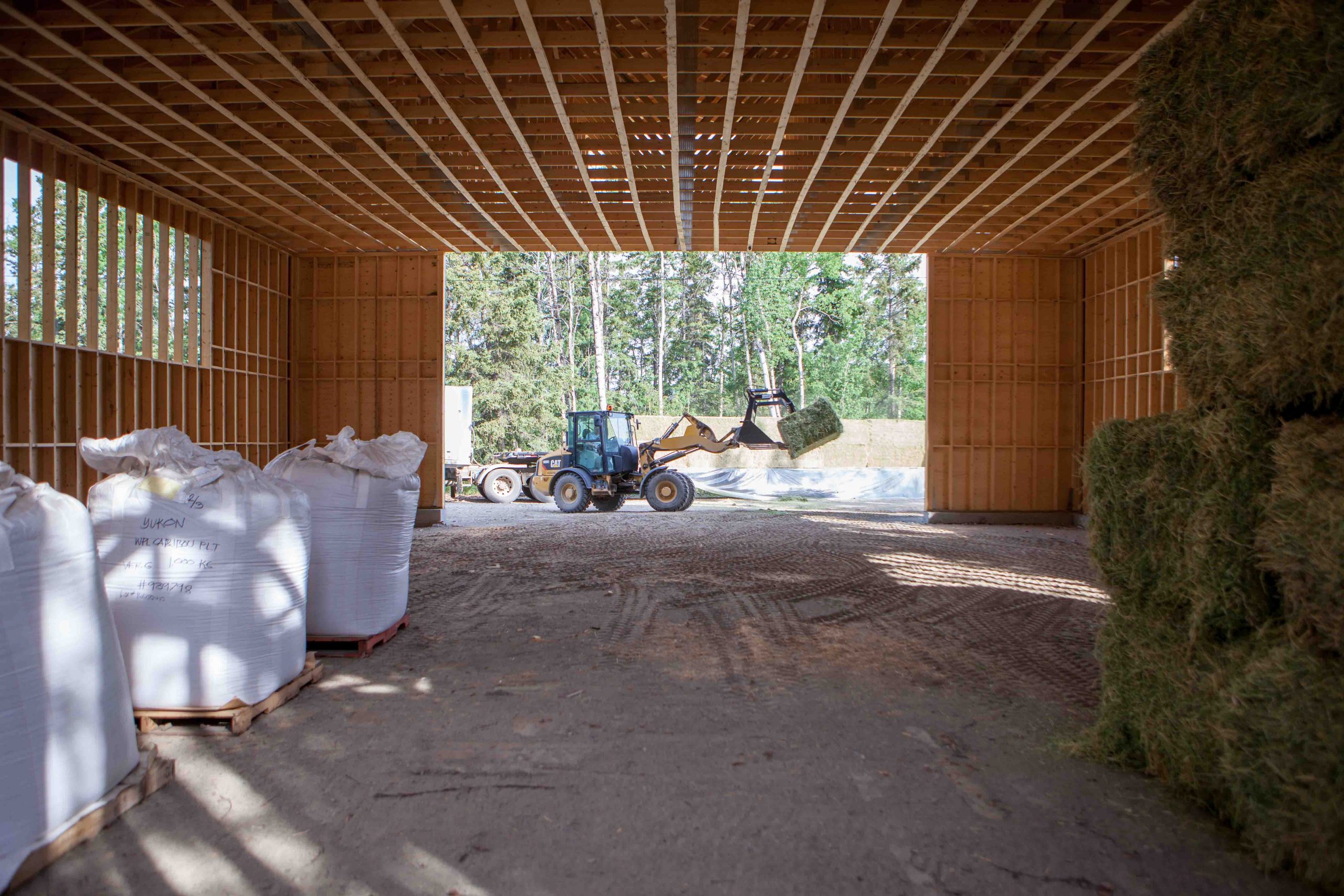
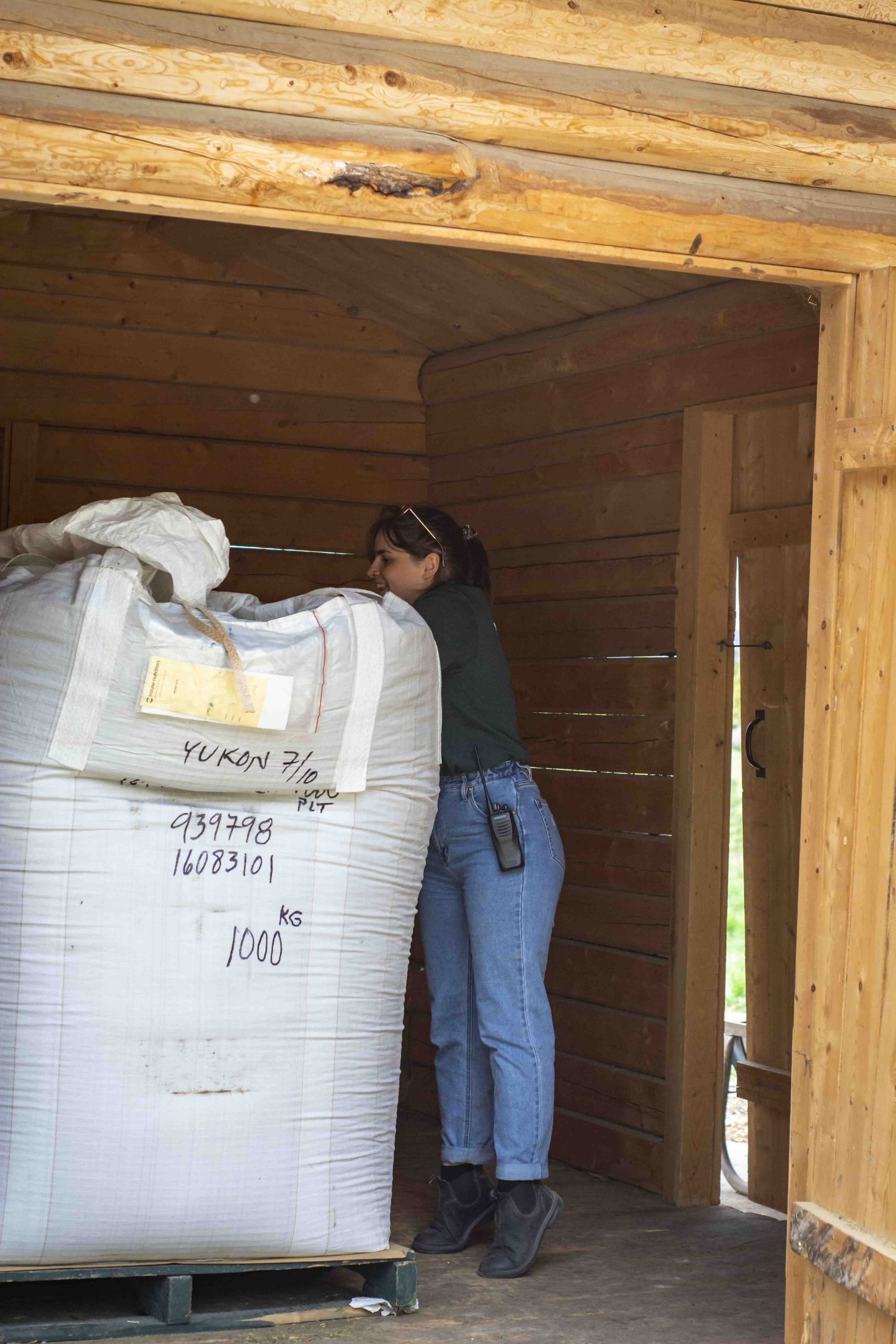
We then head to the hay barn to get pellets for the muskox and bison. These two species don’t have a feed station attached to their habitats like the other ungulates, they are a bit too rough on their surroundings, so that means pellets are not stored at the habitat in the protective feed stations. 

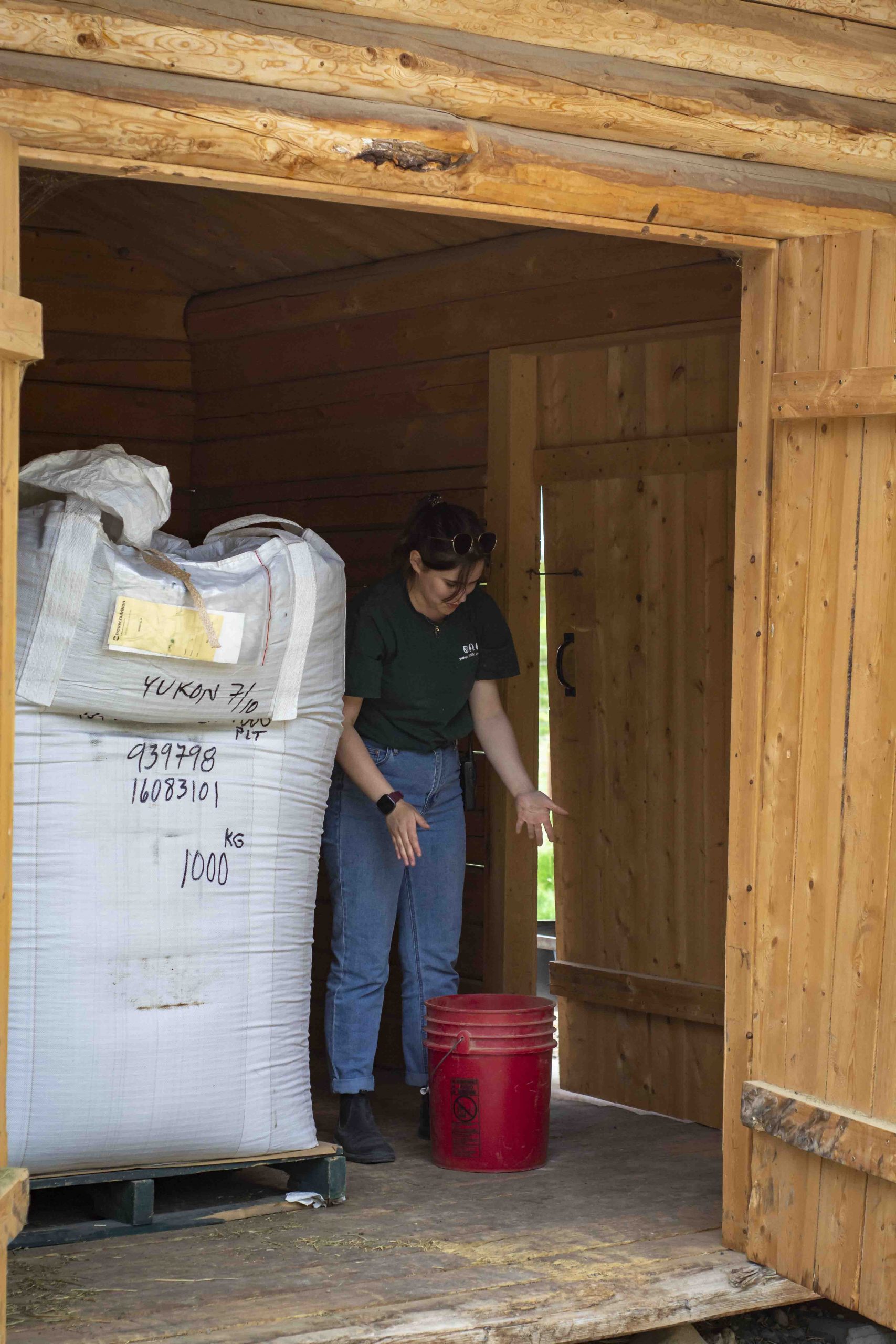
Getting pellets is no small feat, the first time I tried to fill a bucket it took me four tries to get a full bucket! For reference I am 5’0, and the bags are as tall as I am when they are full. Once we have our pellets ready, we load up the animal care truck and begin our tour around the preserve.

Front Loop

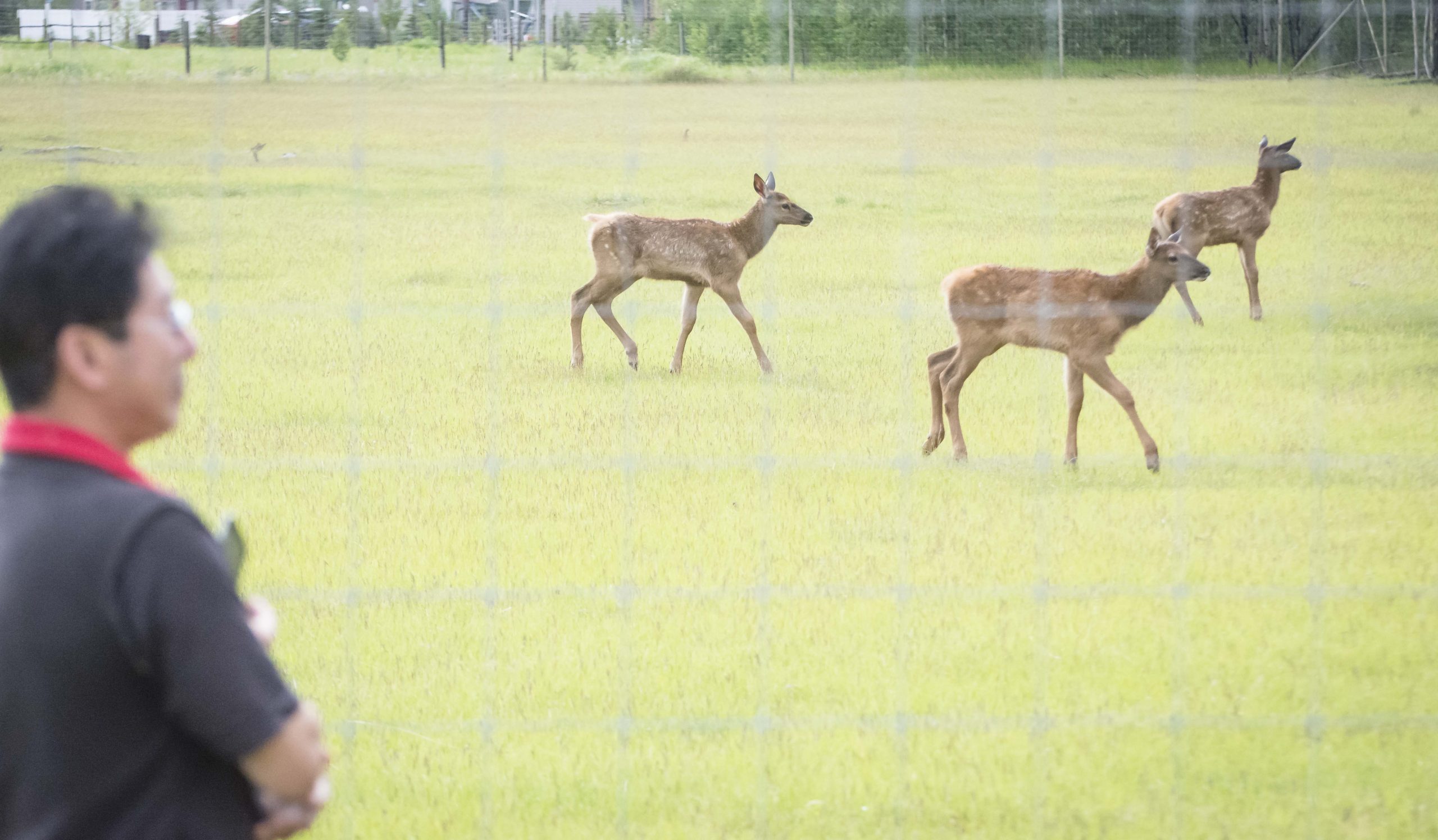
In this portion of the front loop or sometimes called the lower loop we will encounter the elk, bison, mule deer and moose in that order as we start counterclockwise on the loop. We begin first by making sure all the elk are present, look alert and healthy and then check their hay and water levels.

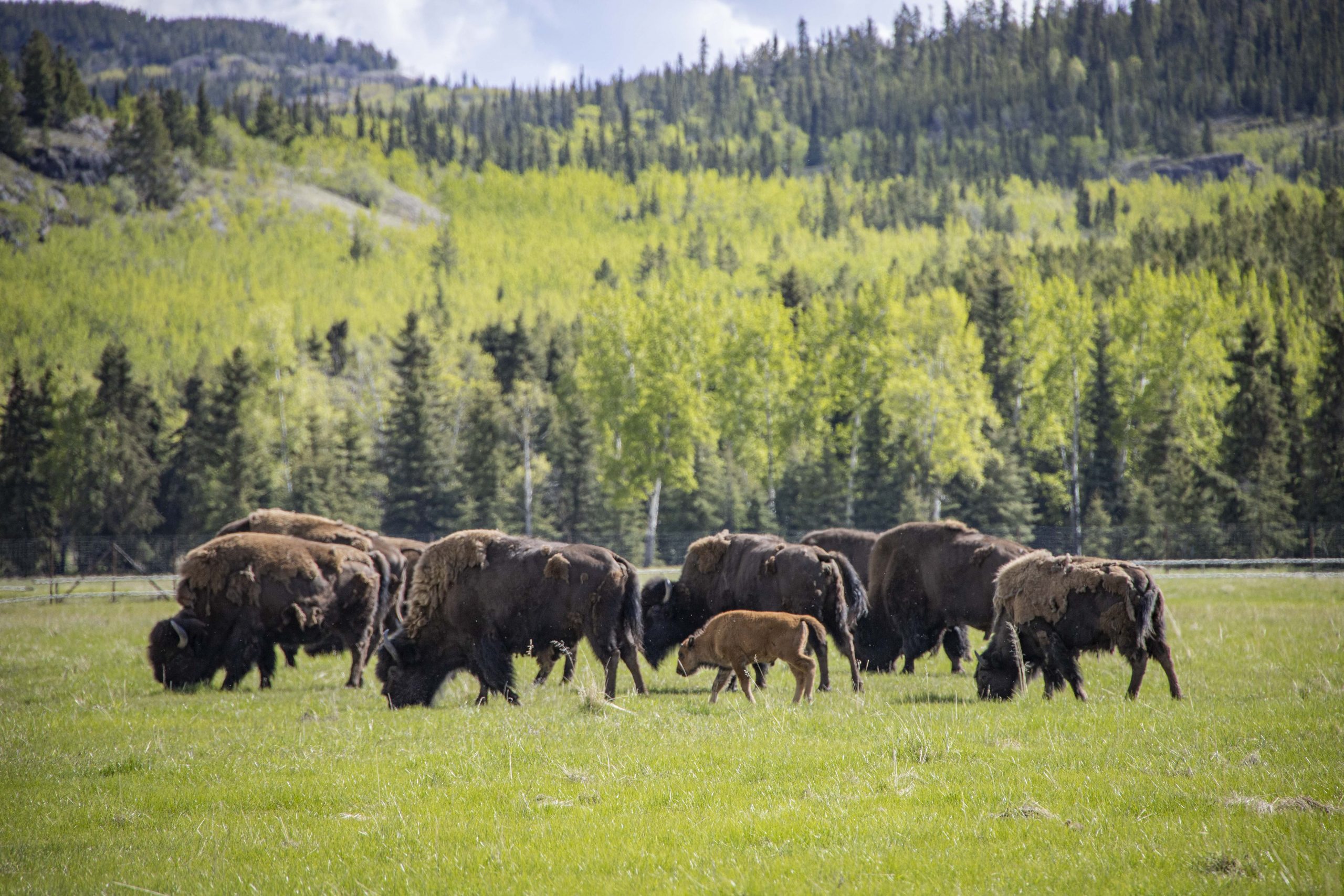
Then we stop at the bison who are usually laying or standing around as a group. These animals get their pellets poured in two straight, long lines on the ground so there is plenty of room to share between these big, big eaters. We hang around the habitat to count the animals and check them for any changes in behaviour. This is an important opportunity to make observations in any changes of health that can be reported to Dr. Maria Hallock, our full-time veterinarian. If anything is astray Dr. Hallock will investigate further but most days I get to see and learn the amazing behaviours of these animals.

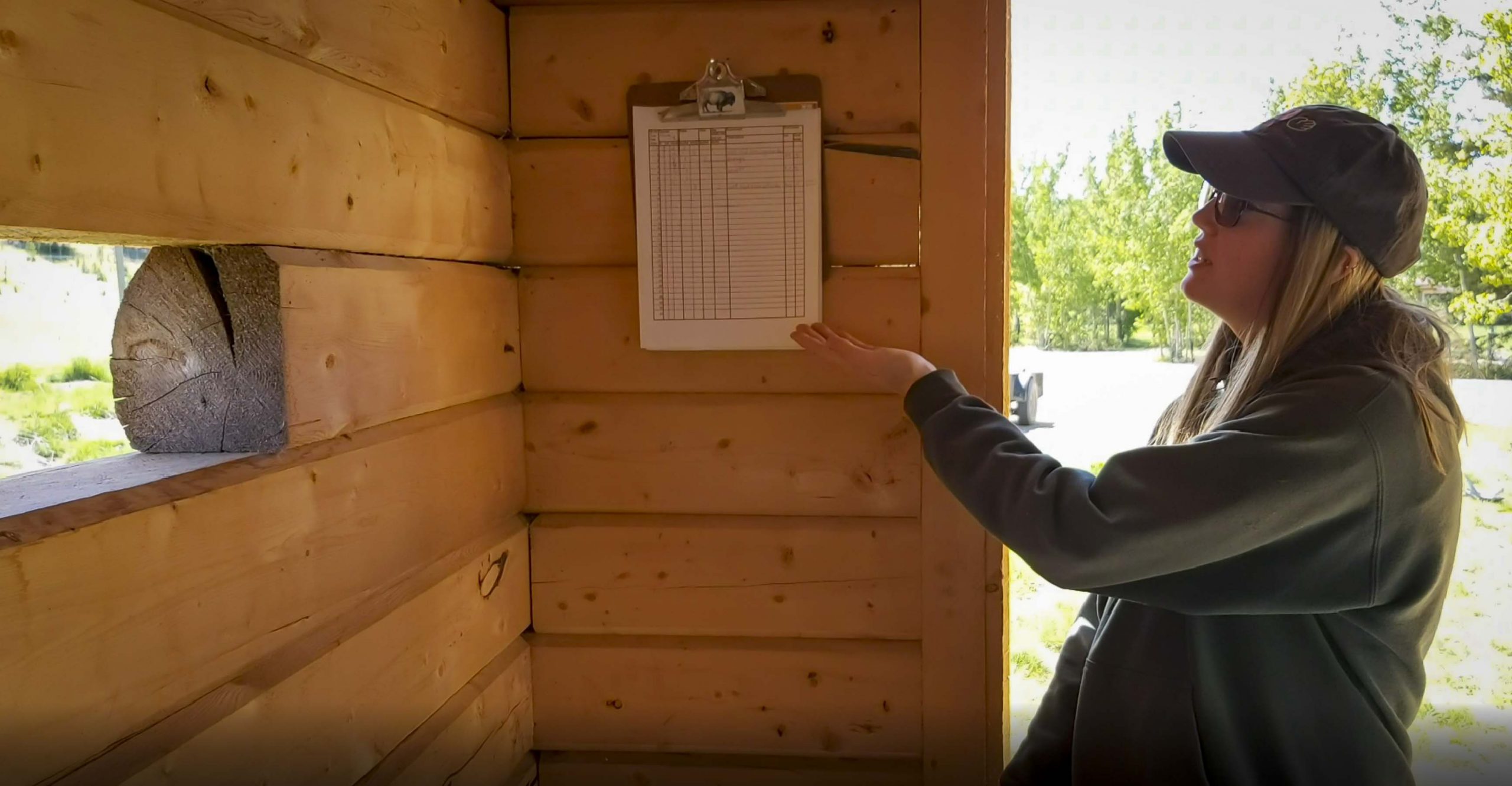
After that, we head over to the mule deer where we first check their water and then head into the feeding station where we find their stored feed, tools, and the animal information sheet. Each animal information sheet is specific to the species, we count how many animals we see and how much they are fed. We also take the time to write down any observations of the animals whether it’s a mule deer with diarrhea or a moose acting out of character all observations are recorded and forwarded to Maria.

We use a scoop instead of a bucket to pour feed into their troughs (thank goodness). In the same shed we also feed our moose and again we scoop their feed into their troughs although they have a much bigger scoop so it's important to keep everything separate.

Back Loop

In the back loop we will find our thinhorn sheep, caribou and mountain goats. We move to our thinhorn sheep where we wear booties and gloves to protect them from outside pathogens. This species tends to be more susceptible to bacteria's so the Preserve biosecurity is heightened here when entering their habitat.

Left photo shows a thinhorn sheep sedated for a check up and hoof trimming. Right shows Outdoor Operations staff working on fencing within the ewe habitat. Both photos show staff wearing booties and gloves to help protect the animals against pathogens. Photo credit: J.Paleczny

This species has both pellets and hay in their feeding station. Learning to use a pitchfork has been a learning curve! Who knew something with so much space between each prong could carry so much?

We clean and remove excess hay and feces from the feeding stations which we compost. We head on over to the caribou (who were hoping will have babies this year) and whose food we mixed earlier.

Caribou cow and calf from summer 2019. Photo credit: J.Paleczny

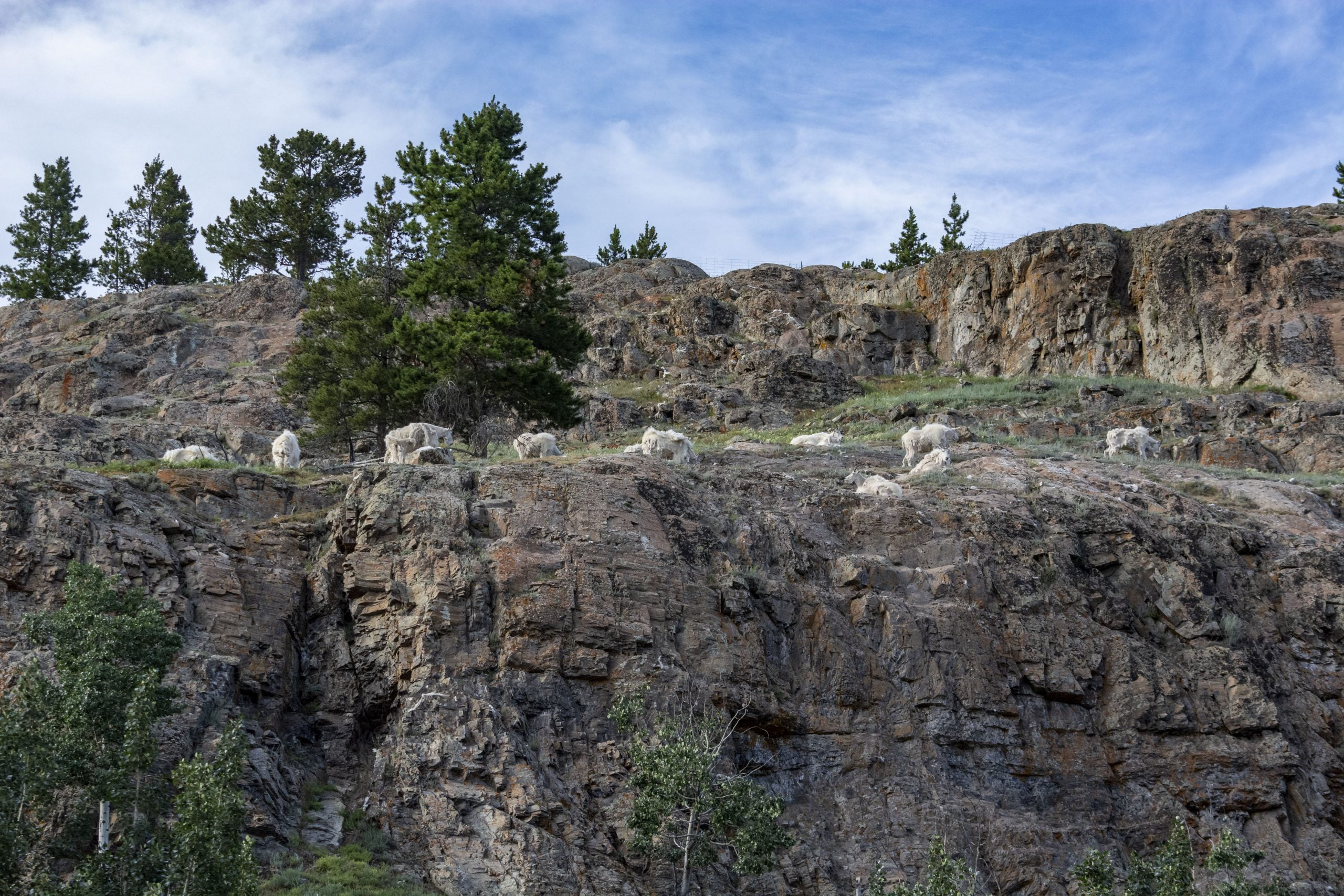
We go into their habitat and create piles of the beet pulp. We then head to the mountain goats who are usually high up in the cliffs making counting them a tricky task! This species gets hay and pellets and a clean up just like the sheep do.

Mountain goats hang out on the cliff - it's safety and sometimes sun bathing! Photo credit: L.Caskenette

Although beware of Geronimo whose patience for humans is very thin! Every animal has a personality and some are more memorable than others. The first time I met him I thought he was ill only to find out he was just in a bad mood (he always is - he's a goat). To be fair when I say bad mood, he’s really just displaying signs of normal defensive behaviour that has been somewhat elevated due to his story as a kid.

Carnivore Corner

The back loop can be further divided into the Carnivore Corner where we will find the lynx, arctic foxes, and red foxes. The carnivore corner is where the most fun feedings occur! Sometimes we do themed enrichment feedings - check out our Halloween one!

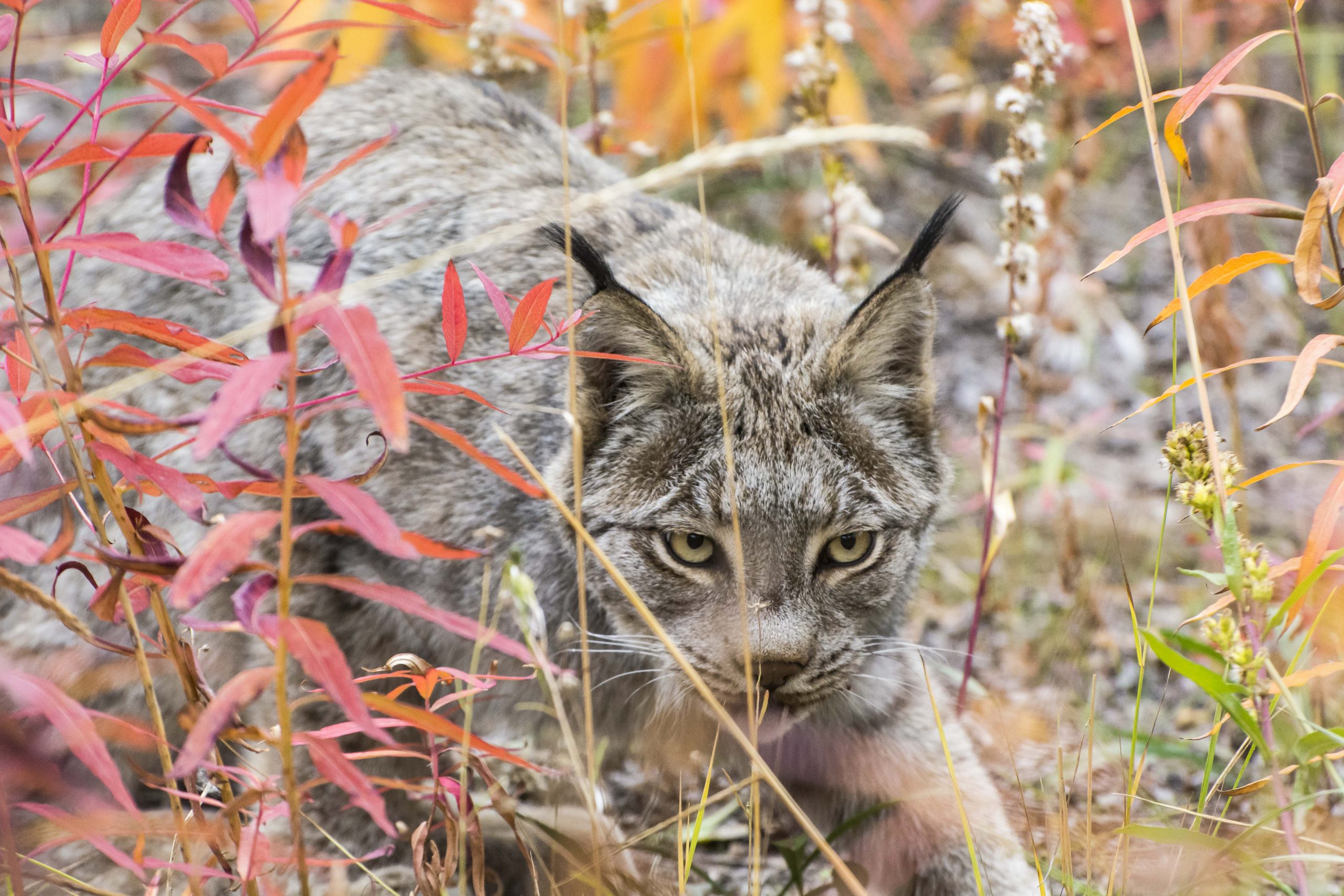
We stop at the lynx who are usually waiting by the fence for food, I swear they hear the truck and spot the green jackets and come running! The females are most expectant and the odd time the male will be waiting too but he’s a little more reserved.

Lynx come in for feeding, intent but smooth movement towards the food. Photo credit: L.Caskenette

We head over to the arctic foxes who look super cute but throw in a piece of red meat into the mix and their carnivore side comes out. You can watch the arctic foxes feeding here! 

Very cute, but also very ready for food! Photo credit: L.Caskenette

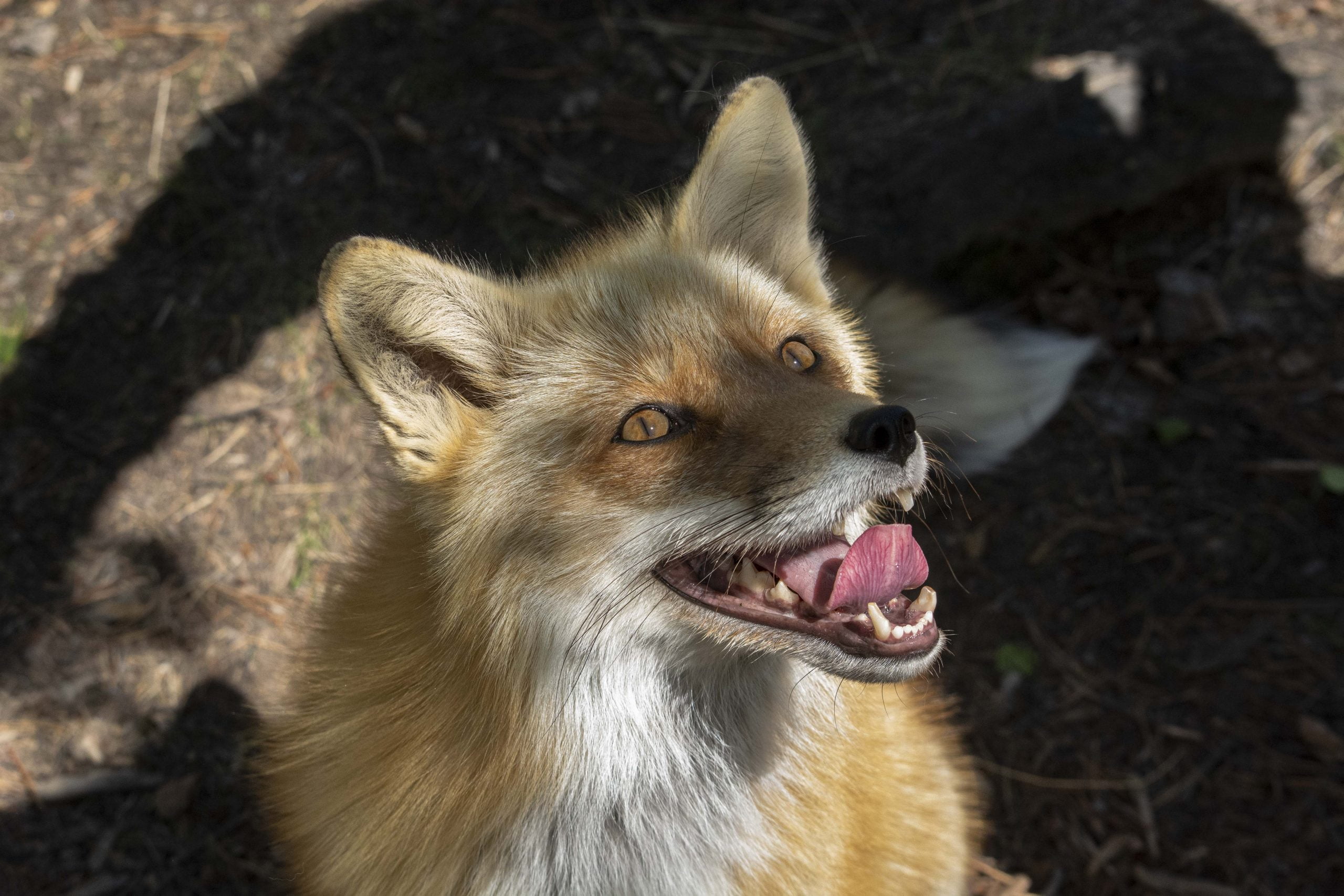
Next, we head over to the red foxes who are the funniest to feed! ‘Definitely’ the red fox makes the cutest yipping noises when he sees you pull up! What does a fox say you might ask? It sounds something similar to a yip and laugh mixed together. He will race around to get food before the silver fox does, I swear that silver fox has more patience than I’ve ever seen.

The red fox is always ready for food and will eat as much as he possibly can. What he can't, he will grab and go stash it. Don't worry, the silver fox gets his share - he goes and finds the red foxes stash in his own time. Photo credit: L.Caskenette

Front Loop - Round 2

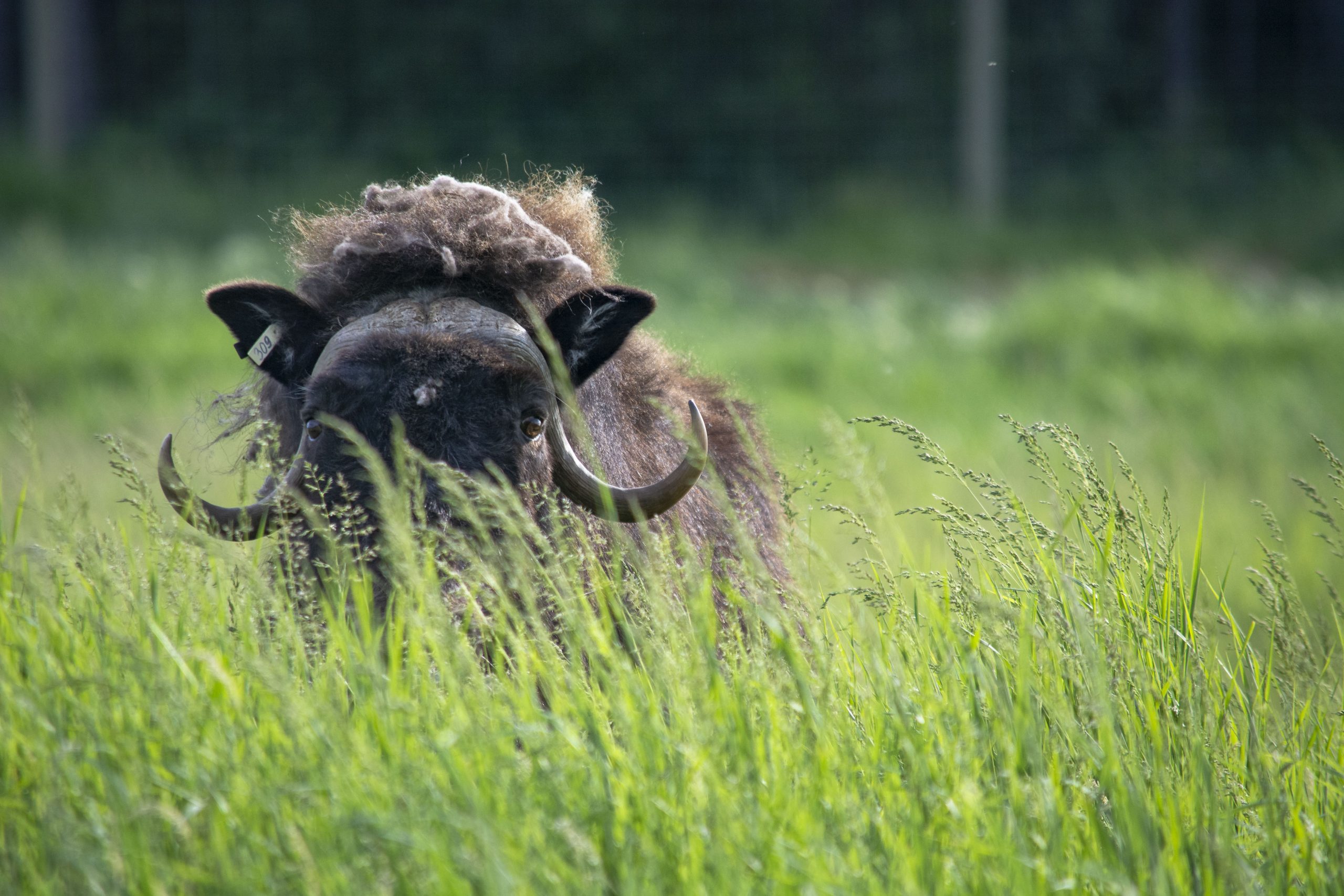
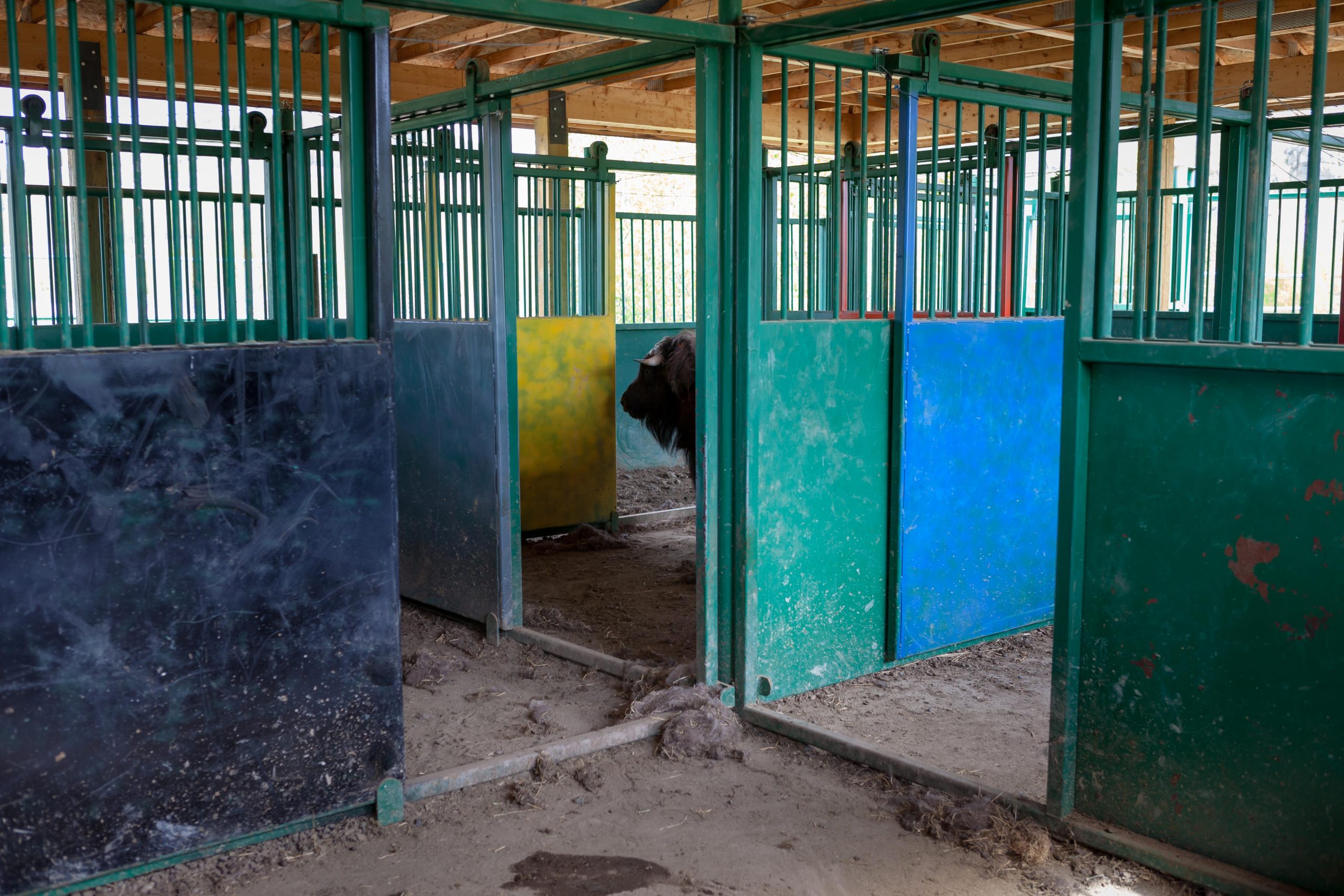
 In the second half of the lower loop we feed the muskox and check in on the elk and bison habitats as we head back to the animal care building. We then head to my favourite animal, the muskox, which is the best part of my day in animal care. These guys have a special metal structure for handling and feeding that limits contact, increases safety for staff and provides shelter for the muskox and muskox supplemental feed.

Muskox do not have feed stations. Instead, they have a metal handling and feeding structure to ensure the safety of both staff and muskox along with the longetivey of the building! Photo credit: J.Paleczny

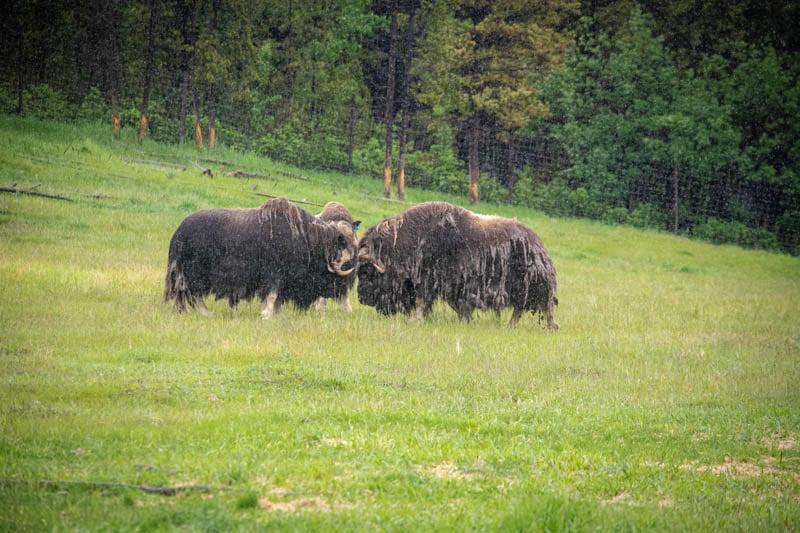
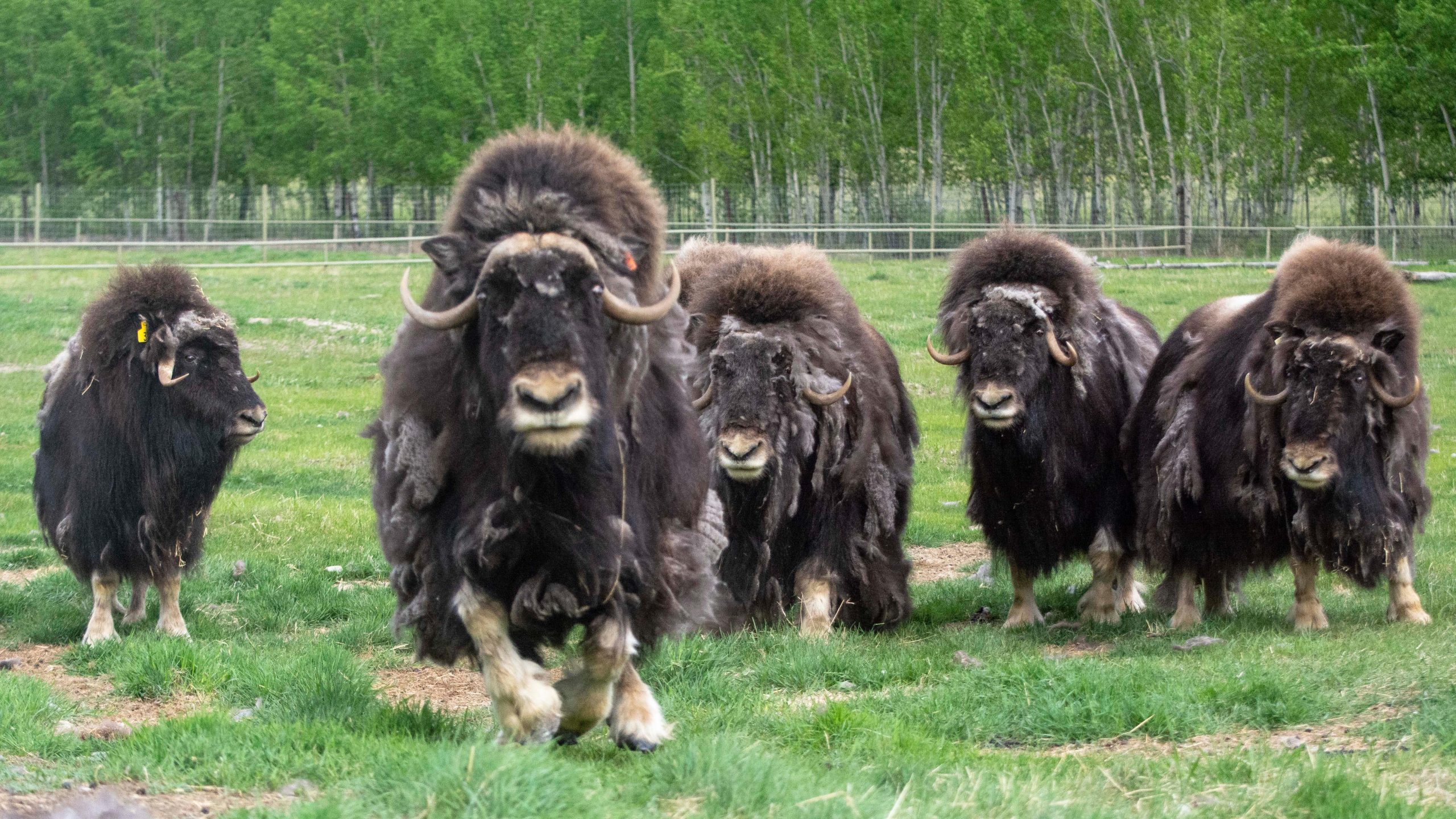
 Muskox are incredibly fierce with a social order that is largely based on an aggressive hierarchy but they are also protective of their herd. There's nothing more intimidating than a territorial, protective and potential in rut (mating season) muskox so it's best to keep your distance.

If the bison or the elk were too far away on my first look I will spend this time counting and watch for behavioral changes on this part of the loop. 

All while this is happening, we have to be wary of our time for feeding our rehab animals on tight schedules. There is also time during the day to do some other tasks like creating habitats for our rehabilitation animals or doing some spring cleaning in some of the collection animals’ habitats. By the time this is all done my arm and back muscles are jelly and I am ready to hand off the torch to the next animal care assistant. 

To conclude my time here at Yukon Wildlife Preserve is an experience I will never forget from feeding my favourite animal (the muskox) to finding a new passion in helping care for animals. While I came for a summer, for work, the Yukon and it's incredible fauna hold a strong place in my heart, summer 2022 can’t come soon enough!  In the meantime and year-round you can go behind the scenes and witness the extreme care and diligent work that is required by Animal Care staff to care for all the animals at the Preserve through a variety of experience and tour options - check it out! 

Abbey Mondor

Abbey Mondor

Wildlife Interpreter & Animal Care Assistant

Abbey joined the preserve the summer of 2021 to continue a lifelong dream of experiencing all three of Canada’s territories. With Nunavut already crossed off, the yukon was the next on her list! Abbey is currently studying biology at the University of Winnipeg making this experience a perfect place for her to put her education to practice! Abbey works both in visitor services and animal care where her desire to care for wildlife has grown. Her favourite part about working on the preserve is learning about all the personalities of the animals here.

Explore by Category

Explore by Author