Meet The North: The Gift that Keeps Giving!

Meet The North: The Gift that Keeps Giving!

human wildlife conflict

by Lindsay Caskenette | Nov 12, 2021

Each of the last 2 years we have had the immense pleasure of connecting with northerners passionate about promoting local, connecting people and place and supporting the Yukon Wildlife Preserve and Yukon's wildlife.  The team is back again this year with new, special and very limited edition Yukon-inspired and Yukon-made wool wear.  
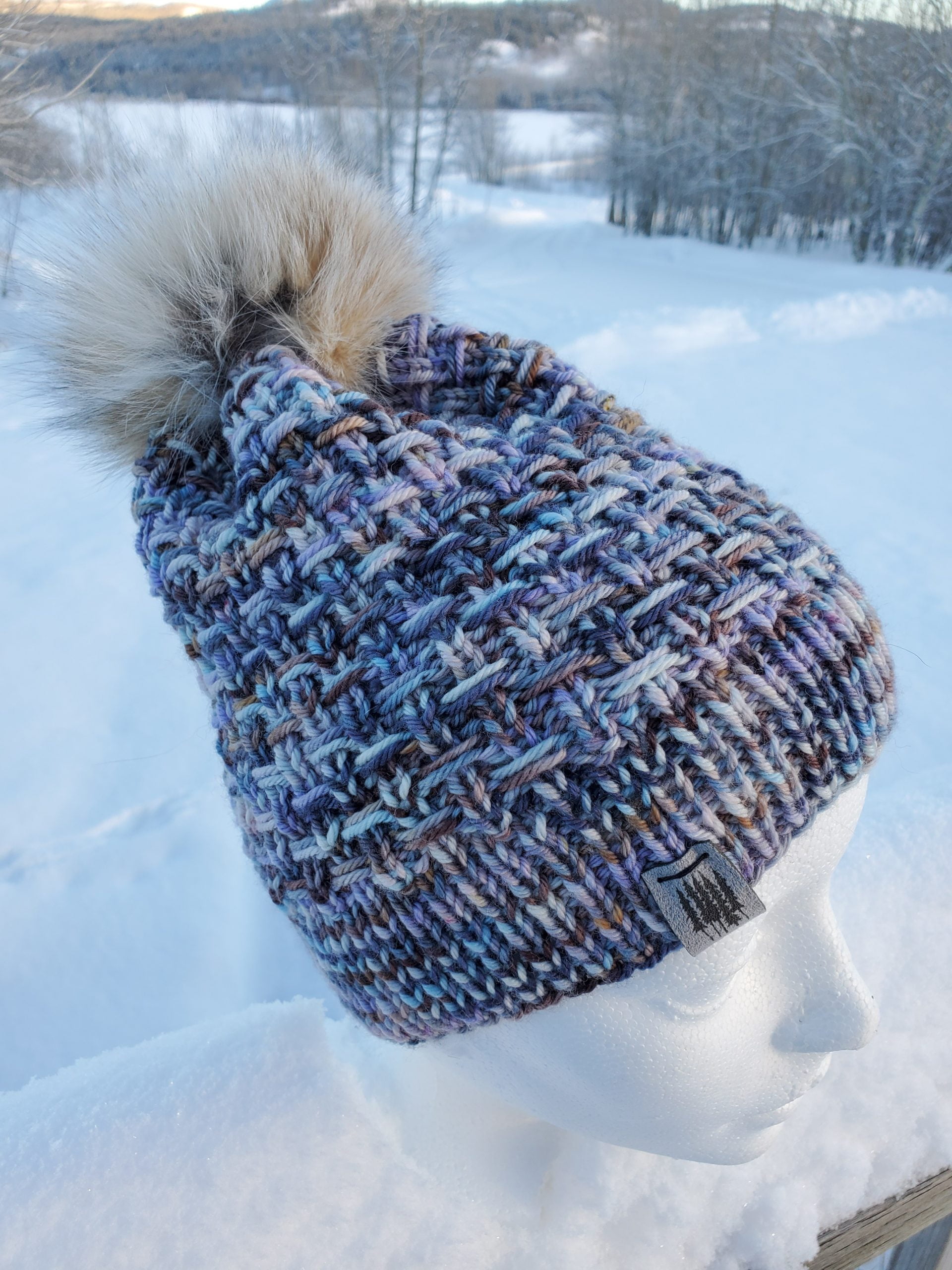
Only 3 hats available!

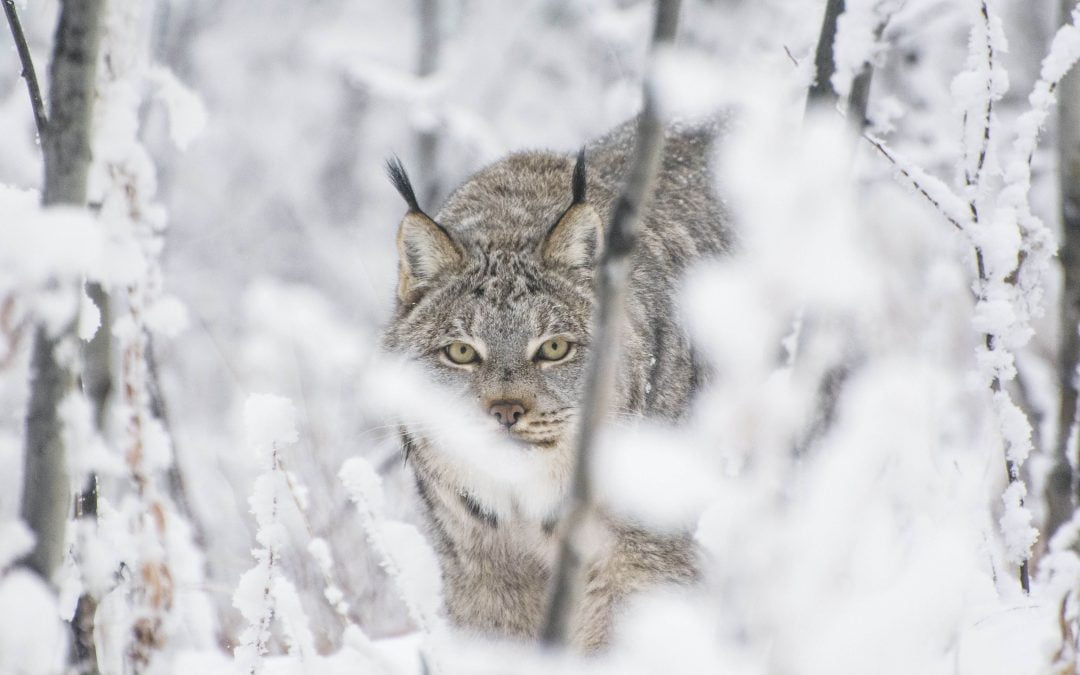
Birds Eye View small batch dye by Crux Fibres with pattern, Autumn Weaves beanie by Lindsay Faciane; hand knitted especially for the Yukon Wildlife Preserve by Liz Sutton adorned with indigenous Yukon-run trapline, sustainably trapped lynx fur pom.

SOLD!

The one-of-a-kind Borealis Hat and Mitt pattern by Liz Sutton can be found on Ravelry if you wish to do your own pattern yourself but the particular Aurora and Blue Lagoon hand-dye from Crux Fibre is one of a kind, especially for the Preserve adorned with sustainably and ethically Yukon trapped coyote fur pom!

The partnerships of these unique businesses and people have continued to grow and we're really excited to release a limited edition toque and special toque and mitt combo for this holiday season - gift giving that keeps giving! These beautiful wool items were made exclusively in the north, inspired by the north and are entwined with passions and care throughout the entire process. The Yukon is home to incredible people who love to celebrate and honour the uniqueness of this land. These knitting wonders directly support the diverse community that makes this place and its people so unique!

These limited edition hats go on sale at the Preserve only on Saturday November 13.

Hand-knitted in Whitehorse

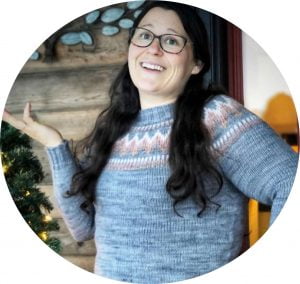
For the 3rd year in a row we are working with the ever-expanding knitting talent, Liz Sutton of Treeline Knits located right here in Whitehorse. Liz has been the cornerstone of this annual project. Year after year, despite a full time job, dog-momming, life duties and personal outdoor passion and pursuits, Liz is eager to weave through it all and dedicate time and energy into lovingly producing one-of-a-kind hand knitted and fashioned wool products, especially for the Yukon Wildlife Preserve.

Northern Inspiration in Hand Dyed 100% Merino Wool

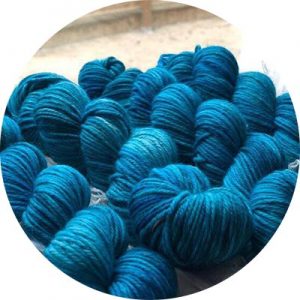
Crux Fibres is a truly northern inspired product of born and raised Yukoner, Brittany Vogt. Her knitting hobby and desire to create her own spectrum of colours inspired by Yukon places close to her heart quickly turned into a business for Brittany. 
"The art of dyeing yarn has become a great avenue to continue my creative expression" and this particular small-batch dye was influenced by a place that holds an extra special connection for Brittany. The "Birds Eye View" she called this small-batch dye, in which Liz used to make the 3 toques, was inspired by place and time. Atop Caribou Mountain overlooking Bennett Lake, on the traditional territory of the Carcross Tagish First Nation,  Brittany realized she was going crazy for John, her now husband. Indeed, intertwined in love, years later a few pictures would further inspire the beauty and colour of this yarn. 
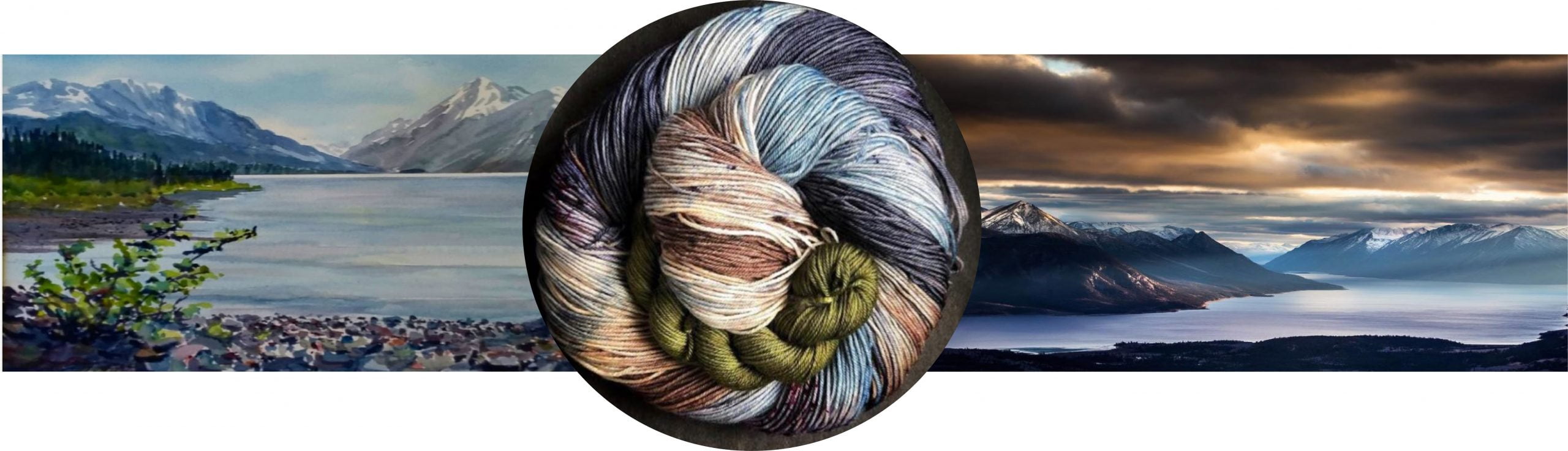
Brittany's inspiration supported through Bennett Lake art from
Left: Edna Bardell Right: Ben Nelms

Every small-batch dye of 100% merino wool yarn originates from South America. Brittany worked hard to source yarn ethically and extend her values of supporting small and mindful businesses like her own.  The one-of-a-kind Aurora Borealis Hat and Mitts used a special blue lagoon dye Brittany did. The very nature of hand-dying in small batches creates variations from skein to skein (even those dyed in the same dye bath) adding even greater uniquesness to each finished product. 

Trapping - In Love & Tradition 

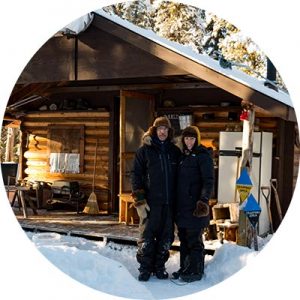
The finishing touches of such a divine piece of art involves a trapline, and a commitment to love, learning, and educating. It may be just a fur pom that adorns these hats but for Vanessa of Yukon Wild Furs it’s an opportunity; it’s the decision to embark on a role as an educator; fulfilling a responsibility while generating a (somewhat unexpected) life from the bounty of the land. Vanessa, along with owning and operating a small store where she sells her art, tirelessly works towards educating and connecting people to a lifestyle rooted in tradition whenever she has the opportunity. This opportunity and responsibility is shared along-side her now husband, George Bahm who is Teslin Tlingit and harvests from the land on his trappline in southern Yukon.
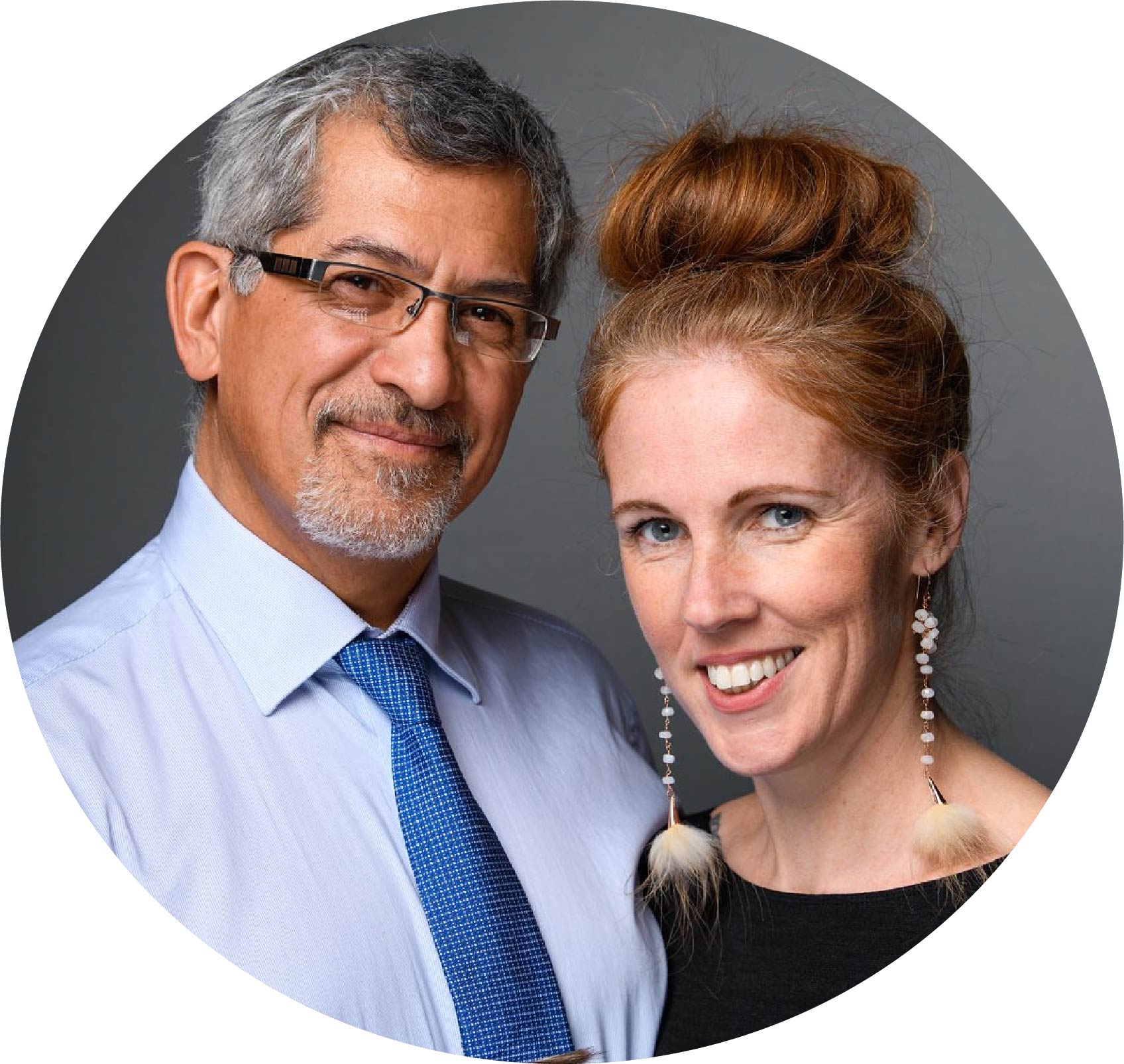
Photo Credit: Alistair Maitland

I have merely glimpsed a fraction of the beauty and teachings that await on the trapline. But I know that this traditional practice, with its skill, stories and lessons, will be lost if the wild fur industry continues as it is. My hope is to protect the importance of what is out on the trail, in the quiet of a fresh snowfall, so that future generations of fur harvesters can reconnect with their ancestors and the teachings that have endured for thousands of years. Trapping is so much more than just harvesting fur.
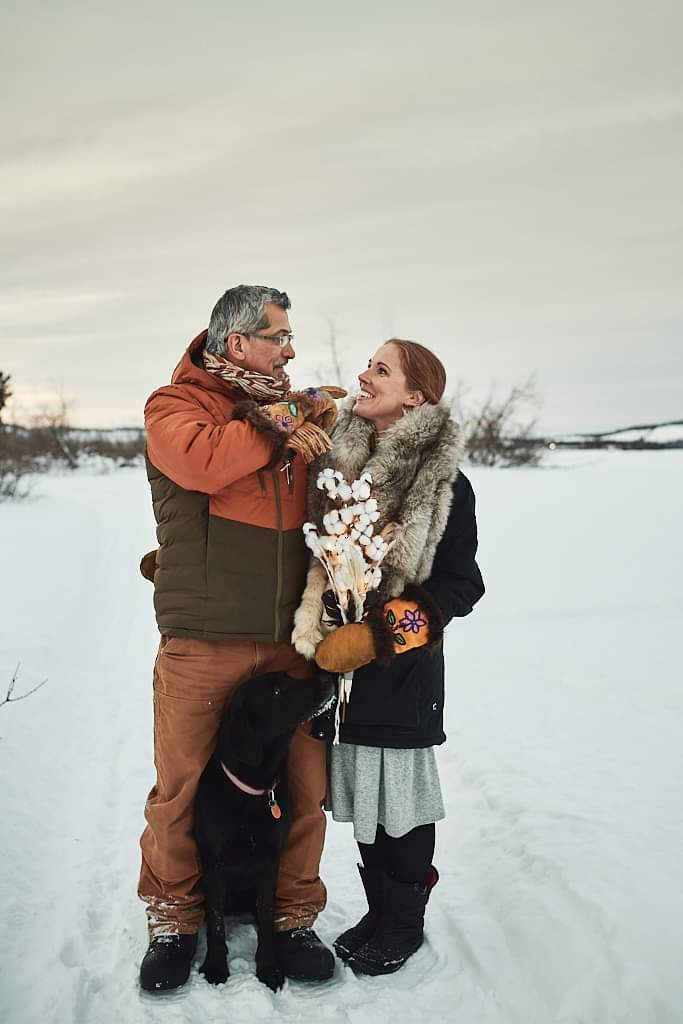
Photo Credit: Erik Pinkerton

When the opportunity came to adorn these hats (for a second year in a row) with sustainable, locally and indegenous trapped wild fur, Vanessa did not hesitate to support. She’s only a single human in this world but one with a strong, deeply rooted goal of using this polarizing issue as a springboard into meaningful conversations wherever they can occur from her store to our Little Gift Shop where these hats will be sold.

To learn more about Vanessa, George and their shared goals check out Truth About Fur

A Community That’s Wild at Heart

The Yukon Wildlife Preserve is a non-profit charitable organization. In the 1970’s Danny Nowlan started accepting and caring for injured and orphaned wildlife at the Yukon Game Farm. Nearly 50 years later the Preserve continues to care for Yukon’s most vulnerable animals. Today we are a living centre of Yukon’s species that connects tens of thousands of people, from our backyard to across the world, to the natural world, each year.

Find out more about what the  donation with the purchase of the hat means for the Preserve at donate.yukonwildlife.ca 
 These toques represent so much more than just a (stunning) fashion accessory to keep your head warm! It embodies your choice to value the connections with the people and places of this territory; to support local; to share a love of something on a deeper level; to support Yukon’s wildlife. By purchasing this hat, you are supporting the people, their businesses and the land and animals of the north - Liz Sutton of Treeline Knits, Yukon Wild Fur and local trappers, Brittany Vogt of Crux Fibres, Yukon Wildlife Preserve - Wildlife Rehabilitation and a community that is wild at heart!

Lindsay Caskenette

Lindsay Caskenette

Manager Visitor Services

Lindsay joined the Wildlife Preserve team March 2014. Originally from Ontario, she came to the Yukon in search of new adventures and new career challenges. Lindsay holds a degree in Environmental Studies with honours from Wilfrid Laurier University and brings with her a strong passion for sharing what nature, animals, and the environment can teach us.
867-456-7400
Lindsay@yukonwildlife.ca

Explore by Category

Explore by Author

Misunderstood Moose

Misunderstood Moose

human wildlife conflict

Sep 25, 2020

5 min read -

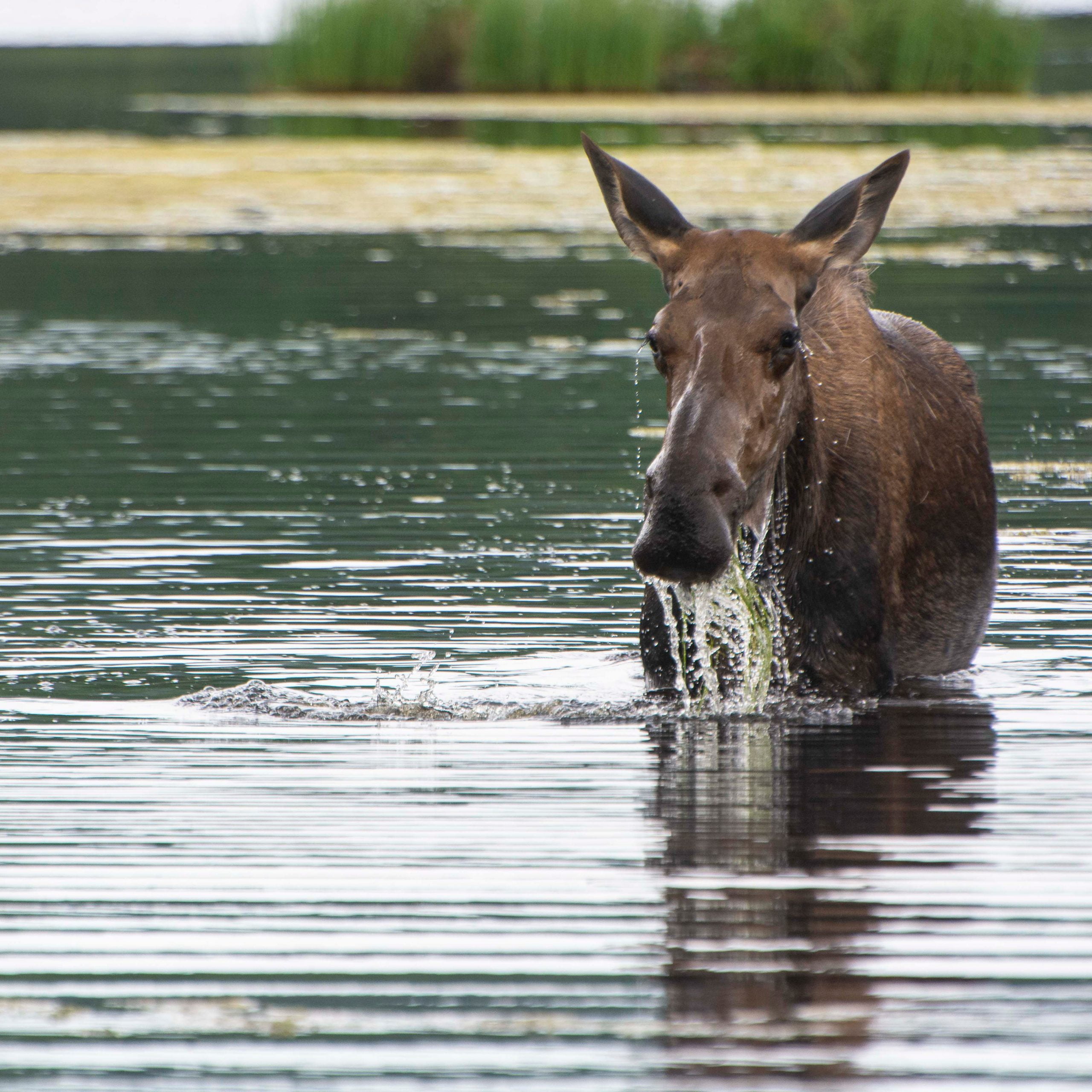
You have most likely heard the phrase “Don’t judge a book by it’s cover”, implying that captivating stories can be hidden behind bland book covers. Similarly, at one time or another many of us have been judged or have judged others based on their outward appearance. Judging others based on their appearance can lead to us underestimating other people's abilities. Have you ever been underestimated? How did it feel? Due to their funny-looking, long snouts, and gangly, plodding bodies, moose are often underestimated. People tend to view moose as gentle, slow-moving animals, and often don’t associate moose with characteristics such as agile and fierce. Cartoons1Like Bullwinkle the Moose can perpetuate this impression by displaying moose as slow, friendly Canadians. But don’t be deceived by this common misperception. Though moose may look unassuming, they are capable of performing impressive athletic feats in order to find food and avoid predators.

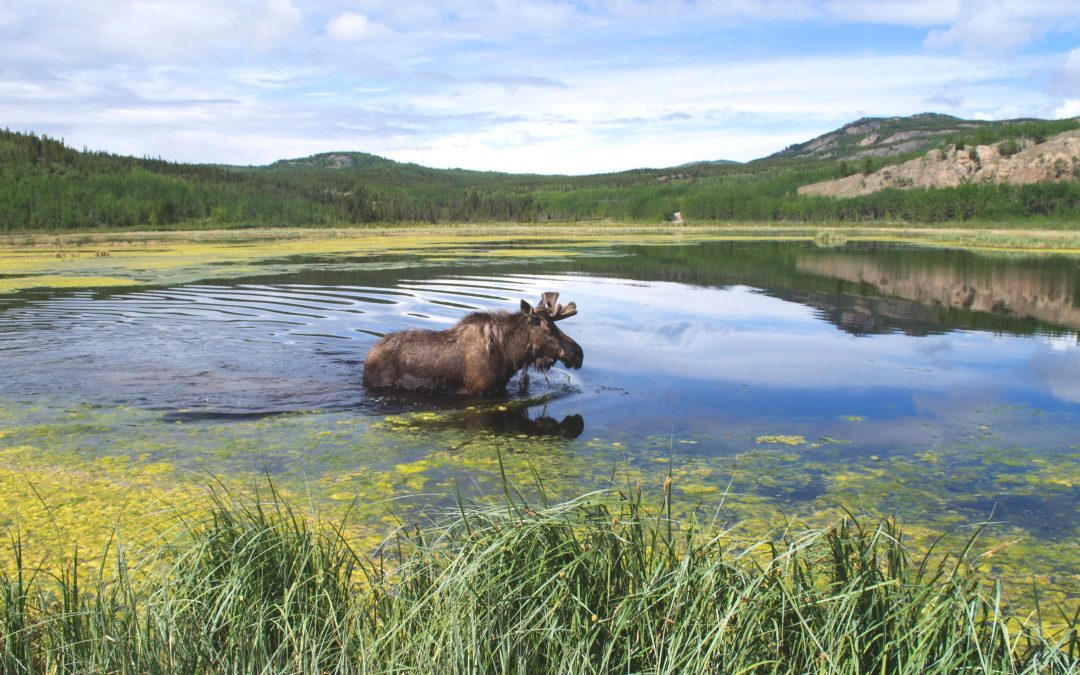
Despite their appearance, moose can easily propel themselves through water in order to find food. While otters, beavers, and other mammals that are known for their swimming ability have lean bodies and webbed feet which allow them to easily glide through the water, moose are heavy-set and have hoofed feet. Despite their size and hooved feet, moose have the advantage of being tall, and their long legs help propel their large bodies through the water. Moose also have hollow hairs, which help them stay buoyant while swimming.2National Park Service With these advantages, moose can swim as fast as 9.5 km per hour. By comparison, most humans only swim at the pace of 3 km per hour. Moose’s ability to swim quickly allows them to travel in search of food while reducing stress on their joints. Water also helps protect moose from predators because it is more difficult for predators to sneak up on them when they are in the water.3Moose Facts 

Moose swimming across Lake Laberge.  Photo credit D. Caldwell.

Photo Credit Johanna Marglowski

Moose also have adaptations that allow them to dive underwater to eat nutrient rich aquatic plants.4National Geographic To prevent water from rushing up their noses, moose have flaps that close in their nostrils. These flaps allow them to hold their breath underwater for up to 50 seconds5Holding breath Ecology and Management of the North American Moose and help them to dive up to 6 m (20 ft) underneath the water surface!6Hinterland Who's Who After a winter of sparse food resources, aquatic plants provide essential energy to both pregnant cows (female moose), and to bulls (male moose) as they regrow their antlers.

In addition to swimming, moose are also capable of running at high speeds. Being the tallest member of the deer family, a moose can stand around 6 feet tall at the shoulder, which is as tall as some professional basketball players.7National Geographic Even though moose might be too gangly to make great basketball players, their height and long legs allow them to run very fast. A moose calf can outrun the average human after only 5 days of life,8National Geographic while an adult moose can charge at a pace of 56 km per hour, and maintain a pace of 32 km per hour over longer periods. For perspective, during his world record 100 metre dash Usain Bolt ran at an average pace of 44 km per hour. However, moose do not run fast to set world records, their speed provides them protection by enabling them to run away from wolves and other quick-moving predators.

Furthermore, despite the perception of being friendly, moose are actually effective fighters. Though they sometimes use their speed to outrun predators, an experienced and healthy moose is capable of defending itself against wolves by standing its ground and fighting.9Wolves of the Yukon by Bob Hayes Moose will protect their sides by standing next to trees and high shrubs, and then use their powerful legs to stomp or kick attacking wolves, hitting them with their deadly hooves. A powerful strike from a moose’s sharp hooves can result in injury to or even kill a wolf. 

Even young moose are large animals.  The photos show 2 moose bulls; on the left a young 1 year old and on the right a more mature bull of many years of age.

So, are moose really the plodding, polite animals that cartoons depict them as? Have you ever underestimated moose based on their goofy-looking appearance? As we have seen, instead of being slow, and plodding, moose are impressive athletes. Moose are capable of swimming through and under water, which allows them to more easily travel in search of food and access the nutrients they need during pregnancy and to grow antlers. Moose are also capable of running at high speeds and of fighting off other animals, which helps them survive attacks from wolves and other predators. Each of these athletic capabilities are important survival mechanisms that help moose thrive in the wild.

Tasha Mazurkewich

Tasha Mazurkewich

Wildlife Interpreter

Tasha is a self-proclaimed animal enthusiast and adventurer. Originally from British Columbia, she enjoys skiing, hiking, and all things outdoors. She is happiest when she is climbing a mountain with her pup. Having recently moved up north, she has enjoyed learning about Yukon’s wildlife and landscape and is excited to share the new knowledge she has learned with visitors to the wildlife preserve

Explore by Category

Explore by Author

Rehabilitation – A Wild Success

Rehabilitation – A Wild Success

human wildlife conflict

by Jake Paleczny | Aug 22, 2020

1 min video - 

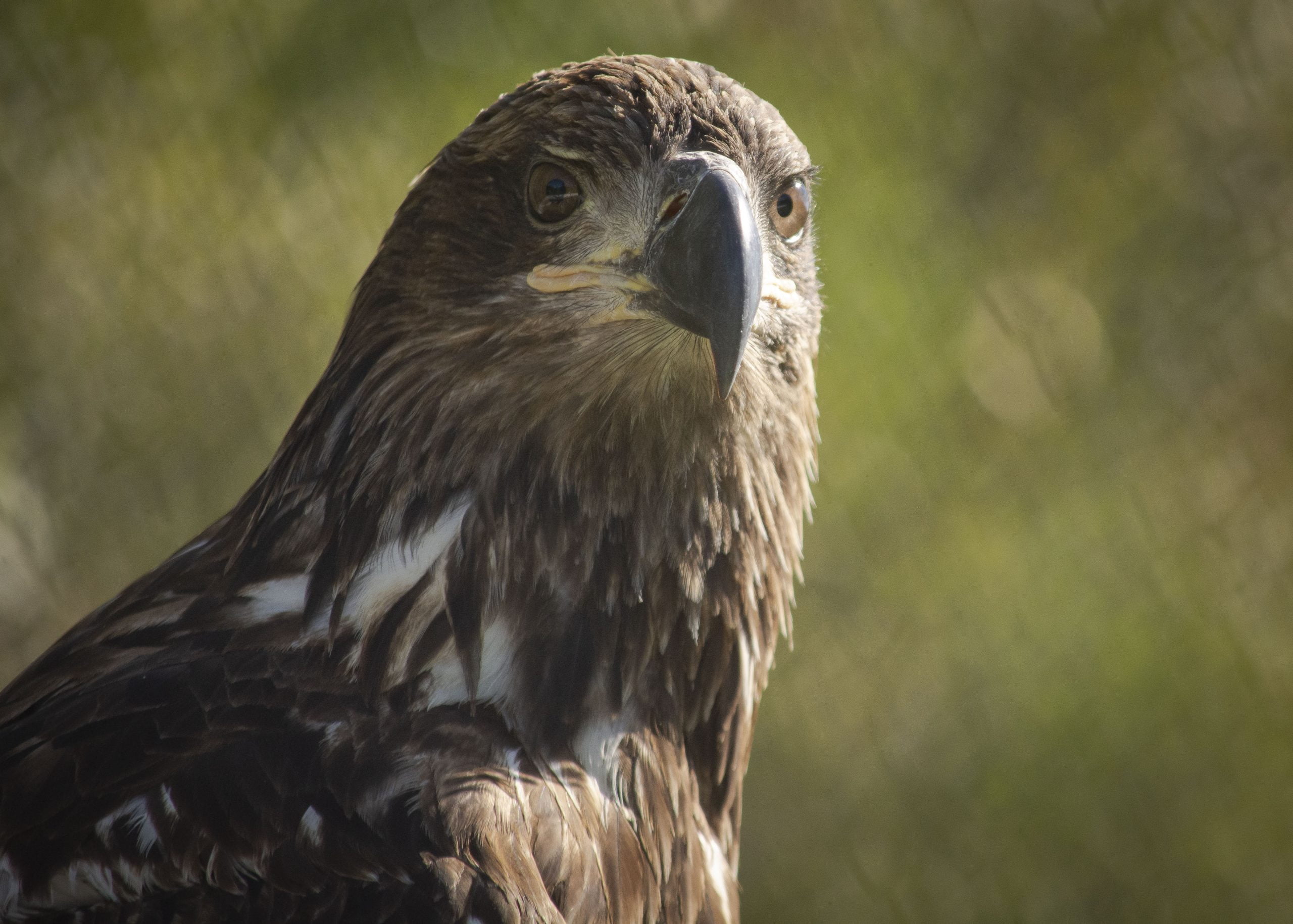
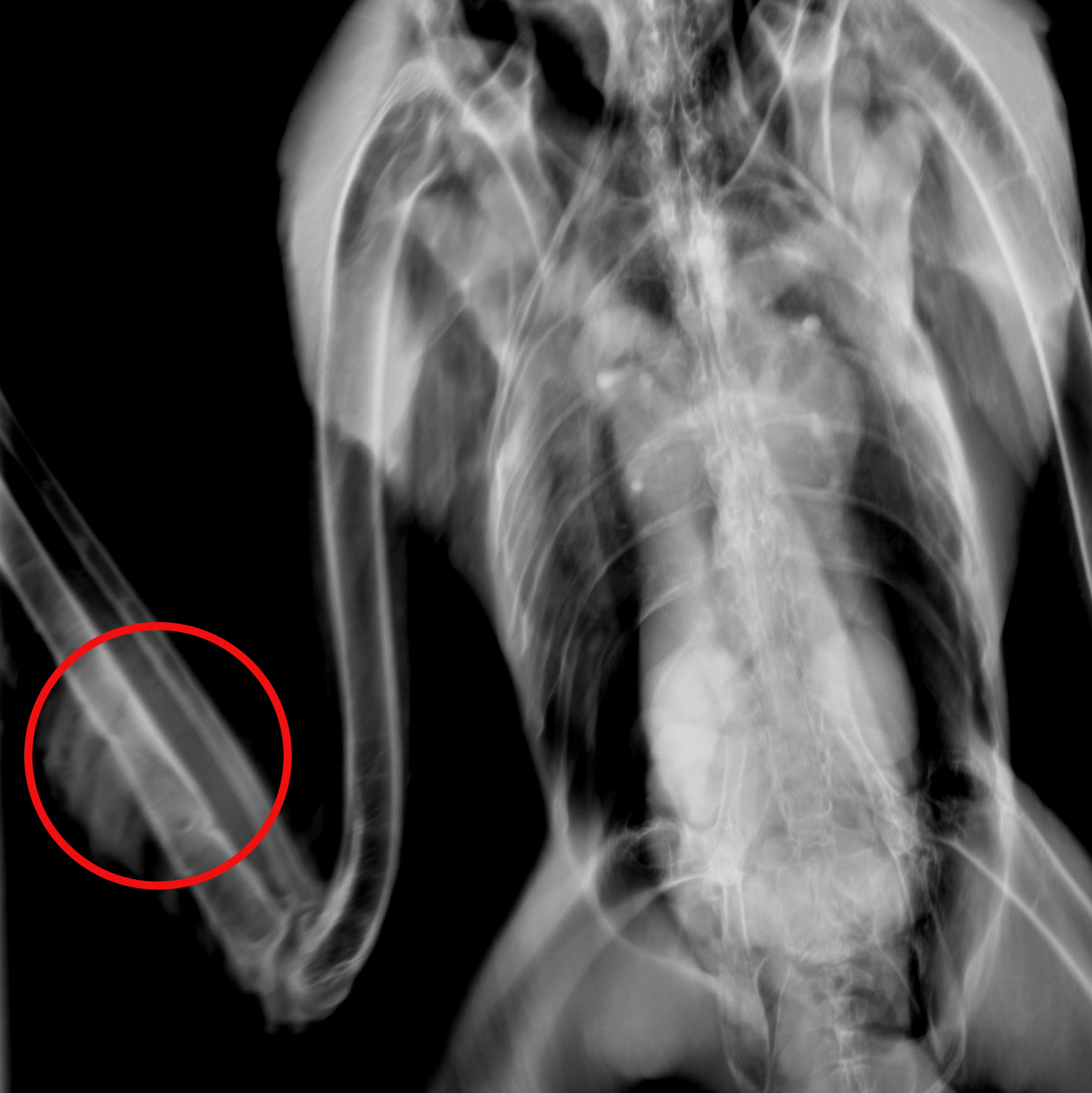
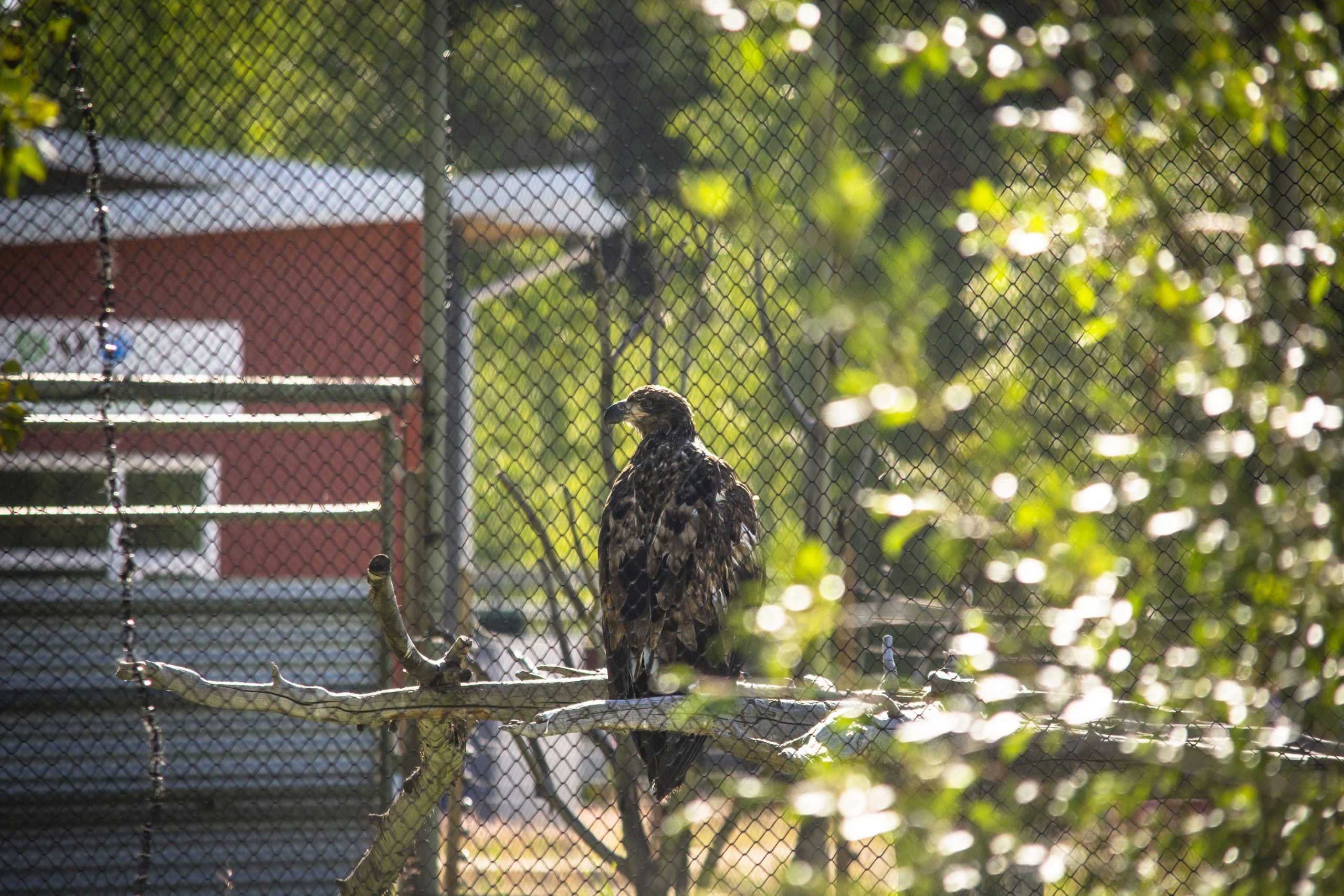
This juvenile bald eagle came to the Wildlife Rehabilitation and Research Centre in early July after it was found near Icy Waters on Fish Lake road, seemingly flightless. 

An X-ray revealed an infection.  Dr. Maria Hallock started the eagle on a course of antibiotics

The eagle was X-rayed upon arrival and it was noted that the eagle was suffering from an infection in the right wing. Dr. Maria Hallock started a round of antibiotics hidden in food.  The eagle was very reluctant to consume the medication - finding the pill in the food and spitting it out, making its recovery challenging, to say the least. 

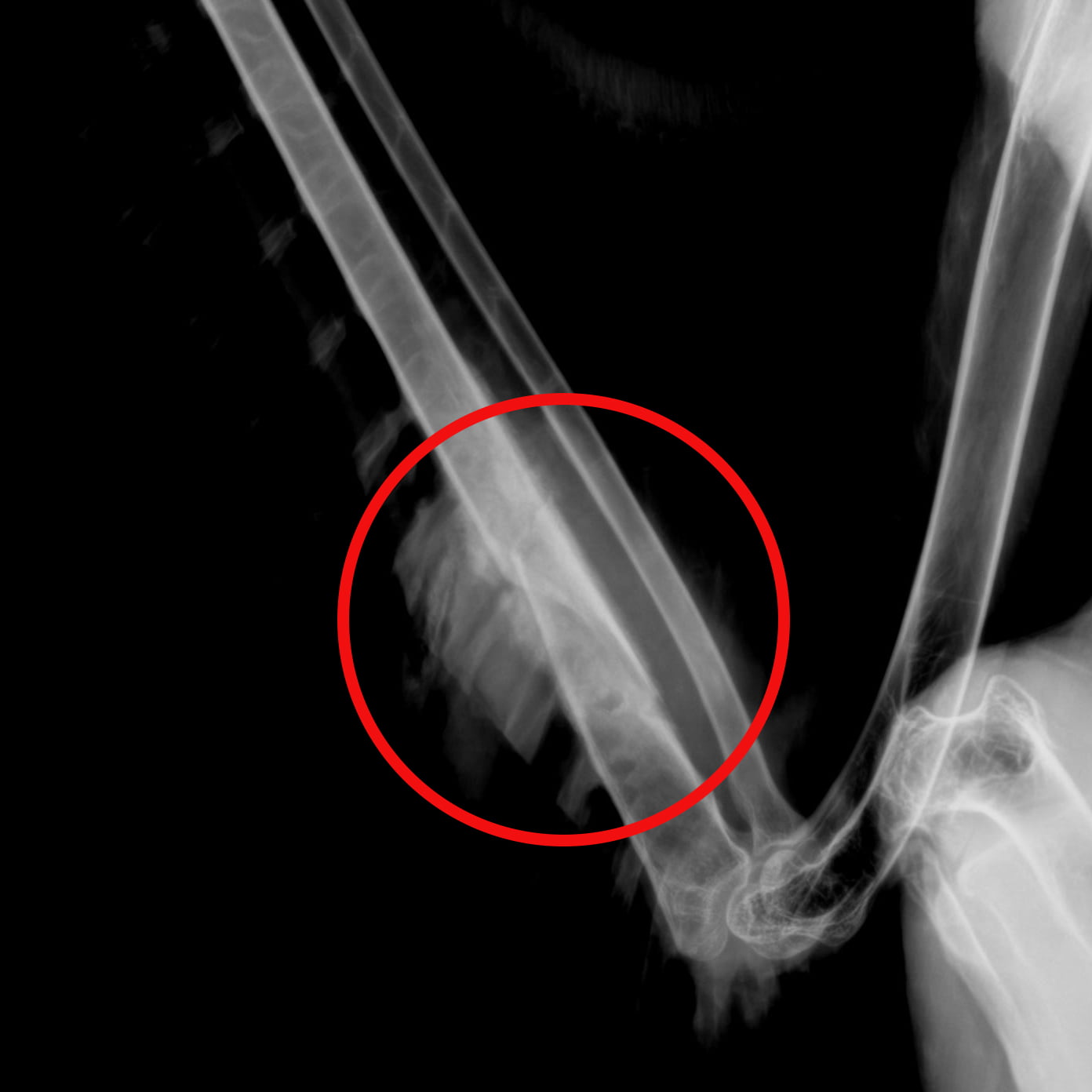
Performed after initial healing time and antibiotics bring down the infection that obscured the initial observation, this second X-ray showed a fracture to the ulna.

With more creative hiding of the medication, a week passed and a second x-ray was performed where the Animal Care team was able to see a clear fracture to the ulna, within a perfect setting and healing process.

After a  couple more weeks of antibiotics and rest - the eagle was moved to our outdoor flight pen where the individual could be seen by public.

Over the next few weeks the eagle built its flight muscles and strength with the goal of being released back in to the wild.

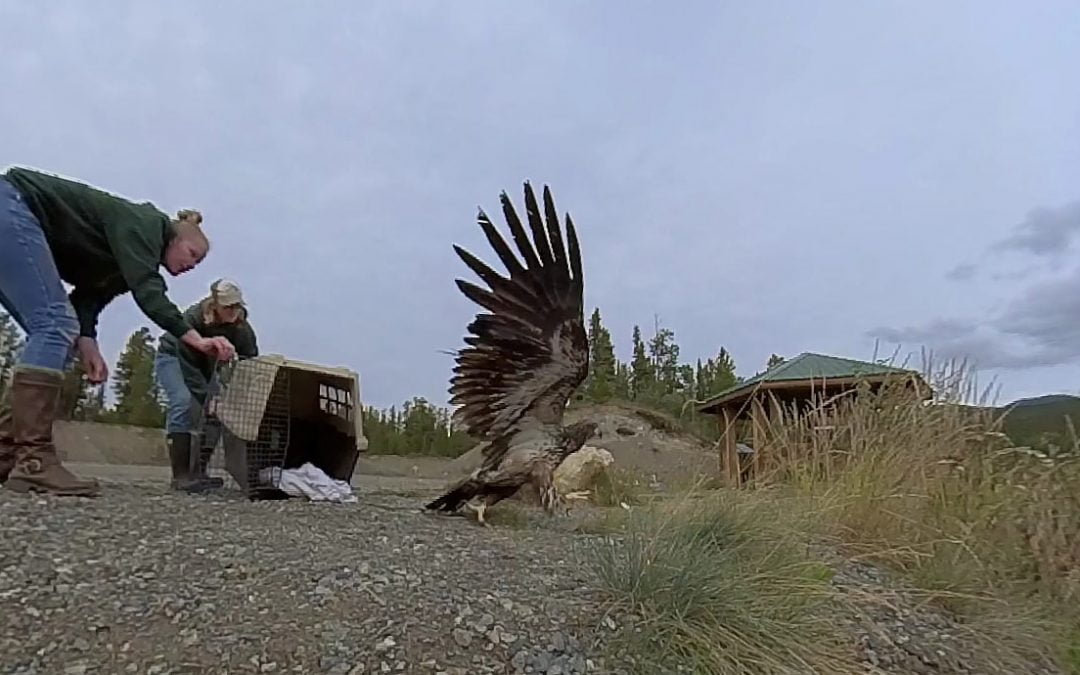
On August 21, the Animal Care team released the eagle successfully to the wild, in the MacIntyre marsh area, near the same location it was found.  It's always incredibly rewarding to give wildlife a second chance at life in the wild.

Jake Paleczny

Jake Paleczny

He/Him - Executive Director/ CEO

Jake Paleczny is passionate about interpretation and education. He gained his interpretative expertise from a decade of work in Ontario’s provincial parks in addition to a Masters in Museum Studies from the University of Toronto. His interests also extend into the artistic realm, with a Bachelor of Music from the University of Western Ontario and extensive experience in galleries and museums.

867-456-7313
jake@yukonwildlife.ca

Explore by Category

Explore by Author

Red Fox in 360 Video

Red Fox in 360 Video

human wildlife conflict

by Erin Jamieson | Jun 15, 2020

4.5 min video - watch in either English or French -

Wild and curious Red Foxes are a common sight in the Yukon. The natural adaptability and resourcefulness of this species makes them well-suited to coping with human presence, but sometimes they need us to remember that they are wild animals. To learn more, watch this curriculum based video for schoolkids of all ages and then check out our website!

Red Foxes are very curious and highly adaptable members of the Canid Family.  People often love to see foxes and enjoy being close to wildlife, but the temptation to feed them can cause problems.  Unlike the Red Fox in this photo who has been raised in human care, wild foxes can and should hunt their own food.  To make sure that wild foxes don’t come too close, we can keep things that attract them out of their reach. Keeping garbage, pet food, and anything that they might eat or steal kept safely out of the way is essential.

Les Renards roux sauvages et curieux sont communs à voir au Yukon. L’adaptabilité naturelle et l’ingéniosité de cette espèce les rendent bien adaptés à la présence humaine, mais il faut se rappeler qu’ils sont des animaux sauvages. Pour en apprendre plus sur les renards roux, regardez cette vidéo pour les étudiants - de toutes âges, et visitez notre site web!

Education Team

Education Team

This 360 video is brought to you by the hard work and creativity of the Education team at Yukon Wildlife Preserve.  French translation for 2020 has been provided by Anna Tölgyesi.

Explore by Category

Explore by Author

Gifts of the North

Gifts of the North

human wildlife conflict

by Lindsay Caskenette | Dec 17, 2019

This time last year we released a very special limited edition hat (or toque as we Canadians like to call it). It was the product of generous Yukon businesses who care about Yukon's wildlife.  The 5 premium toques included a donation to the Preserve. They sold out in just a day and a half!

The partnerships have continued to grow and we're really excited to release 2 different limited edition toque styles (4 available of each style) again this Christmas! These toques were made exclusively in the north, inspired by the north. The Yukon is home to incredible people who love to celebrate and honour the uniqueness of this land. This hat directly supports the diverse community that makes this place and its people so unique!

These limited edition hats go on sale at the Preserve on Friday, December 20th.

Hand-knitted in Whitehorse

Last year we were fortunate enough to connect with a very under-the-radar knitting talent, Liz Sutton of Treeline Knits located right here in Whitehorse. Liz, like the other featured small business owners, weaved from passionate hobby into notable entrepreneurs. She balances this passion with a full time job, a love of running and sharing time with friends and her fluffy companions in Yukon’s grand landscapes. Each of these 8 hats were hand knitted and fashioned by Liz Sutton, especially for the Yukon Wildlife Preserve.


Toque 1: Local Hand Dyed 100% Candian Merino Wool

For the first toque, Liz sourced her wool from a little northern yarn shop with a big heart called Itsy Bitsy Yarn Store, located in downtown Whitehorse. The owner, Heather Sealey pours her heart into her store, into sharing her love and knowledge of knitting to every customer she encounters, and into encouraging and inspiring the local and northern flare.

Heather prides herself on working with other local proprietors who produce yarns, locally made wood and antler buttons, other Yukon made accessories, and in the case of this hat, local hand-dyed yarns. Crux Fibres is a product of local Brittany Vogt whose little hobby quickly turned into a business, “Dyeing yarn became an avenue for my deep desire to master creative arts. Playing with professional dyes and quality yarn isn’t easy, it’s a real challenge, but once you get over that crux, that difficult part and start to see the complimentary dance in the water, a real beautiful thing happens. A tapestry of colour emerges”. Who doesn’t love when passion turns into profit and pride in a beautiful piece of art. The wool Brittany uses is 100% Canadian merino wool.


Toque 2: Canadian Muskox Qiviut Blend

For the second toque, Liz worked with Itsy Bitsy Yarn Store to source qiviut from Nunavut Qiviut.

Nunavut Qiviut in turn sources arctic fibres from the Kugluktuk area of the Yukon’s more eastern territorial neighbour, Nunavut. Here, and across the circumpolar north, wonderfully woolly, ice-age creatures roam the barren landscape. Muskox are formidable animals of the arctic whom managed to survive an era that most animals (including the woolly mammoth) did not. Muskox are both a majestic and extraordinary creature, not only because of its luxurious fibre but its remarkable place in history. Today, muskox continue to provide an incredible and valuable support system to the people and communities of this shared landscape.

The Inuit name for muskox is Umingmack, “the animal with skin like a beard.” The undercoat wool belonging to this animal gives it the ability to thrive in the extreme arctic environment but also is an animal harvested by Inuit’s for traditional purposes like winter sleeping mats, protein for elders and families.

Nunavut Qiviut works with these local harvesters and community members to purchase the qiviut wool for fibre production. This on the ground activity by Nunavut Qiviut supports food security, a wage economy, cultural continuity and traditional Inuit lifestyles in an ethical and fair manner.

Sustainably Trapped in the Yukon

A toque isn’t complete without a pom-pom. This year, Liz sourced furs through the Yukon Trappers Association and Yukon Wild Furs. Yukon Wild Furs donated locally and sustainably harvested lynx from Indigenous trapper and educators, George Bahm and Chris Hobbis’ trapline located in the South Canol Road area.

Owner of Yukon Wildlife Furs, Vanessa Aegirsdottir, might possibly have the smallest gift shop in the Yukon in square feet. But her mission is huge: “being an education beacon for Indigenous culture and worldviews”.

Bahm also sees great value in sharing fur harvesting practices with consumers and their relationship with the land. Wild fur trapping can be sustainable, ethically sourced and support traditional lifestyle when a fair price is offered for the fur as opposed to farmed furs.

To the people who buy them, Bahm said they’re deepening their connection to the Yukon and the people who’ve trapped for generations.

I tell people that when they’re wearing fur we ask them to be mindful of the fact that an animal has given its life so we can adorn ourselves with its feathers, with its fur and by wearing those items they’re forever in a relationship with an animal. It’s more than just a pair of earrings.

A Community That’s Wild at Heart

The Yukon Wildlife Preserve is a non-profit charitable organization. In the 1970’s Danny Nowlan started accepting and caring for injured and orphaned wildlife at the Yukon Game Farm. Nearly 50 years later the Preserve continues to care for Yukon’s most vulnerable animals. Today we are a living centre of Yukon’s species that connects more than 30,000 visitors to the natural world, each year.

Find out more about what the  donation with the purchase of the hat means for the Preserve at donate.yukonwildlife.ca .

These toques represents so much more than fashion and warmth! It symbolizes the values and lifestyles of this unique territory and the people and animals that call it home. By purchasing this hat, you are supporting the people, their businesses and the land and animals of the north - Liz Sutton of Treeline Knits, Itsy-Bitsy Yarn Store, Yukon Wild Fur and local trappers, Brittany Vogt of Crux Fibres, Nunavut Qiviut, Yukon Wildlife Preserve - Wildlife Rehabilitation and a community that is wild at heart!

Lindsay Caskenette

Lindsay Caskenette

Manager Visitor Services

Lindsay joined the Wildlife Preserve team March 2014. Originally from Ontario, she came to the Yukon in search of new adventures and new career challenges. Lindsay holds a degree in Environmental Studies with honours from Wilfrid Laurier University and brings with her a strong passion for sharing what nature, animals, and the environment can teach us.

867-456-7400
Lindsay@yukonwildlife.ca

Explore by Category

Explore by Author