1 Mosquito, 2 Mosquito . . .

1 Mosquito, 2 Mosquito . . .

yukon

by Joelle Ingram | Jan 7, 2021 | 4 comments

This article was made possible thanks to support from the Environmental Awareness Fund. Engage and educate yourself in this 10-part blog series, about Yukon Biodiversity.

10 minute Read plus 3:47 minute video. Banner image photo credit: John Borden.

Mosquitoes: the blood-sucking embodiment of tinnitus. Let’s talk about them. If you are a Yukon resident, I’m sure you are painfully aware that our triangle shaped territory plays host to a truly astonishing number of these whining winged menaces. They rise from their slumber in early spring before the ice has even left the lakes to make all your outdoor activities a little bit more annoying. And itchy.
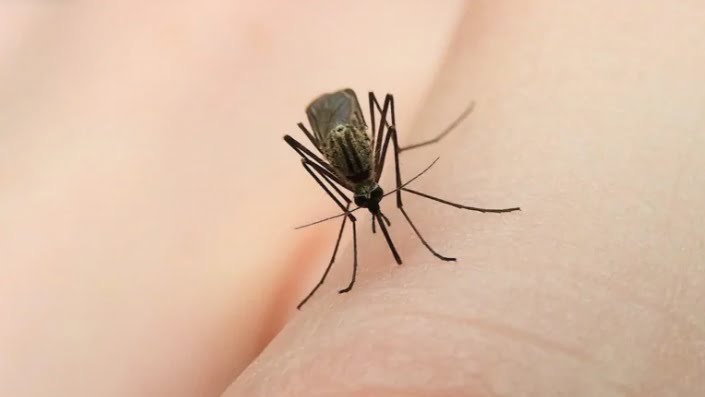
Photo Credit: Dan Peach

Mosquito evasion is a popular summer pastime here in the North so it might seem wild that people would actively seek out mosquitos but that’s the case for many entomologists who go out and willing get bitten by these bugs for science. Dr. Dan Peach from the University of British Columbia recently conducted a mosquito study in the Yukon which identified thirty odd different species of mosquitos including a few that have never been recorded in the territory before!
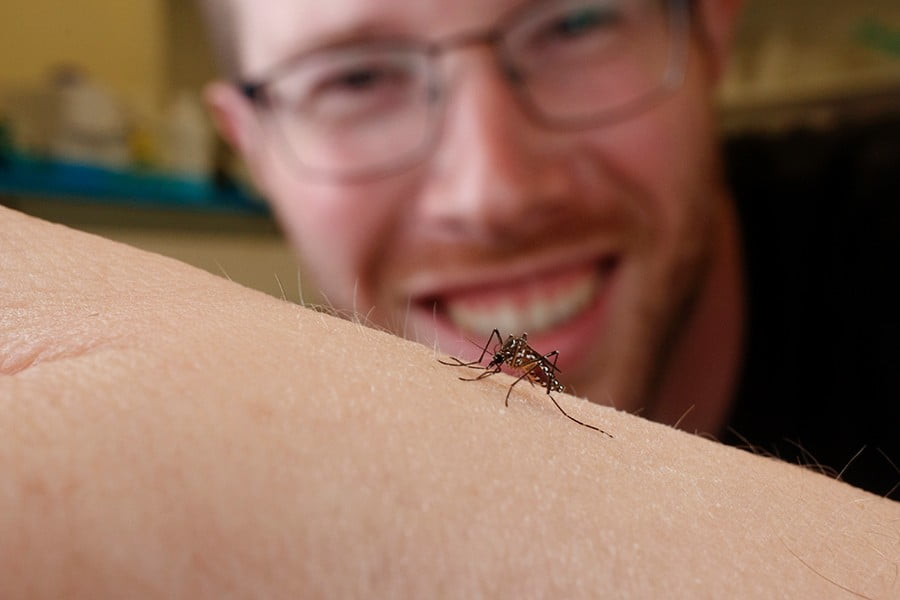
Dan Peach, a PhD candidate in SFU’s Department of Biological Sciences, feeds a mosquito. Photo Credit SFU News.

Researchers use the shape and relative size of a mosquito’s body parts to identify which type it is as well as scale patterns, colour, and hairs. Obviously, identifying these traits on an insect that could comfortably hang out on a dime isn’t easy. Mosquito identification usually requires a microscope, but experienced researchers can identify different species with the naked eye if the mosquito is holding still. It’s a weird party trick but you could get a lot of mileage out of it during a Yukon summer.
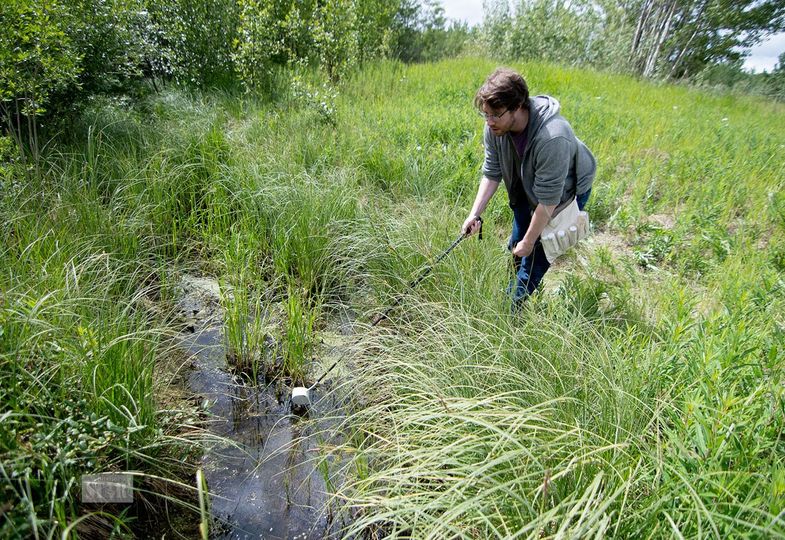
In his studies, Peach has had to be bitten by mosquitos more than 100,000 times. In the works for him is a peer-reviewed guide to Yukon mosquitos. This photo was taken during Yukon Wildlife Preserve-hosted Yukon Bioblitz in summer 2020. Photo Credit: Vince Federoff, Whitehorse Star

The Yukon actually has a long a long history of mosquito research; the first formal record of a mosquito collected in the territory was in 1904. That being said, mosquito surveys aren’t frequent. Before Dr. Peach’s survey, the last mosquito collecting spree was conducted in the early ‘70s. Now you may be asking yourself, “why oh why would anyone want to survey mosquitoes?”

Just like any survey related to biodiversity, it’s important for understanding and monitoring our local ecosystems and improving our understanding of our planet as a whole. Just because something is horrible and bitey doesn’t mean it isn’t ecologically significant and interesting. For example, you may or may not know that only female mosquitoes drink blood while males stick to a diet of plant nectar. That’s right, mosquitoes are pollinators just like bees, bats, butterflies, and… other creatures whose names may or may not start with B. Female mosquitoes also drink plant juice but they do need additional protein to produce eggs and that’s where the blood portion of their diet comes in.
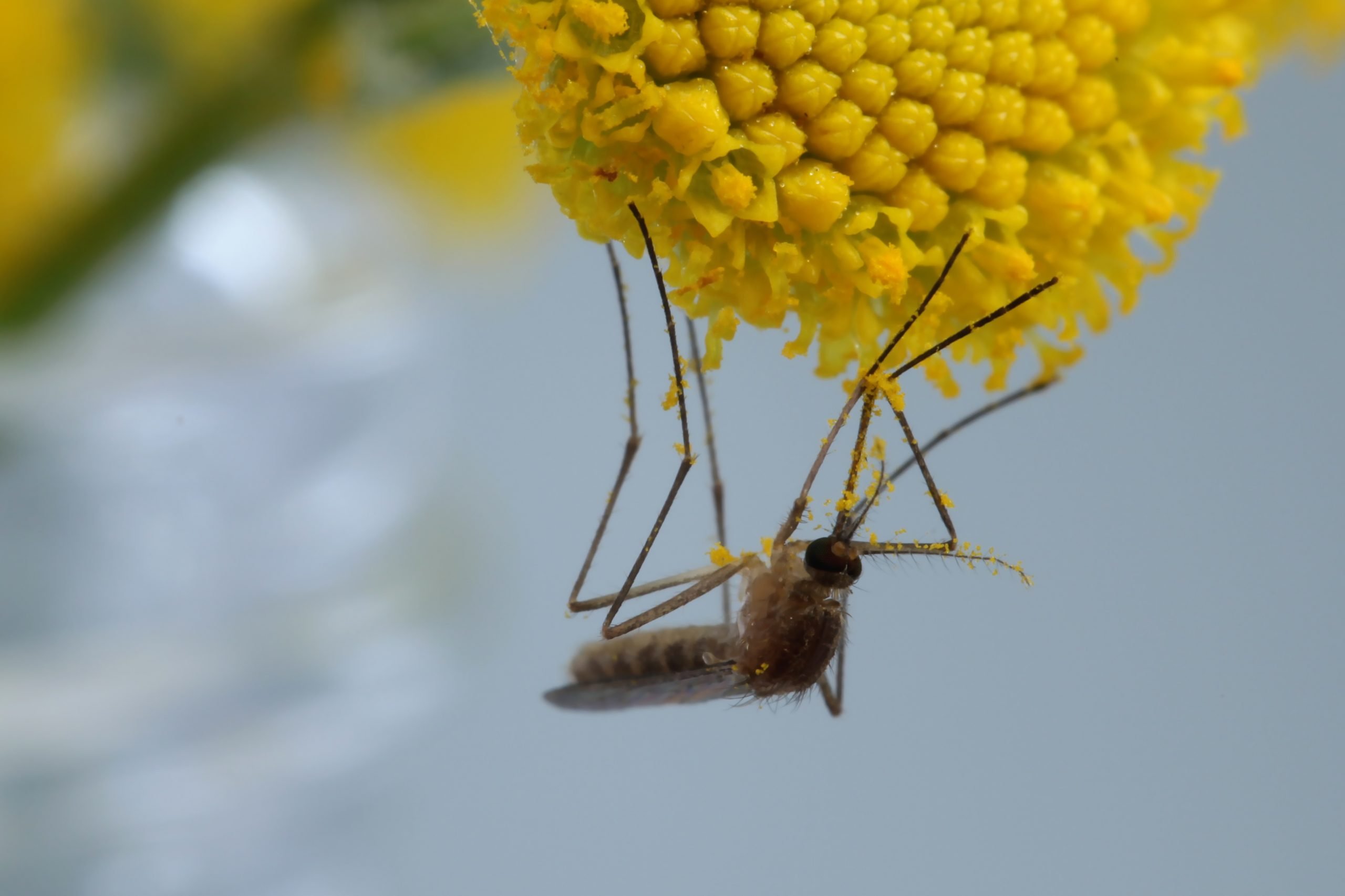
A female Culex pipiens cleans tansy pollen from her proboscis. Photo Credit Mike Hrabar.

Because there is such a diverse array of mosquitoes in the Yukon, I’m not going to get into all of them here (if you want the complete list of every type of mosquito identified in the Yukon, check out Dr. Peach’s mosquito guide for all your mozzie needs coming soon). Instead, I’d like to offer you a sampler pack of what the Yukon mosquito community has to offer starting with my personal favourite, Culex territans. When you’re being eaten alive by clouds of biting bugs during the summer months, I can almost guarantee that none of them are C. territans. See, unlike many other species of mosquito, C. territans rarely if ever feed on warm blooded creatures and instead feed exclusively on amphibians. Amphibians, you know, like frogs. Frogs who are notorious for eating bugs. Bold move, C. territans!

Anopheles earlei is sometimes referred to as “Canada’s national mosquito” and it’s not because it smells of maple syrup and has strong opinions about hockey. During the winter, we are blessedly bug free as they all either die or go into hibernation. Canada’s national mosquito got its title due to its interesting hibernation habits: the females like to hibernate en masse inside beaver lodges! Another fun fact about A. earlei is that before the 2020 Bioblitz (a biodiversity survey conducted in a specific area for a limited amount of time. In this case, our very own Wildlife Preserve!), this particular mosquito hadn’t been reported in the Yukon since 1919, a whole entire century ago.

Footage from Dr. Dan's visit during the 2020 Yukon Bioblitz conducted at the Yukon Wildlife Preserve. Video shot and edited by Jake Paleczny. 

Speaking of gaps in recording, let me introduce our third contestant: Aedes euedes. Up until 2019, A. euedes has never been recorded in the Yukon. This doesn’t mean they haven’t been here, but when there are multiple decades between surveys, some things might slip between the cracks. What else is lurking out there? Only future biodiversity surveys will tell!

While these three species are relatively rare, the most common mosquitoes in the Yukon belong to a group called “snowmelt mosquitoes” which sounds kind of pretty until you remember it’s referring to tiny airborne vampires. Like any species that survives and thrives in the North, snowmelt mosquitoes need to be pretty hearty. Instead of laying their eggs in lakes, ponds, or marshes, they use depressions in the ground that are temporarily filled with water during the early spring melt (hence the name). These pools formed by snow melted on sunny spring days will often freeze over at night, but snowmelt mosquitoes can survive in chilly water and fluctuating temperatures. Their chosen spawning puddles gives these bugs a bit of an advantage: they avoid getting eaten by critters that live in permanent bodies of water like fish or other bugs. Using puddles that thaw while bigger bodies of water are still frozen also gives them a leg up on the relatively brief snow-free seasons.
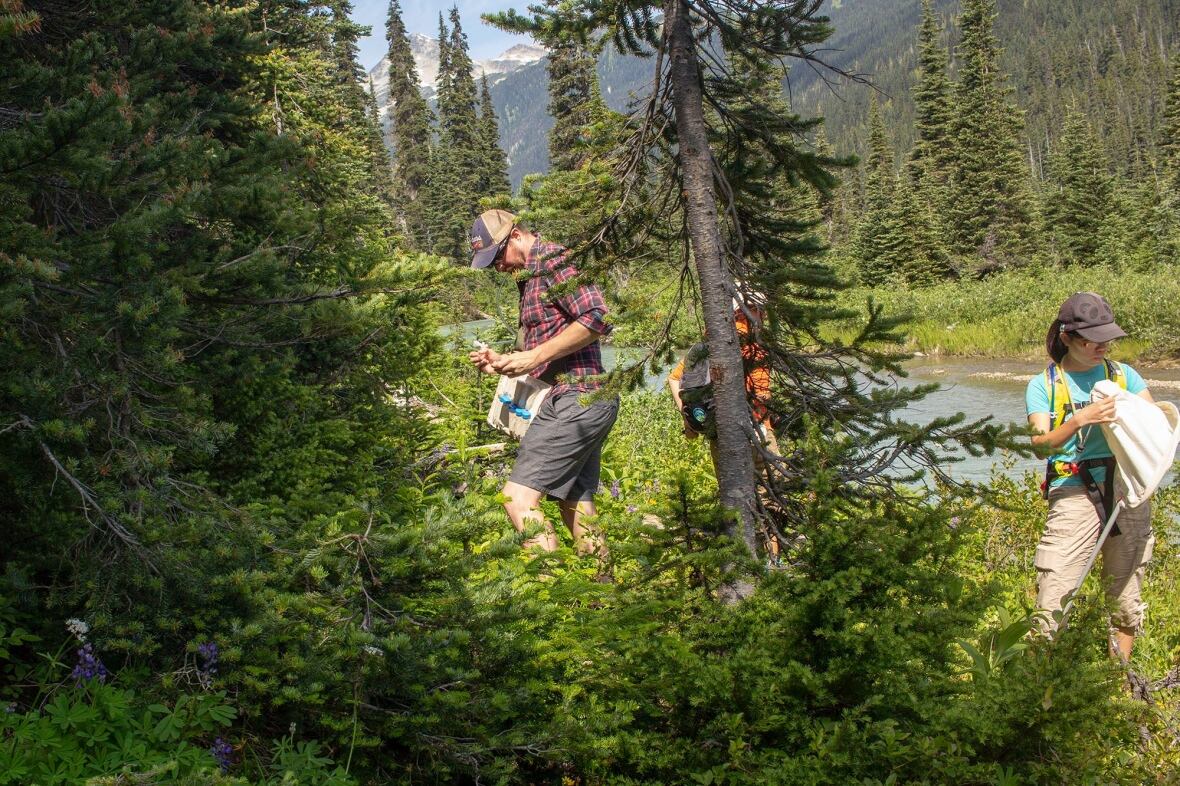
Researchers collect mosquitos in the dense forest of the Yukon. Photo Credit: Dan Peach

One of these snowmelt mosquitoes, Aedes communis, is often found in treed areas and it is a known vector (an agent that carries and transmits a disease) for snowshoe hare virus. While this is a bummer for snowshoe hares, it isn’t a problem for humans unless we get a huge dose of it and even then, it just presents as flu-like symptoms.

Culex tarsalis may be less common in the Yukon than A.communis, but as far as mosquitoes goes, it’s much more intimidating. Known as the “Western Encephalitis Mosquito” and “the mother of all vectors”, it’s a known vector for West Nile virus, several forms of encephalitis, and a long list of other diseases. For those not in the know, encephalitis is a swelling of the brain often caused by a viral infection and has symptoms ranging from aches and fatigue to hallucinations and seizures. It’s not great.
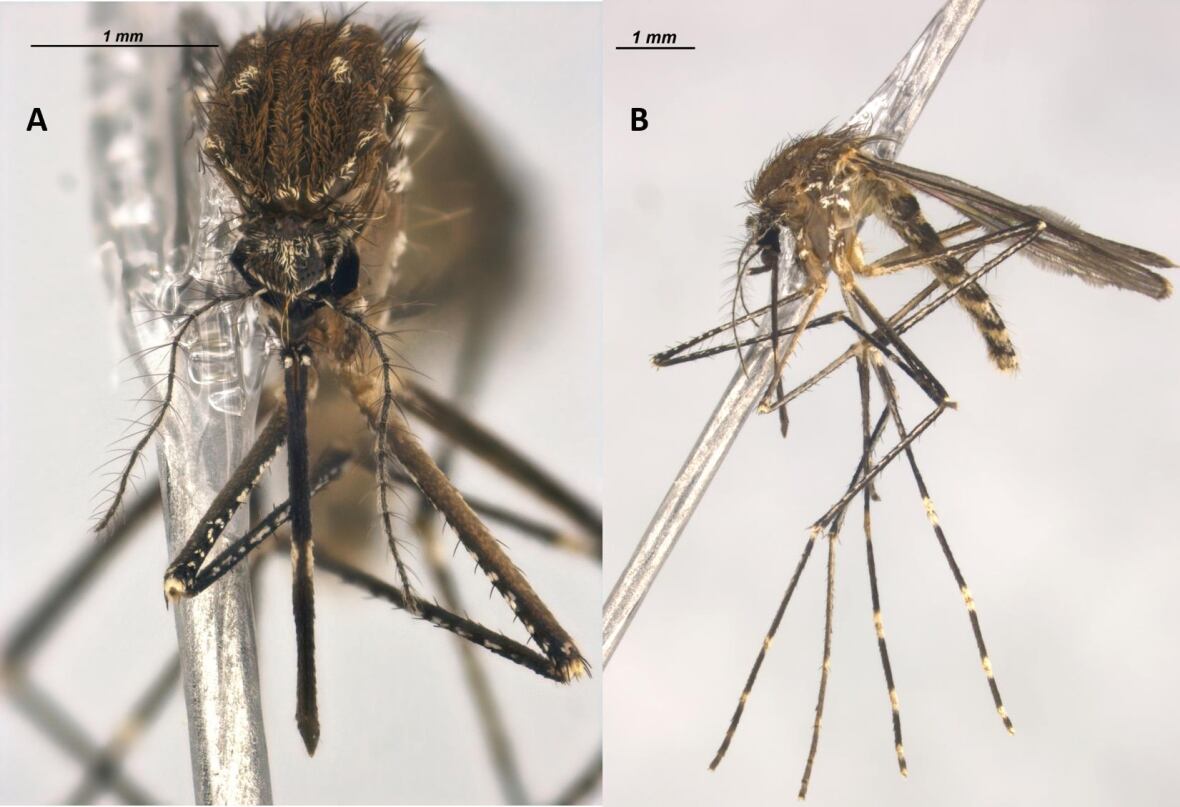
Close up of Culex tarsalis, a species of mosquito that Dr. Dan Peach was the first to confirm is found in Yukon. Photo Credit: Daniel Peach/Journal of the Entomological Society of British Columbia).

But fear not, citizen! While we have mosquitoes in the Yukon that could transmit diseases to people, they don’t and here’s why: In order for mosquito to give you a virus, it needs to be carrying that virus in the first place. Even if the mosquito was carrying a transmittable virus, the virus needs heat to multiply itself enough to the point where it would be too much for the human immune system to deal with. What do we not have in the Yukon? Heat. On the whole, the Yukon is just too chilly for mosquito-born disease to exist let alone thrive. I hope this gives you a feeling of relief as you bask in our -40 C winters.

You see, mosquitoes are diverse in their diets, behaviours, and characteristics, which just helps highlight the fact that the Yukon is wonderfully rich in biodiversity. This is something we should all appreciate even if it applies to insects that sometimes siphon your blood.
Joelle Ingram

Joelle Ingram

Human of Many Talents

Joelle is a former archaeologist, former wildlife interpreter, and a full-time random fact enthusiast. She received her master’s degree in anthropology from McMaster University. One of the four people who read her thesis gave it the glowing review “It’s a paper that would appeal to very specific group of people,” which is probably why only four people have read it. Her favourite land mammal is a muskox, her favourite aquatic mammal is a narwhal. She thinks it’s important that you know that.
867-456-7400
 info@yukonwildlife.ca

Explore by Category

Explore by Author

I Wish I Was as Tough as a Chickadee!

I Wish I Was as Tough as a Chickadee!

yukon

by Doug Caldwell | Dec 31, 2020 | 4 comments

6 minute read - Banner image photo credit: Syd Cannings, iNaturalist

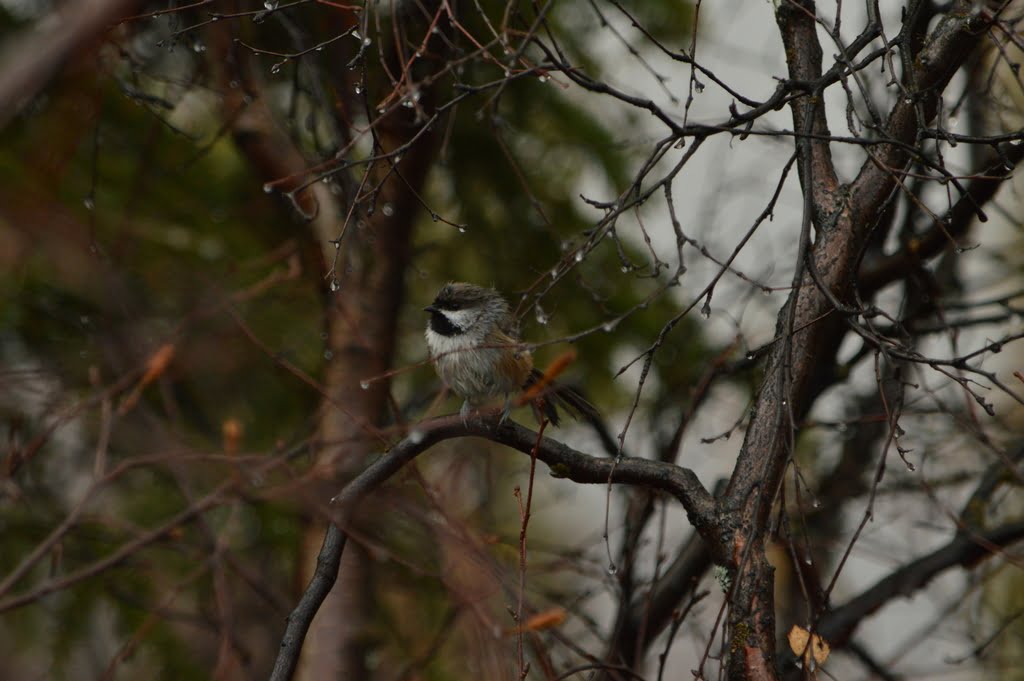
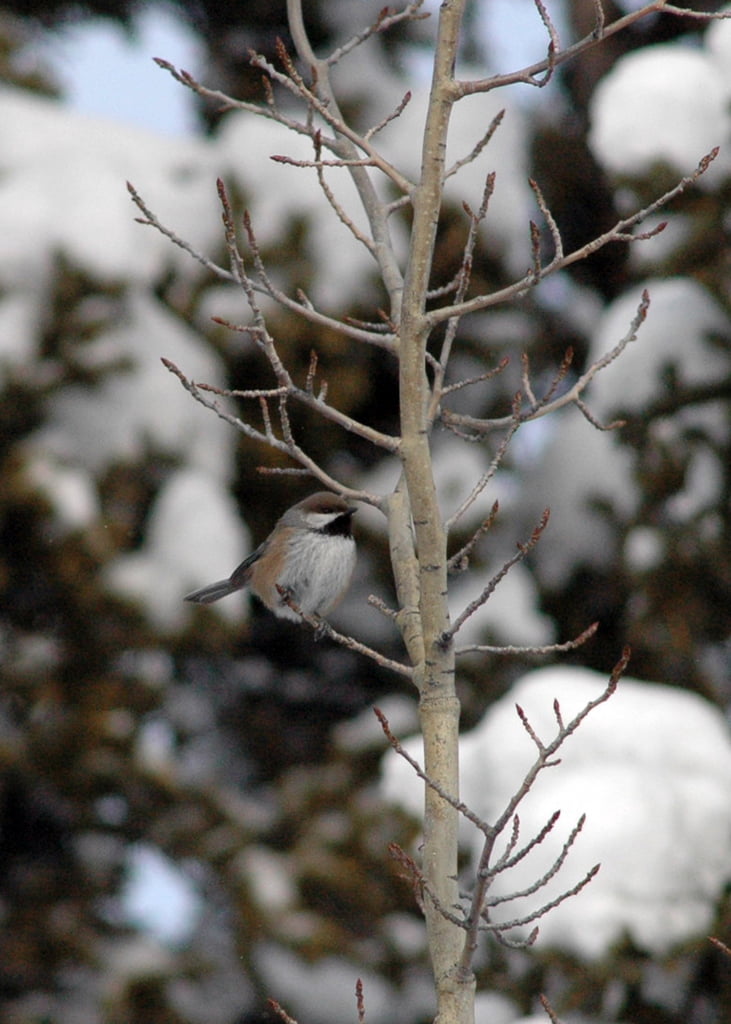
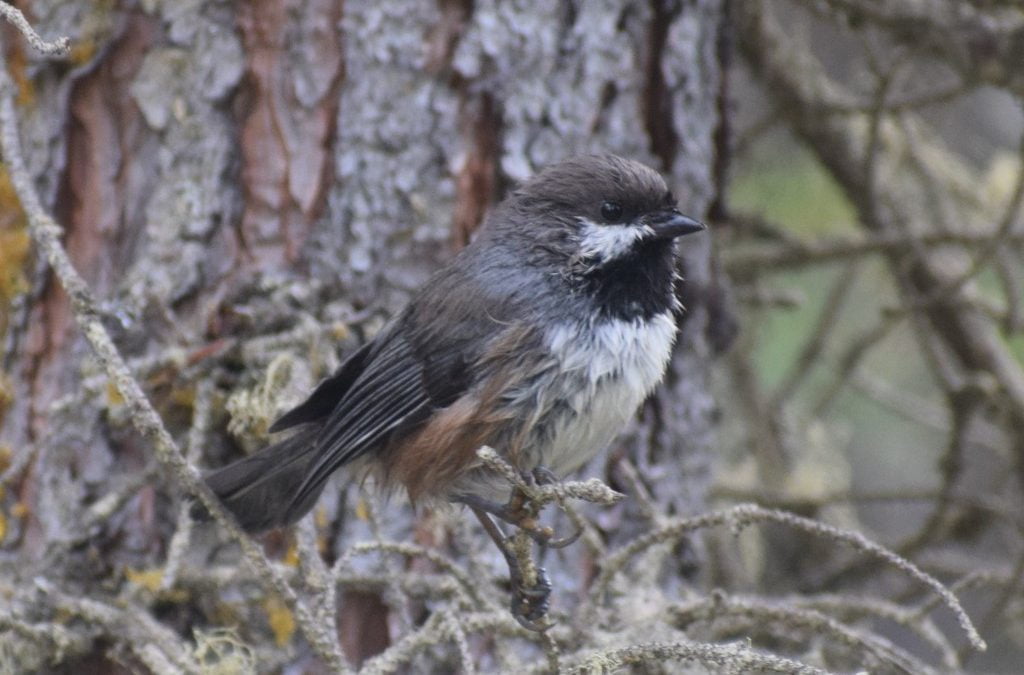
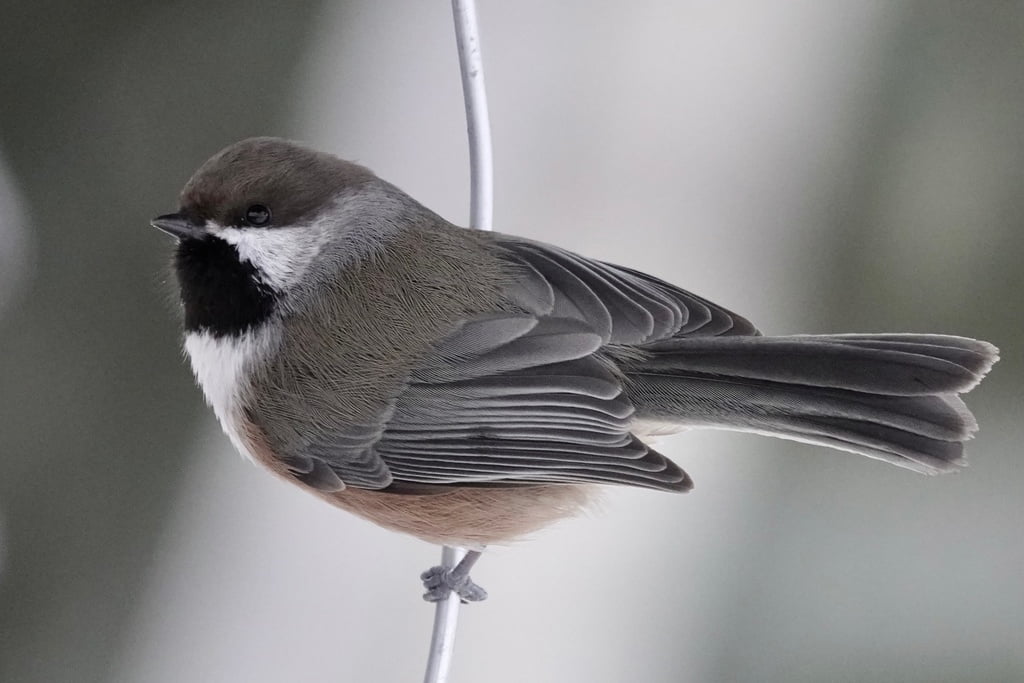
Gram for gram, there are few creatures in the North that have the endurance, temerity and constitution equal to a Boreal Chickadee. An iconic small bird of the north, this species lives its entire life in the Boreal forest and does not migrate to warmer southern climates in the winter months. Chickadees have adapted to not only survive, but to thrive in harsh winter conditions known across this northern biome.

For hundreds of thousands of years Boreal Chickadees, a cousin of the Black-capped varieties, has called the upper lands of North America home. It is believed to have crossed the Bering land bridge from present-day Russia into North America, very much like the first humans and many animal species to arrive in the Americas.

A secret to the Chickadee’s success is its work ethic where much of the summer is spent gathering and storing food, in the form of insects and their larva; seeds of many varieties and fat often gathered from animal carcases killed by much larger predators. Chickadees are frequent participants in cleaning up the remains of other animals as they can eat and digest just about anything organic.

They cache their winter larder in the bark and crevasses of trees, in tree cavities and roots, rock faces and structures. They demonstrate a very reliable memory for where they hid these morsels as some weeks later they return and consume them, often retrieved from beneath snow cover.1https://www.hww.ca/en/wildlife/birds/chickadee.html

A very social bird, the Boreal Chickadee is often found in the company of its cousins the Black-capped variety, Nuthatches, Pine Siskins, Red Polls, Kinglets and other regular visitors to bird feeders in the back yard. Their cheerful call is very recognizable and can often be heard following an insect hatch when their food gathering activities stimulate greater activity.

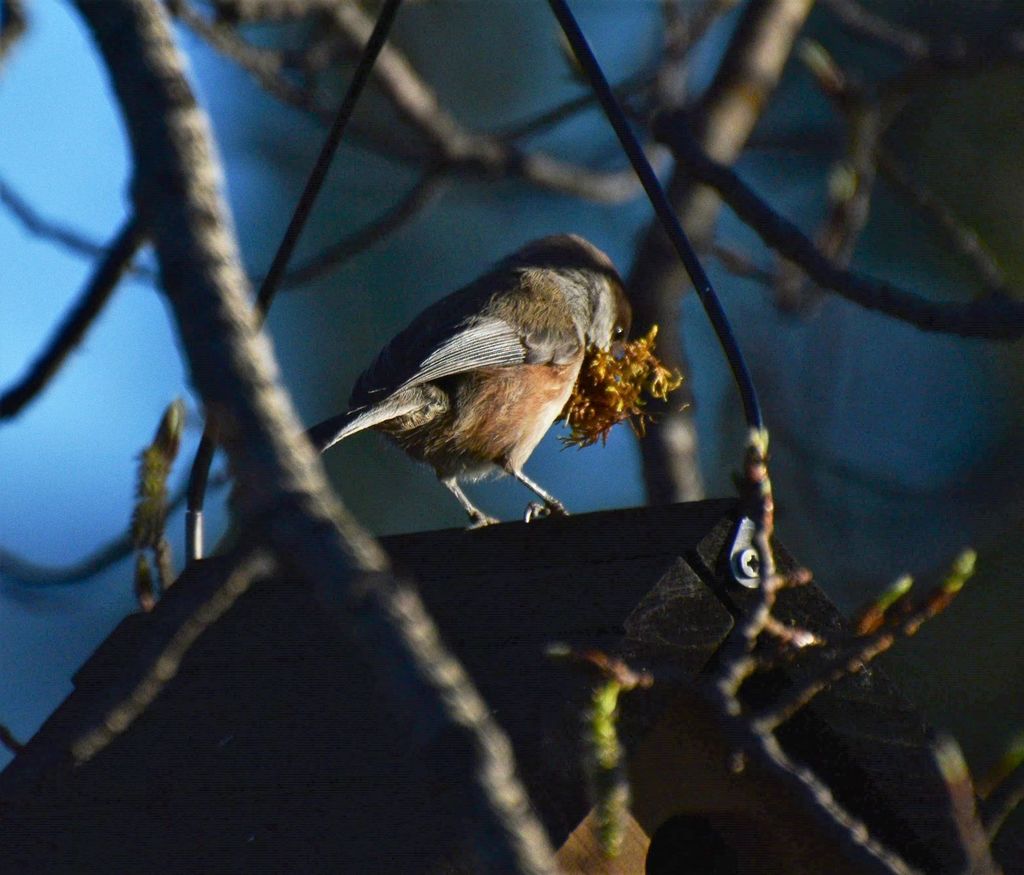
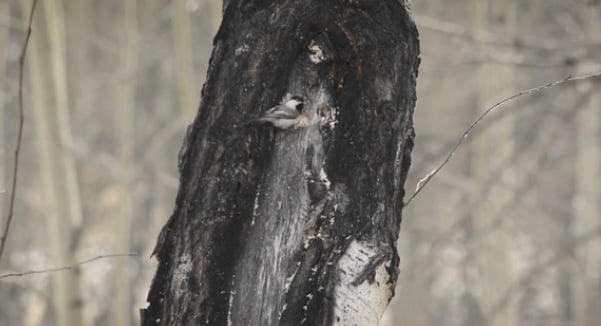
It is believed that Boreal Chickadees mate for life with the pair remaining together all year. The nest site is often a hole in a tree, either a natural cavity or old woodpecker hole; chickadees may also excavate their own site or enlarge an existing hole. The nest site is usually low, within twelve feet above the ground. Both male and female help with excavation, but only the female builds the nest inside. Nest has a foundation of moss, bark strips, lichens, topped with: feathers, plant seed fluff and the fur and hair shed by local animals. In human occupied locations, nests have been found to contain clothes dryer lint, threads and strings and similar items useful for the purpose.

This is a Boreal Chickadee's cousin, the Blackcapped Chickadee making a nest in the spring of 2020. Watch the Wild Spring Adventures video for the action of this busy bird and other spring happenings at the Preserve. 

After breeding, the hen will lay up to nine eggs in a single clutch. These are white, with fine reddish brown dots often concentrated at the egg’s larger end. Only the female sits to incubate the eggs which take between ten and fifteen days to hatch. The male captures food and brings it to the brooding female during incubation. The female stays with the young and broods them much of the time at first, while the male continues to bring food. Growing quickly and developing flight feathers within a week of hatching, the young leave nest at about 20 days.

As summer concludes and the fall winds blow through the trees, Chickadees put on fresh, heavier plumage. And their feathers are more dense than most birds’, creating a comfy down parka for the chickadee. And most impressive, the chickadees adapt to deep cold by lowering their body temperature at night from 42 degrees Celsius to just 29.5 degrees. In this way, the birds conserve their stores of insulating fat as their metabolism slows. They fluff their feathers up so they truly look like little balls of fluff capturing more body heat within the airspace created within their feathery parka.

An average Boreal Chickadee weighs only a third of an ounce and its body size - without all the fluffy feathers - is about as big as an adult human’s thumb. It truly is remarkable how a creature this small and delicate can endure the harsh frigid cold of a six-month Yukon winter.

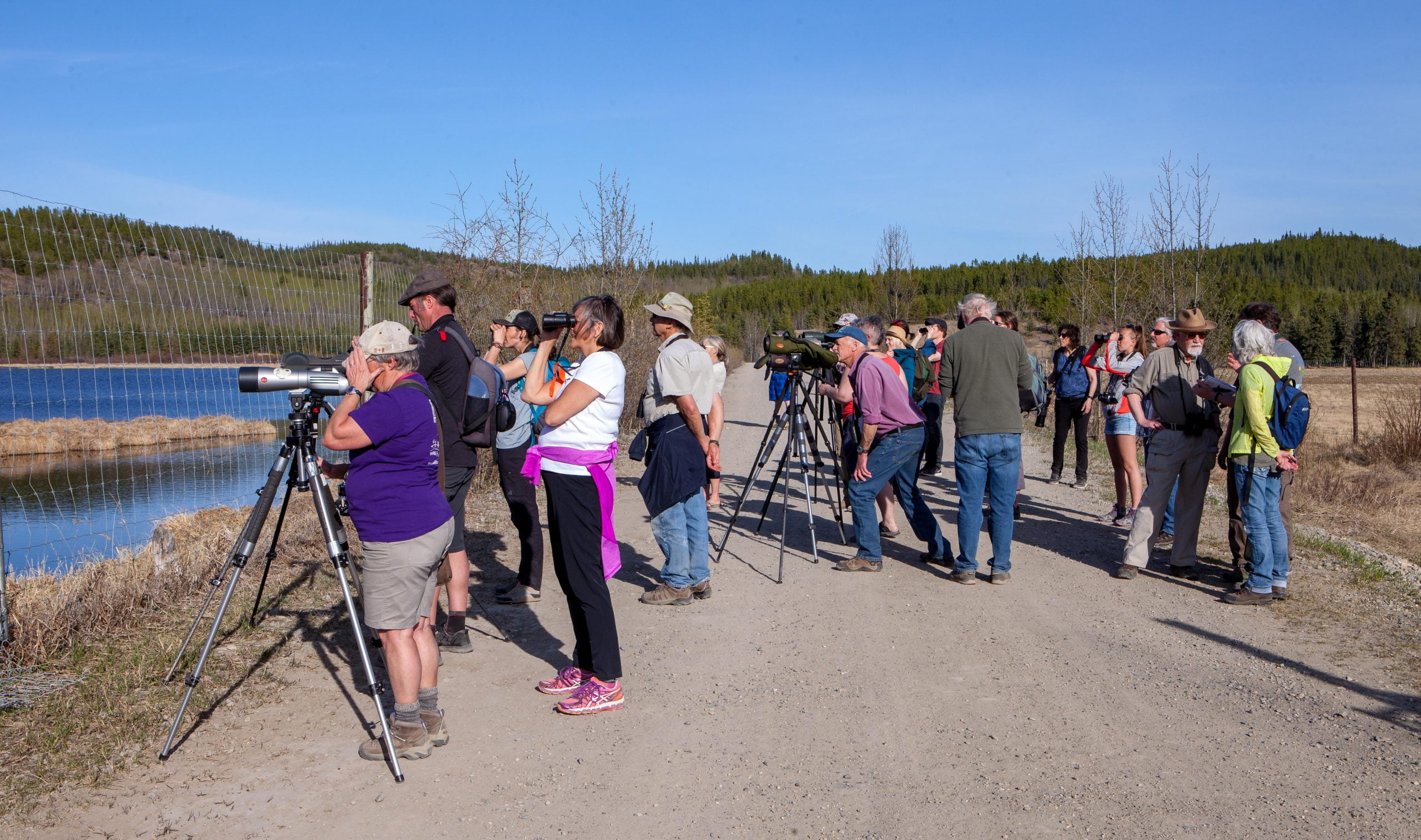
Each year the local Yukon Bird Club does several outtings and observations including a the winter seasonal Christmas Bird Count across the Territory - several variety of chickadee are noted to withstand Yukon winters! It's an excellent citizen science engagement that contributes to a North American wide bird monitoring and conservation program. The Preserve boasts an array of species for bird lovers year-round but especially in Spring migration and throughout summer.

Annual Spring bird walk at the Yukon Wildlife Preserve.
Photo Credit: Jake Paleczny. 

Doug Caldwell

Doug Caldwell

Wildlife Interpreter

Doug is one of the Interpretive Wildlife Guides here at the Preserve. An avid angler and hunter he has a broad knowledge of Yukon’s wilderness and the creatures that live here. With a focus on the young visitors to the Preserve, Doug takes the extra time to help our guests to better appreciate the many wonders of the animal kingdom here in the Yukon.

Explore by Category

Explore by Author

Thinhorn Mountain Sheep

Thinhorn Mountain Sheep

yukon

by Doug Caldwell | Dec 4, 2020 | 10 comments

10 minute read -

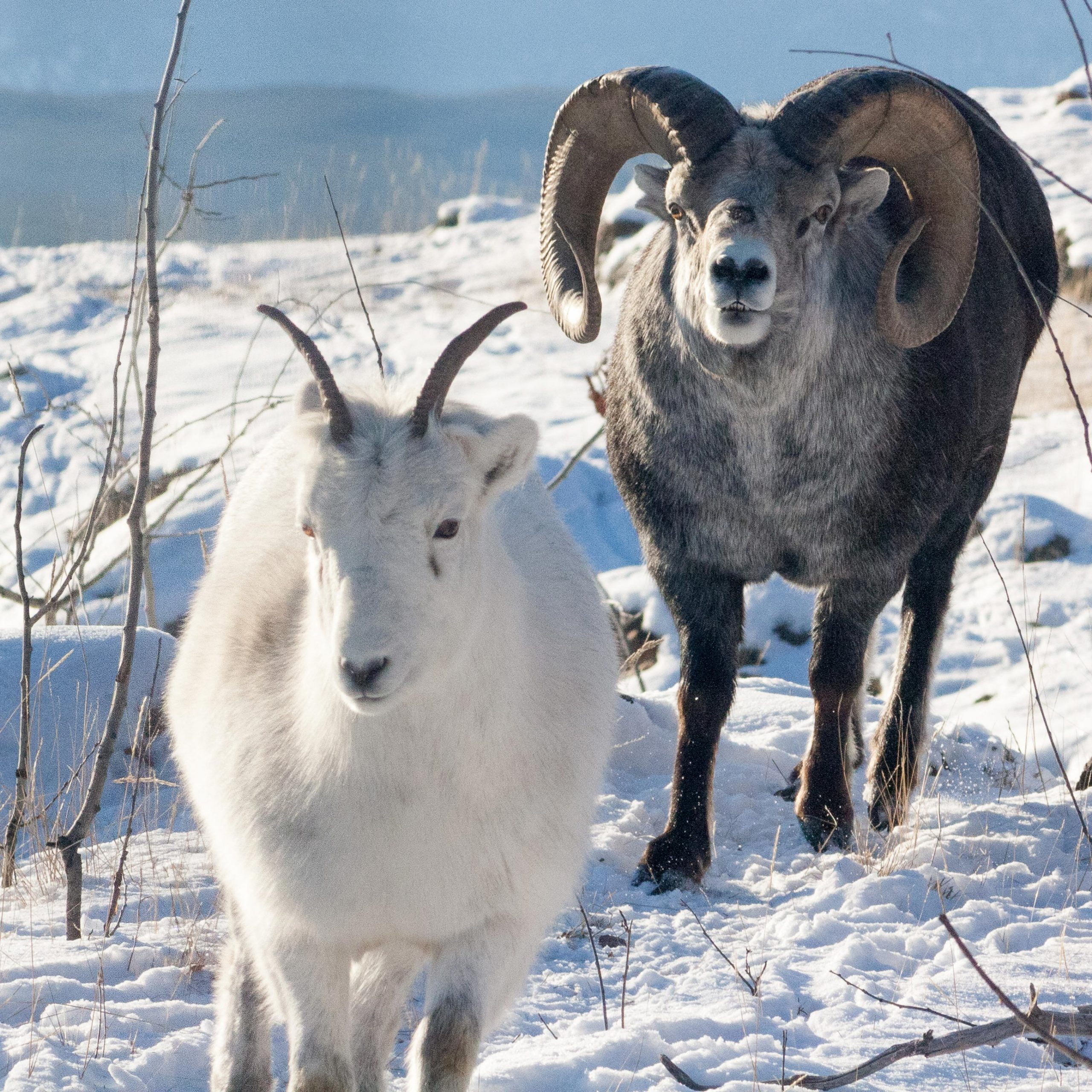
For a long time, it was believed that there are three distinct subspecies of thinhorn Mountain Sheep in North America each of these known as: Dall, Fannin and Stone. Each subspecies displayed different colouring of their coats where Dall would be pure white, Fannin would be white with grey, silver and black highlights and Stone sheep were white with brown and black highlights and sometimes predominantly all dark grey.

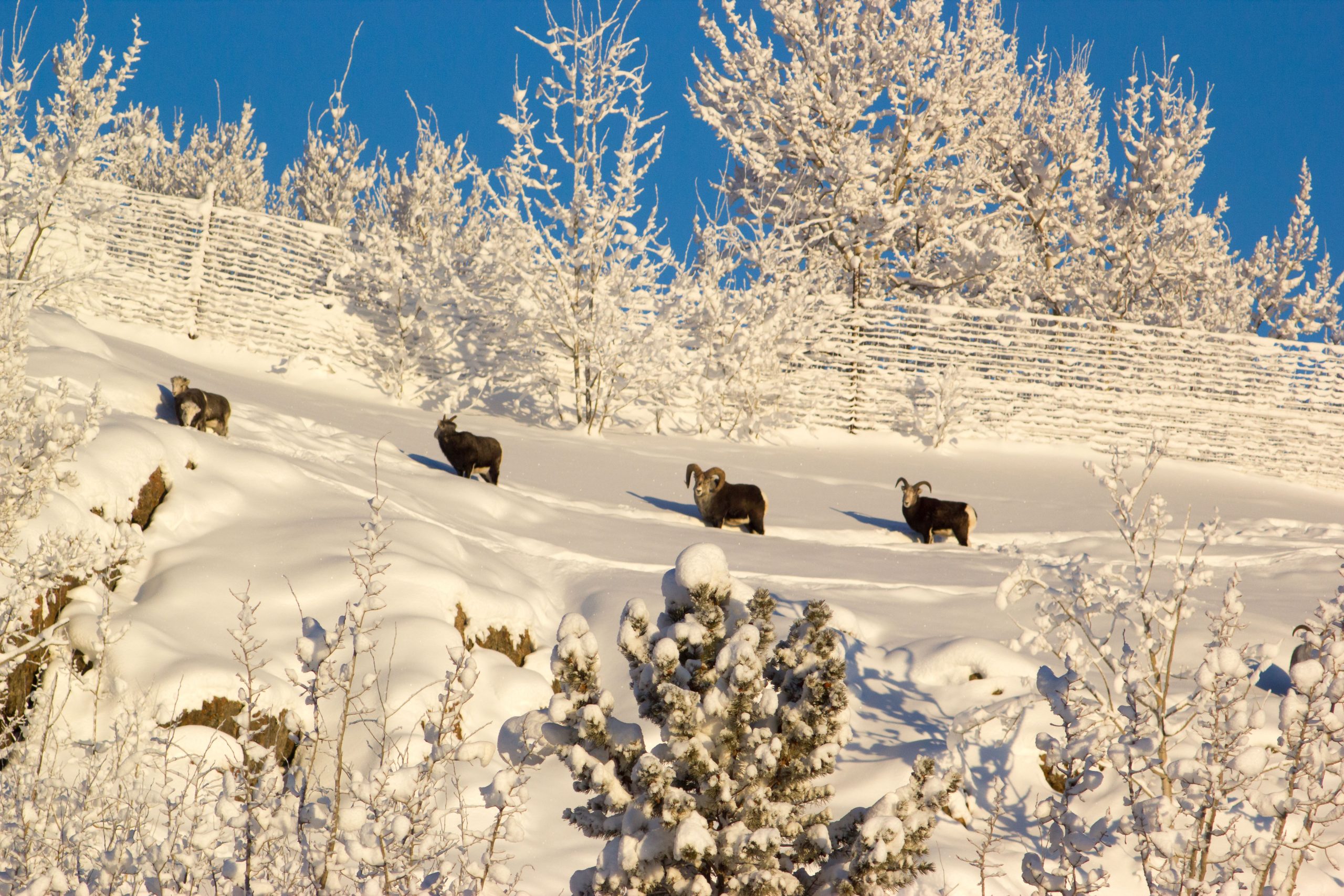
Thinhorn Mountain Sheep grow one set of horns from youth to old age.  Pictured are two rams (males).  L to R:  Young ram; mature ram.

Recent DNA gathering and analysis has revealed that all three subspecies are actually very much alike and identification of each subspecies is becoming significantly more difficult to confirm as interbreeding continues and identifiable traits or genetic markers blend together to produce a mongrelized modern day specimen.

Further, evolutionary biologists1https://www.ualberta.ca/science/news/2016/june/dna-analysis-rewrites-the-story-of-thinhorn-sheep-during-the-last-ice-age.html studying the lineages of thinhorn sheep have found evidence suggesting that the species diverged hundreds of thousands of years earlier than previously thought. Greatly influenced by the formation, movement and final melting of the glaciers, thinhorn sheep roamed a vast area in search of ice-free grazing areas known as refugia. The mountainous geography often separated groups of similar or same subspecies sheep where through isolation they accumulated some variances between populations over time, sometimes resulting in the formation of what were originally thought to be new subspecies due to variations of their physical appearance.

Genetic science continues to study these animals and new proofs are foreseen to reveal how the present thinhorn sheep populations of the Yukon, BC and Alaska evolved to be what they are today. As genetic scientists work with data gathered by paleontologists, geologists and other scientific disciplines, there is anticipated to be a more accurate understanding of how northern animals evolved into what they are today.

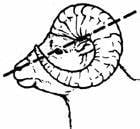
Despite their uniqueness in genes and variations in colour, thinhorn sheep rams share the same impressive set of horns that are admired in the animal kingdom. It is important to note that horns and antlers are not the same. Members of the deer family grow antlers which are shed and grow back each year, while sheep grow horns which are with the animal for all of its life. Also antlers grow from the tips while horns grow from the base.2https://medium.com/usfws/11-facts-about-antlers-18e689fe9e60#:~:text=Bison%2C%20antelopes%2C%20sheep%2C%20goats%20and%20domestic%20cattle%20%E2%80%94,from%20the%20tip%3B%20horns%20grow%20from%20the%20base  It’s a minor thing, but important because if a young sheep breaks off a tip of their horn, it will remain that way for the rest of its life. Female sheep or ewes also grow horns but these are much more diminutive than the male sheeps’ horns.

​ Female sheep or ewes also grow horns but these are much more diminutive than the male sheeps’ horns.

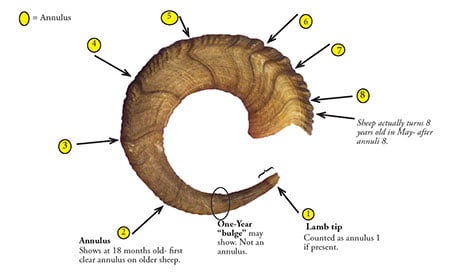
Sheep start to grow their horns shortly after birth and they will continue to grow over their lifespan, sometimes up to 20 years of age.3http://www.env.gov.bc.ca/wld/documents/thinhorn.pdf If you look closely at a ram’s horns you’ll see rings that circle the horn in various locations. These are called growth rings or annuli rings and a new one is formed each year and they are a reliable method to estimate the age of the animal. The horns are made of keratin, which is the same hard material that their hooves are made of and it grows quickly.

The first few inches of horn that a ram grows is called a lamb tip and represents about the first 6 months of the animal’s life,4https://www.adfg.alaska.gov/static/hunting/dallsheephunting/pdfs/dall_sheep_guide_to_judging_sheep_horns_under_full_curl_regulation.pdf it often gets broken off as the ram’s life of fighting and careless use take their toll.

Credit Alaska Department of Fish and Game

Each year a new annuli ring is formed near the base due to stressors the ram experiences, normally associated with the mating season.  You may notice that the space between the annuli rings is not uniform. This reflects the quality of nutrition that the animal experienced during that year of his life. Large wide spaces between the rings indicate good nutritional intake and low stress. Small thinner spaces may indicate a stressful year or a reduction in nourishment possibly associated with long, hard winters, forest fires and a loss of grazing, avoiding predators and similar stressors found in nature. Once the ram reaches a certain age of maturity, at about eight years,5https://www.coniferousforest.com/dall-sheep.htm the horns will continue filling out in thickness and mass, but stop growing longer as time goes on. A mature ram's horns can weigh up to 15 kilos - more than all the bones in his body combined.

The size and shape of ram’s horns are what distinguish it from others and there is a wide variety of shapes, formations and sizes among sheep horns. Some horns form concise symmetric circles that are located close to the animal’s head, while others grow into a cork-screw-like shape where the tips are splayed out from the ram’s head. Some rams have horns that are thicker and longer than others, this is normally associated to a genetic trait of the animal’s ancestors where the influencing genes get passed to subsequent generations.

Hunting organizations such as Boone & Crockett have devised an elaborate measuring system with which to score the horns of most big game animals. The horns are measured at specific locations including the base, the overall length of the horn on each side, the distance between the horn tips and diameters of the horn in four key places. Once these measurements are collected some math is performed to arrive at the score for that ram’s horns. Records are kept by species so that hunters know how their harvested ram compares to others. This record keeping is also valuable for biologists and others to track the various changes in sheep populations around the world and may indicate declines in health, and their supporting environment and other influences which may be indicated by the changing size or condition of their horns.

Regional governments also utilize hunters to gather important data from the field. This is usually done by making it mandatory that certain parts of the harvested animal are submitted to the Game Branch as a condition of the species harvest tag. In this way biologists get to examine a diversity of a certain species all harvested within a quantified period of time and noted locations. Biologists examining sheep submissions here in the Yukon check for a number of important indicators. Yukon regulations require the complete head of a harvested ram be submitted for inspection.6https://yukon.ca/sites/yukon.ca/files/env/env-yukon-hunting-regulations-summary_en.pdf]]

The first thing they examine is if the horns are indeed a full curl as regulations prohibit harvesting a ram that is less than a full curl.

The biologists then extract a tooth to confirm the exact age of the animal by cutting the top off and counting the rings similar to the dendral or age rings of a tree. They may also take a tissue or blood sample to test for various diseases and infections the animals may suffer from. When all the tests have been completed the biologist bores a small hole in the top side of the horn facing the rear and epoxies a serialized aluminum plug into it. These plugs help to combat the underground trade of animal heads by having each head recorded by hunter, date and location.

Having access to all this data helps biologists to better understand the health of the wild sheep herds and may provide clues on where a disease is developing and which way it may be moving geographically.

Photo Credit: Kevin Pepper

Photo Credit: Kevin Pepper

Rams are famous for bashing their horns together to determine which is dominant for breeding purposes, but that is only for a few days each breeding season typically in late November and December. They also use their horns to communicate among themselves in ways that humans can only guess at. They will sometimes interlace their horns gently and rub their ears together which appears to be a welcoming gesture. Like most creatures, mountain sheep use body language to communicate with others. It may be a twisting of the head or extending their noses while they peel their lips back to reveal their teeth, or something as simple as their stance and how they wiggle their ears as they stare at others from a distance. They often grunt at each other as well.
Rams will often gently head-butt  each other as a form of greeting, similar to how a house cat bumps your leg when seeking attention. They can be quite gentle in their horn touching activities or they will get up on their hind legs and really lean into butting another ram with all the force they can muster.

Photo Credit Mark Newman

Photo Credit: Mark Newman

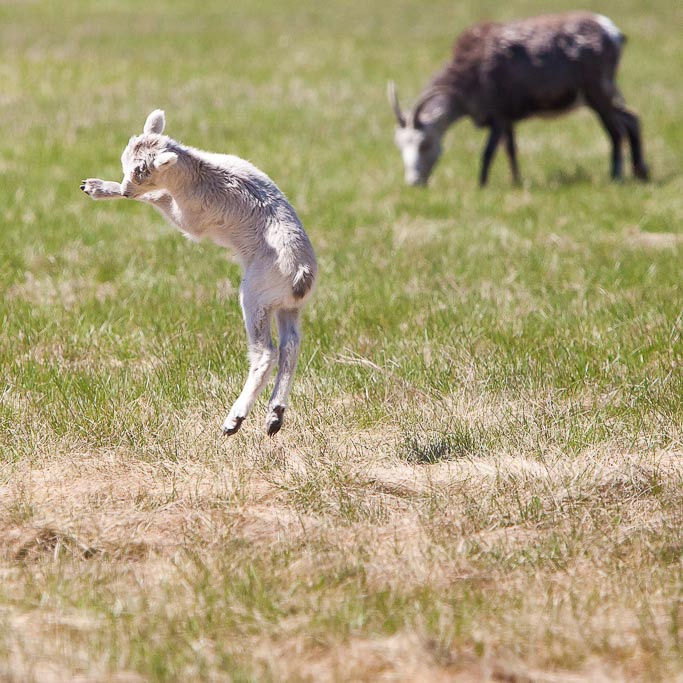
With remarkable muscle tone, balance and coordination mountain sheep demonstrate how well they have adapted to living on rock faces as they frolic and cavort in situations humans try to avoid. Often it will take a human significantly longer to cover a vertical climb it only took a few seconds for the sheep to navigate. Mountain sheep are remarkably strong and have endurance that allows them the energy and stamina to evade predators such as wolves and bears on the uneven and precarious mountain slopes they call home. Young lambs are a popular target for migrating Golden Eagles arriving in the spring season from their over-winter habitats. So sheep must be watching in all directions for potential dangers that could impact on them or their offspring.

Young lambs are a popular target for migrating Golden Eagles.  Ewes must be watching in all directions for potential dangers that could impact them or their offspring.

Mountain sheep have superior eyesight for distance and low-light conditions, they have horizontal pupils that help them to see panoramically to detect predators that could approach from different directions.  They also need to be able to see forward clearly so that they can run over rough terrain. They have excellent peripheral vision and can see behind themselves without turning their heads due to where their eyes are located on their skulls. Remember they need to look around their horns too.

Thinhorn Mountain Sheep are remarkable creatures perfectly adapted to thrive on the mountains of Northwestern Canada and Alaska and will remain a featured megafauna species here at the Yukon Wildlife Preserve.

Ram follows an Ewe closely.

Doug Caldwell

Doug Caldwell

Wildlife Interpreter

Doug is one of the Interpretive Wildlife Guides here at the Preserve. An avid angler and hunter he has a broad knowledge of Yukon’s wilderness and the creatures that live here. With a focus on the young visitors to the Preserve, Doug takes the extra time to help our guests to better appreciate the many wonders of the animal kingdom here in the Yukon.

Explore by Category

Explore by Author

Faces of the Preserve:  Maureen

Faces of the Preserve: Maureen

yukon

12 min read -

It takes drive and passion to support a non-profit organization which works to be a living center of Yukon’s wildlife, with informed voices that speak for, and connect others to, the natural world. Who is the team making this happen?

Meet Maureen. She’s a Yukoner with a rich and varied history - just like Yukon Wildlife Preserve. Here she shares what she loves about the Yukon, working as a Wildlife Interpreter, and how that happened in the first place.

“I had always wanted to visit the Yukon. I moved to Whitehorse in 1970 and knew from the start this would be home. In 1973 I moved even further north, to Dawson City, and have spent the next 50 years between the two communities.” As many Yukoners know, successful longevity in the Territory can require versatility; Maureen has this in spades. She joined the team in 2013, drawn to Yukon Wildlife Preserve through a combination of knowledge and understanding of animals, Interpretive experience, and an enjoyment of speaking to people.

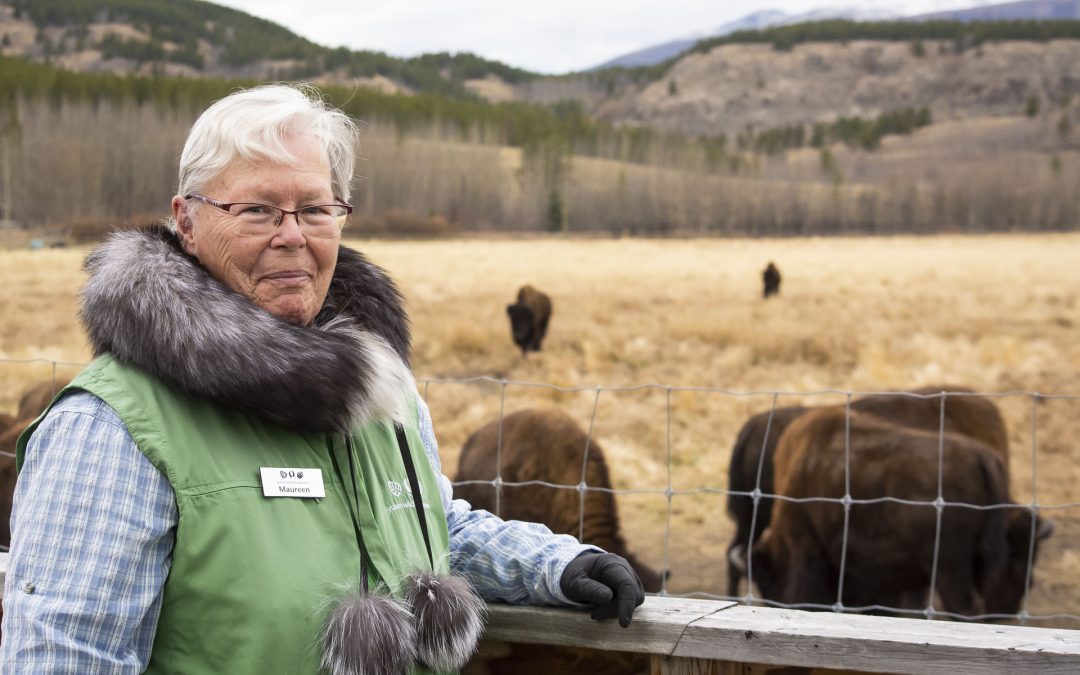
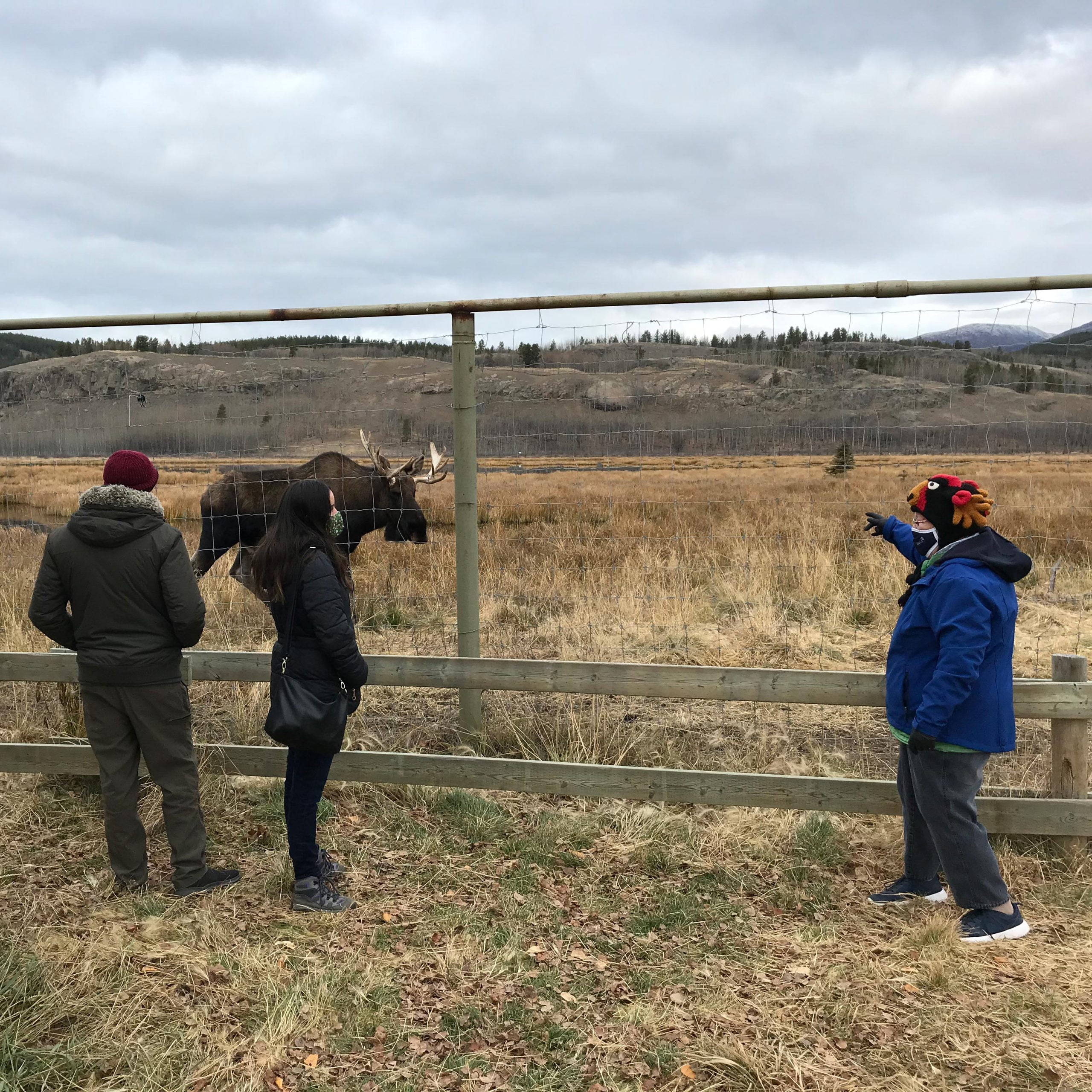
Whether in her fox scarf, or her fun moose toque and Covid-19 mask, Maureen helps guests learn about animals.  L to R: Maureen shares knowledge about Wood Bison; Maureen teaches about moose; Guided Bus Tour guest enjoys a close up of Bison while listening to Maureen.

“For 20 years I worked as a commercial fisher(wo)man on Yukon River and Lake Laberge. I spent 30 winters as a trapper, operating from a cabin with no electricity and no running water and 10 years as a placer miner. Finding prehistoric bones while placer mining, that’s very interesting - the most interesting part of placer mining in fact. I have always had an interest in archeology, turns out I had no interest in gold via placer mining! Finding bones:  that's an immediate link to history and the land. Combined, these are years of experience which had me on the land and water, harvesting, observing and getting in tune with nature, the seasons and animals. I learned a lot, during those years, about animal life cycles and respect for animals. I would say I have more appreciation for wild animals because I understand more about how hard life is for them.
I’ve worked for Parks Canada as an Interpreter for 25 summers at sites such as Dredge #4, Bear Creek, Dawson City walking tours and SS Klondike. I’m a Certified Interpretive Guide with the National Association of Interpretation. All those years talking to people, connecting them with history and the Yukon; I bring that to Yukon Wildlife Preserve. My appreciation for and understanding of wildlife, in addition to my skills of observation learned from my years living and harvesting on the land, really assist me in helping to connect our visitors to Yukon species. Specifically, my tracking skills help me observe wild animals in their natural habitats, as well as to understand the story of what I’m watching them do, in that moment. I enjoy sharing those skills and helping visitors learn how to “see” animals that are excellent at camouflage and how to take that beyond their visit to the Preserve, to their lives at home, wherever that is.

Visitors sometimes wonder how my years trapping, hunting and fishing can mean I have a strong appreciation for wild animals. I try to explain that I think I have a greater appreciation because of my experiences, because when you live in the bush, you live closer to the animals. Not only do I think I understand more about how hard life is for wild animals, but I depended on them for sustenance and my livelihood. This has allowed me to acquire a greater appreciation for wildlife. Living this close to nature, while raising a family, allowed me to pass on to my daughter how to observe animals, their natural behaviours and to listen to what their body language and actions are saying, and to then change my behaviour accordingly. We don’t have to speak the same language as animals to hear, and respect, what they are telling us. Humans, we learn that, and I’m pleased to have been able to pass on those teachings to the next generation.

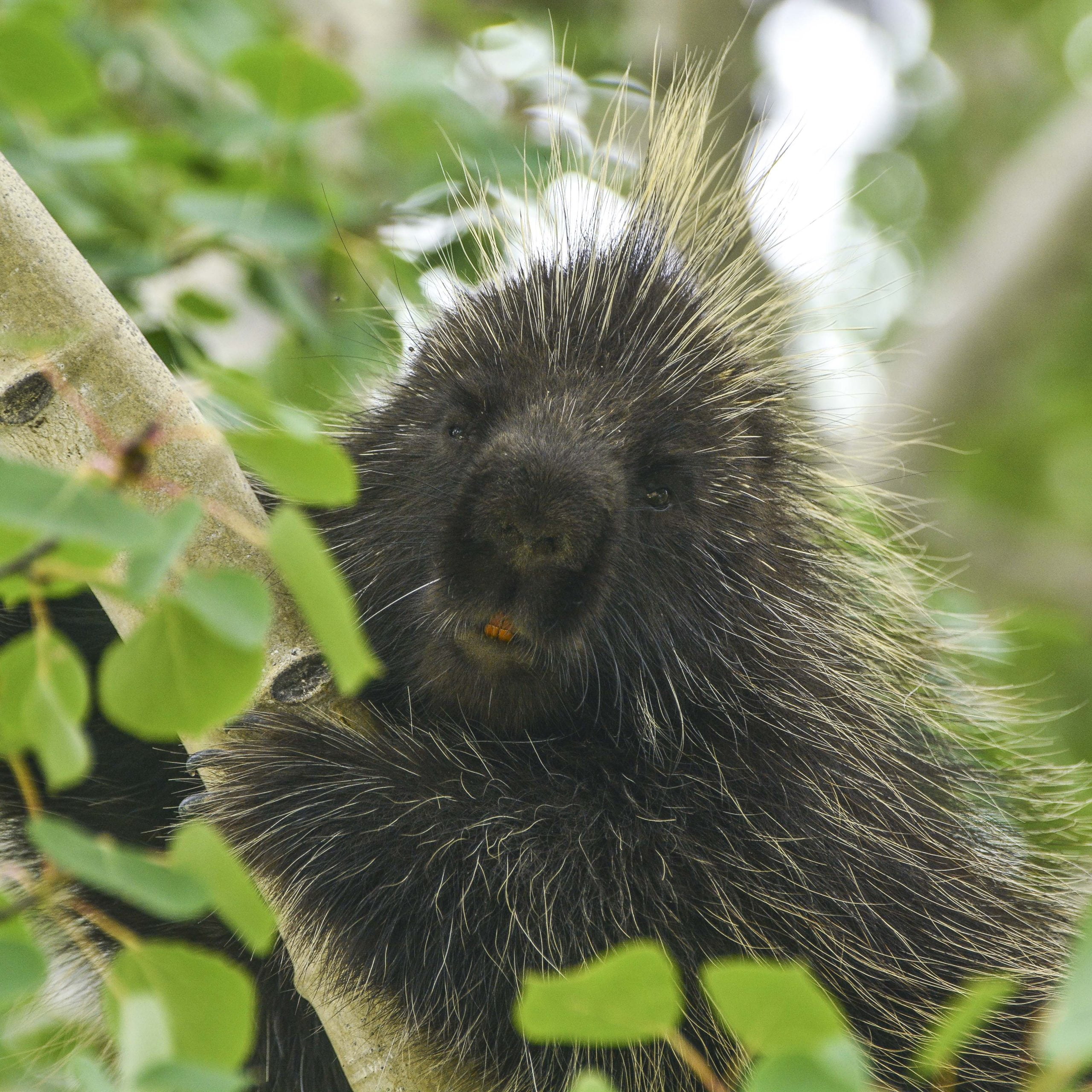
I remember I once had a curious porcupine sit and talk to me, chattering on with its porcupine noises. It was very engaging, although I didn’t understand a word. I finally had to tell the porcupine that I had to leave to do other things that day, and I was the first to leave the conversation.

Trapping and hunting has taught me to pay attention to the animals themselves, and to the signs they leave behind:  tracks, scat. The only way for me to be successful was to observe all these things within a species, and within the area I was harvesting. You have to know your area and the animals on it. You become part of a system when you’re harvesting off the land. You are a predator, and like wild predators, you don’t take all the prey out of your area. As a trapper and subsistence hunter, I participated in a relationship with the land, the animals and the environment; this allowed me to become in tune with the rhythms of life around me. There’s a balance within nature, if we noticed a shift in that balance, then we shifted to accommodate it. Yes, there were parts of this life that were hard and challenging, but it was also rich and rewarding - and very much a lifestyle choice.

I lived 30 years in a cabin in the bush. I stopped trapping and moved back to Whitehorse in 2009, because I like running water and electricity. While I miss the quiet of that life in the bush, well I LOVE the ease of modern life. After so many years without, I don’t take for granted things like lightswitches, kettles, showers or flush toilets. Living without for so long, that’s a hard life. Hauling water, in the winter, by buckets out of a frozen river means chopping holes in the ice with chainsaws or axes, and then doing it again when that hole inevitably refreezes solid. It really puts you in tune with the harsh realities of life and survival; I think it has helped me gain understanding and insight into some of the challenges wild animals face daily. They can’t just flip a switch or push a button and get food or shelter, they have to work hard, and constantly, to be successful in life at acquiring food, territory, shelter and to be successful at breeding and rearing young.

My favourite animal in the wild is the Lynx. They’re cool and simply the most beautiful animal. In the area I lived in the bush, lynx were rare and sightings were very special. Once, I heard a lynx scream. I’ll never forget that sound, or having to keep my dog under control to avoid him going to investigate. Here at the Preserve, my favourite animal is the Muskox. They are survivors and they are stubborn. I respect both those qualities. I’ve been in the Yukon a long time, but I’ve got nothing on the tens of thousands of years of Muskox. They’ve been stubbornly surviving since the last Ice Age.

Visitors to Yukon Wildlife Preserve, they are often curious about more than the animals at the Preserve. I enjoy the opportunity to connect with people of all ages. Some people want to listen, some ask a lot of questions or share their own experiences with me. No matter how or with whom the connection, I enjoy it most when people are interested and open to learning about respectful interactions with wildlife and the land.

Respect, observation, space, quiet, an understanding of the behavioural norms of the different species we can encounter:  this leads to successful interactions with wild animals - safe for us and safe for them. Animals don’t speak human languages, but they don’t need to. Humans can pay attention to the body language of an animal to hear what that animal is saying to us, and if humans don’t know how to do that, we can learn. I try to relate how to do this to visitors to Yukon Wildlife Preserve, and to teach those who are willing to learn.”

Maureen has had guests on her tours ask if she was a schoolteacher. "I was not a teacher.  To me, education sounds like sitting in a classroom. Instead of offering education, I prefer to think that I am helping people learn about the things I know about:  animals."

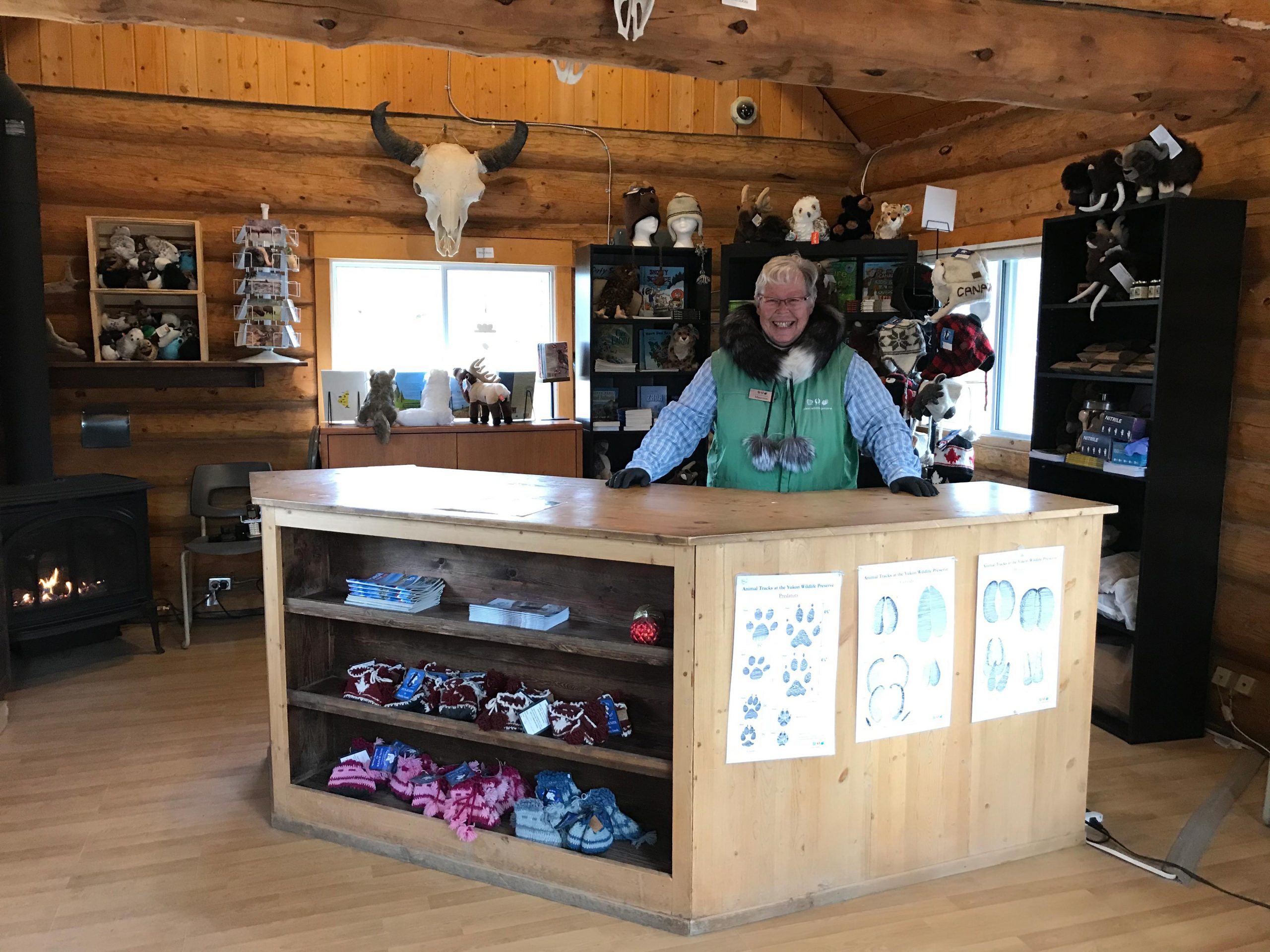
Maureen is one of a strong community at Yukon Wildlife Preserve and part of a thread that weaves us together. The next time you visit, stop at the Reception Cabin and say hello, or share a story:  you might just learn something new from Maureen. “I hope that after I’ve talked to visitors to the Preserve, that they leave with a little more knowledge and understanding of the wildlife they might encounter. Also, a little more respect for those animals.”

Stories by Maureen Peterson.  Compiled and written by Julie Kerr.

Maureen Peterson

Maureen Peterson

Wildlife Interpreter

Maureen is originally from North Vancouver, BC, where she lived for the first 20 years of her  life. In grade 5 she did a project about the Yukon, which is when she decided to go there. It was at age 20, and the day after she was married, that she finally moved North.  The Yukon was everything the 10 year old Maureen thought it would be and she has never had any desire to move anywhere else.

Julie Kerr

Julie Kerr

Visitor Services Coordinator

Julie is a Registered Veterinary Technologist, living and working in Whitehorse since 2012. She joined the team in May 2018. She is passionate about wildlife, nature and living in a conscious manner with both. Her free time is spent outdoors observing wild animals and ecosystems; her connection to the natural world around her brings great joy – joy she loves to share with anyone interested. Honestly? Work and life blend rather seamlessly.

Explore by Category

Explore by Author

The Antler and Breeding Cycle Featuring Moose

The Antler and Breeding Cycle Featuring Moose

yukon

by Doug Caldwell | Oct 2, 2020 | 12 comments

10 minute read -

Deer species are hoofed, ruminant mammals forming the family Cervidae. The primary deer species in the Yukon include: Moose -  the largest of the species; Caribou, Elk and Mule and White-tailed Deer which have migrated in from Alberta and British Columbia over the past 250 years, Mule deer are very well established with their range documented to extend up to the Arctic circle1https://www.britannica.com/animal/mule-deer.

Many of the Preserve’s visitors are fascinated by the antlers, held by members of the cervid family, and ask many questions about them. This article will explain some of the basics on the annual growth and shedding of the antlers and how they play a critical role in the breeding cycle of these animals. We’ll focus on the largest and arguably one of the most Canadian iconic members of the deer family - the moose and his antlers.

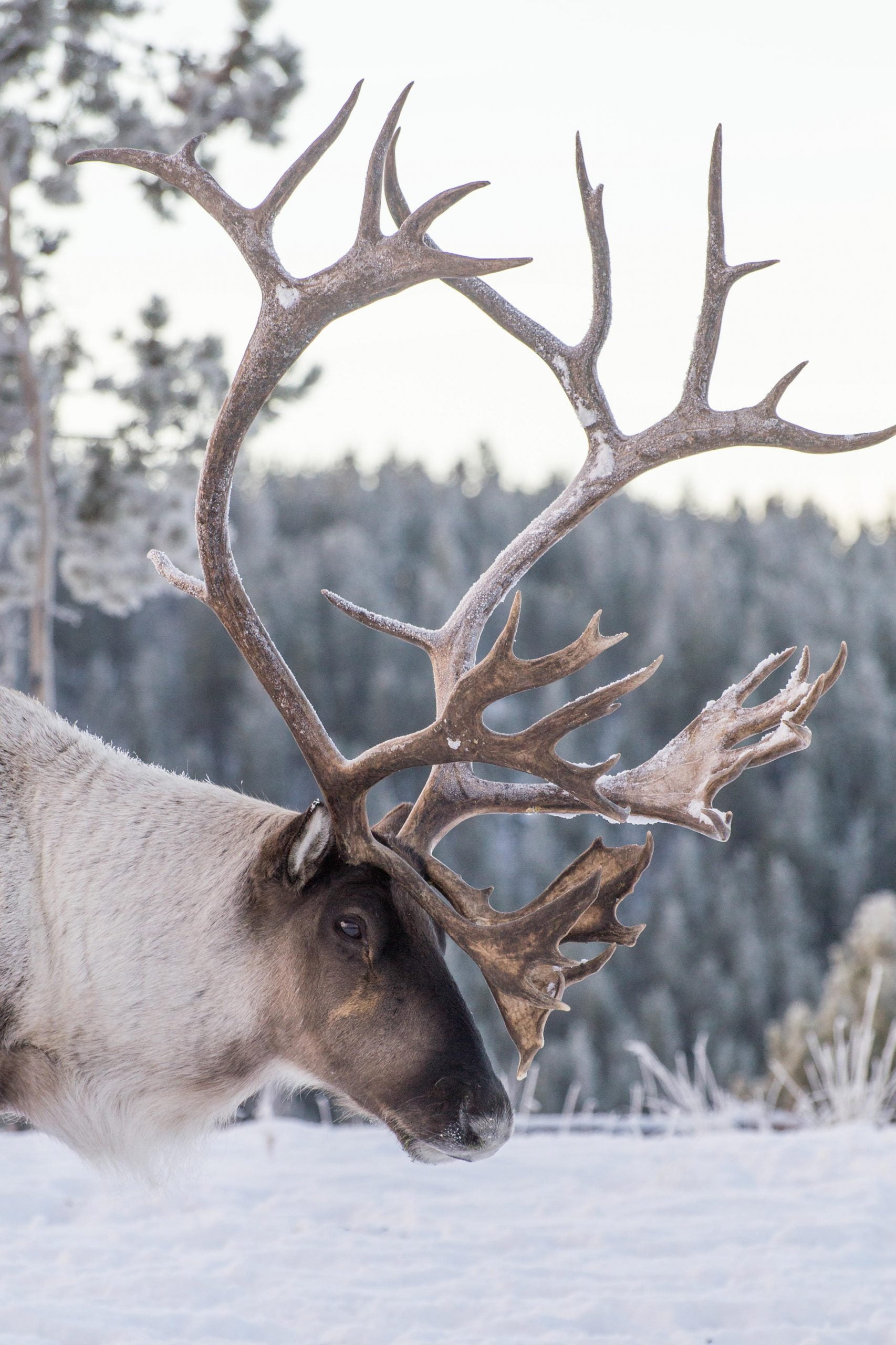
Cervids, or members of the Deer Family, grow antlers.  Only males grow antlers, with the exception of Caribou.  Photo left to right:  Caribou, Elk, Mule Deer, Moose.

Let’s begin when last year’s antlers fall off sometime in the mid-winter following the conclusion of the breeding cycle. The antlers separate from the skull at the point of attachment called the pedicel - the base. The antlers - a growth of bone that is chemically altered to fatigue when the animal’s hormones change following the rut, (a term for the breeding season), which also coincides with shorter days and less sunlight. The cast off of the antlers at the pedicle produces an open wound. Like any open wound there is some amount of bleeding, but it does not appear to be a concern for the animal, the blood clots and is washed off by precipitation and a scab like covering develops. 

Antlers separate from the skull at the pedicel, typically in the winter months.

After a couple weeks the new antlers begin to form, and it is not like a tooth where a replacement pushes the old one out of the way in order to grow, it follows a different process. A new antler bud grows in the pedicle of the animal’s skull. Soon after the antler bud has grown for a few days a soft fuzzy fur-like material forms on the bony bud. This is antler velvet and it is an organ. It contains blood vessels, capillaries and nerves that facilitate the growth of the antler over the coming months.

Velvet covers growing antlers:  it contains blood vessels and nerves to facilitate rapid seasonal growth.

While antlers are growing they are engorged with blood and are quite soft and delicate, so much so that the animal is very cautious to not damage their new antlers in any way. If they do become broken or damaged, the animal is stuck with the injured or malformed antler until the next year when a new set will grow after shedding the damaged one later in the present year. A damaged antler may also develop into a ‘non-typical’ antler where it does not match the one on the other side and is often considered a deformity. As an antler bearing animal ages there is a shift in hormone levels, just like humans, and this can manifest in antler deformities or increased ‘non-typical’ tines. As for humans, aging and hormone changes can mean greying hair or more brittle bones. These malformations can spell misfortune for a bull when it comes to successfully fighting off males and attracting females in the rut - we'll get to that soon!.

Antlers can be damaged during growth; asymmetrical antlers can be the result.  This can spell bad luck for a male when it comes to successfully fighting off males and attracting females.

Antlers grow very quickly. In fact, they are the fastest growing tissue of any mammal. If the animal has a rich and voluminous diet, moose antler growth can mean packing on a pound each day2http://www.adfg.alaska.gov/index.cfm?adfg=wildlifenews.view_article&articles_id=175, in the form of bone of course. Coastal moose in Alaska tend to grow the largest antlers due to the quality and diversity of plants that grow in the temperate coastal areas of their rain forests compared to the colder and less vegetated areas inland like the Yukon. These full sets of antlers are often referred to as a rack.

Moose happily browse the aquatic and terrestrial plants they prefer as their new antlers continue their rapid growth. The high levels of sodium found in aquatic plants help moose antlers to grow quickly. Moose adapt to the additional weight and mass of their antlers and can be very exacting in their use for scratching. They know where each antler tip is and how to control their movements with great precision. One of the most remarkable examples of how well moose can control themselves with a large rack is their ability to walk through a forest and not make a sound as they weave their way through the trees with the equivalent of a kitchen table upside down on their head. They can also scratch delicate parts of their anatomy with an antler tip with little fuss.

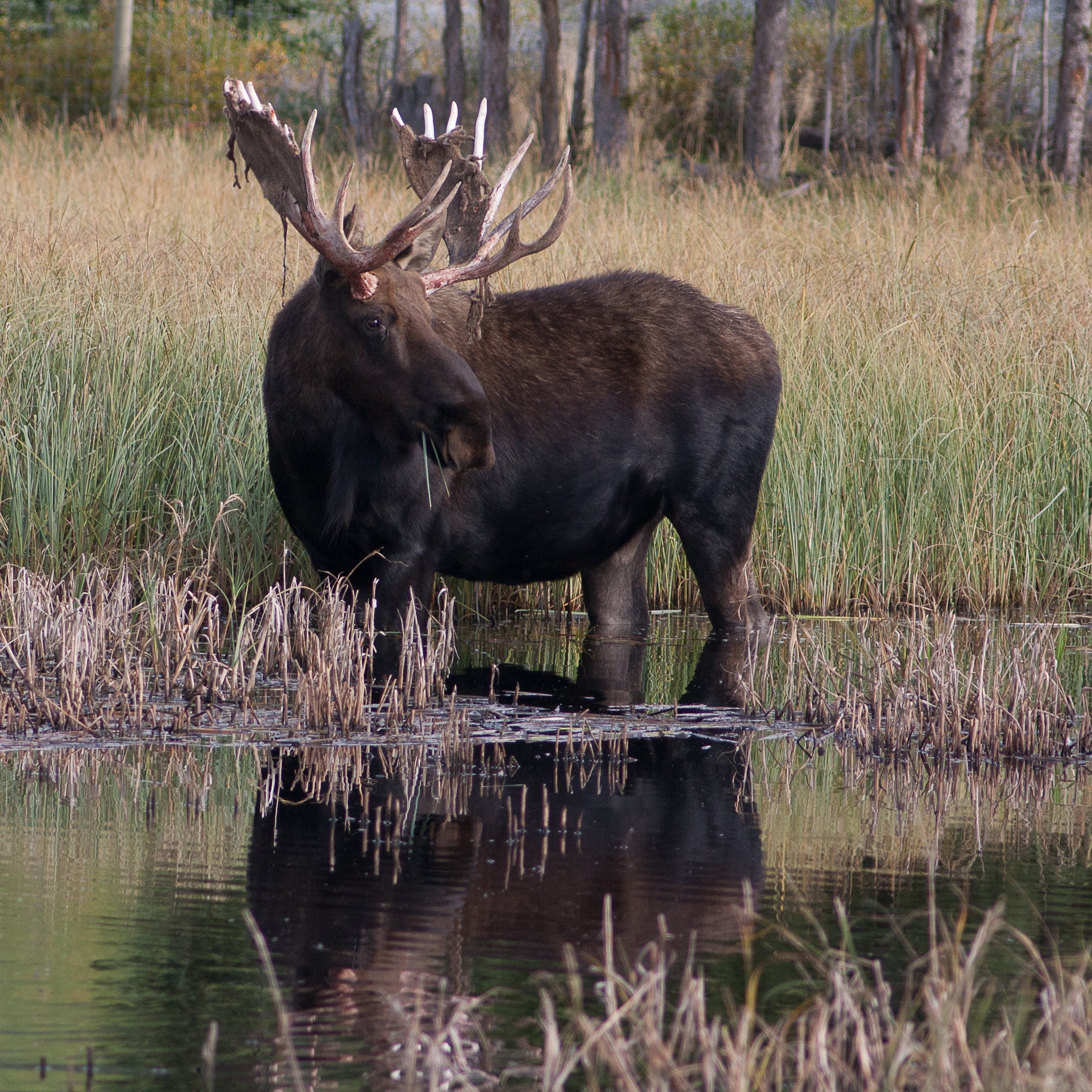
Velvet hangs from antlers as bull moose browses aquatic plants in marsh at Yukon Wildlife Preserve.

Over the summer season moose continue to gorge on vegetation as their antlers grow within the velvet encasing them, then a number of changes take place as the autumn season approaches. The first frost and dwindling day light is a turning point and triggers a hormonal change in the animal whereby blood flows back into the animal’s body and stops flowing to the antlers causing the velvet to dry after a few days and become itchy. At the same time bulls that are reproductively mature experience other hormonal changes in anticipation of the rut.

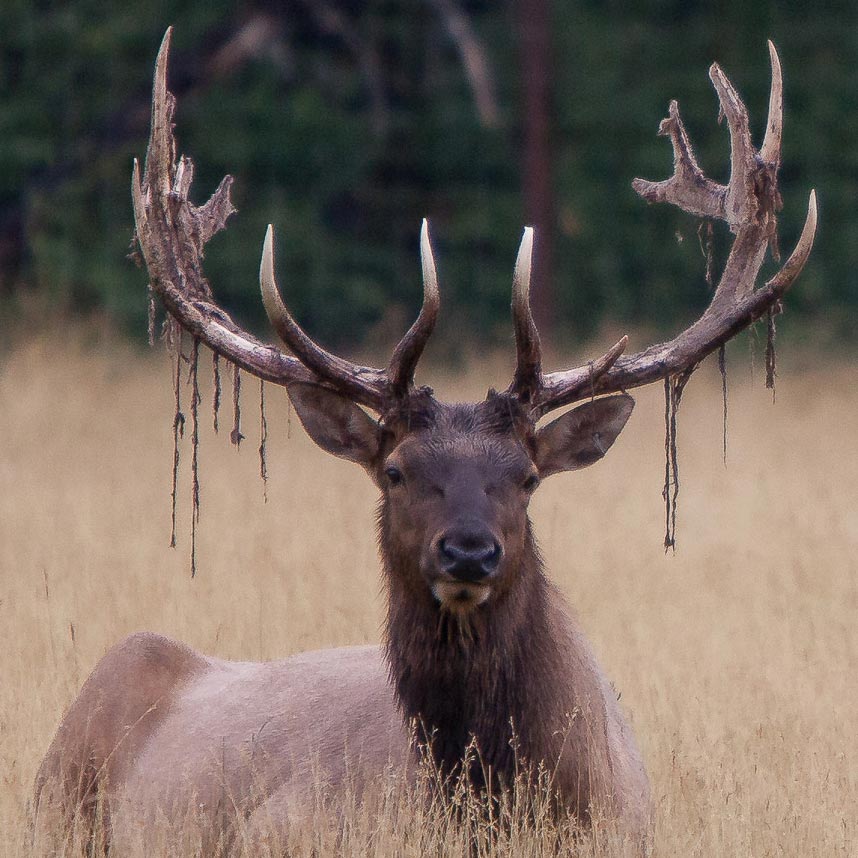
The itchy antler velvet gets rubbed off on trees and the bulls do not look their best as ribbons of bloody velvet hang from their antlers. As they dry, the antlers grow hard due to the process of mineralization and result in a two-type cartilage and bone structure3https://www.msudeer.msstate.edu/growth-cycle.php. The inner portion is less dense, spongy bone that has been highly vascularized during growth. The compact outer shell of the antler is of greater density and is very strong and solid and will become the weapons used when fighting other bulls during the rut which is coming up fast.

Once velvet has shed, antlers calcify becoming strong and solid.  Males are now ready to challenge each other for breeding rights to females.

In preparation for the competition among the bulls (males) to breed a cow (female), the bulls announce themselves by urinating on their bellies or sometimes on the ground and then roll in the mud produced. The purpose of this is to get their scent or pheromones to be carried on the breeze letting the cows know where he is; his readiness to mate and making it easier to be found. Of course other bull moose smell this too and a number of them will gather in a common location on a mountain pasture and their mating fights begin as the bulls gather for the annual main event.

Bears, wolves and other predators also smell the moose pheromones and for them it is like the ringing of a dinner bell and they too gather nearby to take advantage of the situation that will soon unfold.

Elk males, like moose, may announce themselves by urinating on their bellies or sometimes on the ground and then roll in the mud produced

Bull moose stop eating when they go into the rut, partly because of the change in their hormones and also because they don’t have time as they are quite busy chasing other bulls away or fighting with them. Some moose can lose a substantial amount of weight when in the rut rendering them weaker and susceptible to greater injuries. Antlers can do some serious damage to other moose where an eye could be lost, a major organ could be pierced by an antler tip or many other injuries, such as muscle punctures could be sustained that would make it much easier for a grizzly to be successful in it's hunt for food. That’s why predators hang around the rutting areas, it often results in injured moose bulls that are easier to overtake due to their wounds.

When the cow moose go into estrus or heat, they are only then ready to be bred. Some documentary TV programs elude that it is the bulls’ fighting prowess that determines which bull gets to mate, that may be true but it is not the only consideration. The cow still selects which bull she will mate with and it may be the result of the fights, or the appeal of the bull’s pheromones or other factors we are unaware of. But her goal is to produce the best offspring possible and how she makes that determination is her business. The cow will only breed once, while the bull’s goal is to breed as many cows as he can.

Once all the breeding is concluded, the cows and the bulls go their separate ways and will remain isolated from each other until next year’s breeding season occurs again. During this time, the bull’s antlers fall off and the antler cycle starts all over again.

Cow moose may give birth to a single calf or twins and sometimes triplets in the late spring after the ice and snow have turned to water once again. The bulls wander independently between the low river valleys and the mountain tops browsing while their new antlers grow as they evade predators until the rut calls them back to that special place where the breeding games begin anew.

Doug Caldwell

Doug Caldwell

Wildlife Interpreter

Doug is one of the Interpretive Wildlife Guides here at the Preserve. An avid angler and hunter he has a broad knowledge of Yukon’s wilderness and the creatures that live here. With a focus on the young visitors to the Preserve, Doug takes the extra time to help our guests to better appreciate the many wonders of the animal kingdom here in the Yukon.

Explore by Category

Explore by Author