Misunderstood Moose

Misunderstood Moose

yukon

Sep 25, 2020 | 3 comments

5 min read -

You have most likely heard the phrase “Don’t judge a book by it’s cover”, implying that captivating stories can be hidden behind bland book covers. Similarly, at one time or another many of us have been judged or have judged others based on their outward appearance. Judging others based on their appearance can lead to us underestimating other people's abilities. Have you ever been underestimated? How did it feel? Due to their funny-looking, long snouts, and gangly, plodding bodies, moose are often underestimated. People tend to view moose as gentle, slow-moving animals, and often don’t associate moose with characteristics such as agile and fierce. Cartoons1Like Bullwinkle the Moose can perpetuate this impression by displaying moose as slow, friendly Canadians. But don’t be deceived by this common misperception. Though moose may look unassuming, they are capable of performing impressive athletic feats in order to find food and avoid predators.

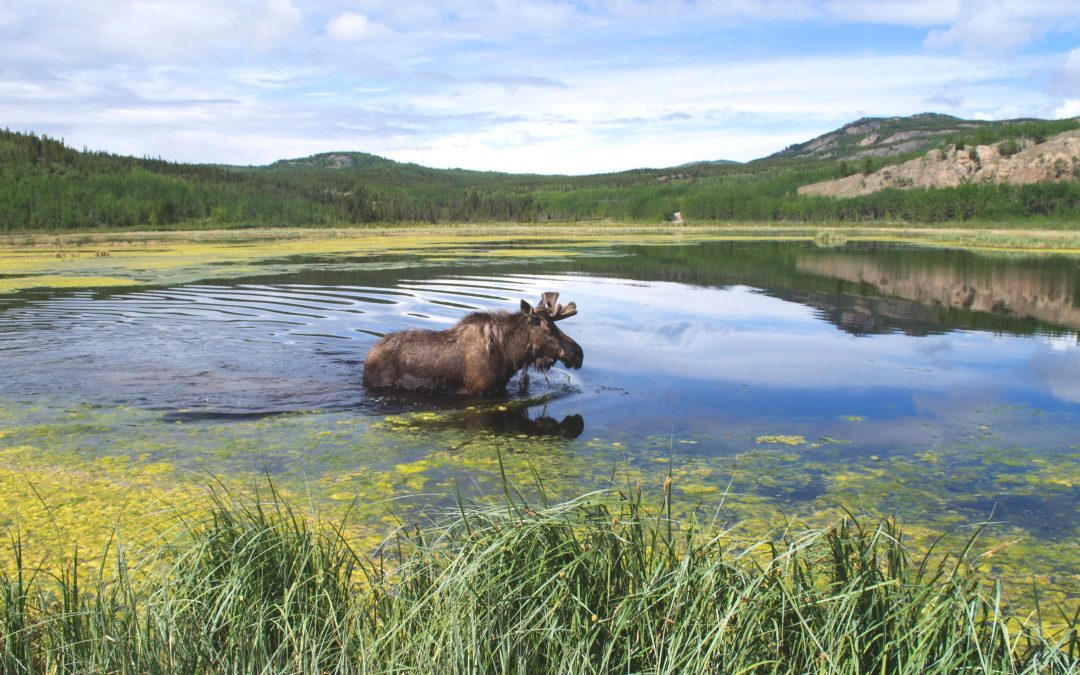
Despite their appearance, moose can easily propel themselves through water in order to find food. While otters, beavers, and other mammals that are known for their swimming ability have lean bodies and webbed feet which allow them to easily glide through the water, moose are heavy-set and have hoofed feet. Despite their size and hooved feet, moose have the advantage of being tall, and their long legs help propel their large bodies through the water. Moose also have hollow hairs, which help them stay buoyant while swimming.2National Park Service With these advantages, moose can swim as fast as 9.5 km per hour. By comparison, most humans only swim at the pace of 3 km per hour. Moose’s ability to swim quickly allows them to travel in search of food while reducing stress on their joints. Water also helps protect moose from predators because it is more difficult for predators to sneak up on them when they are in the water.3Moose Facts 

Moose swimming across Lake Laberge.  Photo credit D. Caldwell.

Photo Credit Johanna Marglowski

Moose also have adaptations that allow them to dive underwater to eat nutrient rich aquatic plants.4National Geographic To prevent water from rushing up their noses, moose have flaps that close in their nostrils. These flaps allow them to hold their breath underwater for up to 50 seconds5Holding breath Ecology and Management of the North American Moose and help them to dive up to 6 m (20 ft) underneath the water surface!6Hinterland Who's Who After a winter of sparse food resources, aquatic plants provide essential energy to both pregnant cows (female moose), and to bulls (male moose) as they regrow their antlers.
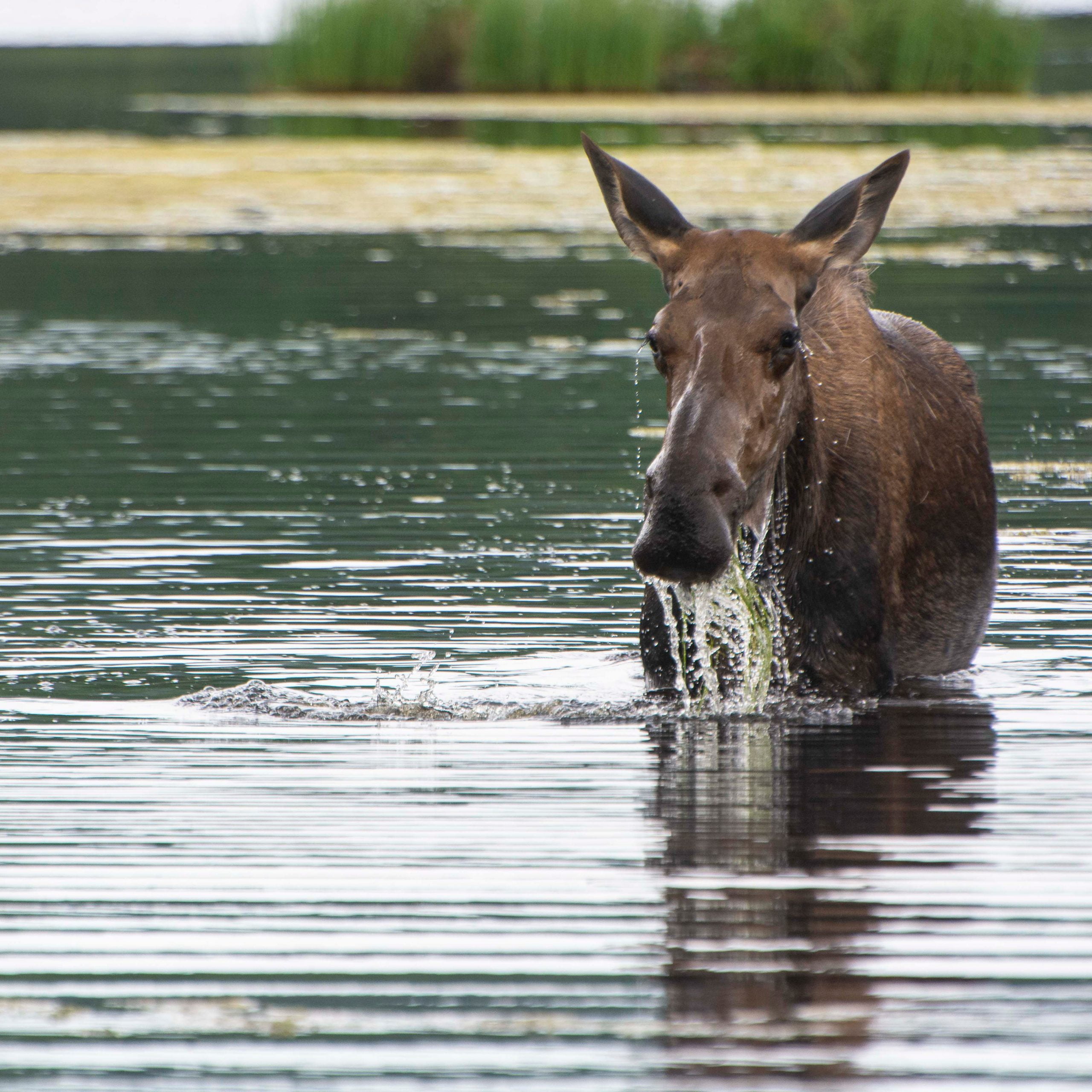
In addition to swimming, moose are also capable of running at high speeds. Being the tallest member of the deer family, a moose can stand around 6 feet tall at the shoulder, which is as tall as some professional basketball players.7National Geographic Even though moose might be too gangly to make great basketball players, their height and long legs allow them to run very fast. A moose calf can outrun the average human after only 5 days of life,8National Geographic while an adult moose can charge at a pace of 56 km per hour, and maintain a pace of 32 km per hour over longer periods. For perspective, during his world record 100 metre dash Usain Bolt ran at an average pace of 44 km per hour. However, moose do not run fast to set world records, their speed provides them protection by enabling them to run away from wolves and other quick-moving predators.

Furthermore, despite the perception of being friendly, moose are actually effective fighters. Though they sometimes use their speed to outrun predators, an experienced and healthy moose is capable of defending itself against wolves by standing its ground and fighting.9Wolves of the Yukon by Bob Hayes Moose will protect their sides by standing next to trees and high shrubs, and then use their powerful legs to stomp or kick attacking wolves, hitting them with their deadly hooves. A powerful strike from a moose’s sharp hooves can result in injury to or even kill a wolf. 

Even young moose are large animals.  The photos show 2 moose bulls; on the left a young 1 year old and on the right a more mature bull of many years of age.

So, are moose really the plodding, polite animals that cartoons depict them as? Have you ever underestimated moose based on their goofy-looking appearance? As we have seen, instead of being slow, and plodding, moose are impressive athletes. Moose are capable of swimming through and under water, which allows them to more easily travel in search of food and access the nutrients they need during pregnancy and to grow antlers. Moose are also capable of running at high speeds and of fighting off other animals, which helps them survive attacks from wolves and other predators. Each of these athletic capabilities are important survival mechanisms that help moose thrive in the wild.

Tasha Mazurkewich

Tasha Mazurkewich

Wildlife Interpreter

Tasha is a self-proclaimed animal enthusiast and adventurer. Originally from British Columbia, she enjoys skiing, hiking, and all things outdoors. She is happiest when she is climbing a mountain with her pup. Having recently moved up north, she has enjoyed learning about Yukon’s wildlife and landscape and is excited to share the new knowledge she has learned with visitors to the wildlife preserve
Explore by Category

Explore by Author

Fall In to Autumn

Fall In to Autumn

yukon

by Julie Kerr | Sep 19, 2020 | 0 comments

5 minute read - 

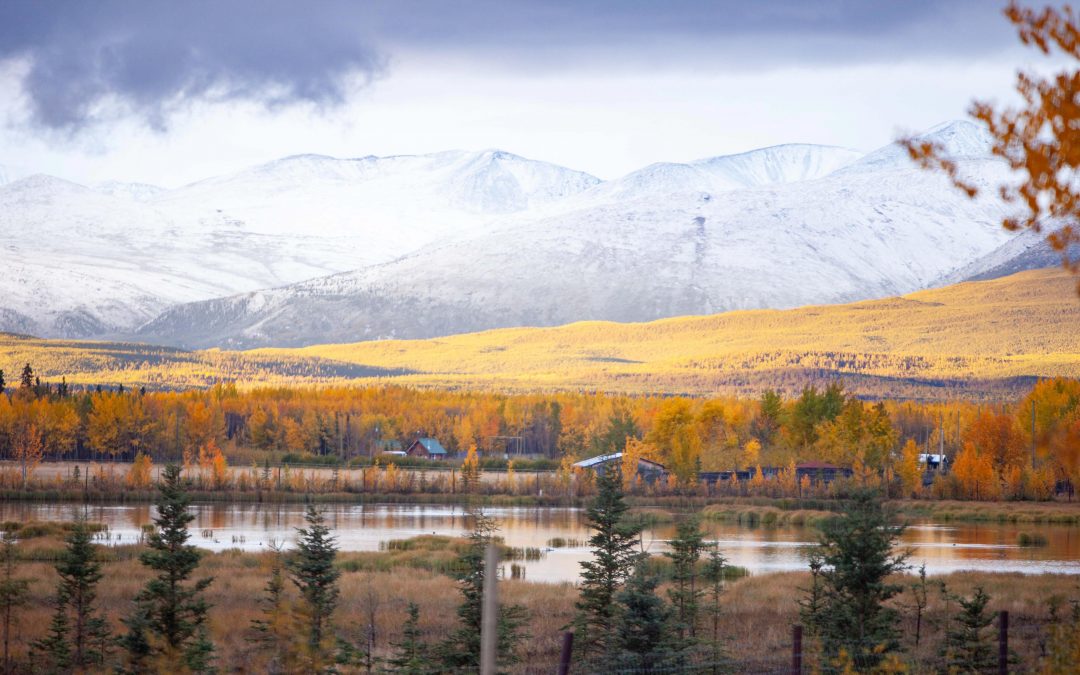
Autumn is a season of change! It’s the bridge which helps us transition from summer towards winter. What a beautiful bridge it is, with leaves blazing colour in vibrant hues of red, orange and yellow. Fireweed has flowered and the leaves are crimson. Against this backdrop the first snows fall on the mountaintops.

Birds begin their migration back to their southern overwintering grounds, after a summer spent mating, nesting, rearing young, and eating well. Before we see the V’s flying overhead, we often hear them honking and calling to each other.

In the world of ungulates, it is the time of the rut. Antlered animals have finished growing this season’s antlers; their velvet has sloughed off and now they sport their hardened, ready-to-duel finery. We can see and hear as the males clash, challenging each other for the right to breed the females. Elk stags bugle, bull moose softly grunt - calling to interested females in the area and warning off competing males.

Watson, in the foreground, has shed the velvet on his first year's full antler growth.

Those with horns are also clashing. This looks less like a duel and more like a train crash. Thinhorn Mountain Sheep rams, both Stone and Dall subspecies, run at each other and smash heavy horns together - the echo of this collision ricochets like a rifle shot. Muskox bulls have been rumbling since early August, chasing each other, establishing dominance and finally banging horns as they work to impress the females for breeding rights.

We begin to notice a lack of Arctic Ground Squirrel activity. We no longer hear the constant shrill warnings as nearby predators hunt; where are these industrious rodents? Hibernation comes early - females are already underground for the long winter ahead, and the last of the males aboveground continue to harvest and stockpile their midden, into early October. Predators such as Red Foxes can be seen traveling from one burrow-entrance to another…..looking for a disappearing meal of ground squirrel which used to be in abundance. Soon they’ll be gone completely, hibernating through the winter, under a thick layer of blanketing snow - but not just yet.

Autumn means hibernation is coming.  We've noticed a lessening of Arctic Ground Squirrel activity at Yukon Wildlife Preserve.

Humans are adding clothing layers, finding sweaters, mitts and toques in storage. We need these warm additions on the crisp, cold autumn mornings. Afternoon sunshine heats up; we turn our faces to the sun and shed those layers - it’s not winter yet! So too are the animals growing coats of winter fur, wool and hair. Mountain goats have spent all summer shedding last winter’s wool; almost immediately it’s time to grow in this winter’s layer of hair. Arctic Foxes are beginning to add some white to their brown and grey camouflage. They not only change colour with their winter fur, they also add seeming bulk. All those layers of white fluffy fur help them stay warm, maintain body core temperature and thrive in the harsh winter environment of the Far North.

Enjoying this short season is highly recommended - there’s nothing as seasonally relevant or celebratory as jumping into a pile of autumnal leaves. Cranberries are ripening, harvesting continues. Underneath the beauty of the changing season, there is a sense of urgency. Whether we are human or animal, we know winter is coming, and while it’s not here yet, time and opportunity are limited to eat, put enough weight on, or store food to survive the coming months.

Summer is over, the cycle continues. Autumn is the clear signal to prepare for what’s ahead. Fall in to Autumn; experience the sights and sounds with enjoyment, wherever you are.

Julie Kerr

Julie Kerr

Visitor Services Coordinator

Julie is a Registered Veterinary Technologist, living and working in Whitehorse since 2012. She joined the team in May 2018. She is passionate about wildlife, nature and living in a conscious manner with both. Her free time is spent outdoors observing wild animals and ecosystems; her connection to the natural world around her brings great joy – joy she loves to share with anyone interested. Honestly? Work and life blend rather seamlessly.

Explore by Category

Explore by Author

Mountain Slopes – Yukon Wildlife Preserve

Mountain Slopes – Yukon Wildlife Preserve

yukon

Sep 5, 2020 | 0 comments

11 min read -

The Yukon Wildlife Preserve features eleven iconic northern animal species, but if you look closely at each of the three primary habitats on the Preserve you’ll see many more species than “only” eleven. The three primary habitats include: grasslands, wetlands and mountain slopes. Each of these habitat types support animal and plant species that have evolved together over millions of years resulting in communities where they all make a living and contribute different values to the continuing health of their specific habitat. In this three-part series we’ll review each habitat and examine the greater community it represents, concluding with mountain slopes.

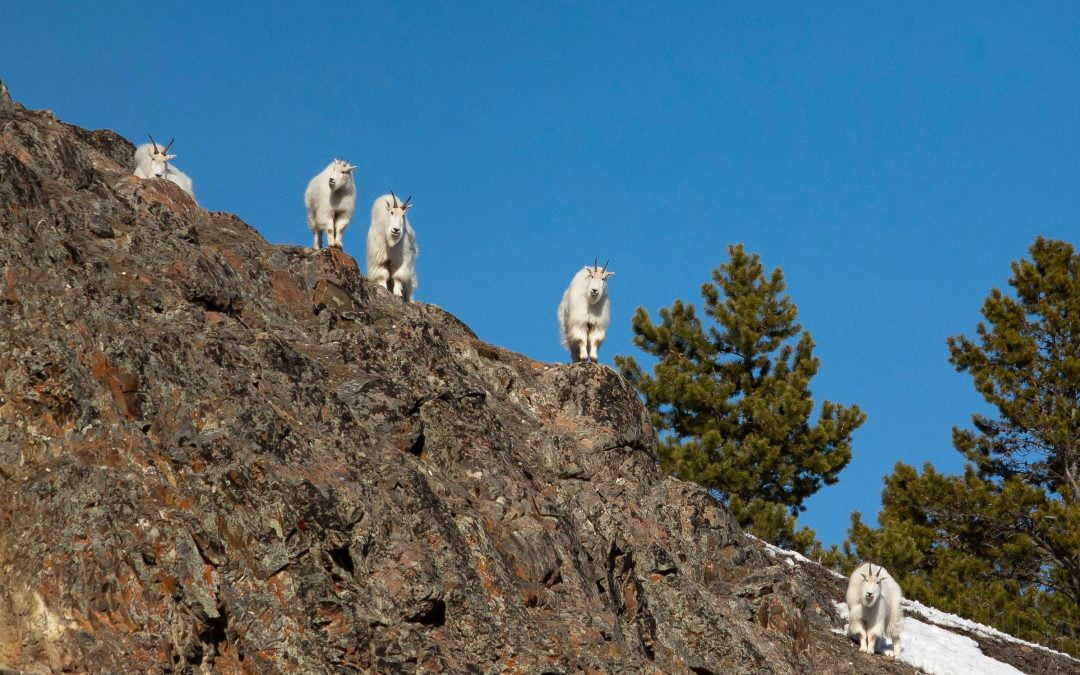
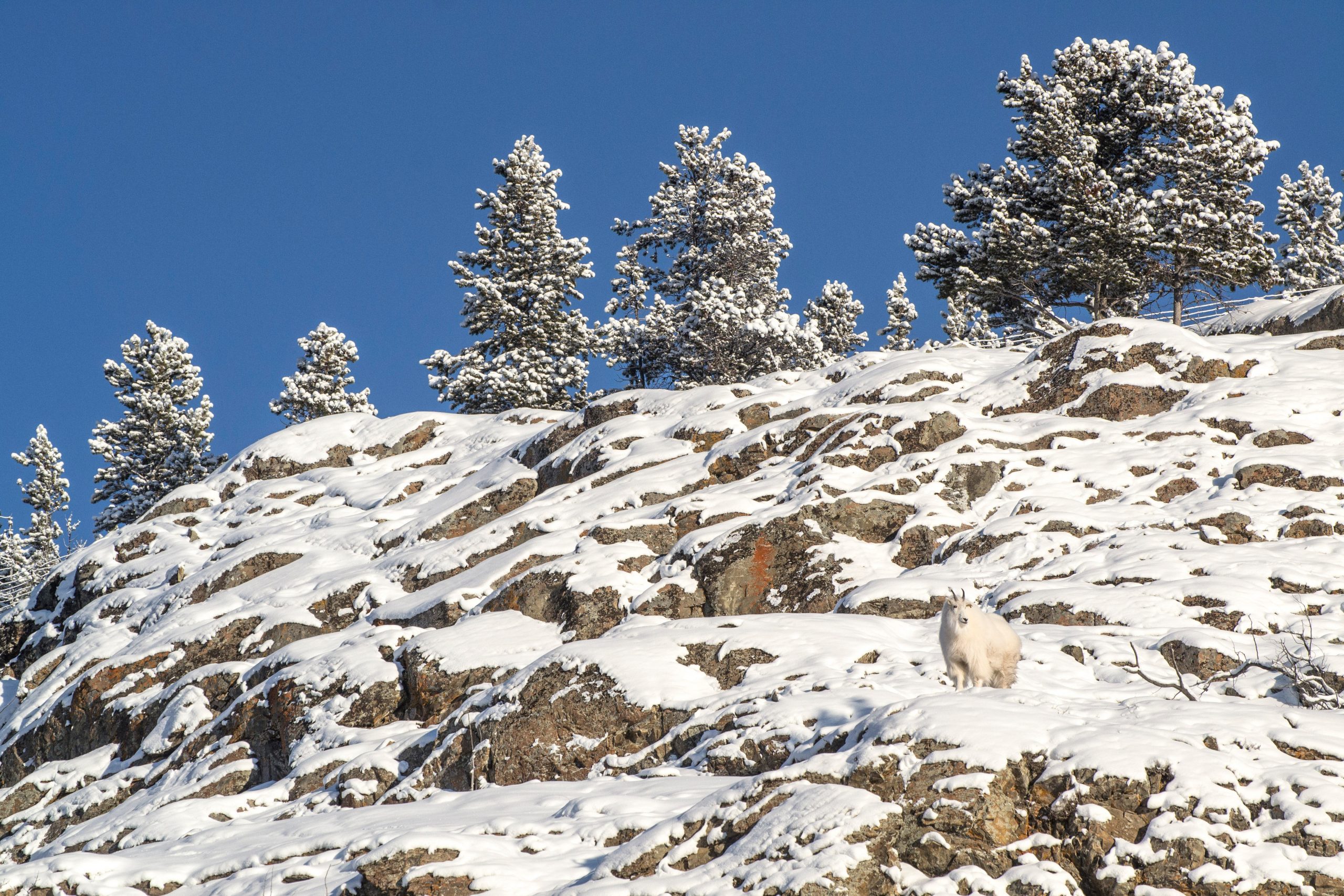
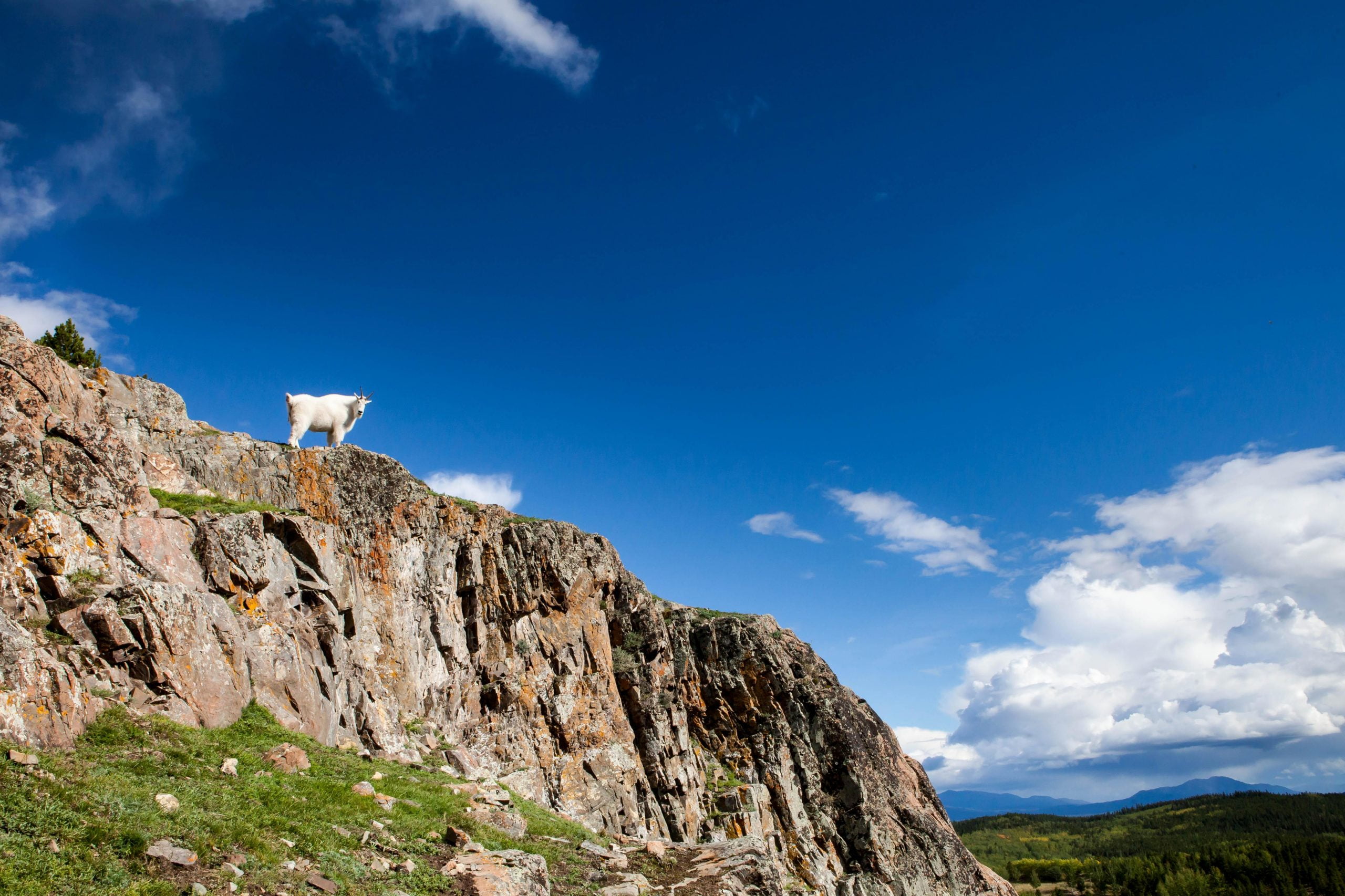
Mountain goats on their cliff habitat at Yukon Wildlife Preserve

Looking around the local landscape we easily see the topographic differences near to us and in the distance. These elevational changes of the geography influence how animals move, reproduce and make a living. Some have evolved physical adaptations providing them with advantages to live in different habitats compared to other species.

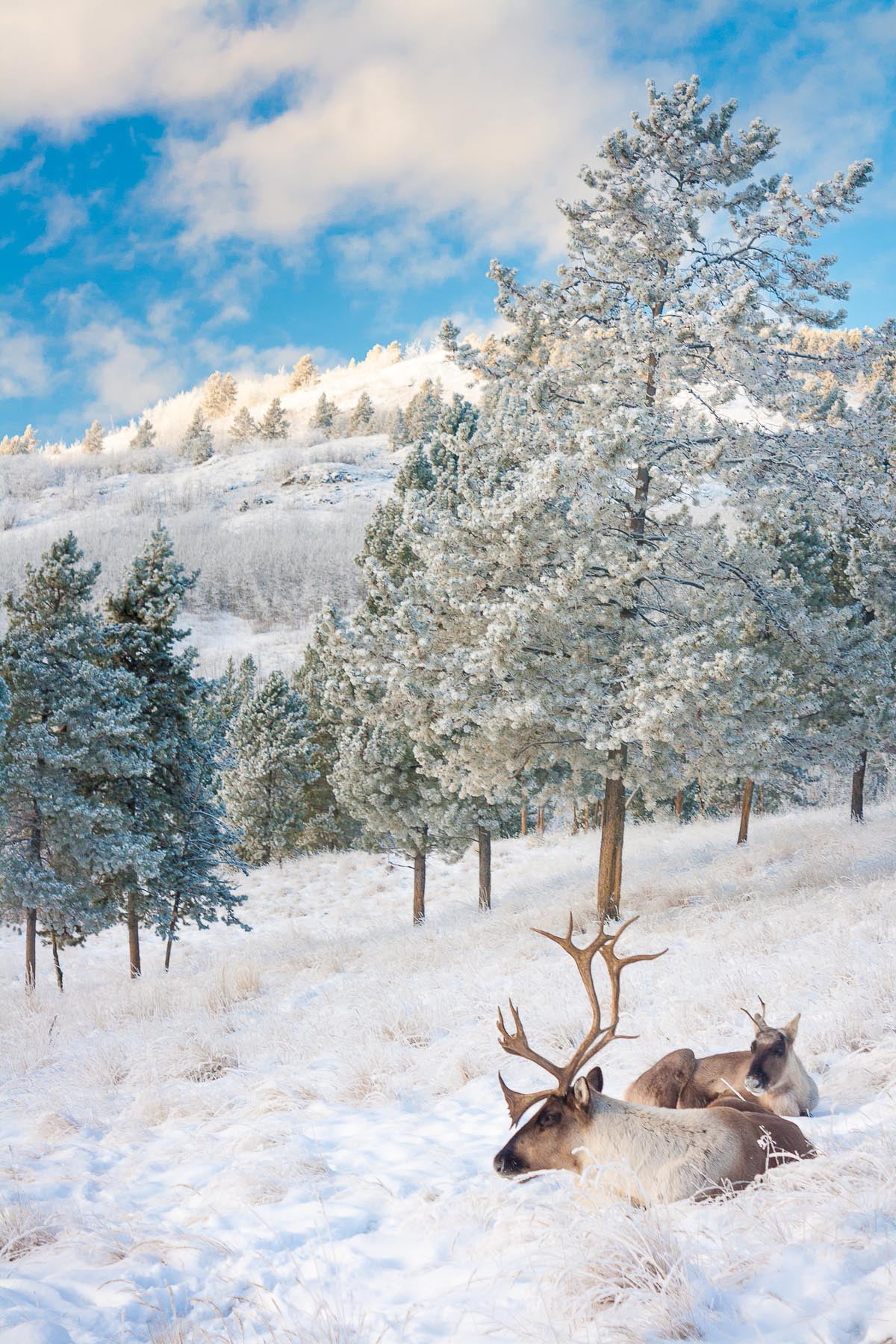
Some creatures have evolved to live on the rock faces of mountainsides, while others are better equipped to live in the valleys often near rivers and other water bodies. Some other species can live easily on all land types, like the Caribou that often travel great distances over all types of terrain along their migration paths.

 Caribou often travel great distances over all types of terrain along their migration paths.

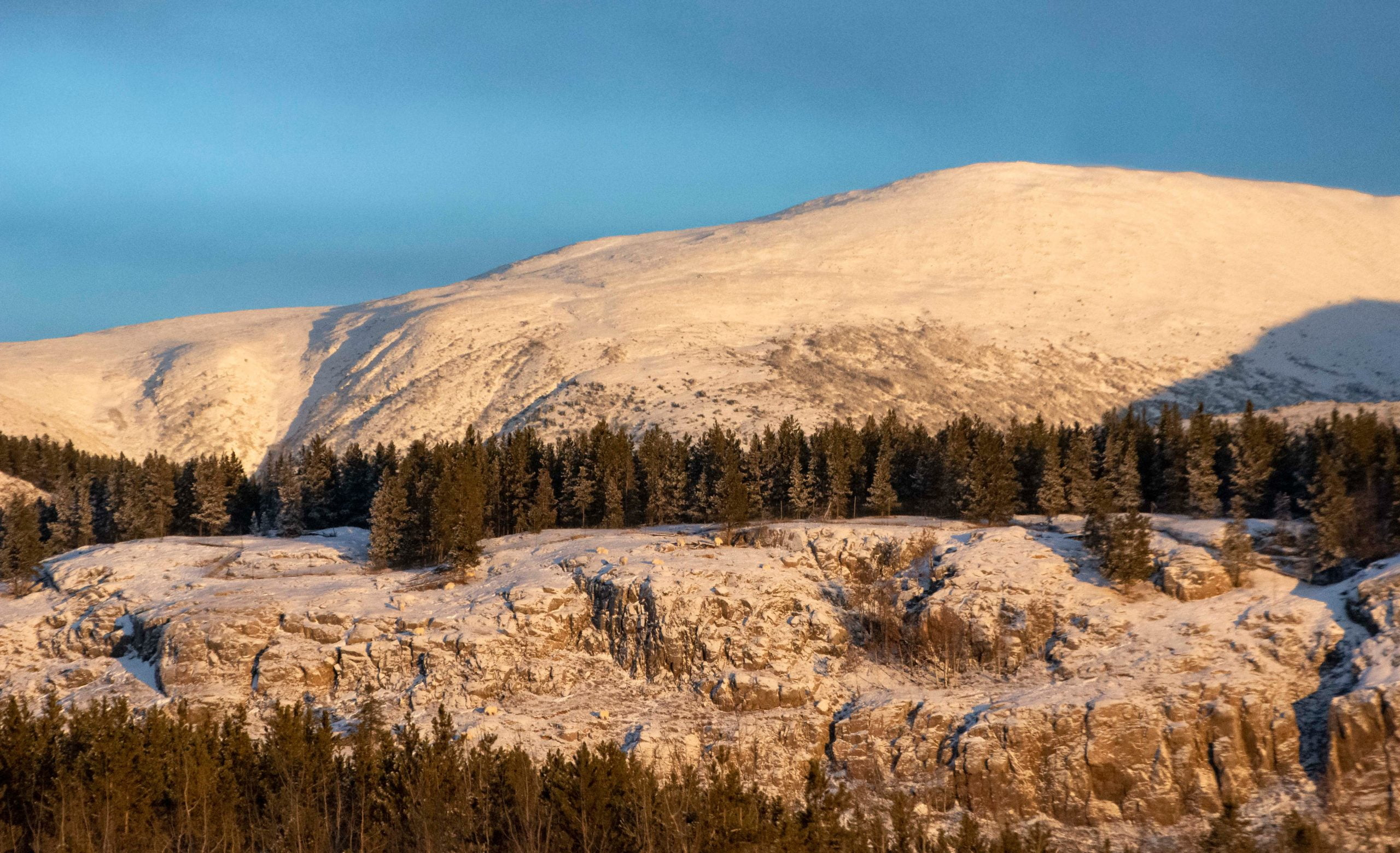
The land all around us is in a continual state of change as it has been since time began. The Preserve is located within the Takhini River Valley. The river is south of us, only a few hundred meters away. Glaciers filled this valley up until about thirteen thousand years ago. While they were here, the glaciers altered the landform in some very dramatic ways as they bulldozed great areas of soil and rock, gravel and forested areas resulting in what we can see today. Look at the mountain tops across the valley and you’ll see the smooth rounded tops where the glaciers ground them down; and the other mountains with jagged and pointed tops indicating where the glaciers did not have a similar impact because they did not grow that high. However erosion is still at work as the influences of wind, rain, ice and snow continue to alter the landscape.

This type of landform provides a spectrum of variables that influence the safety, nourishment, and rearing of offspring that many species have adapted to over thousands of their generations.

Going back millions of years, many species evolved due to the influences of what they prefer to eat and where that food source could be easily found throughout the year. For example, beavers depend on wooded vegetation and while trees grow on mountain slopes, beavers had greater opportunity and benefit to feed on the vegetation that grows next to waterways, so beavers evolved to be more adept at swimming and thriving in an aquatic environment that also sustains certain species of trees that beavers adapted to thrive on.

Mountain Goats and Sheep are the megafauna species featured in the rocky habitats here on the Preserve, They evolved specialized hooves and muscle groups to allow them to move quickly, and safely, on the various rock types found on these slopes.

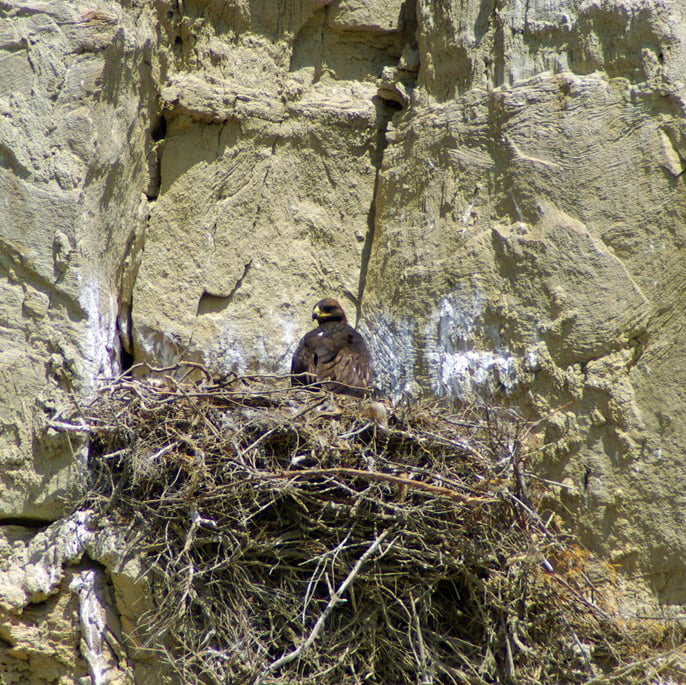
Of course there are numerous other species present here as well and while they have not evolved noticeable physical adaptations to live on the rocks, they have learned how best to live in this habitat and find the resources required to raise a family and make a living. Our ever-roaming foxes are often seen walking among the goats on the rock faces in their never-ending search for food. Many birds will nest on rocky crags and outcroppings as the precarious nature of these do provide some level of protection against predators like the fox. Eagles, hawks and owls often select a high perch on the rocks as they scan the area looking for their next meal. They often build nests in the protected areas in a crack high up a rock face to take advantage of these lookout positions.

Golden eagle nest on Lake Lebarge's eastern shores early 2000's.  Photo D. Caldwell

Rodents also make their homes within the jumbles of rocks hoping they have chosen a safe place to raise a family. Members of the weasel family, including Pine Martin, mink, weasels and even the cunning Wolverine will seek a suitable place to den among the rock slides as well as the forested areas nearby. Bears of course also seek out suitable places in the rocks to den and hibernate over winter.There are no bears denning on the Preserve at this time that we are aware of.

Also not present on the Preserve, are other creatures like Marmots and Pikas that typically make their homes high up in the rocks and mountains of the Yukon, Some species seem to be very widespread and can be found in a variety of Yukon habitat types. While some others are localised to specific geographic locations or elevations where they have the greatest opportunity for success. The ubiquitous Arctic Ground Squirrel also favours mountain sides to make a home.

Keep in mind that numerous natural influences like wildfires, landslides, avalanches and similar disruptions may alter the living conditions for a number of animals that will need to go in search of a new home to raise a family. The same may happen when a grizzly bear selects a den near a favoured grazing area of sheep or goats. To remain safe, the sheep will seek out a new grazing area well away from predators and other dangers.

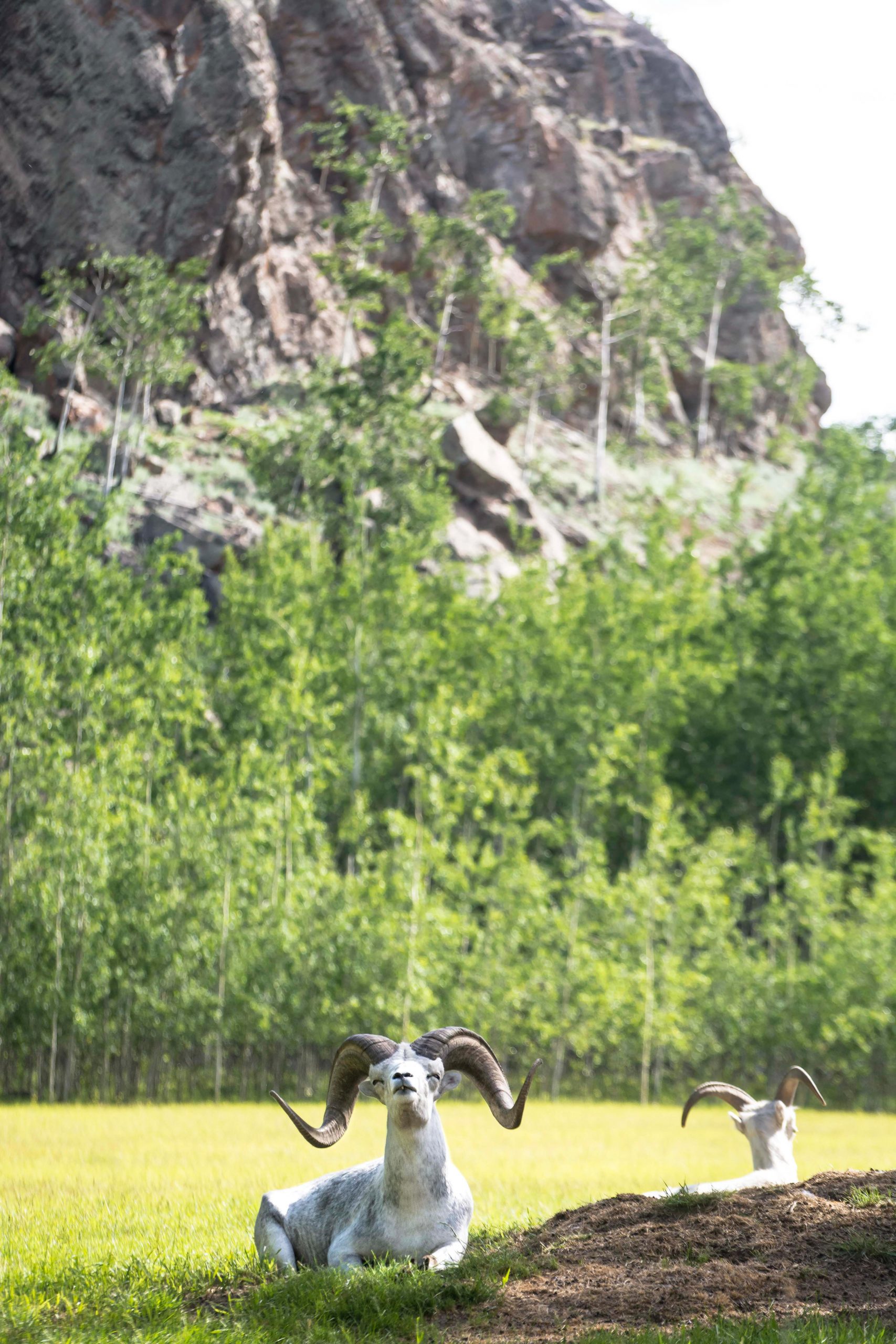
Thinhorn Sheep rams enjoy sunshine in their predator-free grazing grounds at Yukon Wildlife Preserve.  In the background we see the sheep-accessible cliffs within their habitat.

Rocky habitats are not without their dangers. During the winter season ice will form in small cracks and crevices within the rocks, as the ice becomes colder and swells it further fractures the rock sometimes making it dangerous in that it may break away completely and fall further down the slope.

Gravel screes are the deposits of smaller rocks, pebbles and dirt that have fallen from above and form a skirt of loose materials at the base of a rock face. These can be difficult for mammals to walk on quietly and safely and as such provide another level of security for the creatures that dwell on the mountainsides. Flash floods caused by voluminous rainfall and spring snowmelt can also be dangerous for the creatures that live on the rocks.

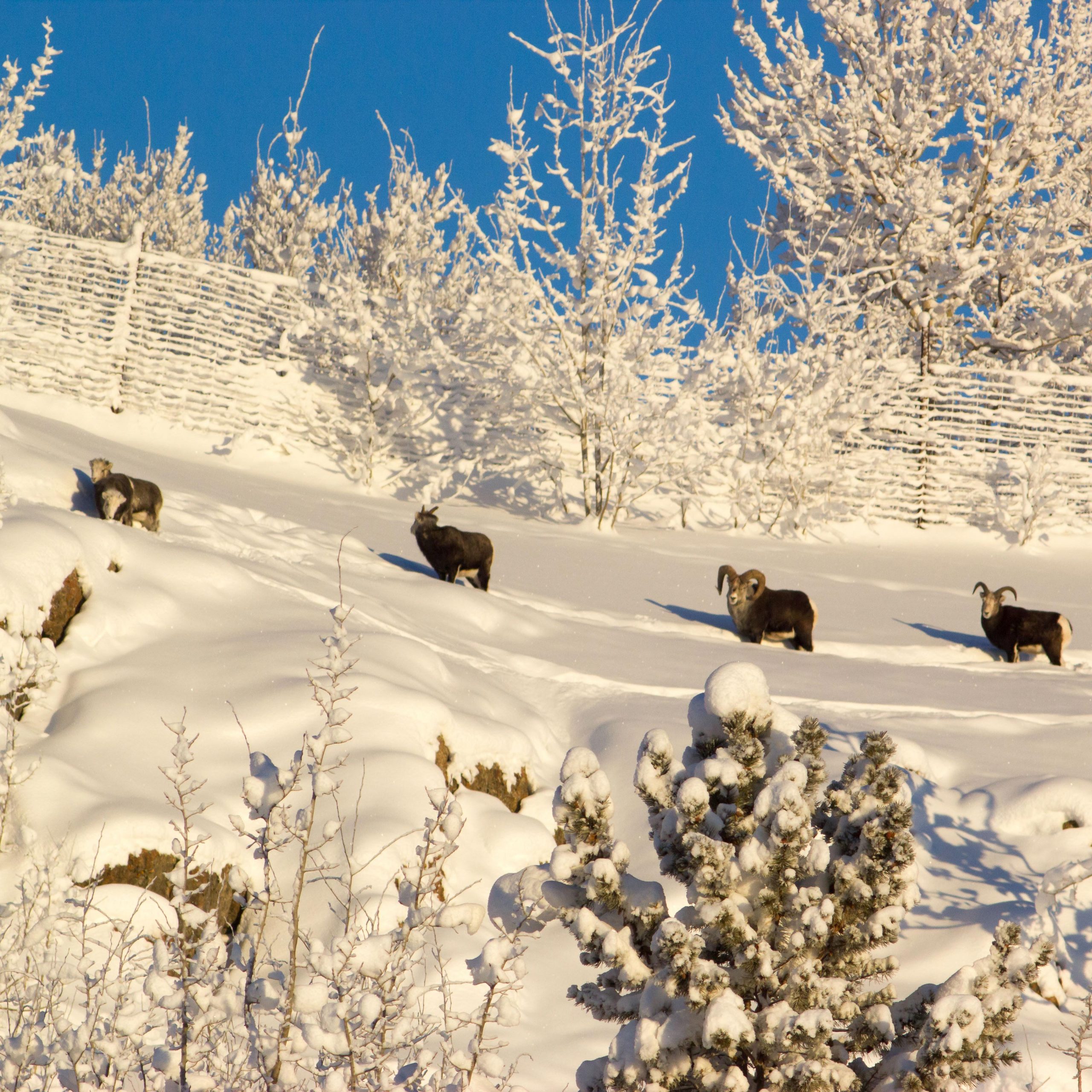
Rocky habitats are not without their dangers, which change based on the season.  Here, Thinhorn Mountain Sheep walk through deep snow along the cliff edge at Yukon Wildlife Preserve.

Because rocks warm in the sun and hold that warmth after the sun sets, some rock faces are preferred by early arriving bird species, like raptors, that will nest there to get started on raising the offspring that may hatch while snow still lies on the ground. Raptor parents teach the offspring how and where to hunt after they have learned to fly. They have lots to do within a short seasonal weather pattern, so nesting in the warmth of the rock faces provides them with an advantage to raising a healthy next generation.

Like all other habitats on the Preserve, winter brings some profound changes to mountain slopes the animals must literally take in stride. The goats and sheep cannot run and frolic on the snow covered rock faces as they do in the ice-free season. They pay closer attention to where they travel and may use alternate trail systems during these times to prevent slips and falls. They still make it look much easier than it is and they sometimes look quite smug as they look down at us staring up at them from the road.

The spring thaw also introduces new dangers as the warming rocks may cause the ice to melt from beneath, creating loose patches that can break away when a foot is placed on them. Meltwater cascading down the slope is another seasonal hazard the creatures are well conditioned to avoid. Staying warm and dry is its own reward when the chill winds blow high up on the rocks.

As the ice and snow melt away and the winter white gives way to the browns and greens of spring and the migratory populations return for another summer in the Yukon, the many animals species return to raise their families and prepare them for a life that continues to transform and evolve due to climate change and the other forces of nature like earthquakes, wildfires, floods and the influences of mankind.

It may appear that some animal species are well established and very set in their ways, however they are evolving each day to maximize new opportunities provided by an ever-changing planet and the relationships between their habitats and their ability to get what they need to survive. We humans may not notice these changes right away as they can be quite subtle and appear meaningless to us. An example of this is the recent addition of crows and hummingbirds to the Yukon. They are expanding their summer ranges north as the climate warms and they can find enough nectar producing flowers to sustain them as they explore new habitats in the north. The flowering plants they depend on are also moving further north and their presence here will result in other changes that may take us some time to see and understand as they move into habitats presently occupied by the traditional species we normally focus on. Change is all around us, but it can be difficult to see clearly or understand the scope of these changes.

So take the time to look beyond the megafauna and other species we consider to be normal, you may see something astounding. Just ask Whitehorse bird enthusiast Cameron Eckert who found and photographed an adult female Calliope Hummingbird, on Herschel Island in June of 2017, 1,800 km north of its traditional breeding range.

Doug Caldwell

Doug Caldwell

Wildlife Interpreter

Doug is one of the Interpretive Wildlife Guides here at the Preserve. An avid angler and hunter he has a broad knowledge of Yukon’s wilderness and the creatures that live here. With a focus on the young visitors to the Preserve, Doug takes the extra time to help our guests to better appreciate the many wonders of the animal kingdom here in the Yukon.

Explore by Category

Explore by Author

Playful Prey

Playful Prey

yukon

by Rebecca Carter | Aug 28, 2020 | 0 comments

6 minute read -

As many of us know from watching our dogs, cats, or children at home, young animals love to play and they play often. Play behaviour has been observed in many mammals and even in reptiles1Burghardt, G. M. (2015). Play in fishes, frogs and reptiles. Current Biology, 25, 9-10. and octopuses!2Kuba, M. J., Byren, R. A., Meisel, D. V., & Mather, J. A. (2006). When do octopuses play? Effects of repeated testing, object type, age, and food deprivation on object play in Octopus vulgaris. Journal of Comparative Psychology, 120, 184-190.   While you and I can easily imagine what play looks like, researchers still want to learn more about the function play serves in an animal’s life.

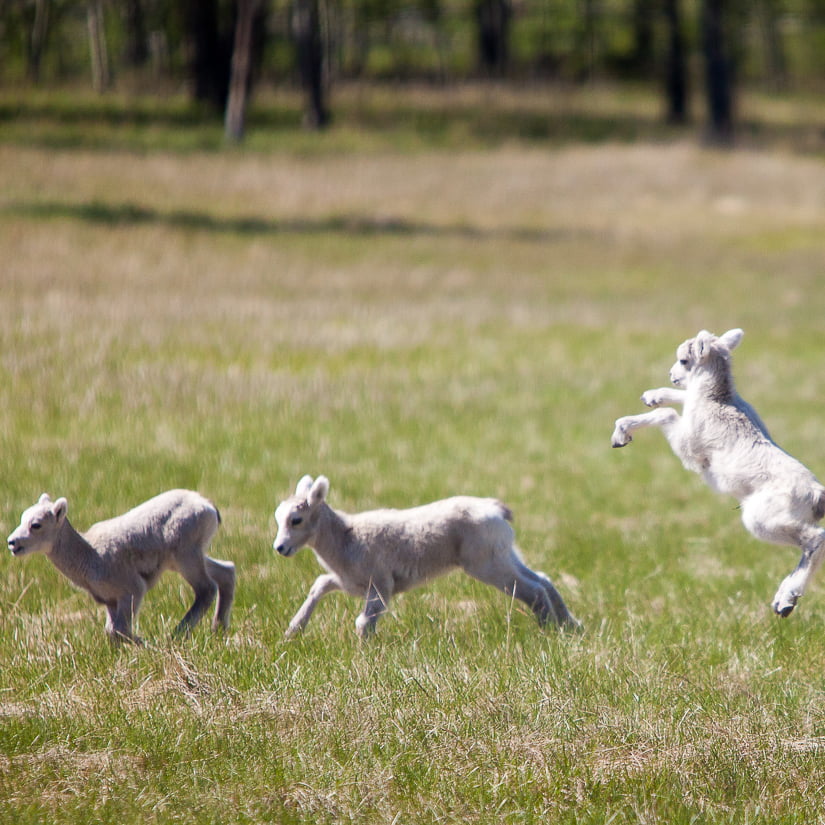
Young animals love to play and they play often. Play behaviour has been observed in many mammals and even in reptiles and octopuses!  Seen here at Yukon Wildlife Preserve, lambs of Thinhorn mountain sheep frolic in the spring sunshine.

The majority of play in wild animals occurs when the individual is young, then becoming very infrequent (if occurring at all) in adults. Other behaviours are either expressed throughout an animal’s entire life such as eating, sleeping, and social behaviours, or are expressed at a certain time due to biological constraints, like mating behaviours that only occur when an animal is capable of reproducing. But play itself isn’t constrained by biology, so being concentrated during a particular time makes play an extremely unique behaviour that must have some key role in the animal’s development.

Play also often resembles other behaviours that show up later in life.3Pellis, S. M., & Pellis, V. (2009). The playful brain: venturing to the limits of neuroscience. Oxford, U.K.: Oneworld.  Think about puppies that jump on each other with their mouths open, teeth showing, and playfully going for each other's necks, or kittens that quietly hunch down and pounce on a toy. These animals are essentially practicing for either settling dominance disputes between pack members or becoming a fierce predator respectively. Play in prey animals like ungulates (hooved animals) often mimics their predator avoidance strategies, which may be giving playful prey an advantage in survival.4 Byers, J. A. (1984). Play in ungulates. In P. K. Smith (Ed.), Play in animals and humans (pp. 5-41). Oxford, U.K.: Basil Blackwell.

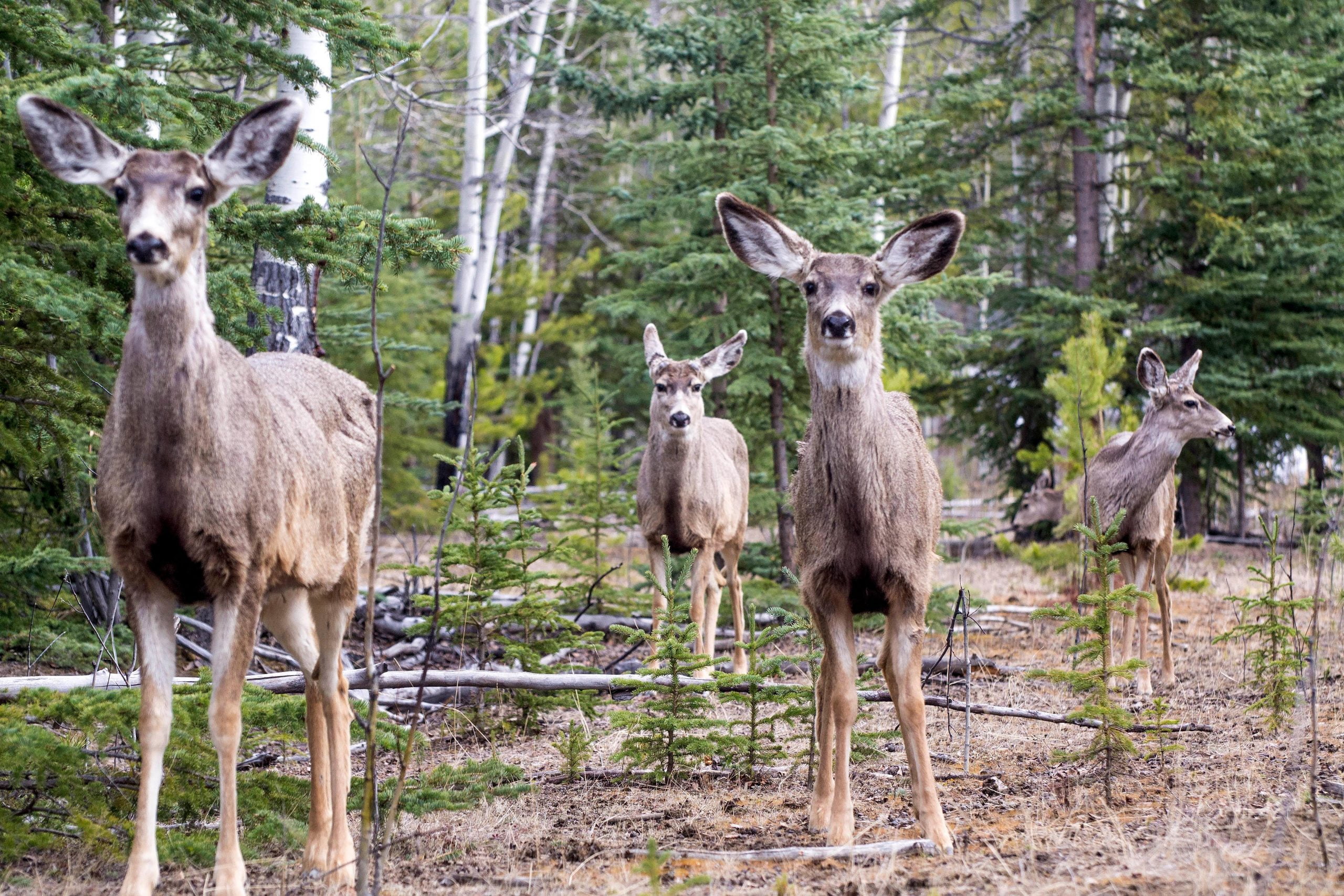
Taking what we know about play and what mysteries remain to be revealed in specific species, I looked at the play behaviour in mule deer fawns to see if this pattern of play behaviour mimicking antipredator behaviour held in this species of deer.

To avoid losing fawns to predators in the summer, mule deer females rely on a good defense that often involves a coordinated effort of multiple females. In the winter, both males and females of all ages form large social groups which lowers their individual risk of being attacked. Knowing that mule deer adults are social and rely on being able to communicate with one another especially in stressful situations, the fawns should spend most of their time playing with each other to really build on these social skills, right?

What I love most about nature is that usually our simple assumptions don’t actually hold true.

In comparison with the closely related white-tailed deer, who use their speed and agility to out-run predators and will not defend their young, the fawns of both species played very similarly, instead of matching to their antipredator strategies.5Carter, R. N., Romanow, C. A., Pellis, S. M., & Lingle. S. (2019). Play for Prey: do deer fawns play to develop antipredator tactics or to prepare for the unexpected? Animal Behaviour, 156, 31-40.

So what is happening here?

Thinking back to the timing of play, when this behaviour is most common in an animal’s life is also when the cerebellum (the part of the brain responsible for movement and coordination) is undergoing the most growth and rapidly building connections between cells. This growth is influenced by the animal’s experiences at the time, leading us to believe that play may help with modifying the brain’s development by creating more connections in the cerebellum, increasing the animal’s ability to perform movements.6Byers, J. A., & Walker, C. (1995). Refining the motor training hypothesis for the evolution of play. American Naturalist, 146, 25-40.

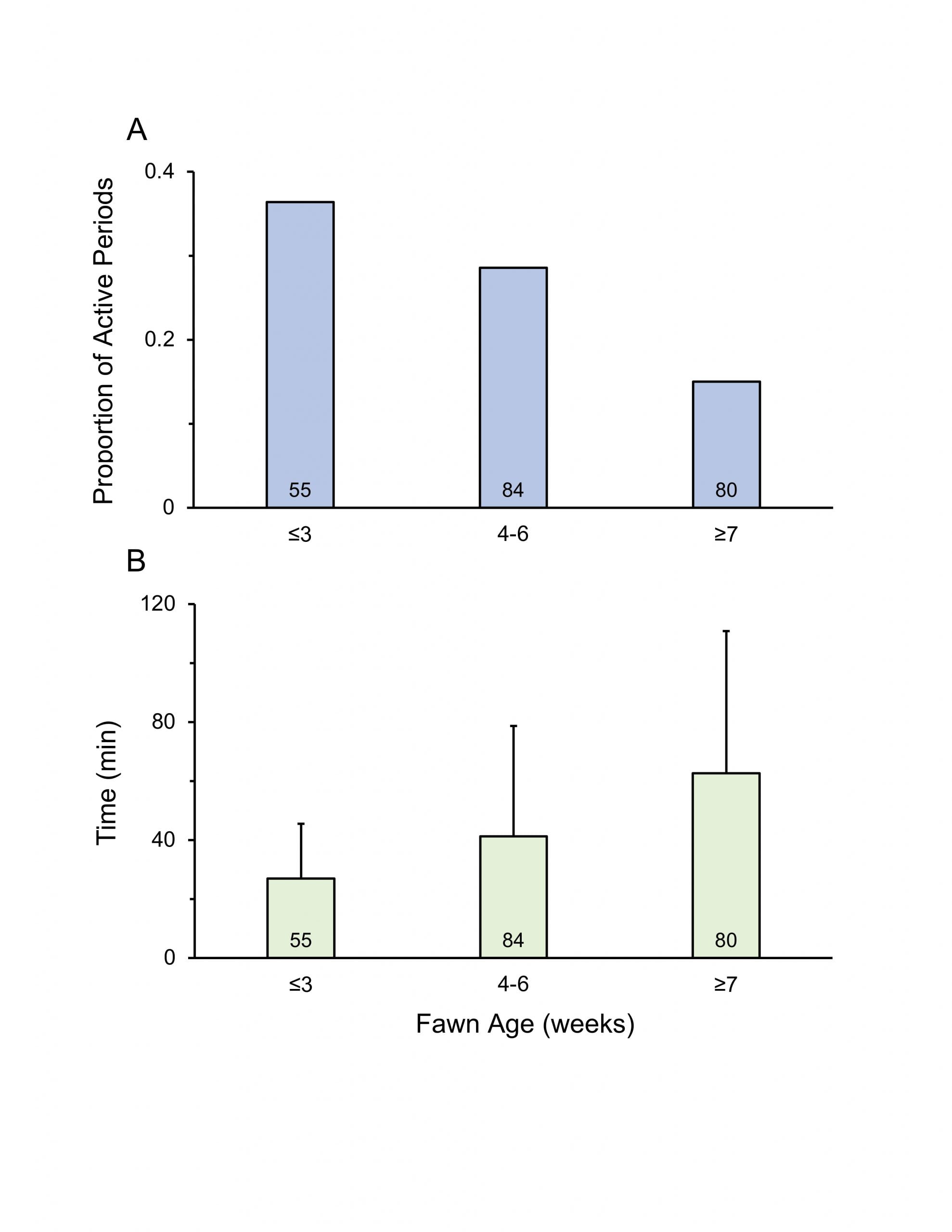
The fawns followed the timing trend with the majority of play occurring when the fawns were less than four weeks old, decreasing as the fawns got older despite becoming more active during their days overall.7Carter, R. N., Romanow, C. A., Pellis, S. M., & Lingle. S. (2019). Play for Prey: do deer fawns play to develop antipredator tactics or to prepare for the unexpected? Animal Behaviour, 156, 31-40.

Figure 1. (A) The proportion of active time in which mule deer fawns of different ages played and (B) The average duration of active time for mule deer fawns at different ages.

During play, fawns spent most of their time running, stotting, and rapidly turning around while remaining close to their mom. Running and exploring the area where you are likely spending the most time, may give fawns the opportunity to learn how to navigate their surroundings and be better prepared to escape a predator.

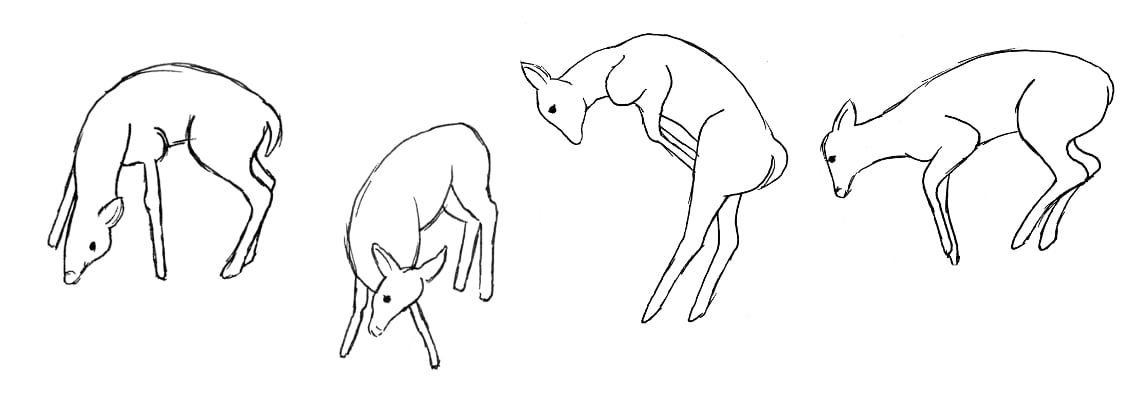
Mule deer fawns also liked to perform chaotic twisty and twitchy movements during play that caused them to stumble around and almost lose their balance (though in a couple of instances the fawns did fall over!). These are what are known as “self-handicapping” movements in play and are thought to help a baby animal learn the limits of their bodies and how to correct themselves when they are close to losing their footing.8Spinka, M., Newberry, R. C., & Bekoff, M. (2001). Mammalian play: Training for the unexpected. Quarterly Review of Biology, 76, 141-168.

Figure 2. Sequence of self-handicapping movements during a fawn's play.  Play Sketch based off of a video recording of play.

Imagine if a deer was trying to outrun a coyote, and that deer trips on a clump of grass. If that deer had spent time playing in a way that threw them off-balance, then they may have an easier time correcting themselves and continuing on, increasing their chance of survival.

Another part of the brain is involved here and that is the prefrontal cortex. This region is right behind your forehead and is responsible for planning, decision making, regulating emotions, and developing social skills.9Pellis, S. M., Pellis, V. C., & Himmler, B. T. (2014). How play makes for a more adaptable brain: A comparative and neural perspectives. American Journal of Play, 7, 73-98.  Animals who are not given the chance to play show an increased stress and fear response when experiencing a novel situation and have difficulty interacting with other individuals as adults. The prefrontal cortex, like the cerebellum, undergoes a lot of growth and development when an animal is young, overlapping again when animals are the most playful.10van den Berg, C. L., Hol, T., van Ree, J. M., Spruijt, B. M., Everts, H., & Koolhaas, J. M. (1999). Play is indispensable for an adequate development of coping with social challenges in the rat. Developmental Psychobiology, 34, 129-138.

Instead of mule deer fawns playing to develop their specific antipredator strategy (using a coordinated defence against predators), play may more generally improve the fawn’s overall physical and emotional resilience as they grow into adulthood, gaining and refining the skills they need for their survival. The occurrence of play directly impacting survival has been found in grizzly bears,11 Fagen, R., & Fagen, J. (2009). Play behaviour and multi-year juvenile survival in free- ranging brown bears, Ursus arctos. Evolutionary Ecology Research, 11, 1-15. feral horses,12Cameron, E. Z., Linklater, W. L., Stafford, K. J., & Minot, E. O. (2008). Maternal in- vestment results in better foal condition through increased play behaviour in horses. Animal Behaviour, 76, 1511-1518. and mountain goats 13Théoret-Gosselin, R., Hamel, S., & Côté, S. D. (2015). The role of maternal behavior and offspring development in the survival of mountain goat kids. Oecologia, 178, 175-186. with the most playful cubs, foals, and kids being more likely to survive into adulthood.

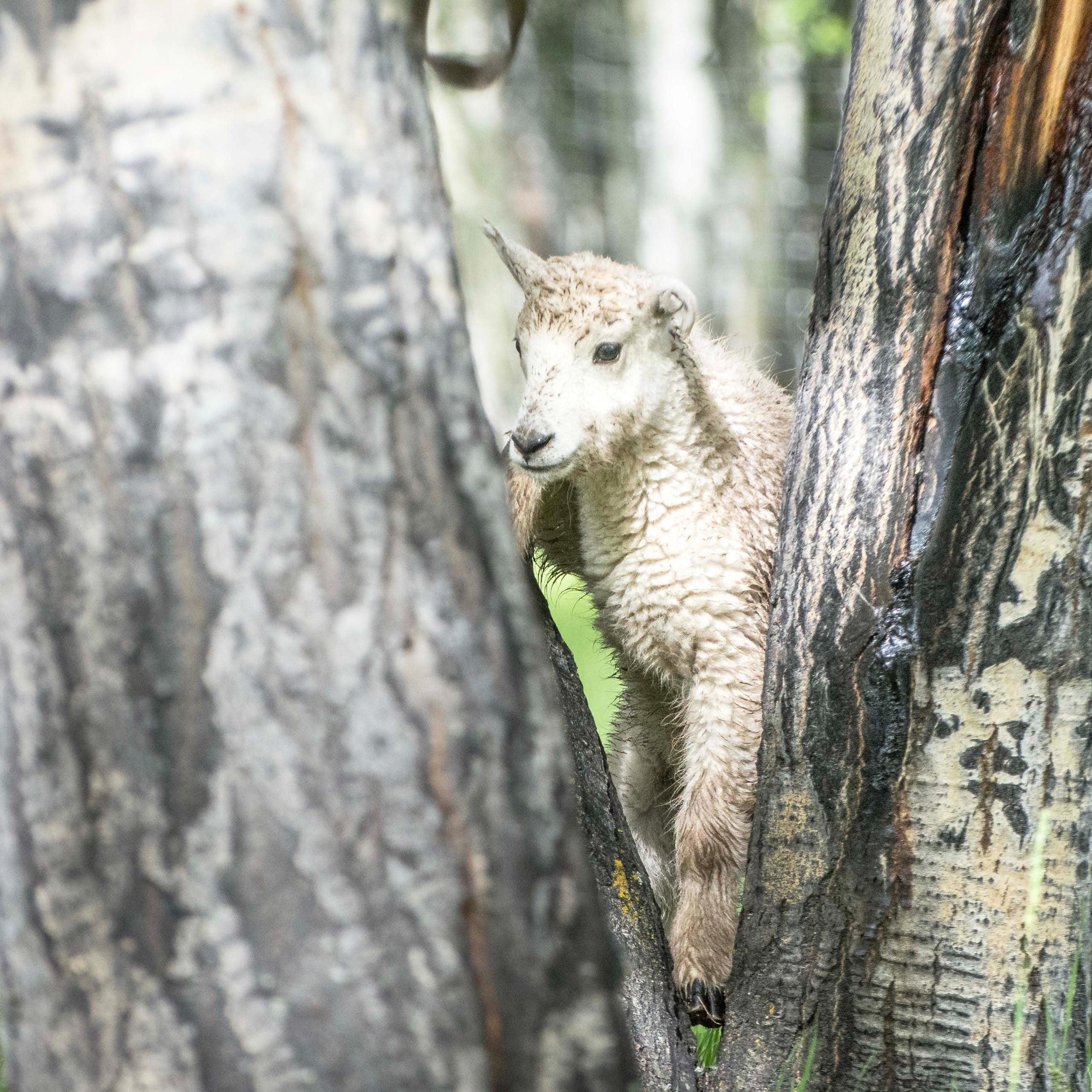
Mountain Goat kid exploring its habitat at Yukon Wildlife Preserve.   The occurrence of play directly impacting survival has been found in grizzly bears, feral horses, and mountain goats with the most playful cubs, foals, and kids being more likely to survive into adulthood.

Playing by running and jumping around builds up the fawn’s strength, endurance, and coordination – all necessary for a prey animal’s survival. Also adding in those unique self-handicapping movements that twist and disorient the fawn may help to train them both physically and emotionally for dealing with unexpected, stressful situations akin to coming face-to-face with a predator.

Play is such a common and well-known behaviour that we see it every day and could point it out at any given time, yet in terms of its function for different animals, it remains a complex and fascinating behaviour. We think of play as a fun and relaxing activity yet it seems to have a critical impact on an animal’s survival by facilitating the development of crucial motor and cognitive skills.

So next time you are watching your pets play in the backyard or your children roughhousing in the living room, you can think of all the complex brain and motor skill development that is happening as well!

Rebecca Carter

Rebecca Carter

Senior Wildlife Interpreter

Rebecca joined the Wildlife Preserve in the summer of 2020 after moving from Manitoba to the beautiful and wild Yukon. Rebecca earned a degree in Biology with honours from the University of Winnipeg studying behaviour in mule deer (one of her top 20 favourite animals.. it’s hard to choose!). She loves connecting with others through nature and sharing stories and knowledge about the animals at the preserve with visitors.
867-456-7400
rebecca@yukonwildlife.ca

Explore by Category

Explore by Author

Rehabilitation – A Wild Success

Rehabilitation – A Wild Success

yukon

by Jake Paleczny | Aug 22, 2020 | 0 comments

1 min video - 

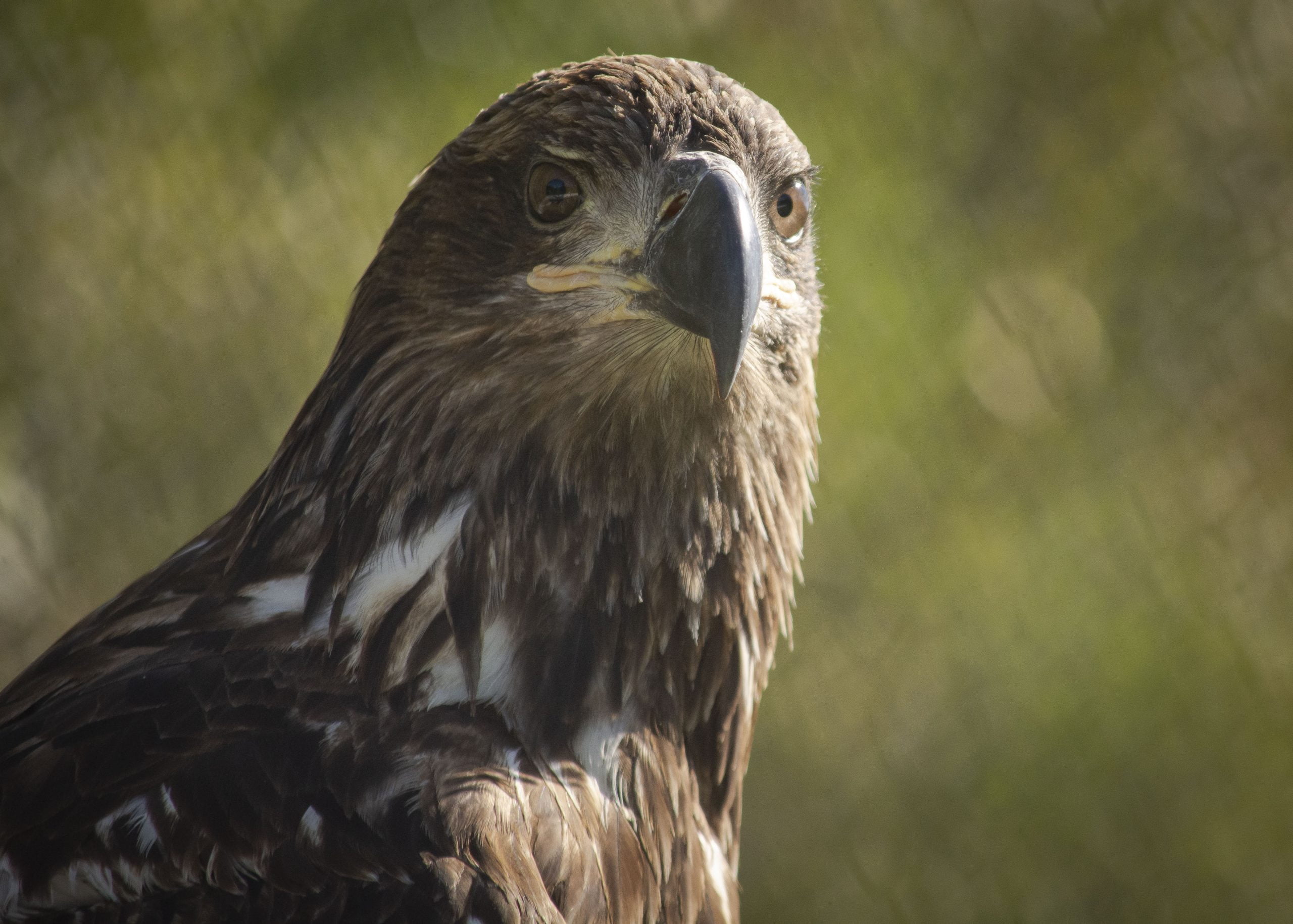
This juvenile bald eagle came to the Wildlife Rehabilitation and Research Centre in early July after it was found near Icy Waters on Fish Lake road, seemingly flightless. 

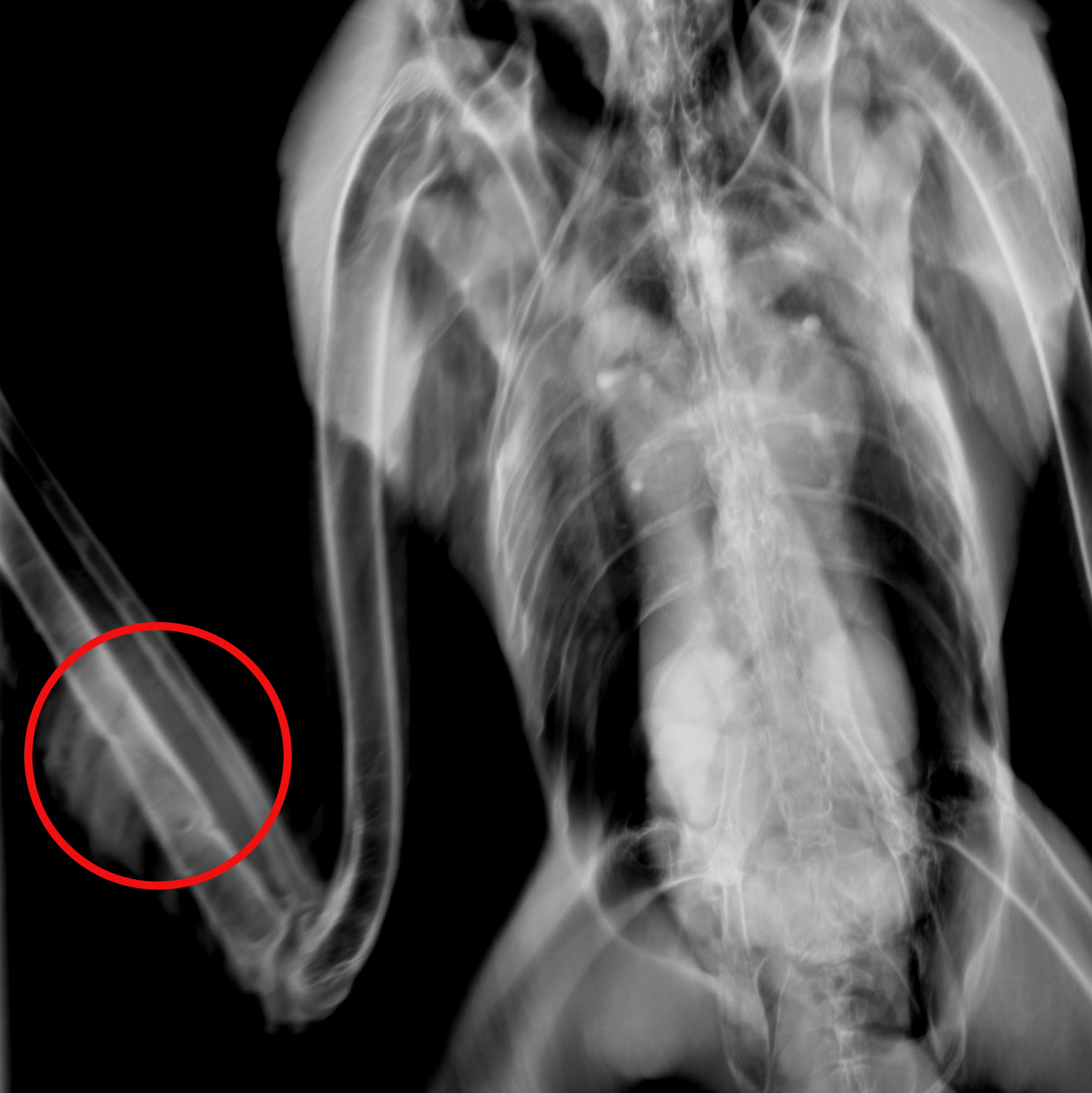
An X-ray revealed an infection.  Dr. Maria Hallock started the eagle on a course of antibiotics

The eagle was X-rayed upon arrival and it was noted that the eagle was suffering from an infection in the right wing. Dr. Maria Hallock started a round of antibiotics hidden in food.  The eagle was very reluctant to consume the medication - finding the pill in the food and spitting it out, making its recovery challenging, to say the least. 

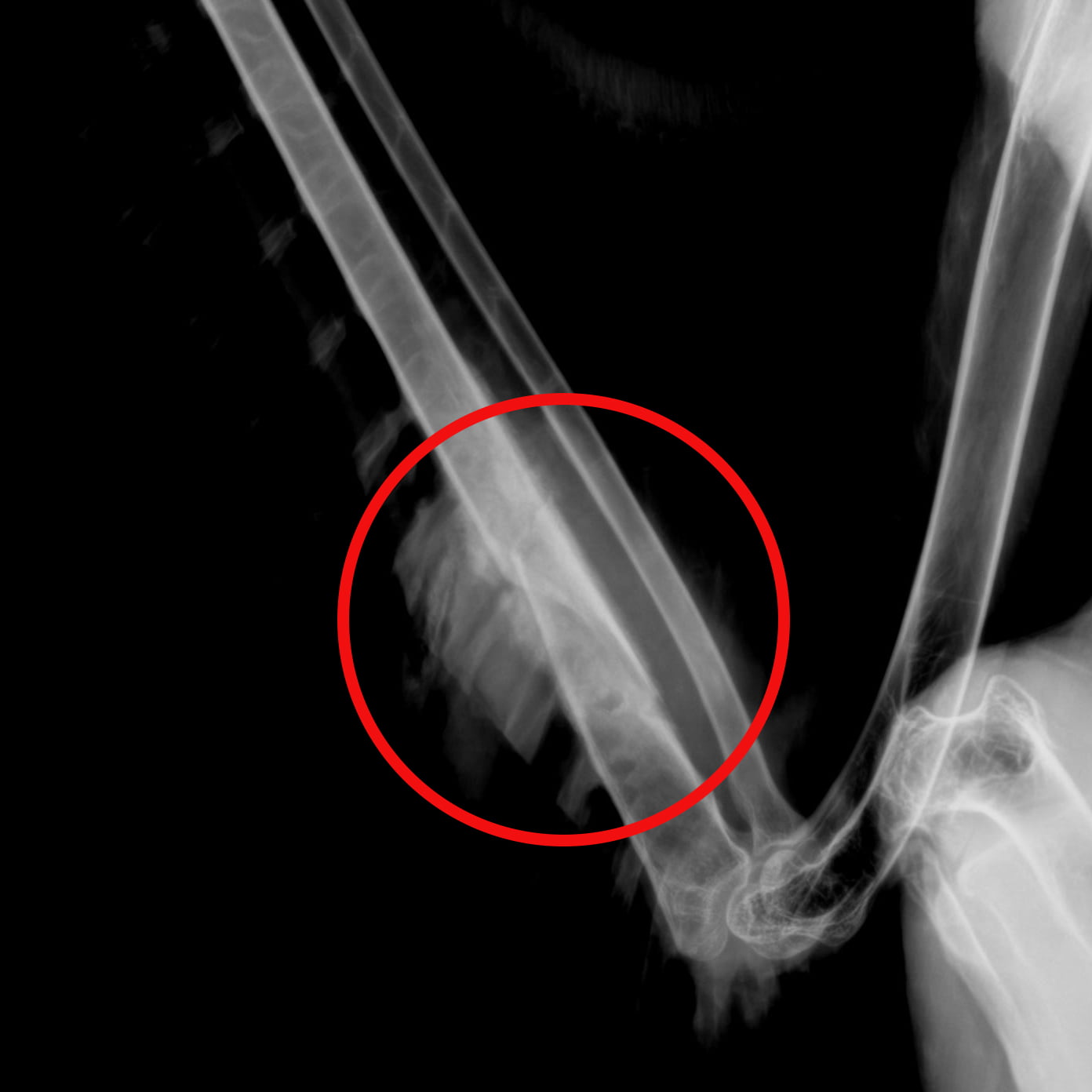
Performed after initial healing time and antibiotics bring down the infection that obscured the initial observation, this second X-ray showed a fracture to the ulna.

With more creative hiding of the medication, a week passed and a second x-ray was performed where the Animal Care team was able to see a clear fracture to the ulna, within a perfect setting and healing process.
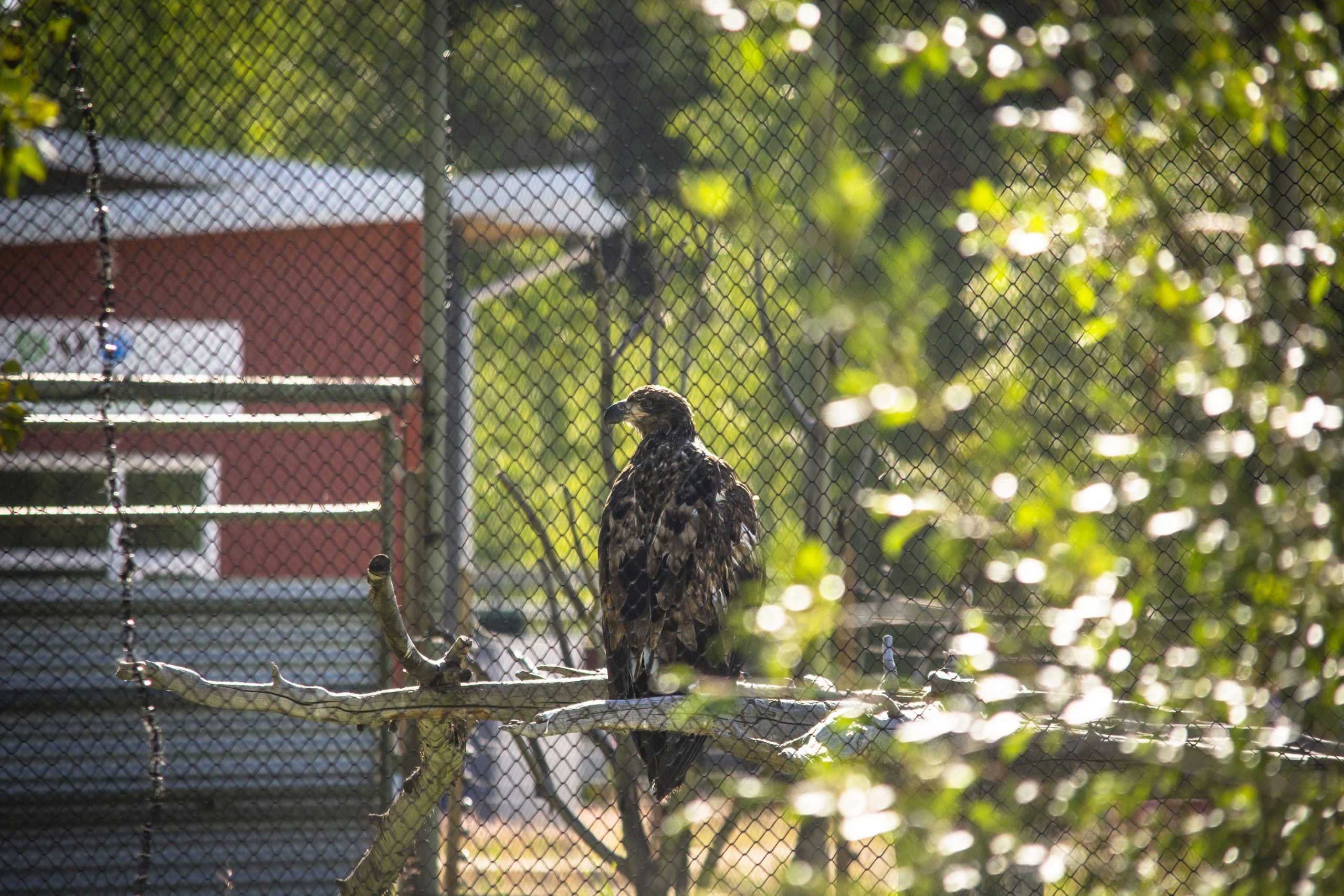
After a  couple more weeks of antibiotics and rest - the eagle was moved to our outdoor flight pen where the individual could be seen by public.

Over the next few weeks the eagle built its flight muscles and strength with the goal of being released back in to the wild.

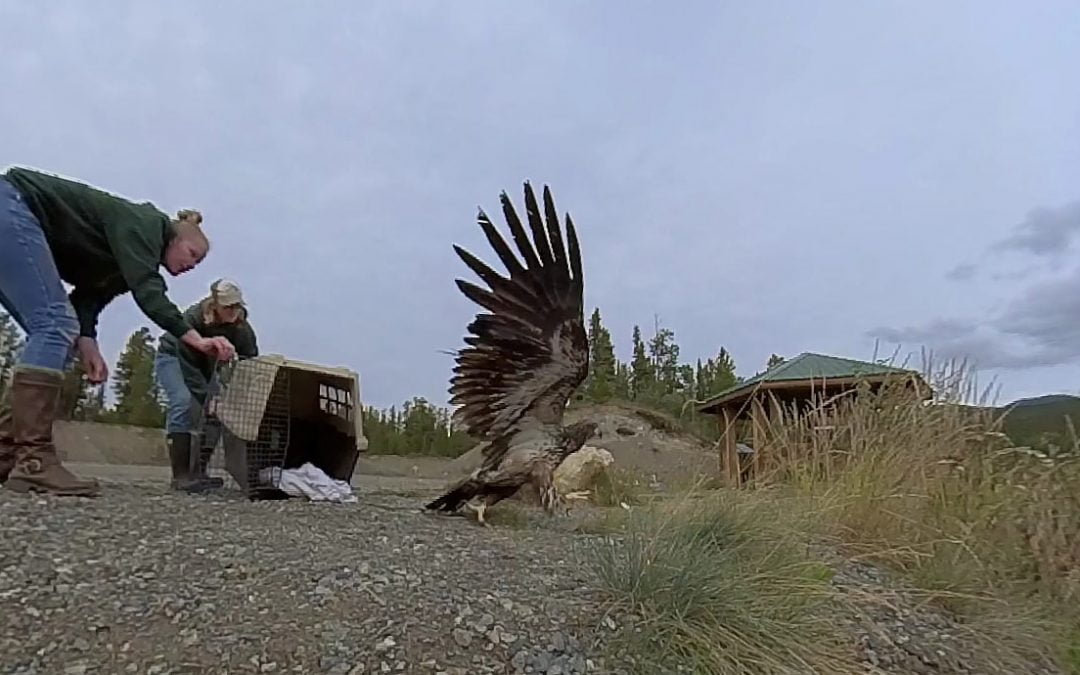
On August 21, the Animal Care team released the eagle successfully to the wild, in the MacIntyre marsh area, near the same location it was found.  It's always incredibly rewarding to give wildlife a second chance at life in the wild.

Jake Paleczny

Jake Paleczny

He/Him - Executive Director/ CEO

Jake Paleczny is passionate about interpretation and education. He gained his interpretative expertise from a decade of work in Ontario’s provincial parks in addition to a Masters in Museum Studies from the University of Toronto. His interests also extend into the artistic realm, with a Bachelor of Music from the University of Western Ontario and extensive experience in galleries and museums.

867-456-7313
jake@yukonwildlife.ca

Explore by Category

Explore by Author