Rehabilitation – A Wild Success

Rehabilitation – A Wild Success

Preserve

by Jake Paleczny | Aug 22, 2020

1 min video - 

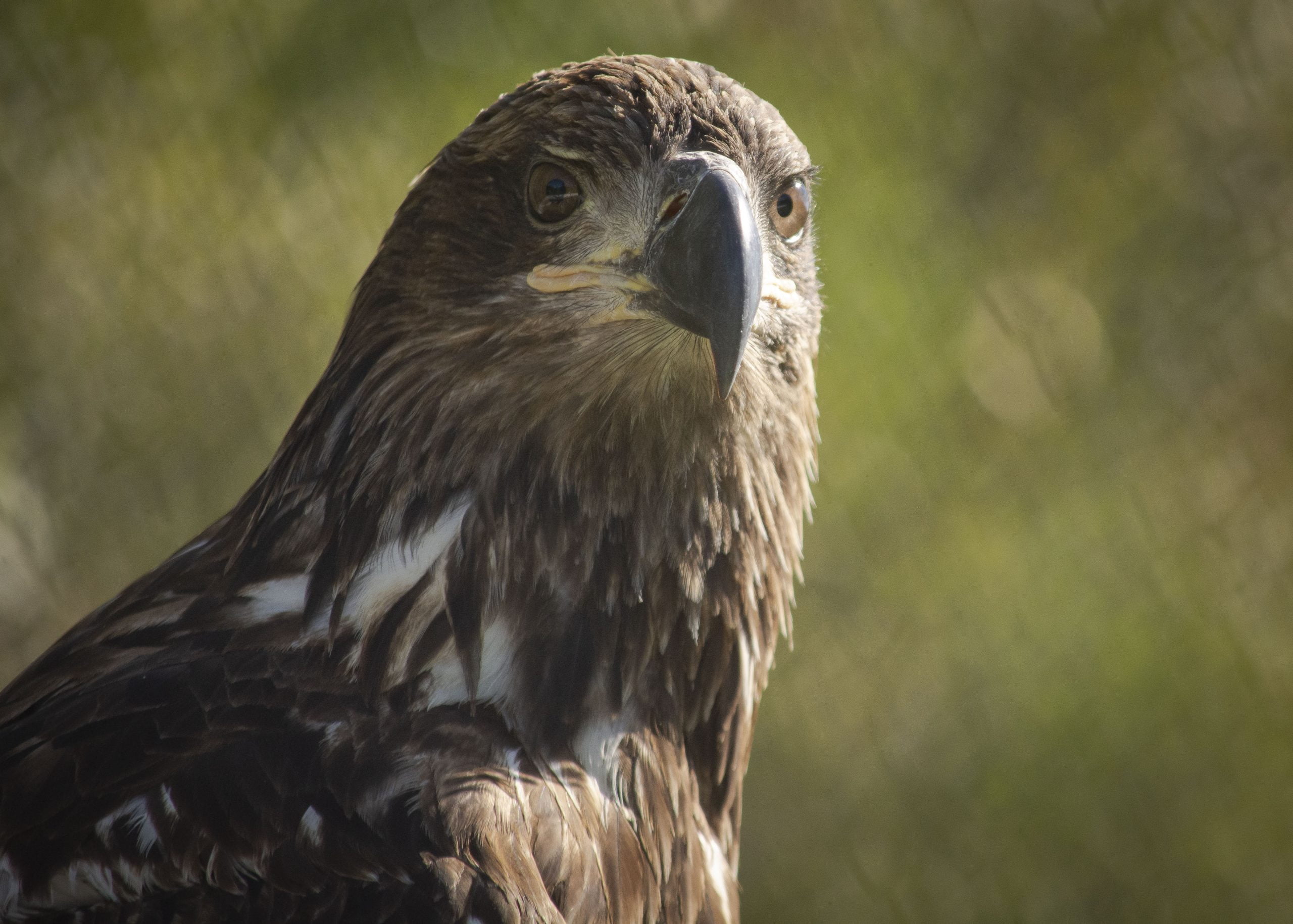
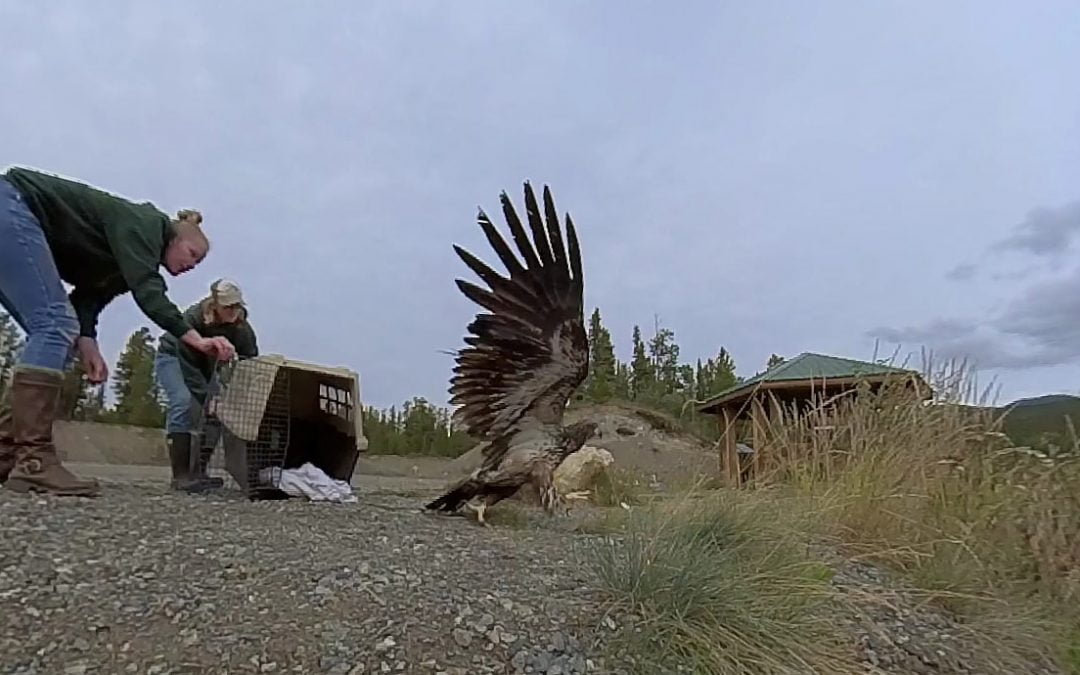
This juvenile bald eagle came to the Wildlife Rehabilitation and Research Centre in early July after it was found near Icy Waters on Fish Lake road, seemingly flightless. 
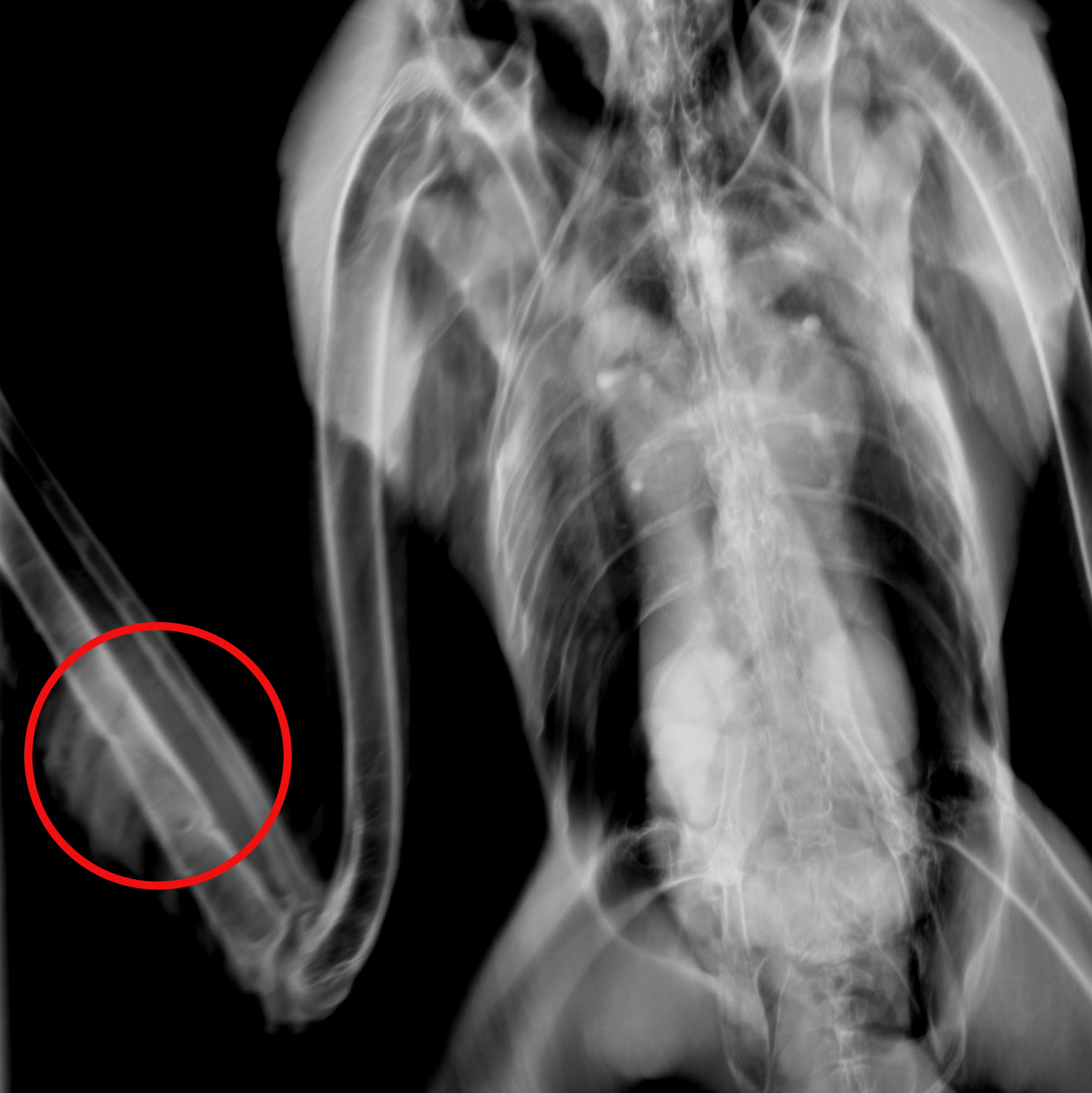
An X-ray revealed an infection.  Dr. Maria Hallock started the eagle on a course of antibiotics

The eagle was X-rayed upon arrival and it was noted that the eagle was suffering from an infection in the right wing. Dr. Maria Hallock started a round of antibiotics hidden in food.  The eagle was very reluctant to consume the medication - finding the pill in the food and spitting it out, making its recovery challenging, to say the least. 
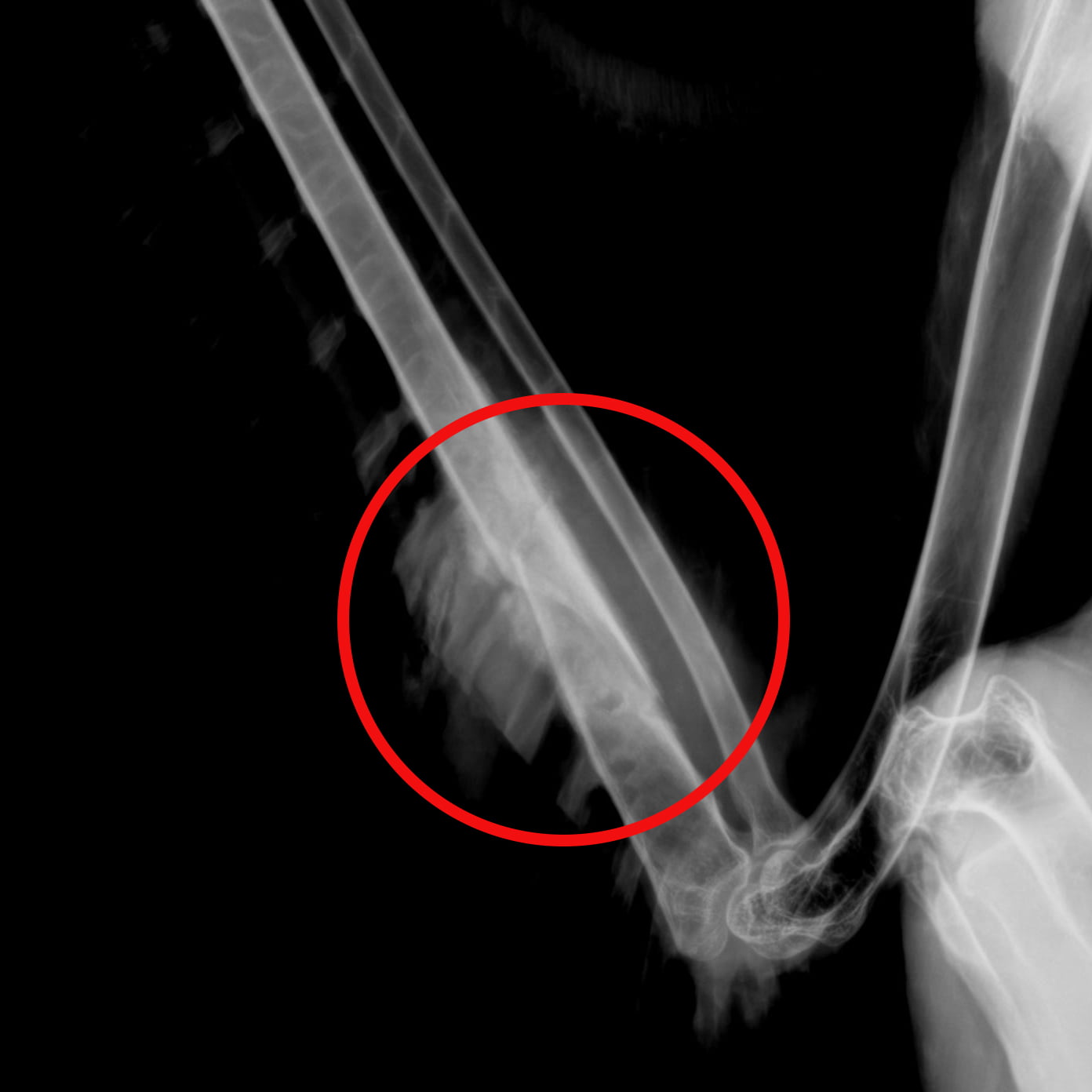
Performed after initial healing time and antibiotics bring down the infection that obscured the initial observation, this second X-ray showed a fracture to the ulna.

With more creative hiding of the medication, a week passed and a second x-ray was performed where the Animal Care team was able to see a clear fracture to the ulna, within a perfect setting and healing process.

After a  couple more weeks of antibiotics and rest - the eagle was moved to our outdoor flight pen where the individual could be seen by public.
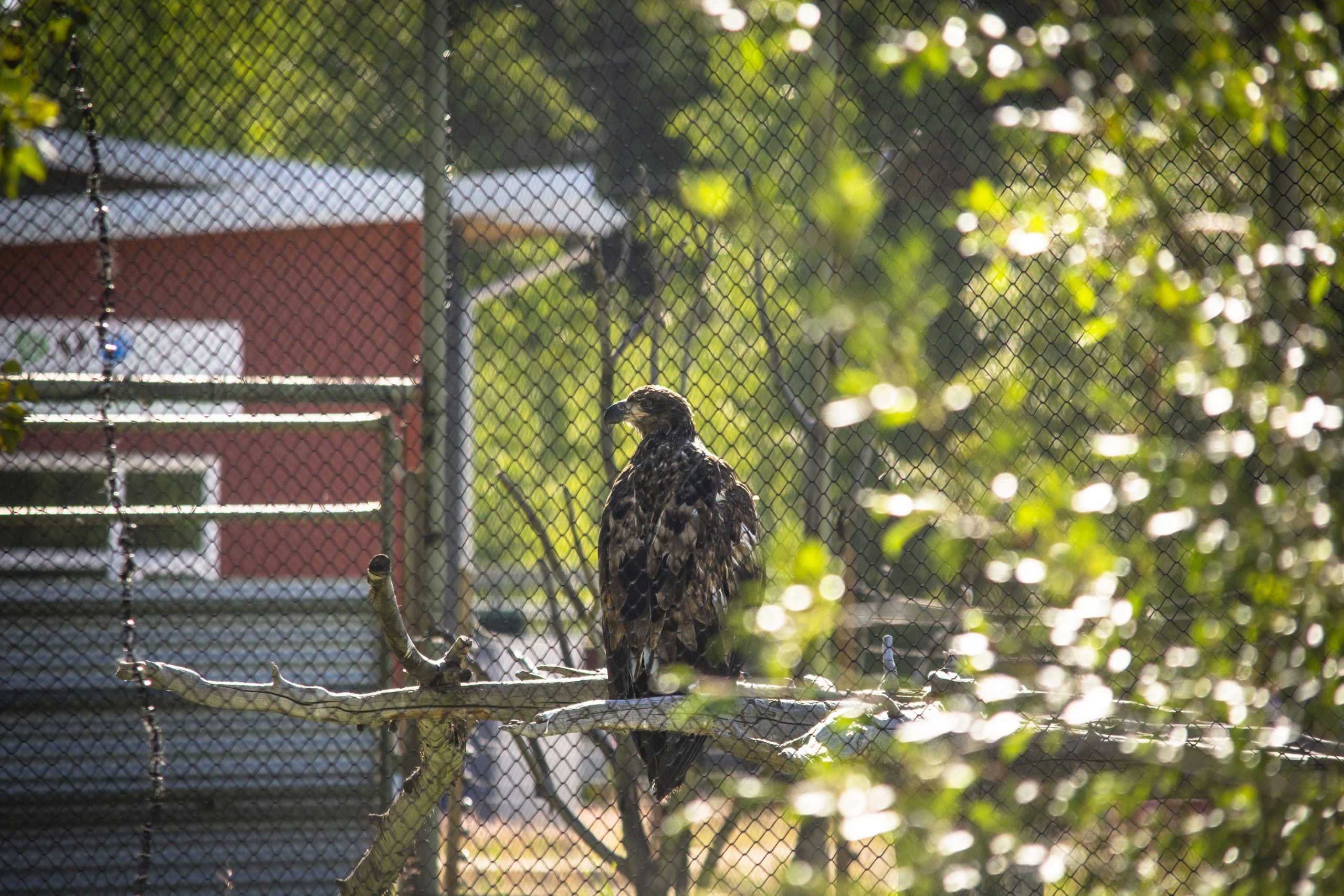
Over the next few weeks the eagle built its flight muscles and strength with the goal of being released back in to the wild.

On August 21, the Animal Care team released the eagle successfully to the wild, in the MacIntyre marsh area, near the same location it was found.  It's always incredibly rewarding to give wildlife a second chance at life in the wild.

Jake Paleczny

Jake Paleczny

He/Him - Executive Director/ CEO

Jake Paleczny is passionate about interpretation and education. He gained his interpretative expertise from a decade of work in Ontario’s provincial parks in addition to a Masters in Museum Studies from the University of Toronto. His interests also extend into the artistic realm, with a Bachelor of Music from the University of Western Ontario and extensive experience in galleries and museums.
867-456-7313
jake@yukonwildlife.ca

Explore by Category

Explore by Author

Wetlands Habitats – Yukon Wildlife Preserve

Wetlands Habitats – Yukon Wildlife Preserve

Preserve

by Doug Caldwell | Aug 15, 2020

13 minute read - 

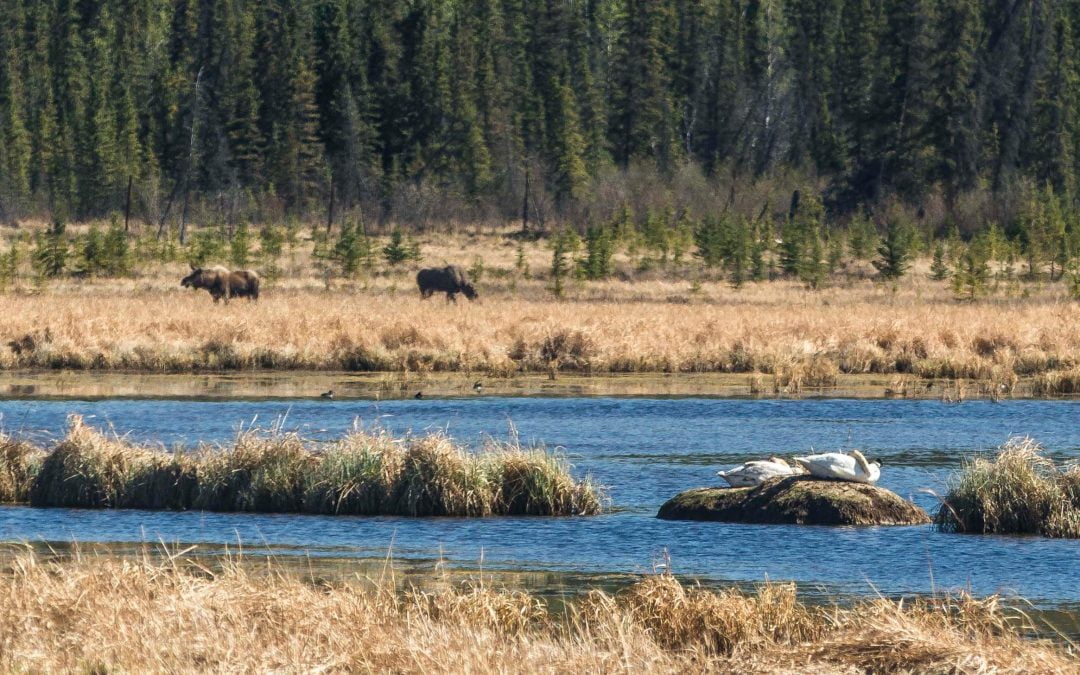
The Yukon Wildlife Preserve features eleven iconic northern animal species, but if you look closely at each of the three primary habitats on the Preserve you’ll see many more species than “only” eleven. The three primary habitats include: grasslands, wetlands and mountain slopes. Each of these habitat types support animal and plant species that have evolved together over millions of years resulting in communities where they all make a living and contribute different values to the continuing health of their specific habitat. In this three-part series we’ll review each habitat and examine the greater community it represents, continuing with wetlands.

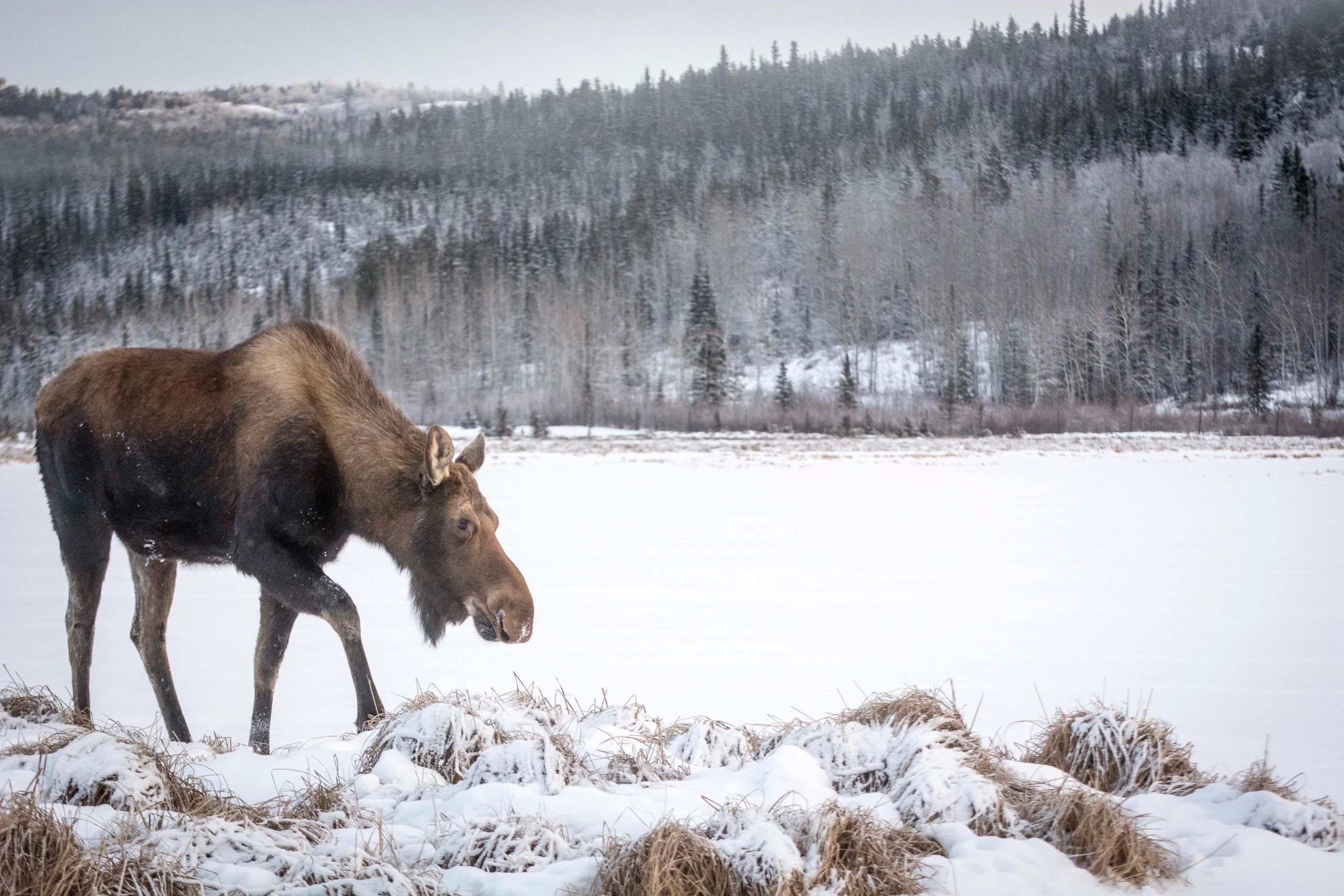
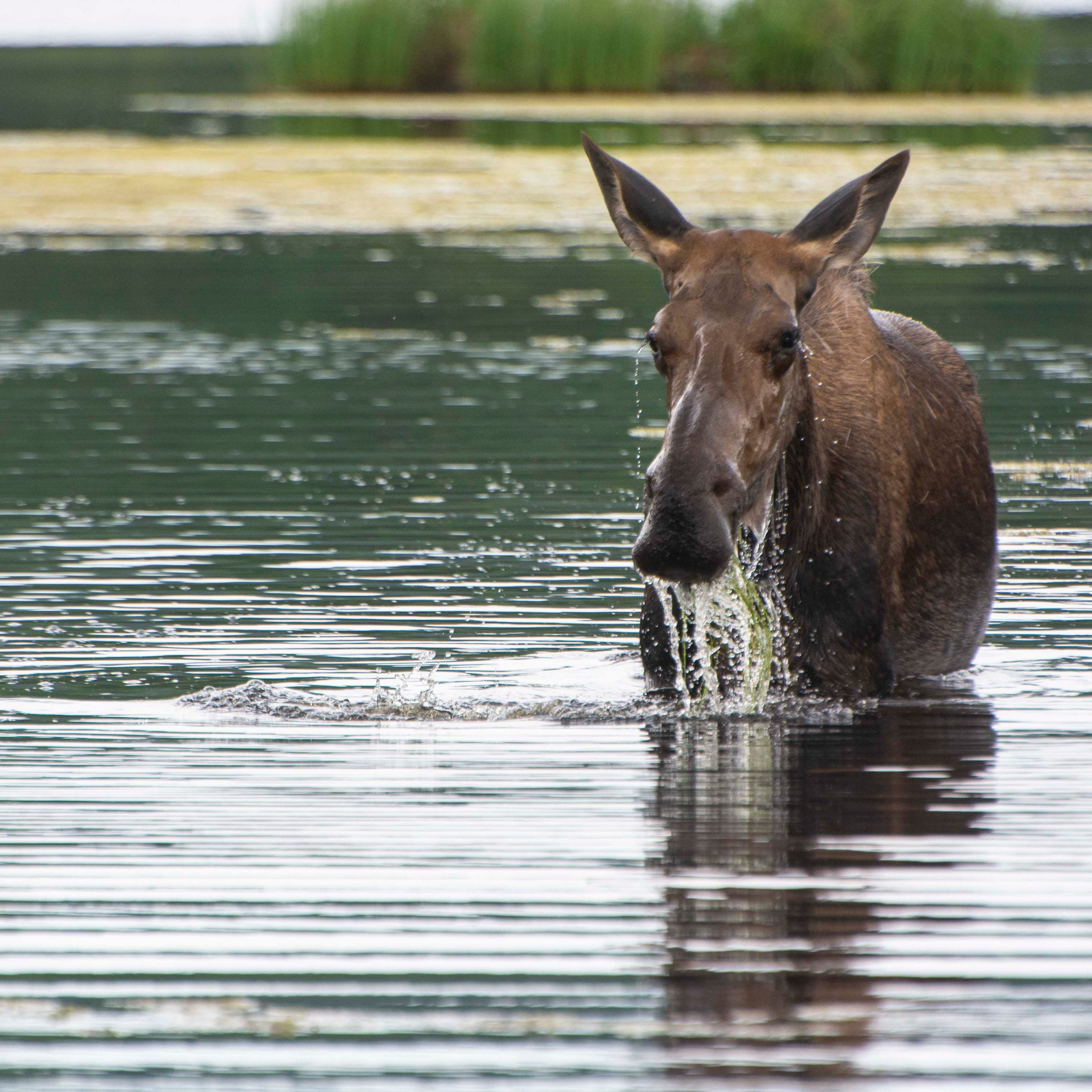
Wetlands are a vital part of Earth’s ecosystems and contribute a number of essential benefits for the land and all the flora and fauna that live on it. At the most basic level, wetlands act as a filtering system to produce clean healthy water for creatures and plants to consume. Wetlands are also the preferred habitat for a wide variety of creatures that range from the smallest of insects to frogs and other amphibians all the way up to include North America’s largest deer species, the Moose, which seasonally depend on the aquatic plants that grow in wetlands for a large part of their diet.

Many other species have evolved to live in wetlands for the numerous benefits they provide in terms of maintaining a reliable food source, protection against predators and wildfires. Wetlands act as a buffer between larger bodies of water and dry land, these places are often called interface zones. These areas also act to prevent flooding of the land as they buffer rising lake and river water levels and reduce dramatic erosion and physical impacts to other habitats.

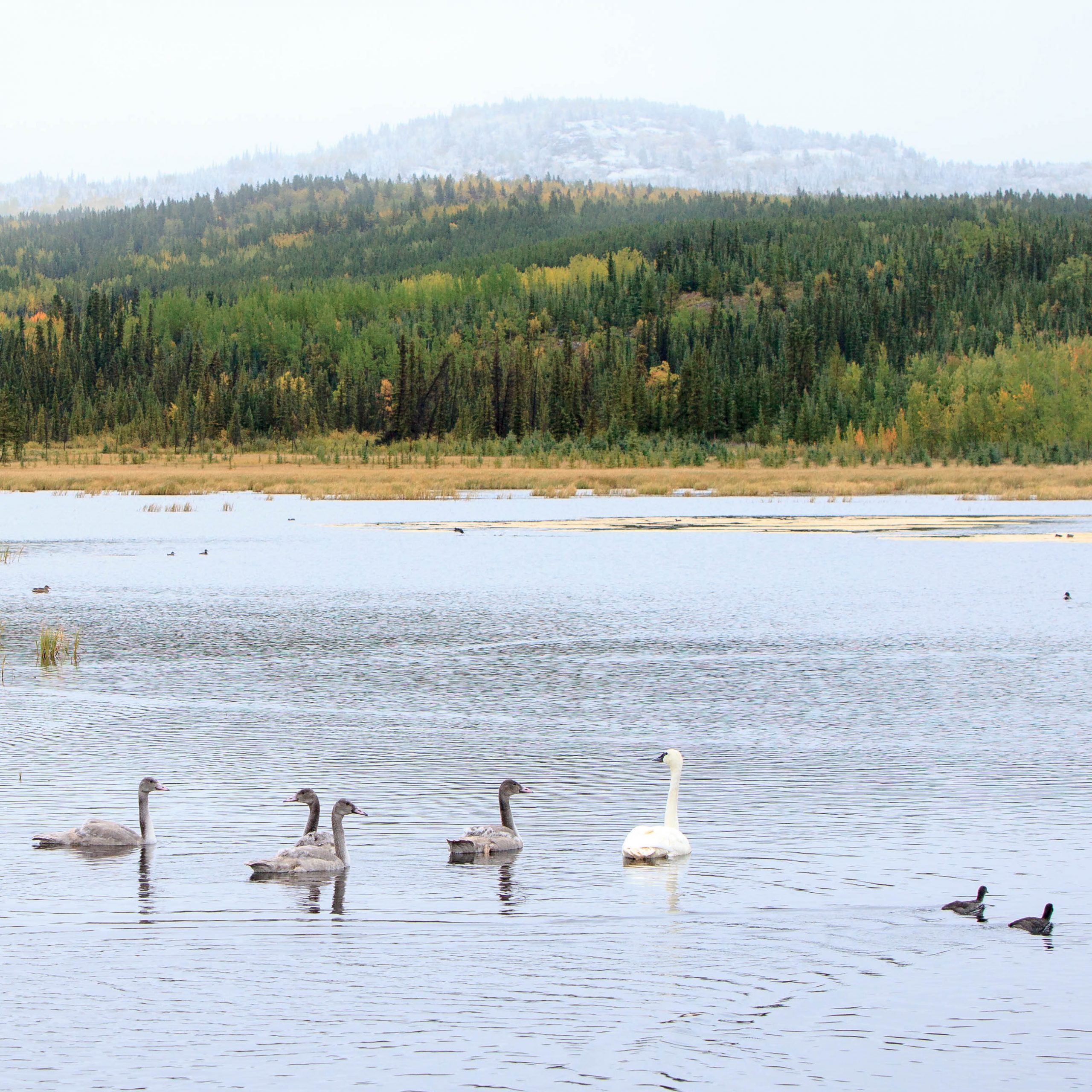
Again, look beyond our majestic megafauna moose, there’s so much diversity to see in the wetland habitat. Where there’s water, there’s usually waterfowl of many types, including Trumpeter Swans, Canada Geese, Common Loons and a wide assortment of ducks who may visit with us for a few days to rest and re-energize during their migrations to and from their summer ranges each year. Some bird pairs may decide to remain and raise a family at the Preserve, so ducklings and goslings paddling behind mom is a common sight over the summer.

You also will see the many barn and tree swallows gathering on the wire fence taking a break before returning to their stunt flying in pursuit of flying insects. Numerous warbler and finch species and our non-migratory chickadees, red polls and sparrows are but a few you’ll have a chance to observe.  Blue birds fly over both the grassland and marsh habitats in search of food, as do small hawks like the Sharp Shinned, Sparrow Hawks, Harriers, and an occasional Screech Owl. Of course there are the varieties of gulls that spend the summer season inland and do a terrific job of keeping edible waste items in check.

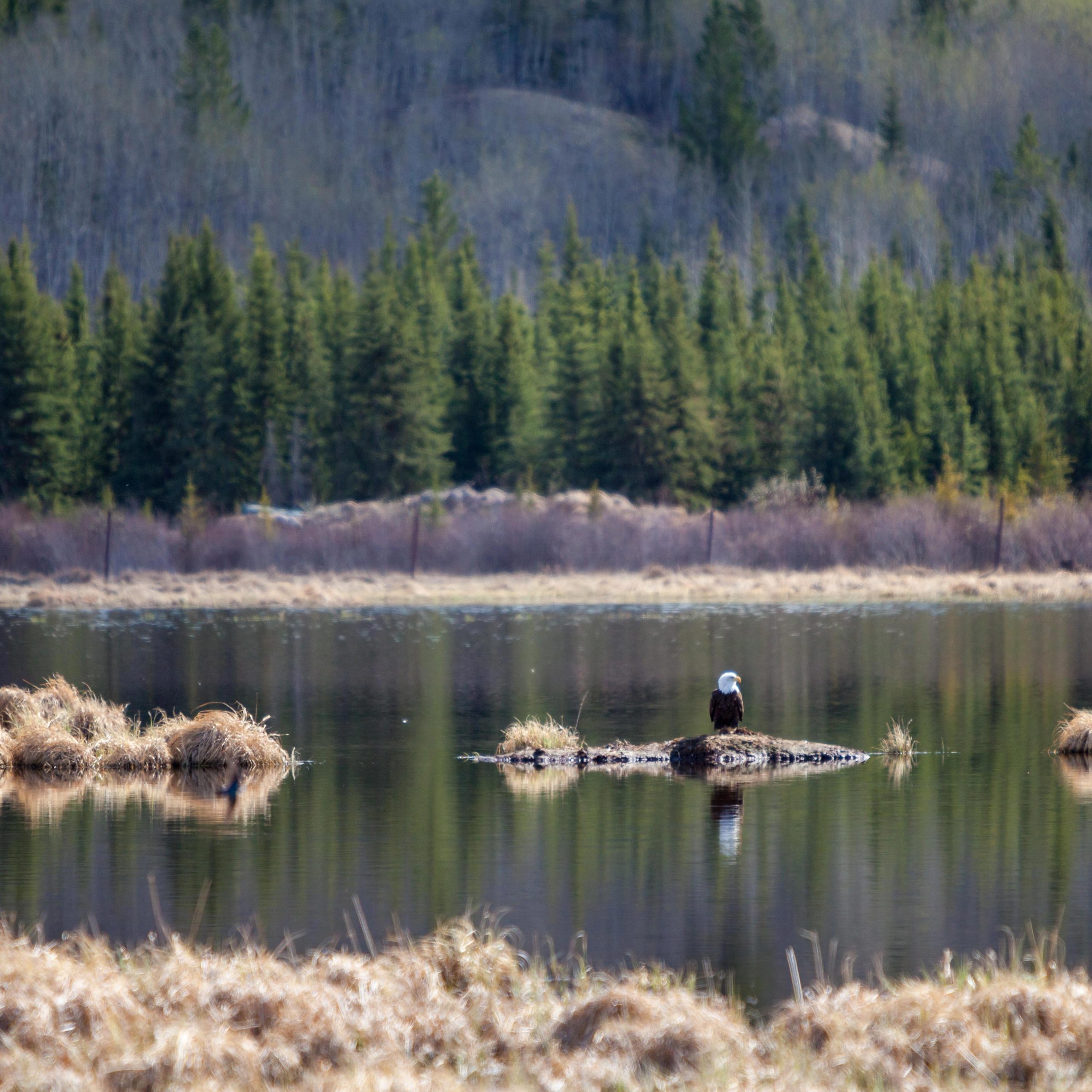
The wetlands are abundant with insects and rodents making these areas diversely populated. Bald eagles often hunt ducks on the marsh and when they do, things happen very fast. The eagle will silently glide in over the fence and drop down to about a meter above the water using the air currents to avoid flapping wings and alarming any ducks in view. A successful capture is frequently announced by the rest of the duck flock quacking and taking to the air in a loud blusterous effort. Foxes and lynx also hunt the bird population in the marsh. They are often seen trotting quickly among the long grasses searching for duck nests from which they may steal an egg or hatchling to take back to hungry young kits waiting in their den. While they don’t particularly enjoy it, lynx can be accomplished swimmers and are sometimes found in the water in pursuit of ducks.

Keep a keen eye out in the marsh for muskrats that are infrequently observed swimming or grooming on a frost heave. There are no known beavers in the Preserve marsh, if you do see a large swimming creature it is probably a muskrat.

The marsh, and waters draining from it, are home to tadpoles, which become frogs, who also consume their fair share of a wide variety of insects. Examples include: water boatmen, beetles, mayflies, scuds (a small shrimp-like bug), caddis flies, blood worms, leeches and the most voluminous populace of them all - mosquitos. These insects are the beginning of the food chain which supports the many thousands of creatures in existence today, and some have been around for a very, very long time.

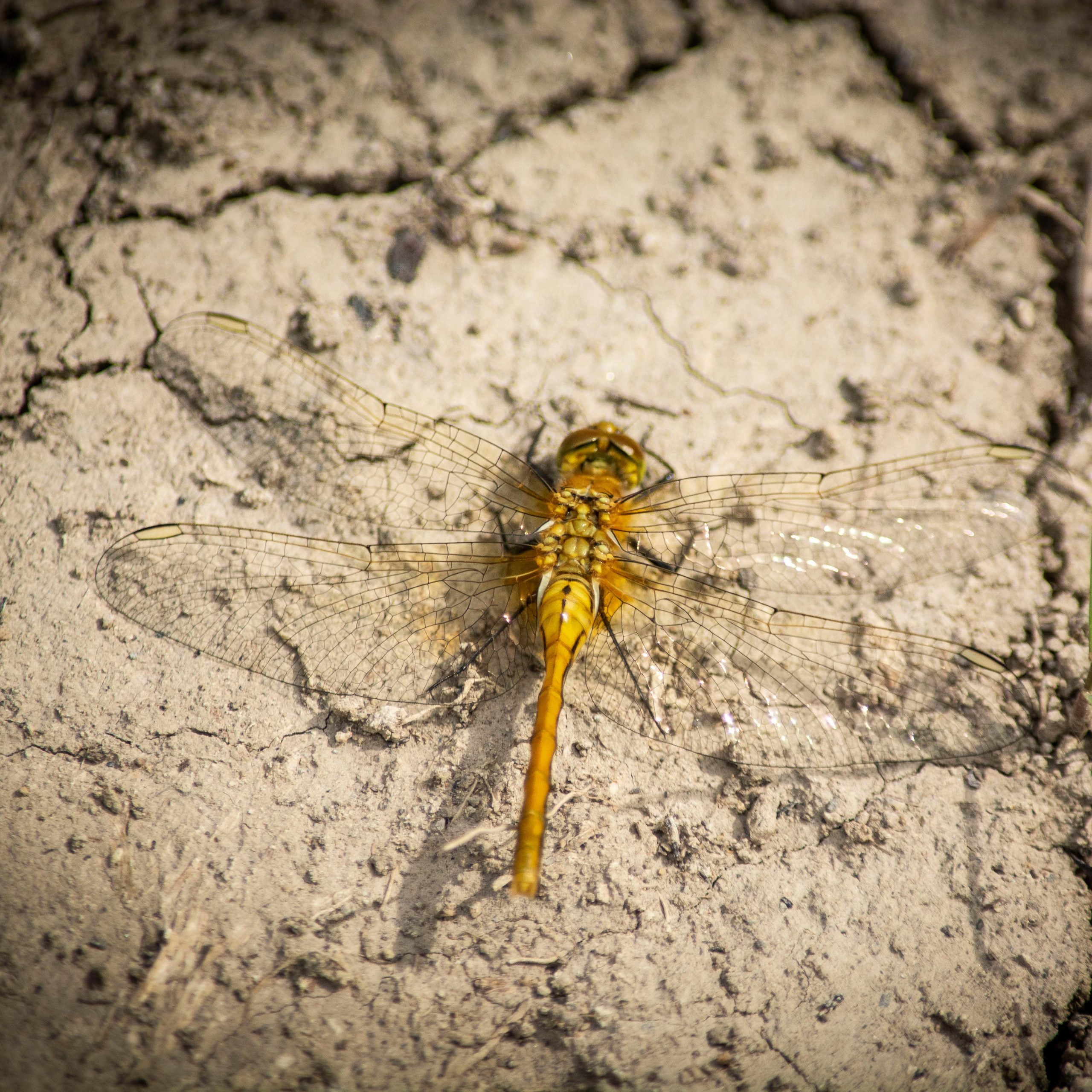
One of the Preserve’s apex insects is perhaps the most vicious predator on the property: The Dragonfly. These remarkable insects reached their evolutionary peak before the dinosaurs roamed the planet, and since that time they have changed very little because they have attained top status in their portion of the insect world and dominate. However, some believe the dragonfly’s life cycle is unbalanced and are being punished for something.

You see, dragonflies start their lives hatching from eggs underwater to begin their larval stage, when they are known as nymphs or naiads, During this part of their lives in the mud under the water they are voracious hunters and will attack other insects many times larger than themselves, they even hunt tadpoles and small fish. They eat all they can catch and grow larger and stronger. Here’s the part thought to be unfair.

Photo of dragonfly taken during the 2020 Yukon Biodiversity Bioblitz, held at Yukon Wildlife Preserve

Dragonflies live underwater as these top predators for up to three years for some species. Then, one warm sunny day they climb up a stalk of grass out of the water and begin a remarkable transformation from a ferocious water bug, into an adult to become one of the most accomplished fliers on this earth, The sad part perceived as punishment is that the adult dragonfly only lives for about three days before it mates and perishes according to Nature’s plan. Three years underwater living and fighting in the mud and only three days as an accomplished and dazzling flier, then, it’s life cycle completes, it perishes, it’s all done - it does seem unfair.

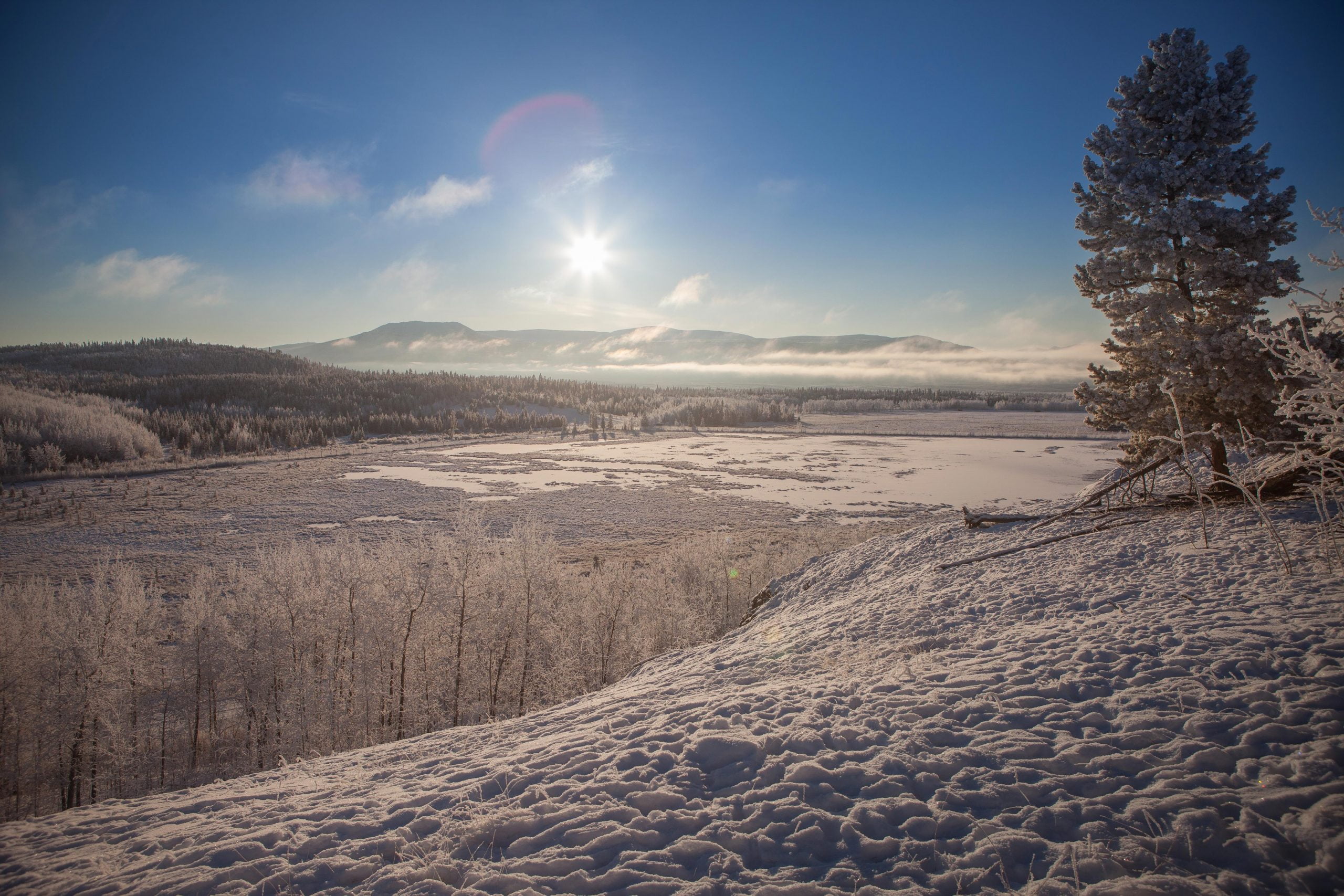
The winter season brings profound change to the marsh. Many of the summer residents have either migrated south or have found warm shelter for the winter months. Of course the water freezes creating a barrier between those that live under the surface and those that live above. Insects continue to grow, eat and thrive under the water, now much darker due to ice and snow blanketing the surface, blocking most of the sunlight. In winter moose, both in the wild and in the wetlands habitat at the Preserve, can no longer access the aquatic vegetation they enjoy so much and turn to other vegetation to support them. Alas, winter also impacts the vegetation that grows above the water and since moose are also very efficient browsers, they adapt in winter by browsing more of the plant than the tender bits at the ends of the branches they consume in the summer. Look at the bushes near the fence line in the moose habitat to see how well cropped they become over the winter season.

No water due to freezing temperatures means no waterfowl as they all migrated south before the cold weather arrived. This is also true of the many songbirds and migratory raptors who raised families throughout spring and summer. Mice and some other rodents adapt to the seasonal change similar to the rodents in the grasslands - they create tunnels to travel in, stockpile food in middens and raise their families. Just because it is winter does not mean they stop breeding and producing offspring.

The predator species that depend on the mice and voles in the marsh change their hunting strategies as well when the land is frozen with a layer of snow above. Foxes are often seen leaping into the air to pounce on their lunch the same as they do in the grass pastures. The wild foxes on the Preserve move from habitat to habitat many times a day as they patrol in search of food, which is much harder to find and capture during the winter season. Winter is obviously a greater challenge as ground squirrels are hibernating, small birds have moved away and snow cover impedes easy mouse hunting.

Moose will avoid the frozen ice of the marsh during freeze up and the spring melt so that they do not break through and become stuck in the mud just a short distance below this thinner ice, which can become quite sharp and injure their legs as they struggle to climb out. Therefore, they stay closer to the fence, and terra firma, for easy and safe walking.

The return of the spring sun, the resulting longer, warmer days and the melting of the ice and snow announce a new season for all the creatures that make a living in the wetlands. The changes occur quickly as creatures work hard to make the most of the warmer weather, as they have a lot to do in a short period of time. Some years there are only about 140 ice-free days between spring thaw and winter freeze up. Thankfully the days are longer allowing for more to be done beneath the Midnight Sun.

If they don’t already have one or if they are just reaching reproductive maturity, many animals will need to find a mate; also they must find or build a place to raise a family then nurture and care for their offspring until they are independent and know how to sustain themselves.

Some creatures must learn how to fly after they have grown flight feathers. All will need to learn how to acquire food, which means some will have to learn to hunt while others will need to learn to forage where the foods they require grow. All will need to learn what predators and similar dangers are and how best to avoid them.

It sometimes looks like an idyllic life to we humans, but in reality each day is a life and death challenge for wild creatures as they strive to reach maturity and have offspring of their own and the circle of life is completed.

Doug Caldwell

Doug Caldwell

Wildlife Interpreter

Doug is one of the Interpretive Wildlife Guides here at the Preserve. An avid angler and hunter he has a broad knowledge of Yukon’s wilderness and the creatures that live here. With a focus on the young visitors to the Preserve, Doug takes the extra time to help our guests to better appreciate the many wonders of the animal kingdom here in the Yukon.

Explore by Category

Explore by Author

Golden Eagle:  Scapular Fracture

Golden Eagle: Scapular Fracture

Preserve

by Lindsay Caskenette | Aug 8, 2020

This story was originally published August 8, 2020 in the e-blast newsletter to Yukon Wildlife Preserve's membership.

Are you a member but don't receive these email Newsletters?  Contact us at info@yukonwildlife.ca to update your email preferences.

Banner photo credit:  L. Caskenette

The golden eagle is a young one - it arrived on August 7th. Conservation Officers brought the eagle from Watson Lake to the Yukon Wildlife Preserve's Wildlife Rehabilitation Centre.

Upon arrival the eagle weighed 2.3kg. It had a fracture to scapular (not much we can do just needs time to heal). With some rest time and observation the eagle was then moved to the large flight pen on August 11th. He weighed 2.6kg at that time. A healthy individual should weigh in around 4-5.5kg, while females are slightly larger and heavier.

This individual needs to gain some more weight to get stronger before it will attempt any flying. On Thursday, our Veterinarian, Dr. Maria Hallock weighed the eagle in at 3.25kg. Gaining 600g in the last two week is a positive sign of recovery. The eagle has been eating well - anywhere from 3-6 quail/day (each one weighing 200-250g). We will continue to monitor his weight and movement/behaviour. We expect to see him recover, fly and build up muscles to return to the wild, timing remains up to him!

The following update was originally published October 10, 2020 in the e-blast newsletter to Yukon Wildlife Preserve's membership.

 What's Up Yukon connected with us to get the latest story on the Golden Eagle that is in care at the Wildlife Rehabilitation Centre at the Preserve.  This eagle can be found working on his flight and recovering in the large outdoor aviary, as he overwinters with us at the Preserve!

The following update was originally published January 23, 2021 in the e-blast newsletter to Yukon Wildlife Preserve's membership.

A Convocation of Eagles

Lindsay Caskenette

Lindsay Caskenette

Manager Visitor Services

Lindsay joined the Wildlife Preserve team March 2014. Originally from Ontario, she came to the Yukon in search of new adventures and new career challenges. Lindsay holds a degree in Environmental Studies with honours from Wilfrid Laurier University and brings with her a strong passion for sharing what nature, animals, and the environment can teach us.

867-456-7400
Lindsay@yukonwildlife.ca

Explore by Category

Explore by Author

Grassland Habitats – Yukon Wildlife Preserve

Grassland Habitats – Yukon Wildlife Preserve

Preserve

Aug 1, 2020

10 min read -

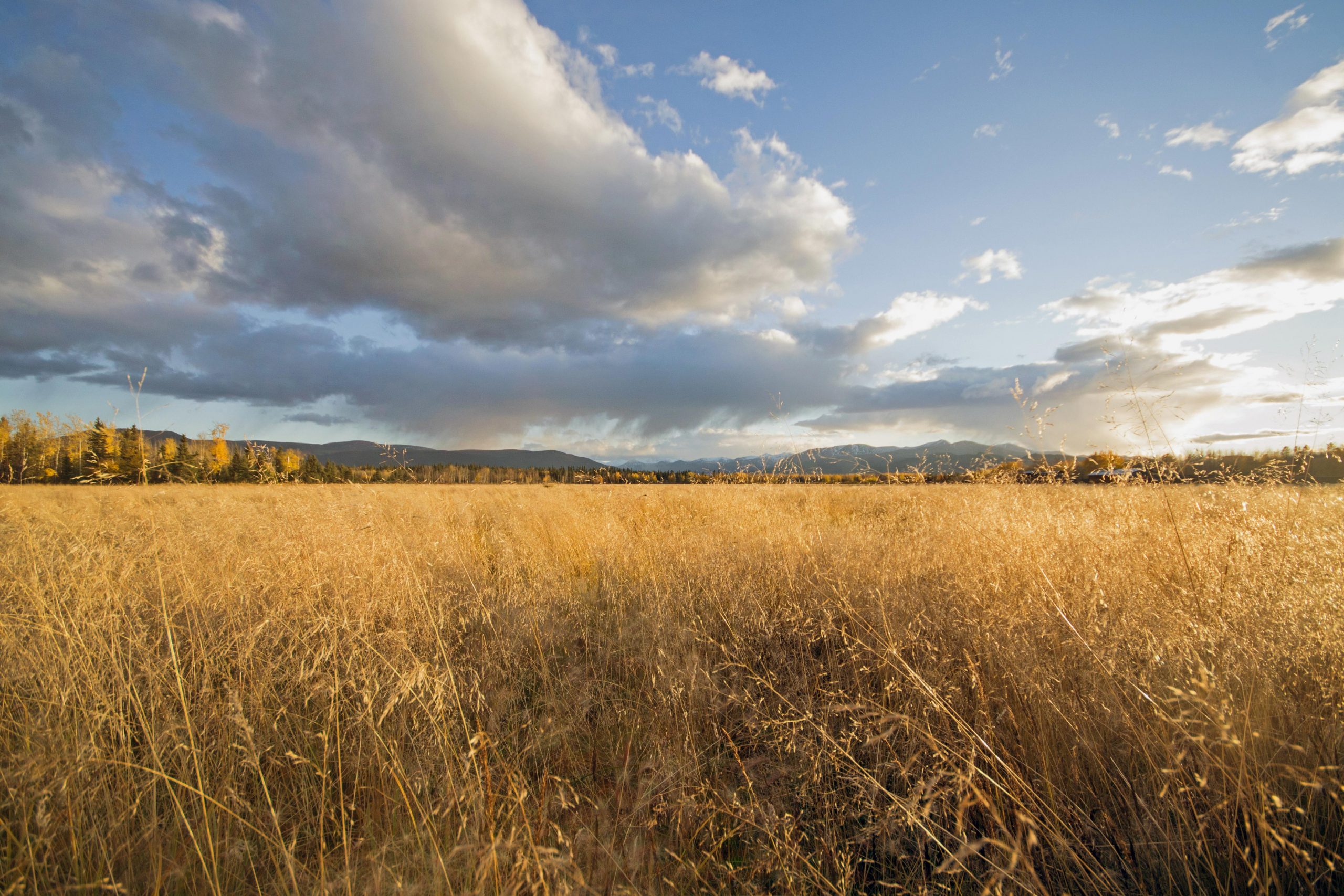
The Yukon Wildlife Preserve features eleven iconic northern animal species, but if you look closely at each of the three primary habitats on the Preserve you’ll see many more species than "only" eleven. The three primary habitats include: grasslands, wetlands and mountain slopes. Each of these habitat types support animal and plant species that have evolved together over millions of years resulting in communities where they all make a living and contribute different values to the continuing health of their specific habitat. In this three-part series we’ll review each habitat and examine the greater community it represents, beginning with grasslands.

Grasslands can be naturally created following wildfires and floods from many years, decades, and centuries before, it’s been going on for millions of years really. Glacier movements have also created vast grasslands as they scraped over the Earth’s surface removing forests and altering the landscape by creating valleys and water drainage systems that are now vital components of the local habitat.

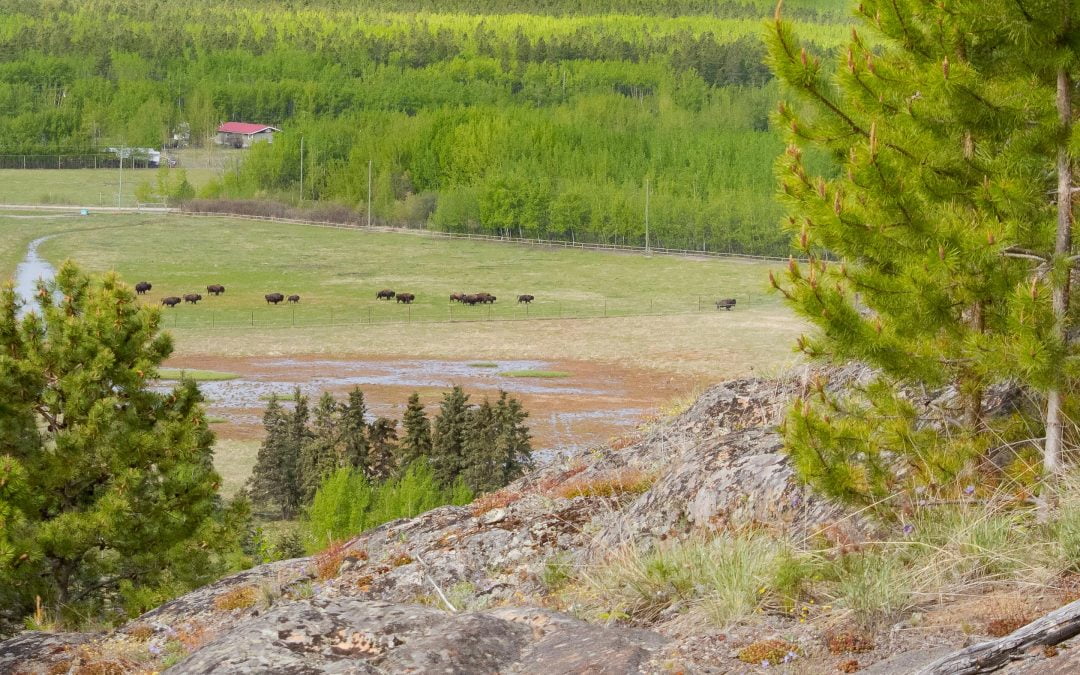
Here at the Preserve we have animals that are considered grazers that eat the grassland vegetation commonly made up of wild grasses, primitive grains, fungi and other plants that grow within their habitat. The featured species in the habitat are sometimes called megafauna and our grazing megafauna include Wood Bison, Musk OxWoodland Caribou, Elk, Mule Deer and even Thinhorn Mountain Sheep.  Some of these species also eat the tender branch ends, buds and leaves of trees like willow, birch and aspen.  These creatures are also called browsers as they wander through their habitat and consume the tips of the bushes and young trees they encounter. The resulting pruning of these trees and bushes by the animals contribute to greater health of the habitat vegetation by removing old growth and stimulating new shoots and buds. Their digestive waste (poop) adds nutrients back into the ground and frequently provides an ideal habitat for insects to thrive, and insects form the foundation of the food chain all creatures depend on.

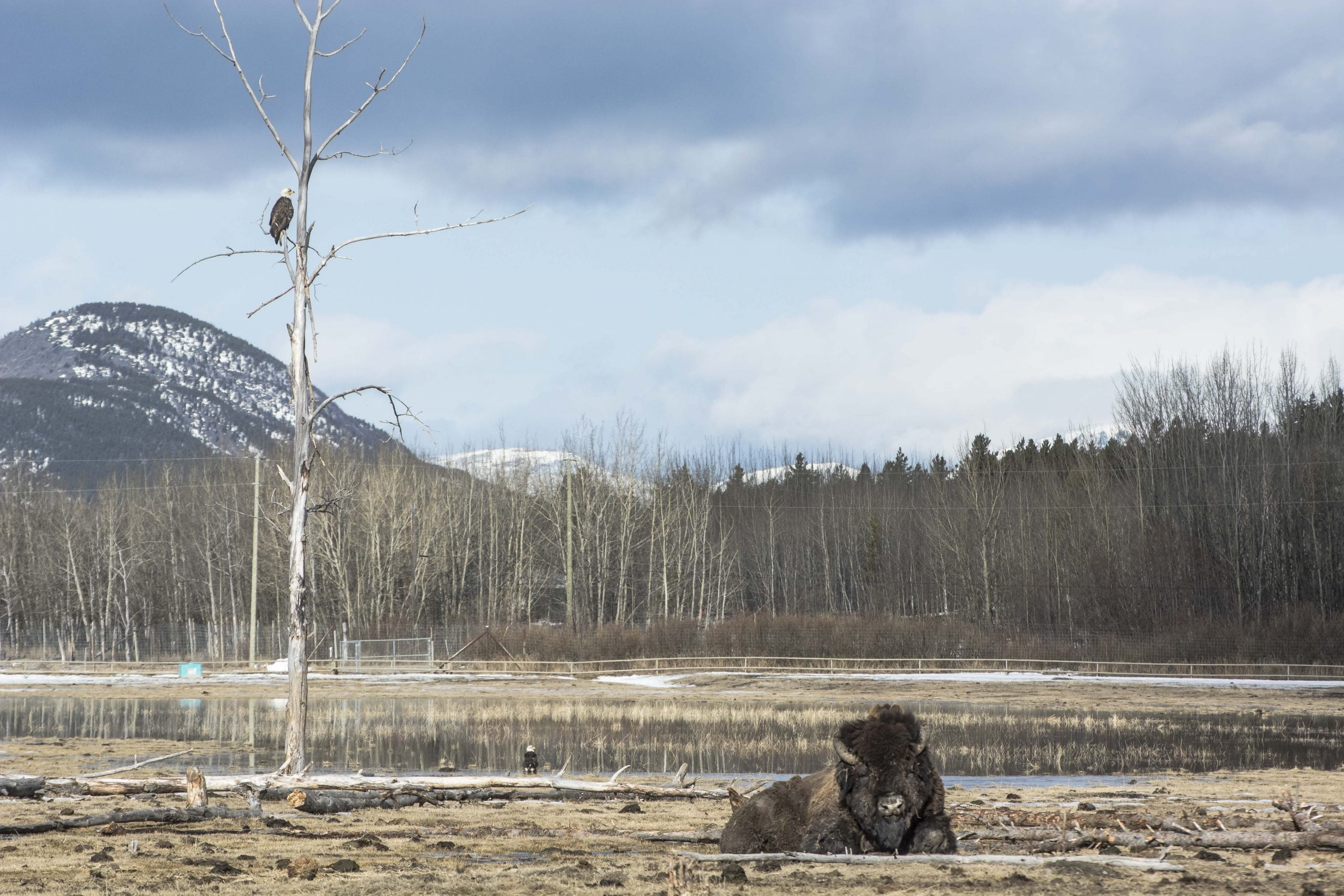
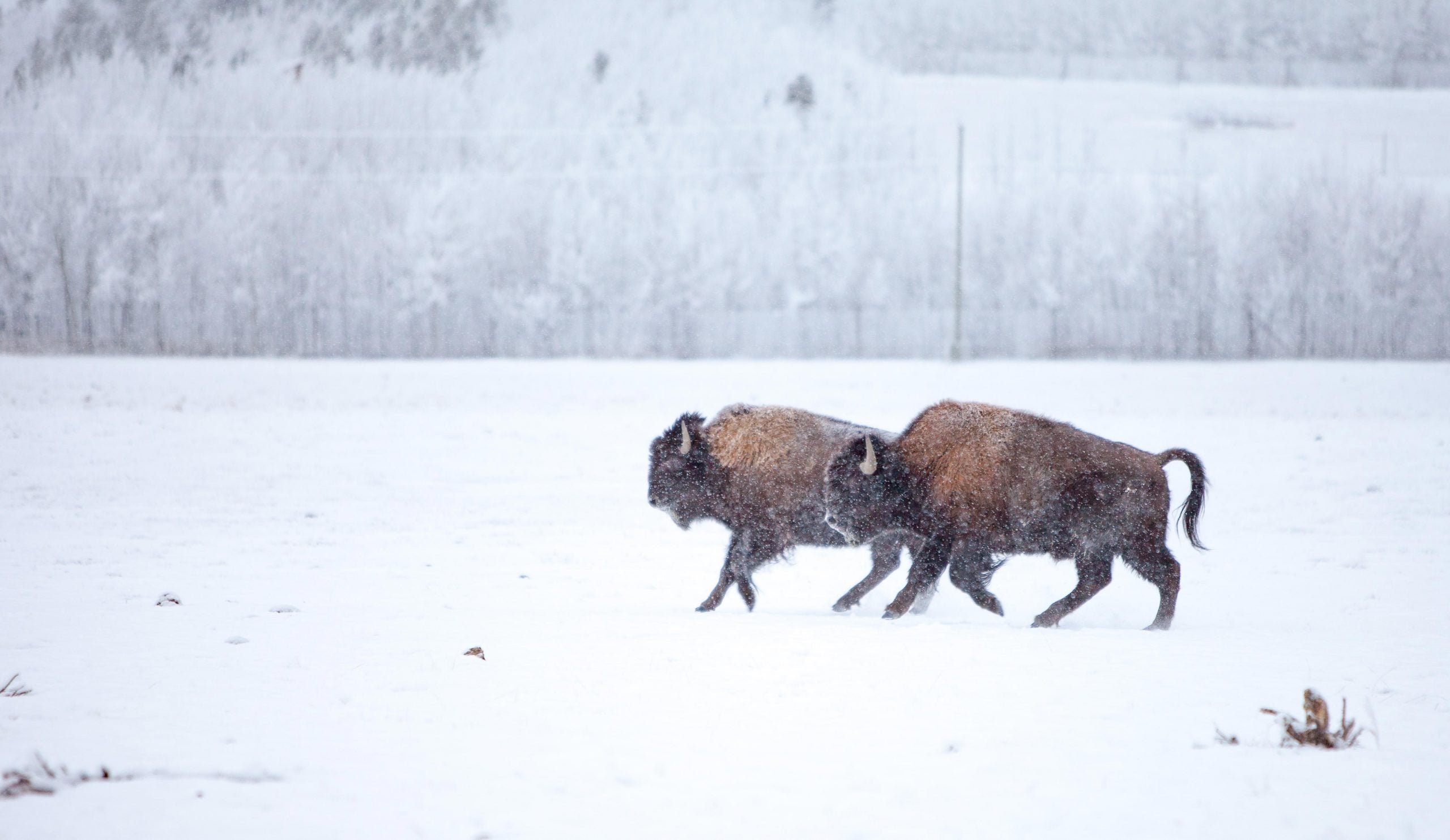
As a point of reference, let’s focus on the Wood Bison (essentially a wild cow), their grassland habitat and all that lives there. Bison are another force of change on the landscape and have played a significant role in altering the landscape from transforming forest to grasslands and altering the vegetation of the grasslands. Bison often rub against trees to satisfy an itch on their bodies. If you look closely at the trees that are still standing in the Bison habitat at the Preserve, you’ll notice the bottom six to eight feet of bark has been rubbed off the tree. This prevents the flow of sap in the tree which will soon die due to a lack of nourishment, the Bison keep rubbing on the tree and soon they will have caused it to fall flat on the ground where it will rot. The Bison also eat any saplings that may start from the seeds of the once standing tree preventing new tree growth from beginning in the area. Over time, many thousands of Bison have had a tremendous influence on the land transformation on the continent and contributed greatly to the creation of the prairie regions of central North America. 

The stars of the show - the megafauna - are the bison of course, but there are many other creatures that are equally impressive when you get down and have a closer look, or look high into the treetops. The Arctic Ground Squirrels, commonly called gophers, are easy to see and hear as they whistle and chirp, fulfilling their jobs as the alarm system for the area they live in. They warn against predators mainly because Arctic Ground Squirrels are a preferred food for many carnivores, or meat eaters, who live on or visit the Preserve.

Eagles, hawks and owls can often be seen seasonally watching the ground from a high vantage point or flying lazy circles high above. Foxes and lynx like to eat ground squirrels too, so these prey animals are always on the lookout for danger and whistle loudly and scurry back to their burrows to evade what might be coming towards them.

Bald Eagles watch from high and low for prey animals - including Arctic Ground Squirrels who come out of hibernation in early spring.  In grassland habitats we can see the megafauna such as bison and deer, as well as the life cycles of smaller animals like the ground squirrel, who are quite vocal in their response to predators.

Ground squirrels contribute to the health of the habitat as a primary source of protein for other creatures that live there, but ground squirrels have a further contribution to the health of the habitat -  by digging burrows which allow water, oxygen, nitrogen and carbon dioxide under the surface to help fertilize the ground so that vegetation grows well.  Of course, numerous other creatures take advantage of the burrows dug by the ground squirrels. Mice of different varieties, voles, short-tailed weasels and an assortment of insects also like to seek shelter and make nests in these burrows.

In the spring when there is an abundance of melt-water, and before it gets too hot and dries out the puddles, look along the ditches next to the fences and if you have a sharp eye, you may find tiny Wood Frogs hopping among the wet grass and puddles.  Some migratory song-birds feed on these frogs as do the foxes and weasels.

The song birds are another very visible occupant of the grassland habitats. Some eat the seeds of the wild grasses and the Alfalfa hay we feed to supplement the bison’s diet. Other song birds eat from the huge selection of insects. Special mention should be given to the small population of Little Brown Bats1Canadian Wildlife Federation that migrate here for their summer vacation to eat voluminous amounts of mosquitos from each of the habitats; we are grateful for their contributions to pest control at the Preserve.

When the seasonal cold weather comes, the grasslands change. Most grasses stop growing and go to seed in the late summer to early fall and many of the seed eating migratory birds begin their trip back to the south when this vital energy source becomes available. The end of summer triggers a number of changes for both the landscape and the animals that live on it. Some species will migrate south to warmer climates while others will begin their preparations to live through a Yukon winter. Some mice and voles gather winter food caches and will store these in holes they dig or in middens they make from long grass once there is some snow on the ground. In short, they adapt to live in colder conditions when there is much less food available, so they gather food when it is in abundance and store it for their needs over the winter months.

Arctic Ground Squirrel gathering dried grasses.  Some animals, such as rodents, gather food when it is in abundance and store it for their needs over the winter, or early spring, months.

A midden is a temporary shelter rodents make out of long grasses and moss and looks like a ball of grass or a bird nest with a closed top - just a small hole to enter and exit. Ground squirrels gather and store food as well but for the springtime when they emerge from hibernation and nothing is growing yet. Arctic Ground Squirrels are among the first species to begin hibernation and start sometime in mid to late September depending on the weather conditions. The gender of a ground squirrel will also dictate hibernating times with females entering hibernation earlier in the fall, as well as emerging later in the spring, than males. During hibernation, they do not wake up to eat. They are usually the first creatures to emerge from hibernation in the spring as the snow melts away.

When the snow begins to cover the hard frozen ground, it looks like it’s only the megafauna and a few ravens that are living here, but beneath the snow is the winter community of tunnels and middens that some rodent populations build and use to move about seeking food, reproducing and visiting with friends.  Others, like the Arctic Ground Squirrel, hibernate through the long, cold winter.

Foxes and owls are famous for their winter hunting abilities. They listen for rodents moving under the snow and can capture them with remarkable accuracy. Owls catch the mouse in its talons after listening from a distance and determining where the small creature is when those sharp talons pierce the snow and hold the mouse firm. Foxes can be seen listening while turning their heads from one direction to another in order to pin-point the location of the mouse ahead of them. With a high arching jump the fox pounces on the mouse through the snow. Not all attempts are successful and practice will improve results for young foxes to secure a meal. 

But they will never run out of mice to practice on. Depending on the availability of food and when conditions are good, some momma mice can give birth to a litter of babies up to ten times per year and there can be from one to sixteen pups per litter. And the next generation will only need 6 to 8 weeks to reach reproductive maturity so they too can start having babies. Yup, that’s a lot of mice living in the grassland habitat.

Take the time to look beyond the megafauna and observe what else lives in the grasslands habitat, it’s wonderful how all the creatures work together without direction to maintain the places they live and thrive in. It’s their nature.

Doug Caldwell

Doug Caldwell

Wildlife Interpreter

Doug is one of the Interpretive Wildlife Guides here at the Preserve. An avid angler and hunter he has a broad knowledge of Yukon’s wilderness and the creatures that live here. With a focus on the young visitors to the Preserve, Doug takes the extra time to help our guests to better appreciate the many wonders of the animal kingdom here in the Yukon.

Explore by Category

Explore by Author

Moose on the Move

Moose on the Move

Preserve

by Jake Paleczny | Jul 25, 2020

3:47 video

Our young orphaned moose has outgrown his room in the Preserve's Research and Rehabilitation Centre. Today he's on the move to a new - much larger - outdoor enclosure.  He will spend the next few months in this larger space, with food to browse as he continues to grow .  But first, we have to get him to his new home.

Learn how the Animal Care team at Yukon Wildlife Preserve safely and successfully moves this moose calf.


Jake Paleczny

Jake Paleczny

He/Him - Executive Director/ CEO

Jake Paleczny is passionate about interpretation and education. He gained his interpretative expertise from a decade of work in Ontario’s provincial parks in addition to a Masters in Museum Studies from the University of Toronto. His interests also extend into the artistic realm, with a Bachelor of Music from the University of Western Ontario and extensive experience in galleries and museums.
867-456-7313
jake@yukonwildlife.ca

Explore by Category

Explore by Author